
Travel risk maps for 2026 are usually built by layering government travel advisories on top of security indexes, conflict monitoring, and broad crime and health data. When analysts compare destinations, they’re looking at practical travel risks: armed incidents, kidnapping and robbery patterns, strain on hospitals, infrastructure reliability, and how realistic it is to get consular help in an emergency.
Rankings can shift quickly during the year, but some places show up again and again in the highest-alert categories across multiple assessments. Reading those signals helps travelers understand where extra caution, strict planning, or a hard “not now” may be the smartest call.
Risk is rarely uniform within a country. A capital can feel calmer than surrounding areas, while remote provinces may face road closures, checkpoints, or limited medical care. Responsible planning means checking several official bulletins close to departure and following local guidance on movement limits. The overview below highlights places frequently flagged by late 2025 and early 2026 warnings and assessments.
1. Afghanistan

Afghanistan is repeatedly rated among the world’s highest-risk destinations because active security threats combine with very limited emergency support. Foreign ministries maintain “do not travel” guidance, warning about terrorism risks, the possibility of detention, and how difficult evacuation becomes if conditions deteriorate. Commercial travel insurance often excludes coverage, which can turn basic logistics into a major barrier for visitors.
Outside Kabul, access to healthcare, banking, and reliable communications can be inconsistent, and supply shortages can amplify routine problems. Policy changes can also affect entry procedures, photography rules, or movement between districts with little notice. Journalists and aid workers typically operate with vetted local partners and specialized security planning. For leisure travelers, tourism remains extremely rare under current conditions.
2. Yemen

Ongoing conflict keeps Yemen near the top tier of danger lists because violence risks overlap with minimal outside support. Airstrikes, armed clashes, and unexploded ordnance remain concerns in multiple areas. Kidnapping has long been a documented threat, and many diplomatic missions do not operate normally inside the country. Maritime security issues in nearby Red Sea lanes have also created periodic spillover risk in the region.
Damage to hospitals and widespread food insecurity raise the danger beyond what incident counts capture. Evacuation routes are extremely limited and may depend on coordination through third countries. Telecommunications interruptions can leave travelers without reliable navigation or emergency contact for extended periods. For most visitors, the environment is not suitable for independent travel.
3. Syria
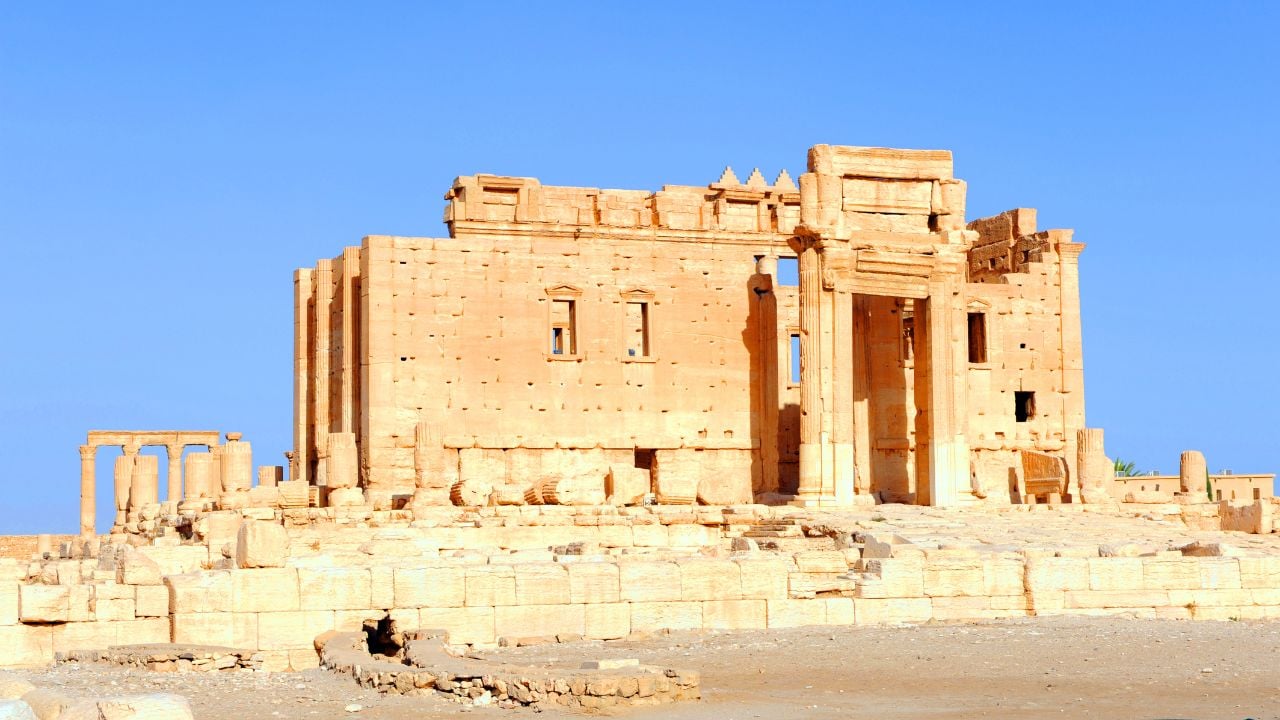
Syria remains highly uneven and unpredictable after years of conflict, with shifting control lines, foreign military involvement, and extremist activity still reported in some areas. Many governments keep their strongest travel warning level in place because risks include terrorism, arbitrary detention, kidnapping, and the presence of unexploded munitions. Border access and internal routes can change quickly as regional conditions shift. Reconstruction has progressed unevenly, leaving transport and services inconsistent.
Healthcare capacity varies widely, and supply shortages can affect treatment even in larger cities. Power outages and fuel constraints can disrupt daily essentials, including refrigeration for medicines. Some professional visits occur under tightly controlled permits and routing, but private tourism remains uncommon. Many insurance policies will not cover travel to or within the country.
4. South Sudan
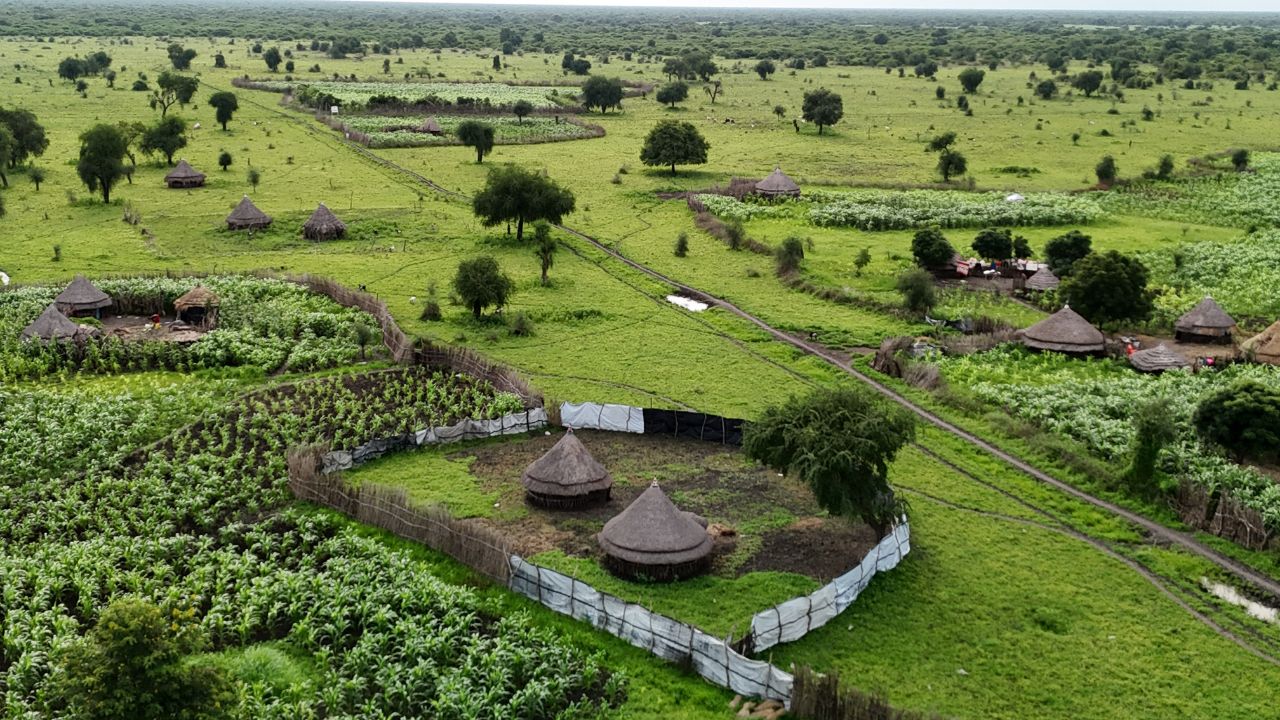
South Sudan is frequently flagged as high risk because violence can flare with little warning and conditions outside Juba can change quickly. Intercommunal clashes and political tension continue to drive instability, and travel between towns may be affected by checkpoints, local conflicts, or sudden restrictions. Seasonal flooding can also isolate communities by cutting road access, forcing relief operations to rely on air transport instead of ground movement.
Health infrastructure faces chronic staffing and equipment shortages, and outbreaks such as cholera and malaria have been reported in recent years. Cash shortages and limited electronic banking can complicate basic transactions. Consular support is often constrained, and many governments advise against nonessential travel. Organized tourism generally does not operate at scale in the country.
5. Haiti

Haiti’s risk profile intensified through 2024 and 2025 as armed gangs expanded influence in and around Port-au-Prince, driving frequent reports of kidnapping, armed robbery, and road blockades. Conditions can shift quickly by neighborhood, which makes normal movement planning difficult even for experienced travelers. During major spikes in violence, commercial travel options have faced disruptions, and diplomatic movement often requires strict security protocols.
Fuel shortages, electricity instability, and supply disruptions can compound the risks by affecting transportation, food distribution, and hospital operations. International assistance missions have worked to stabilize key areas, but progress can vary sharply from one zone to the next. Aid groups often recommend tightly coordinated movement plans, even for professional staff. When security deteriorates, some cruise calls and tour itineraries may be reduced, rerouted, or paused.
6. Somalia

Somalia continues to receive maximum-level travel warnings from multiple governments because terrorism and kidnapping risks remain persistent, and support options are limited. In Mogadishu, attacks have been reported against locations such as hotels, checkpoints, and government-linked sites, and incidents can occur with little warning. Independent movement between cities is often treated as a security operation rather than normal travel. Domestic flight schedules can also change suddenly as conditions evolve.
Medical evacuation capacity is limited outside a small number of heavily secured areas. Cash-based transactions dominate daily commerce, which can increase exposure to theft or robbery. Many international organizations enforce curfews and convoy rules for staff. For casual visitors, tourism infrastructure remains extremely limited.
7. Libya
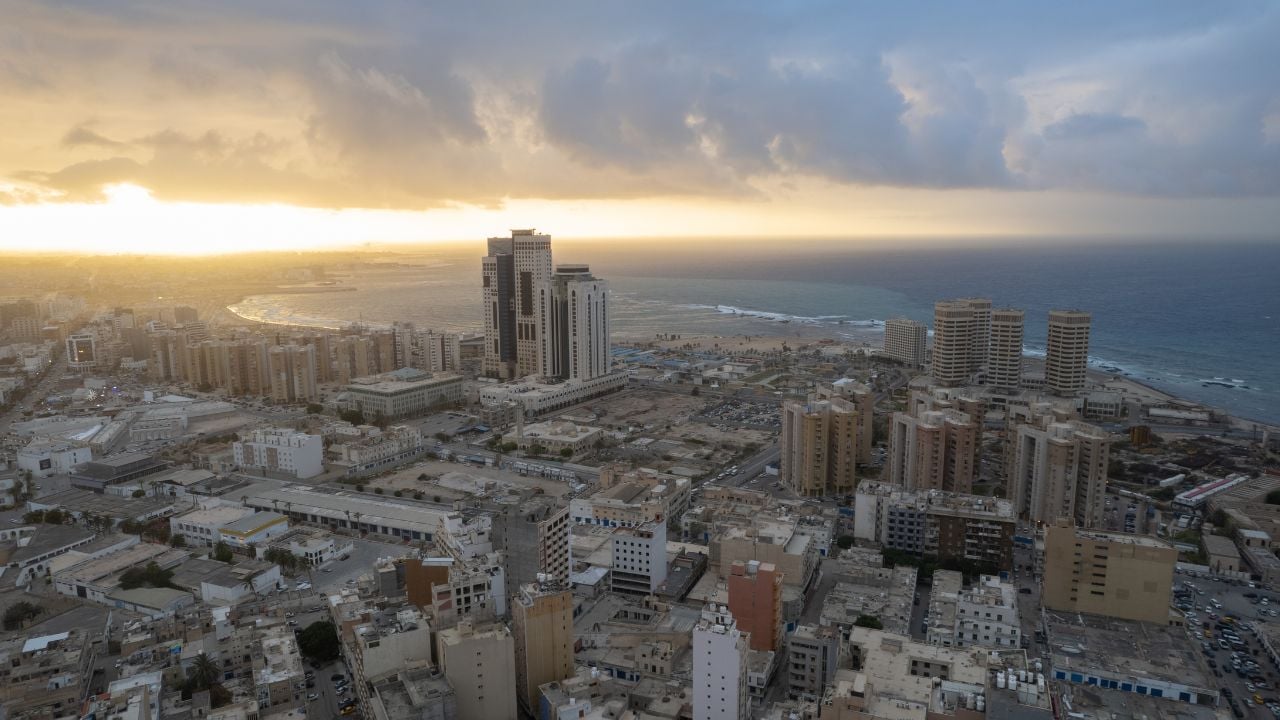
Libya remains widely categorized as high danger because political fragmentation and militia influence can produce sudden, localized instability. Armed checkpoints, sporadic clashes, and detention risks have been documented in recent years, and disruptions around key infrastructure sites can trigger transport shutdowns or regional tension. In remote areas, desert routes may overlap with smuggling corridors, adding another layer of risk for overland travel.
Consular support may be limited, which can complicate emergency assistance if documents are lost or situations escalate. Hospital capability varies sharply, and specialized trauma care can be difficult to access outside major coastal cities. Landmines and unexploded ordnance remain hazards in some former conflict zones. Large-scale package tourism has not returned.
8. Ukraine
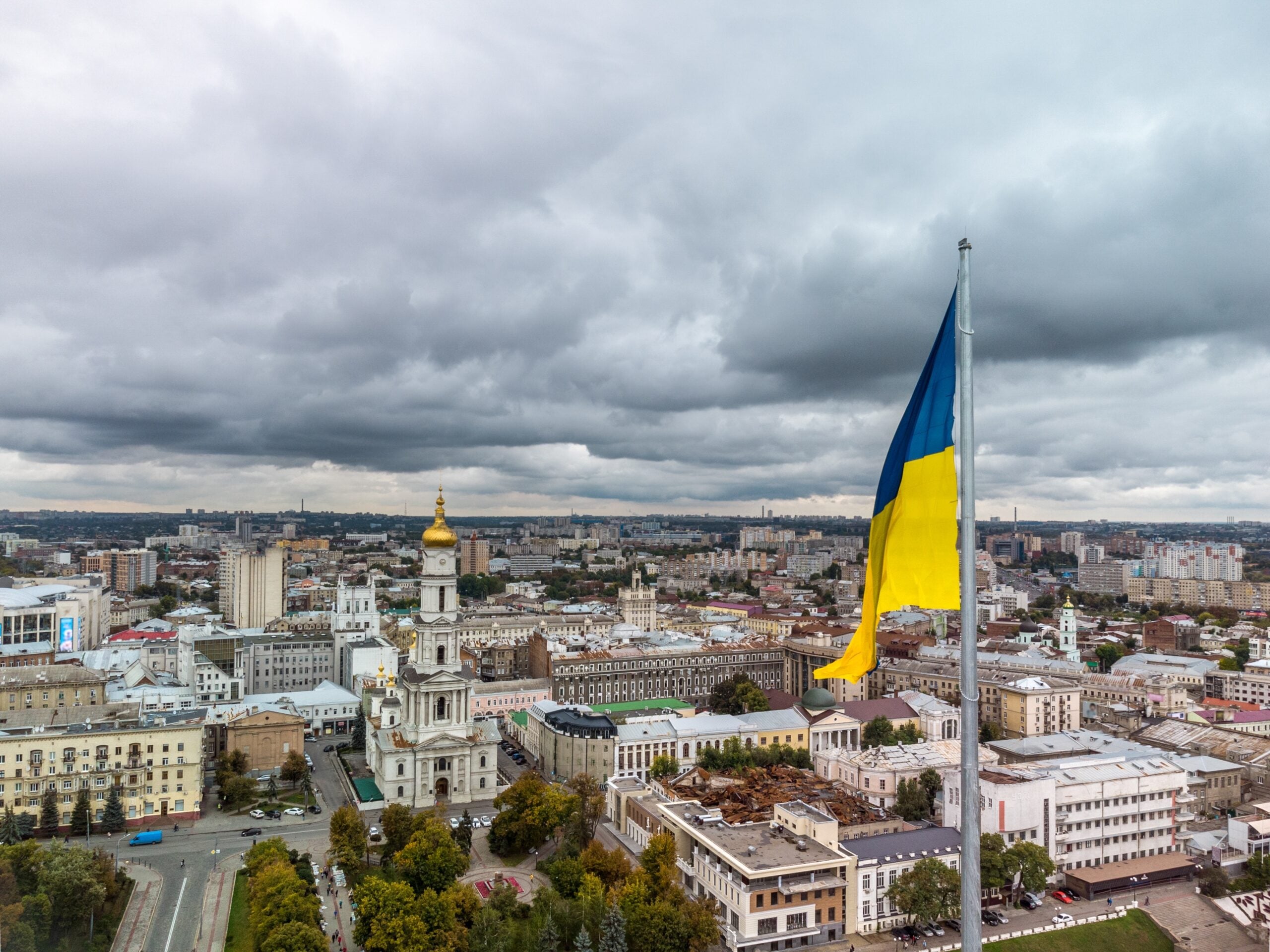
Russia’s full-scale invasion that began in February 2022 continues to dominate risk assessments for Ukraine, especially in eastern and southern areas near active combat. Missile and drone strikes, air raid alerts, and damage to energy and transport infrastructure remain recurring threats. Martial law can include curfews and restrictions on photographing or sharing sensitive sites. Even in cities far from the front, daily routines can be shaped by sirens and shifting security guidance.
Conditions are not identical across the country, and many services function more reliably in some western regions than in frontline provinces. Still, many foreign ministries warn against travel because escalation can be unpredictable and incidents can affect multiple oblasts. Rail networks may operate, but disruptions can follow attacks on infrastructure. Insurance policies often exclude coverage for active war environments.
9. Myanmar

Myanmar’s post-2021 military takeover continues to drive armed conflict in multiple states, keeping the country on high-risk lists used by governments and conflict-tracking organizations. Fighting between junta forces and armed groups has affected highways, rail routes, and some regional airports, and conditions can change quickly from one corridor to the next. Periodic internet shutdowns and communications restrictions can also disrupt navigation, coordination, and access to reliable updates. In sensitive areas, foreign media and professional visitors often require special approvals.
Banking interruptions and currency volatility can complicate everyday transactions. Healthcare access outside major hubs such as Yangon can be inconsistent, especially when clashes disrupt supply deliveries. Several governments advise citizens to leave if already present unless engaged in essential work. Organized leisure travel remains extremely limited.
This overview reflects patterns reported by international advisories, insurance security rankings, and humanitarian monitoring through early 2026. Situations can change quickly, so any trip requires checking multiple official sources close to departure and following on-the-ground instructions. Careful preparation and a realistic view of support options help travelers separate dramatic headlines from practical risk.