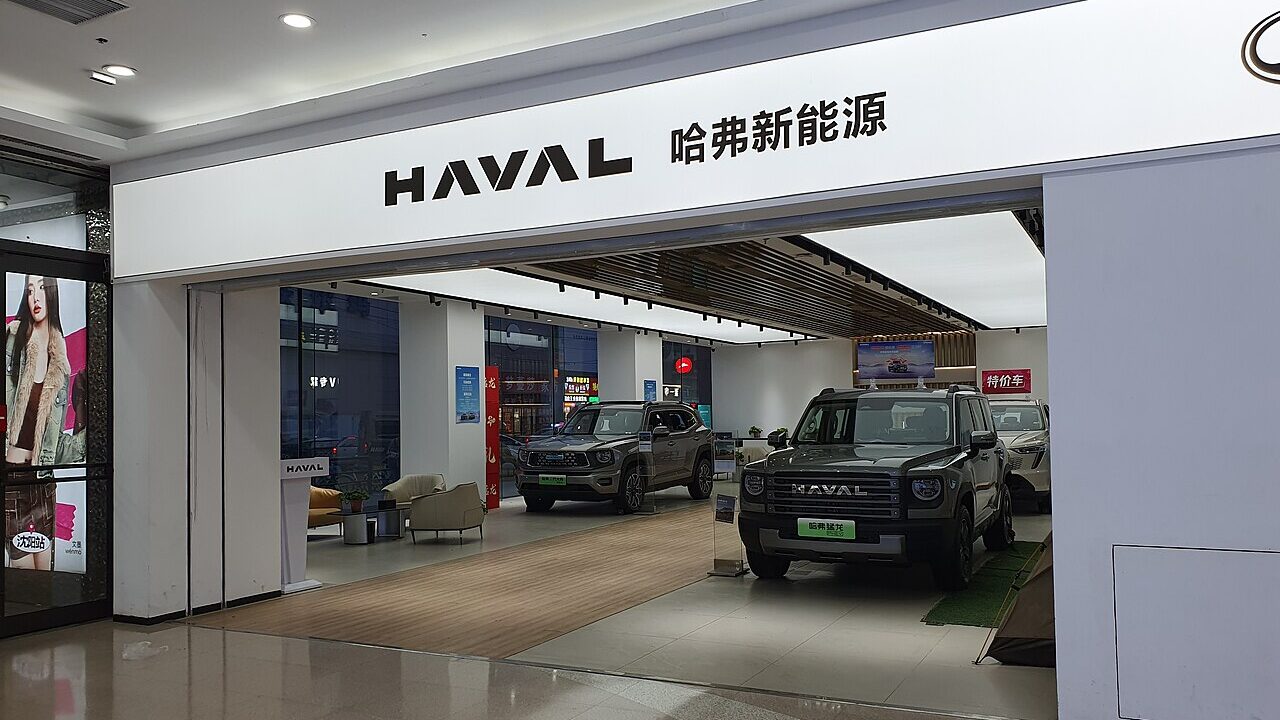

The largest auto retailer in the United States is not rushing to put Chinese brands on its showroom floors. That’s not exactly surprising, except that this dealer’s reason has little to do with politics or consumer backlash.
During a fourth quarter earnings call, Lithia Motors CEO Bryan DeBoer made clear that the company is taking a cautious stance on selling vehicles from China-based automakers in the U.S. market.
While headlines often frame the debate around tariffs, trade tensions, or brand perception, DeBoer pointed to a more fundamental issue: economics and infrastructure.
The Profit Reality
Lithia is currently the largest auto dealer group in the country, with a massive retail footprint and a business model heavily reliant on service and parts revenue.
According to DeBoer, roughly 50 to 60 percent of the company’s profits come from fixed operations such as maintenance, repairs, and parts sales. That reality shapes how the company evaluates any new franchise opportunity.
In the United Kingdom, Lithia already operates at least 10 stores selling vehicles from three Chinese automakers. The structure there is far more flexible.
Dealers can place competing brands under the same roof, a practice sometimes described as dual franchising. If a new Chinese brand wants representation, Lithia can integrate it into an existing showroom for under $100,000 in investment.
That flexibility does not exist in most of the United States.
A Tale of Two Markets
Franchise laws in the U.S. are strict and vary by state. Automakers exert significant control over how their brands are represented, and in many cases prohibit mixing competitors in the same facility.
We reported the case of Mitsubishi North America and Iowa-based John Deery Mitsubishi, with the former accusing the latter of trademark infringement because the dealership allegedly shared Mitsubishi’s service area with other brands.
For Lithia to add a new Chinese brand domestically, it would likely need to build standalone retail locations, invest in separate service operations, hire new staff, and create a full support ecosystem from scratch.
That is a dramatically different financial equation.
The hesitation comes at a pivotal moment. Chinese automakers have expanded aggressively outside their home market, growing global share at a rapid pace. Brands like BYD, Nio, and Chery Automobile have pushed into Europe and other regions, capitalizing on strong electric vehicle portfolios and competitive pricing.

While American consumers can already buy China-built vehicles through brands like Buick and Volvo, there are currently no pure Chinese brands selling cars in the United States.
The Infrastructure Hurdle
Canada may become a test case. It recently removed 100 percent tariffs on imported vehicles from China amid a trade dispute with the Trump administration. In response, GM’s dealership expressed perplexity at Canada’s decision to open its doors to Chinese automakers.
For Chinese automakers seeking North American expansion, Canada presents a smaller but potentially more accessible entry point. Even so, DeBoer signaled that Lithia is unlikely to be an early adopter there either, largely because the same infrastructure challenges apply.
The strategic subtext is clear. Lithia is not rejecting Chinese brands outright. In fact, DeBoer emphasized that the company is building relationships with several of them and keeping its options open.

But as a publicly traded retailer focused on return on investment, Lithia is not interested in speculative bets that require heavy capital outlays without a clear path to scale and profitability.
Watching From a Distance
There is also the service component. New brands entering the U.S. market must establish parts distribution, warranty reimbursement processes, technical training, and long-term support networks. Without that backbone, dealerships assume too much risk.
Since service and parts drive more than half of Lithia’s profits, any brand lacking mature aftersales infrastructure becomes far less attractive.
Ultimately, the message from the country’s largest dealer group is one of pragmatism rather than ideology. The door is not closed, but it is not swinging open either.
Chinese automakers may eventually enter the American retail landscape, but they will need to prove that they can operate within the unique and tightly regulated franchise system that defines the U.S. auto industry.
Until the economics make sense, Lithia seems just fine watching the global expansion from a distance.