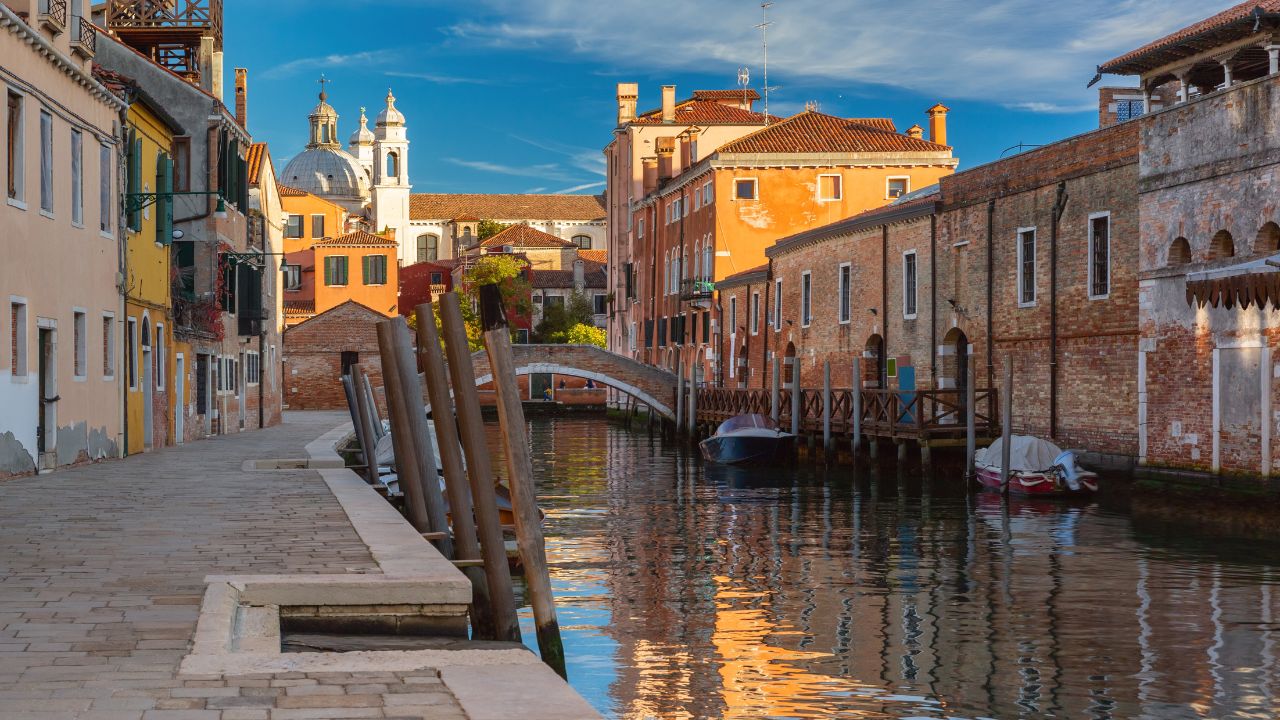
Carnival week gives Venice a distinct atmosphere shaped by softer daylight, fewer visitors in the early hours, and elaborate attire made for visual impact. February often brings pale skies or light mist that reduces glare and helps textures stand out in photographs. Water surfaces can look richer under these muted tones. Planning around sunrise and the final hours before dusk makes a noticeable difference.
This guide highlights places where architecture, water, and costume line up naturally during Carnival. Arriving before midday leaves room to move and compose images without pressure. Cooler air keeps colors crisp, and the city feels calmer. A slower pace usually delivers stronger frames than rushing between landmarks.
1. Piazza San Marco
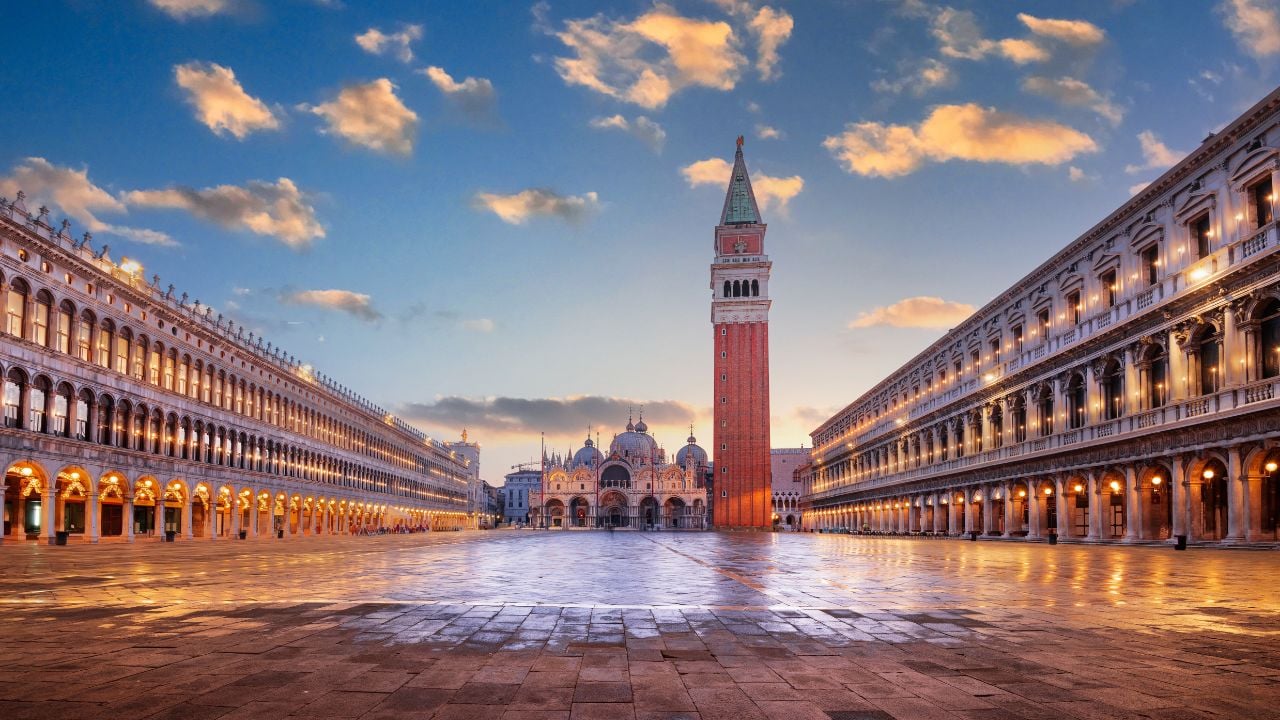
At first light, the main square becomes a natural stage framed by historic façades and arcades. Costumed participants gather here throughout the festival, especially during scheduled programming. Pale stone paving reflects brightness upward, softening shadows on detailed masks. Sound stays subdued compared to peak season.
Many headline Carnival moments unfold in this area, particularly near the opening weekend. Watching from the edges keeps sightlines clear while avoiding dense foot traffic. Covered walkways help if rain rolls in. Staying flexible with your schedule improves the experience.
2. Doge’s Palace
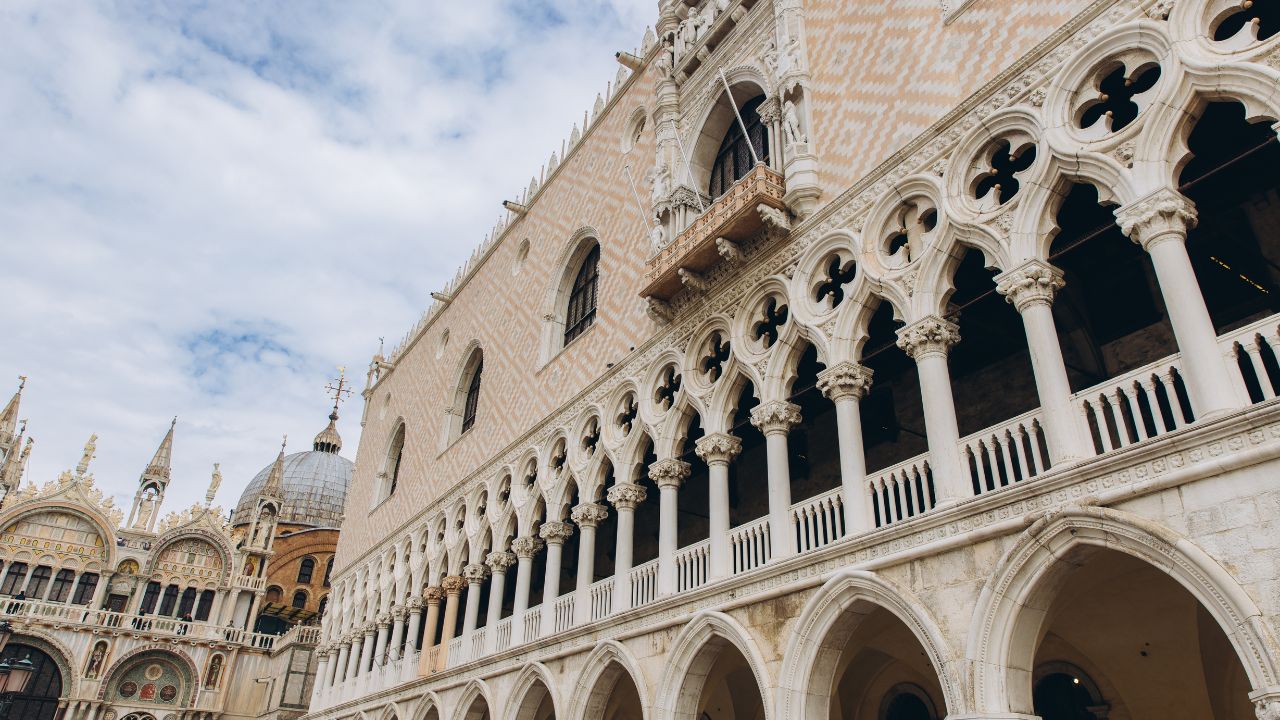
The Gothic exterior provides a dramatic backdrop with pink-and-white patterns across its façade. Pointed arches and columned galleries add structure behind ornate garments. Softer seasonal light tends to spread evenly here, avoiding harsh contrast. Details remain readable even from a moderate distance.
Standing slightly away from the central entrance reduces congestion. After rainfall, stone can take on a subtle sheen that enhances color without overpowering subjects. Security and event staff usually manage circulation during Carnival week, which helps maintain flow. Taking your time here pays off.
3. Bridge of Sighs
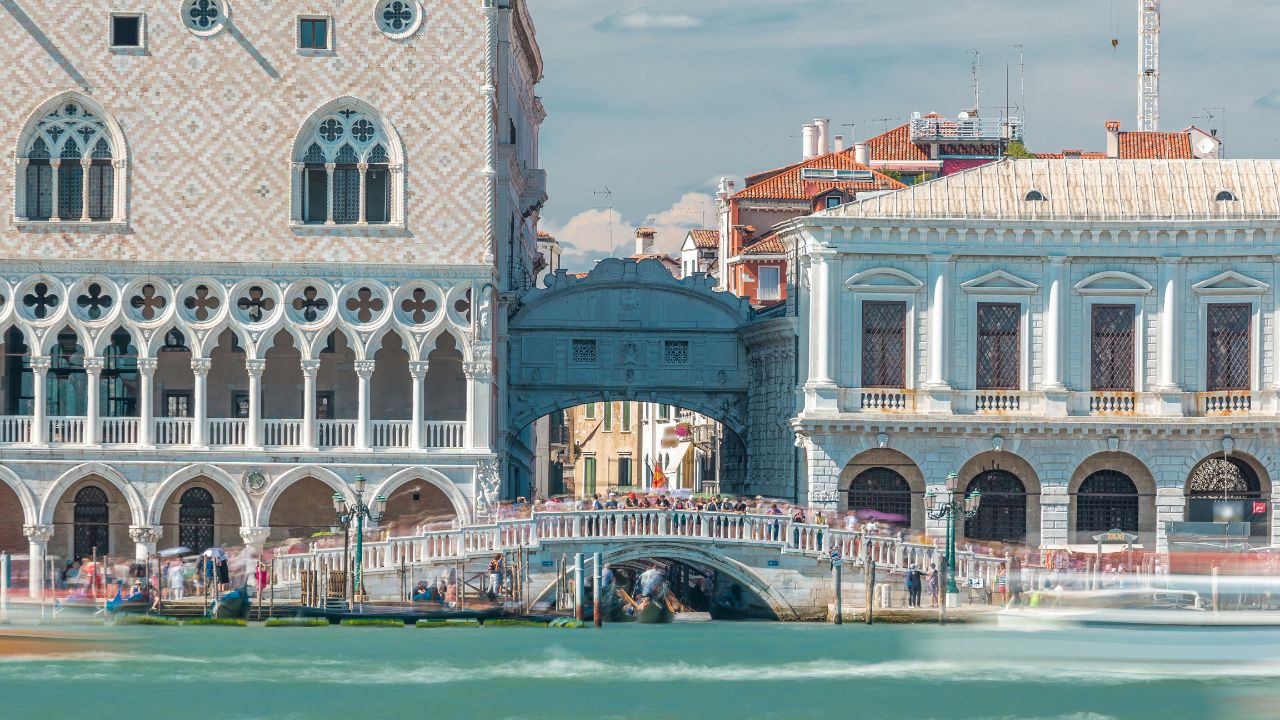
This enclosed limestone bridge connects historic buildings above a narrow canal. Masks framed between palace walls and water create layered compositions. February haze can soften distant elements, separating figures from the background. Movement feels measured rather than hurried.
Shooting from the nearby bridge across the canal keeps angles clean. Passing gondolas add scale while maintaining balance. Morning is typically the quietest window before groups gather. Stillness works in your favor.
4. Campo Santa Maria Formosa
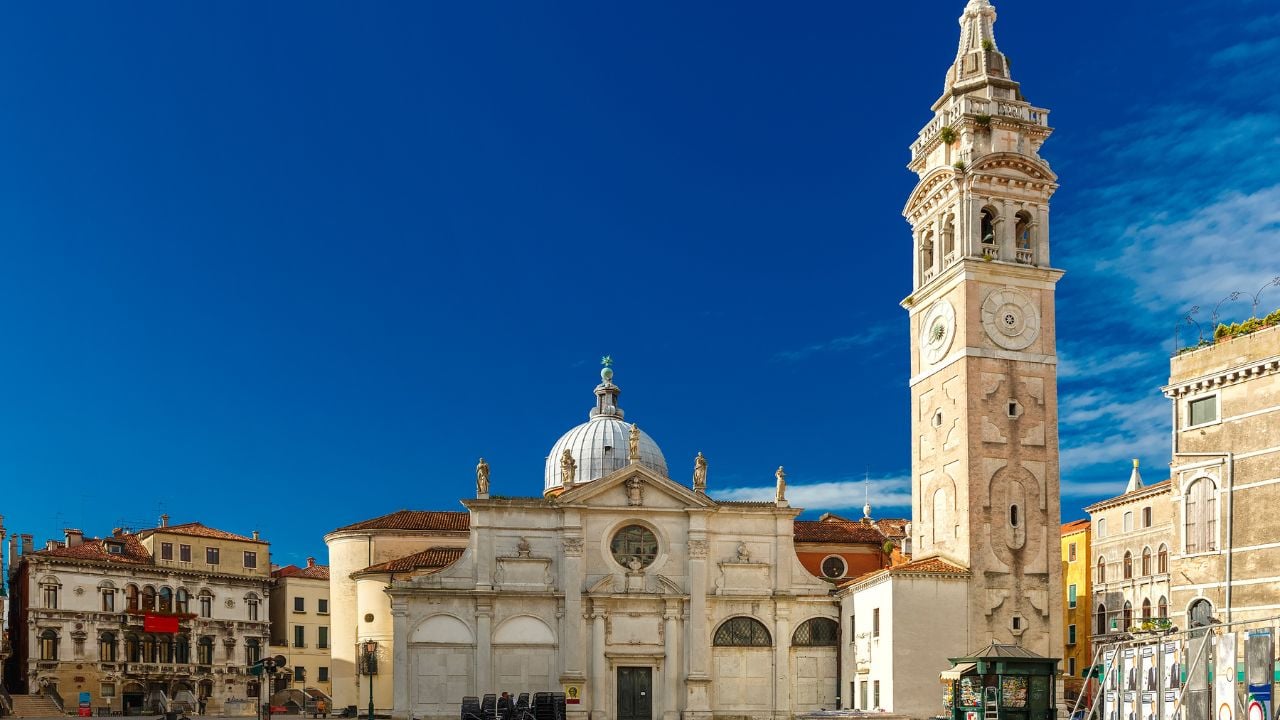
An open campo offers a blend of church frontage, residential buildings, and daily activity. Costumes often feel less staged in this setting, which lends scenes a more natural character. Light spreads evenly across the square on overcast days. Everyday details add texture.
Locals cross the space without stopping, bringing authentic motion into frames. Raised steps around the perimeter provide varied perspectives. Noise levels stay moderate, letting moments unfold without interruption. Lingering here can yield subtle, story-like images.
5. Rialto Bridge

The stone arch spanning the Grand Canal supplies height and layered viewpoints. Figures along the balustrade gain water below as a built-in visual element. February foot traffic moves more slowly than peak months. Soft skies help keep exposure balanced.
Side staircases often work better than the center walkway for cleaner lines. Vendors reopen at different rhythms during Carnival week, so backgrounds can look simpler earlier in the day. Planning your visit time matters. A steady approach works best.
6. Fondamenta della Misericordia
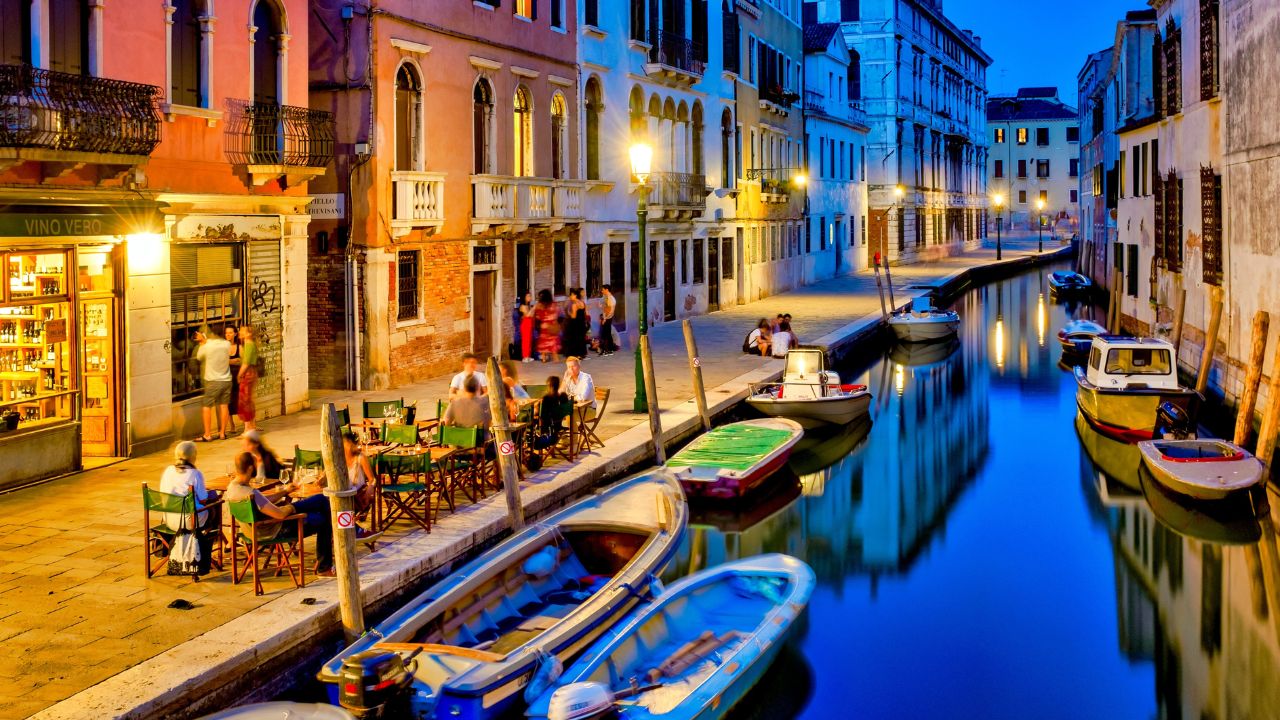
Wide canal-side walkways create breathing room for observation. Participants drift past restaurants and moored boats without crowd compression. As daylight fades, the canal can pick up deeper tones, especially when water stays calm. The mood feels relaxed rather than performative.
Toward evening, warm interior glow spills across the canal from windows and doorways. Lower angles near the waterline help frame scenes differently. Residents often treat festivities casually in this district. Staying longer reveals more variety than a quick pass.
7. San Giorgio Maggiore
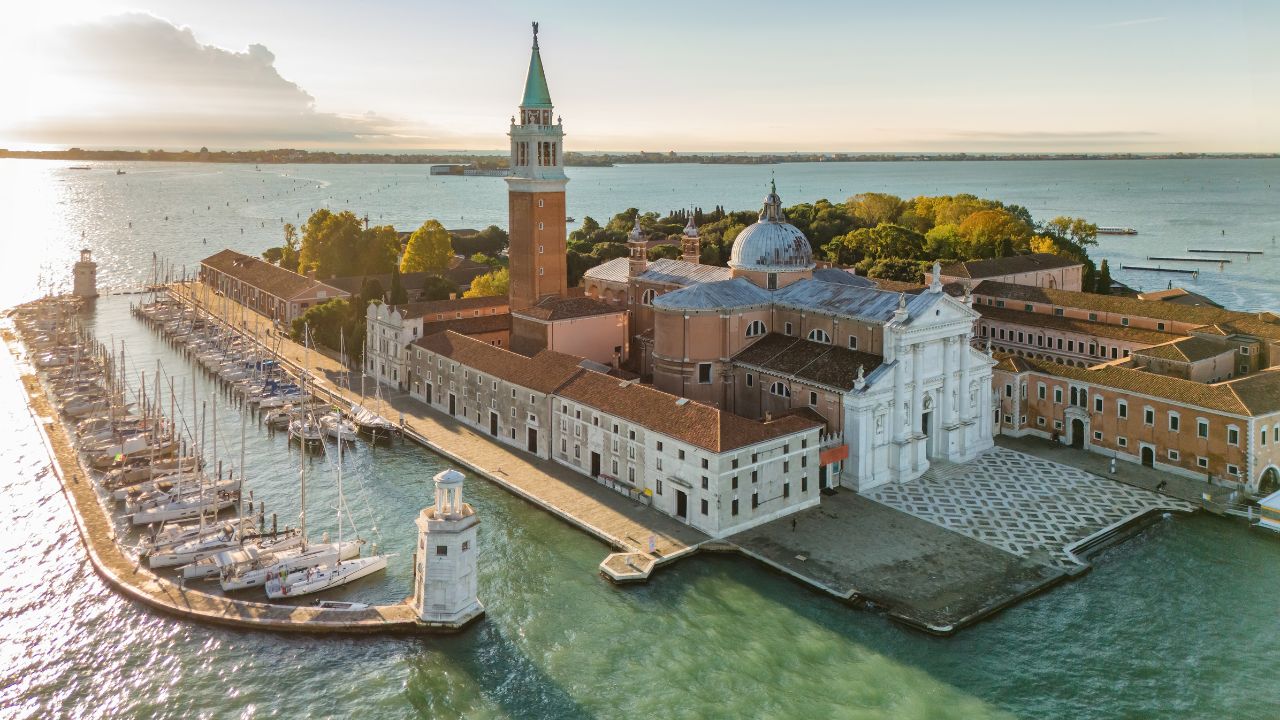
From this island, the skyline appears across open lagoon water. Costumes photographed against that horizon gain visual space rather than a stone backdrop. Clear air can sharpen outlines across the basin. The setting feels expansive.
Church steps offer elevation without the pressure of dense crowds. Vaporetto service runs regularly during the Carnival period. Wind may lift fabric and capes, adding motion. Results can feel cinematic without forced posing.
8. Ca’ d’O
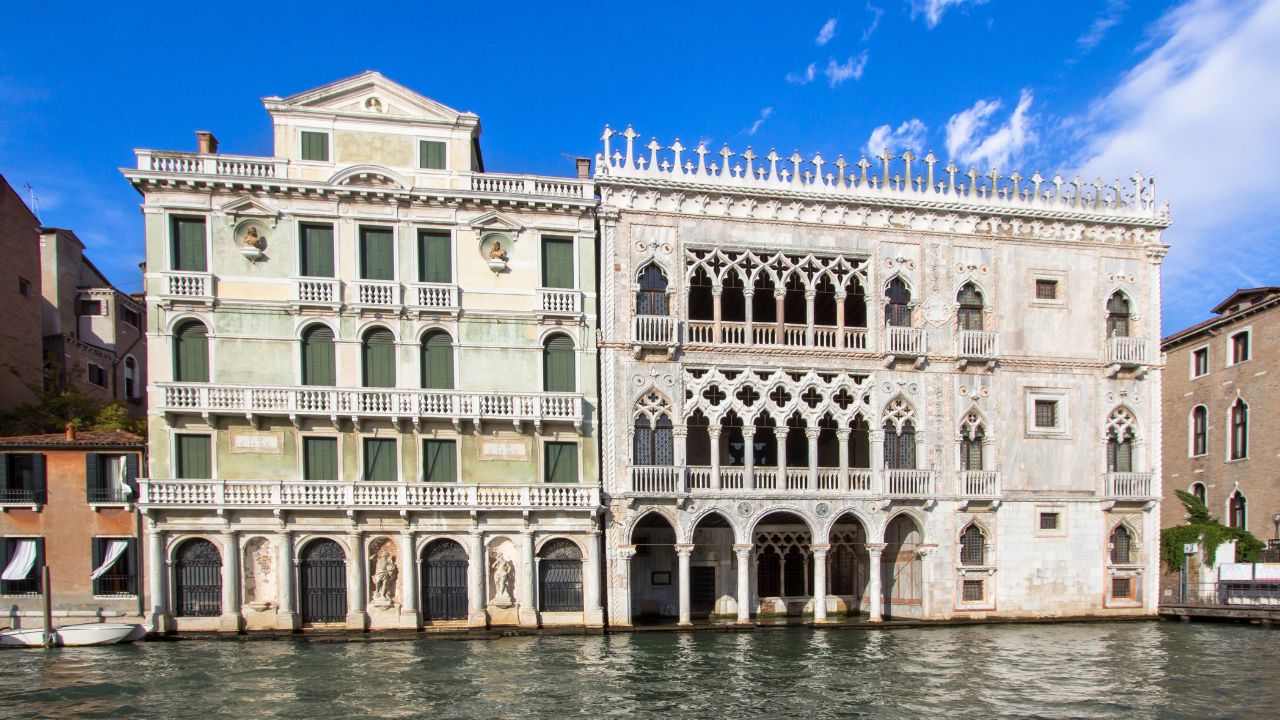
This Gothic palace along the Grand Canal displays intricate stonework that photographs well under soft February brightness. Marble tracery stays readable even under overcast skies. Subjects captured from boats can seem to float against the façade. Water movement adds texture.
Opposite banks provide steady ground for longer shots. Gondoliers often slow through this stretch, improving timing. Repeating arches help keep compositions balanced. A calm pace works particularly well here.
9. Dorsoduro
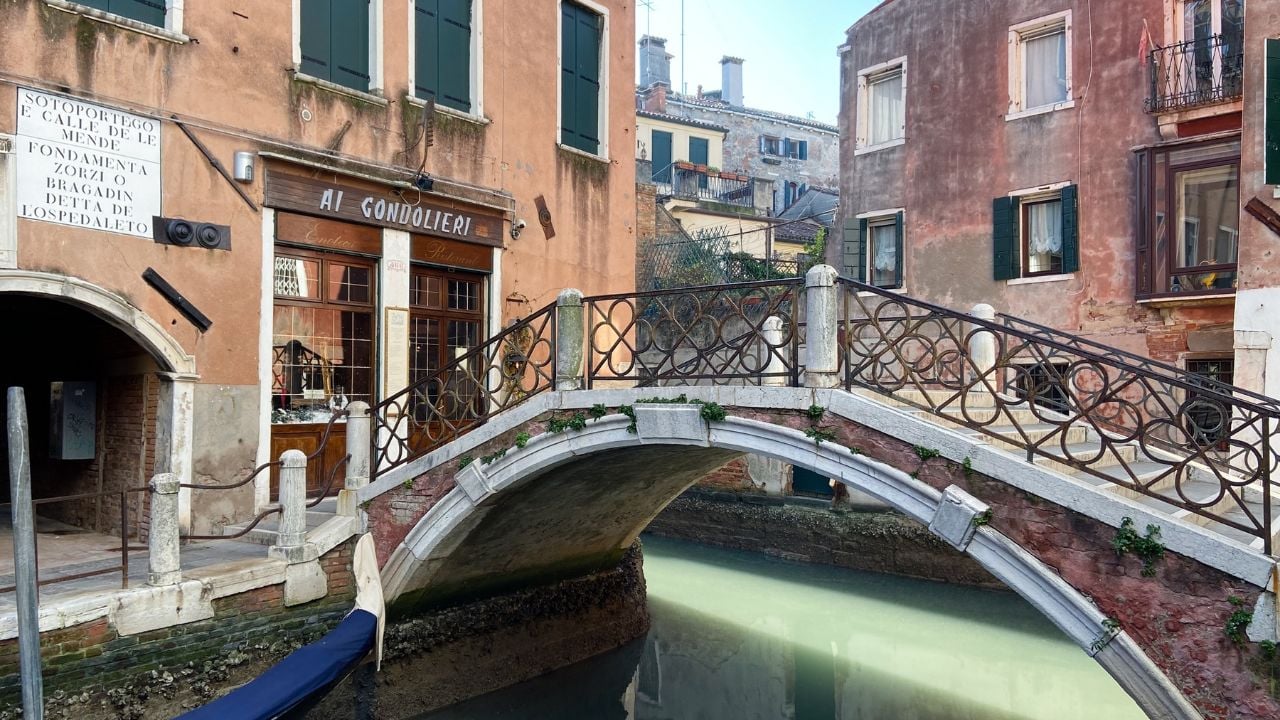
Museums, workshops, and quieter waterways define this district. Costumes can appear less formal here, creating contrast with grander settings elsewhere. Afternoon light warms brick and plaster surfaces. Streets remain manageable.
Small bridges provide layered framing opportunities. Residents observe without forming tight clusters. Scenes evolve slowly, which suits candid moments. Wandering with a loose plan tends to beat a rigid route.
10.Cannaregio
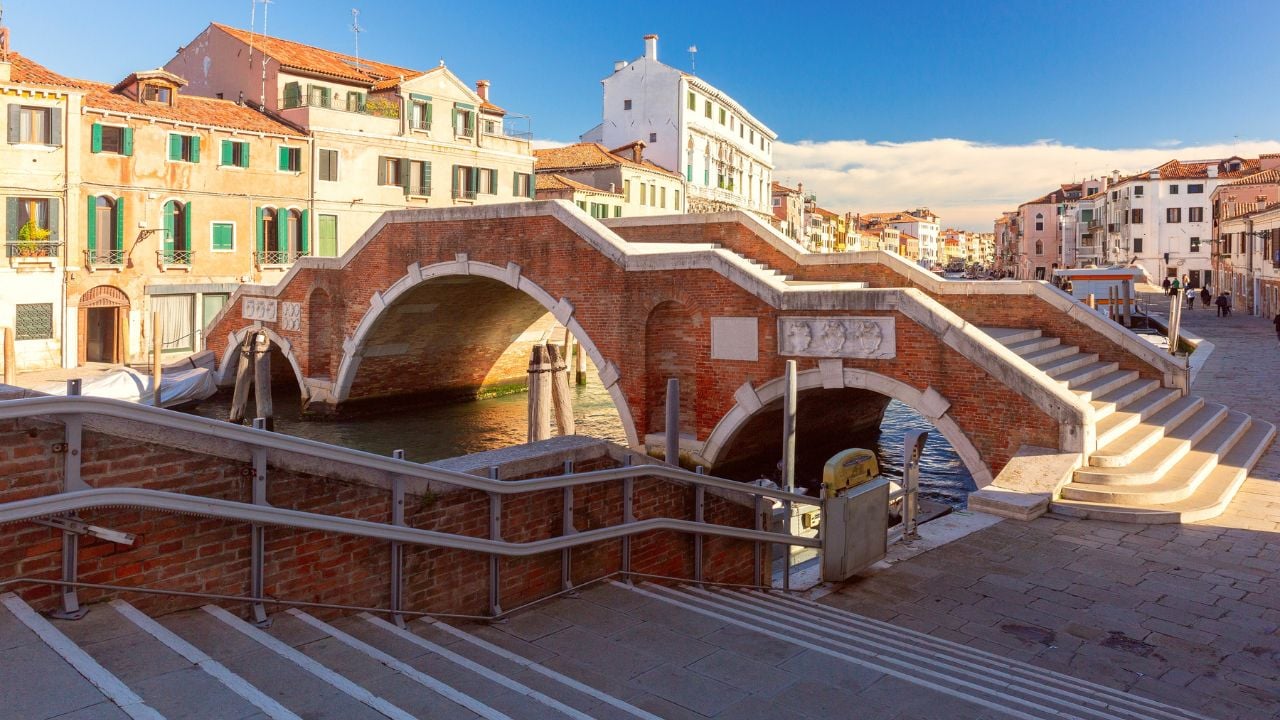
Residential lanes ground the festival in everyday life. Masks mingle with ordinary errands, producing unexpected juxtapositions. Late-day light can bounce off narrow canals in subtle ways. The atmosphere stays calmer than central zones.
Images taken here often feel narrative rather than posed. Local cafés welcome unhurried visitors. Activity and illumination balance well toward sunset. Ending the day in this quarter feels natural.