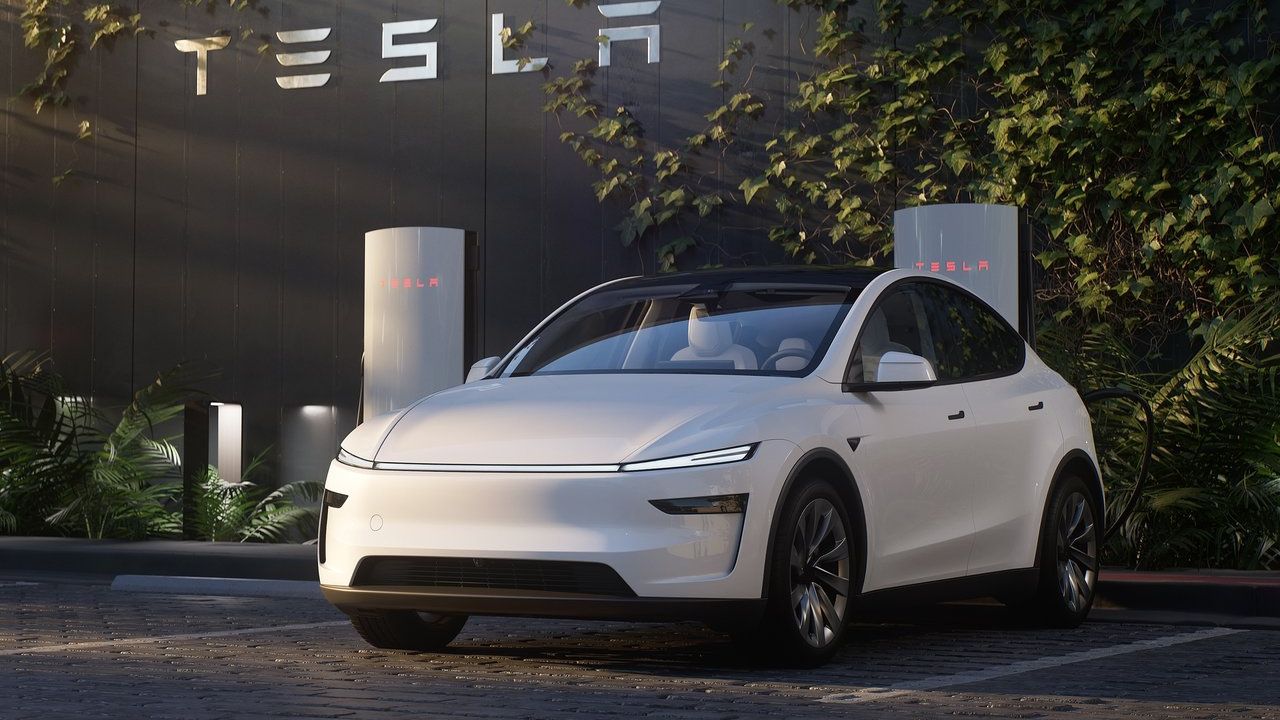

Tesla recently unveiled a new Model Y configuration in the United States, and the company is calling it “affordable.” The announcement supposedly sounds like a win for new converts (or old fans) eager to join the EV revolution without breaking the bank.
The new all-wheel-drive Model Y starts at $41,990, sits between the rear-wheel-drive base model and the premium trims, and offers roughly 294 miles of range. With a zero-to-sixty time of 4.6 seconds and a top speed of 125 miles per hour, it checks many boxes that Tesla owners have come to expect.
What we see, though, is a red flag, considering what $42,000 really represents in the context of automotive affordability. Yes, “affordable” is a relative term, we know. But in the United States, it has traditionally meant something within reach of a significant portion of the population without requiring loans that span a decade.

The median new car price in the U.S. is just over $48,000, but that figure includes luxury brands, trucks, and SUVs. A $42,000 electric SUV still sits above what many families can reasonably allocate for a single vehicle, especially when additional costs such as destination fees, tax incentives, and optional upgrades are included.
The “Affordable” Sticker vs. The Real Price Tag
The features of this new Model Y trim are undeniably impressive. It comes with Tesla’s signature all-wheel-drive system, which improves traction and stability. Interior technology includes a minimalist cabin dominated by a central touchscreen that controls most vehicle functions.
Over-the-air updates promise to keep software current without a trip to a dealership. Safety features include automatic emergency braking, lane-keeping assistance, and a comprehensive suite of sensors and cameras. Even charging infrastructure is a strong point.
Tesla owners have access to the company’s Supercharger network, one of the most expansive fast-charging systems in the United States.
Still, framing $42,000 starting price as “affordable” glosses over the reality of total ownership. Tesla is notorious for optional add-ons that can push a vehicle’s price into the high $50,000 or even $60,000 range.
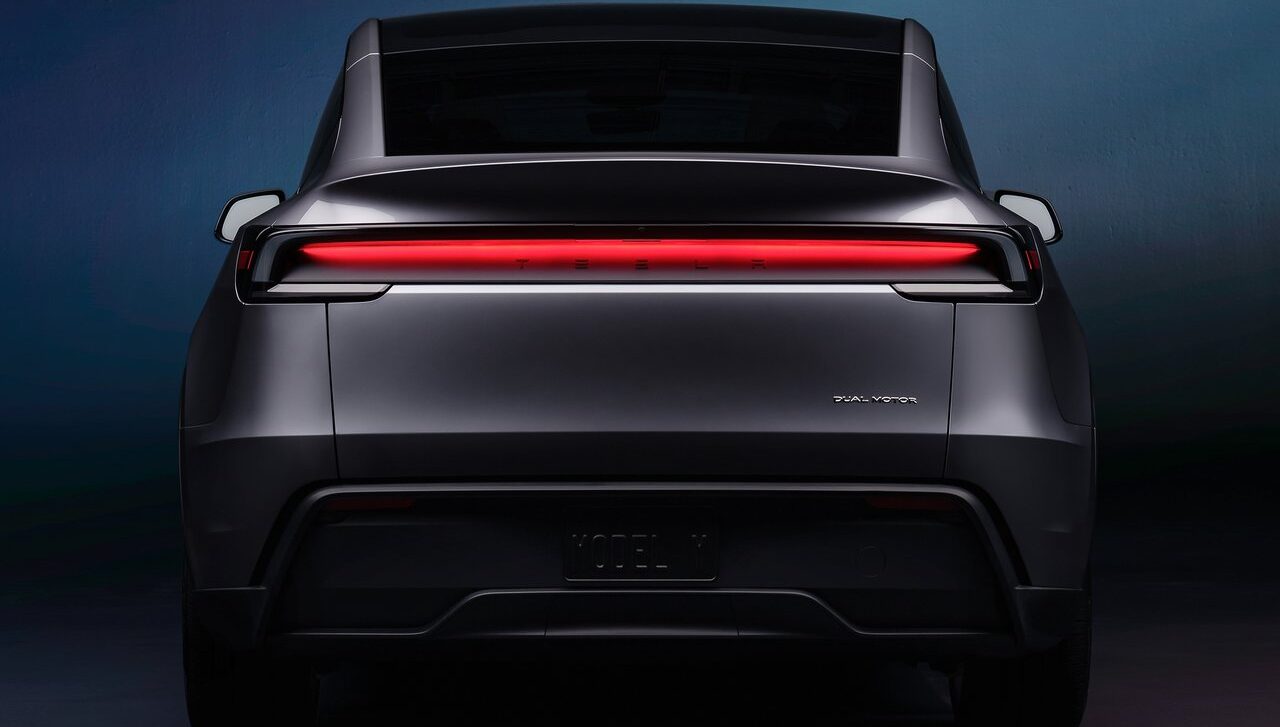
Let’s not even get started with the FSD gamut that you can no longer buy outright (at roughly $8,000, anyway) because Tesla expects to keep hiking subscription fees as the software gets smarter.
Enhanced interior packages, premium audio, wheel upgrades, and paint options all add thousands of dollars. Suddenly, what was touted as an entry point for the average driver begins to resemble the price point of traditional luxury vehicles.
Tesla’s clever marketing and the use of the term “affordable” masks the fact that true affordability is not just about the base price but about overall accessibility and cost of ownership.
Affordability is offering the Model 3 for $25,000 like it is done in South Korea, and that’s even before subsidies kick in.
A New, Expensive Benchmark for the EV Market
Admittedly, the definition of affordable in the EV space is shifting. Traditional internal combustion engine vehicles with similar utility can often be found for $30,000 or less, including midsize SUVs with comparable cargo space and performance.
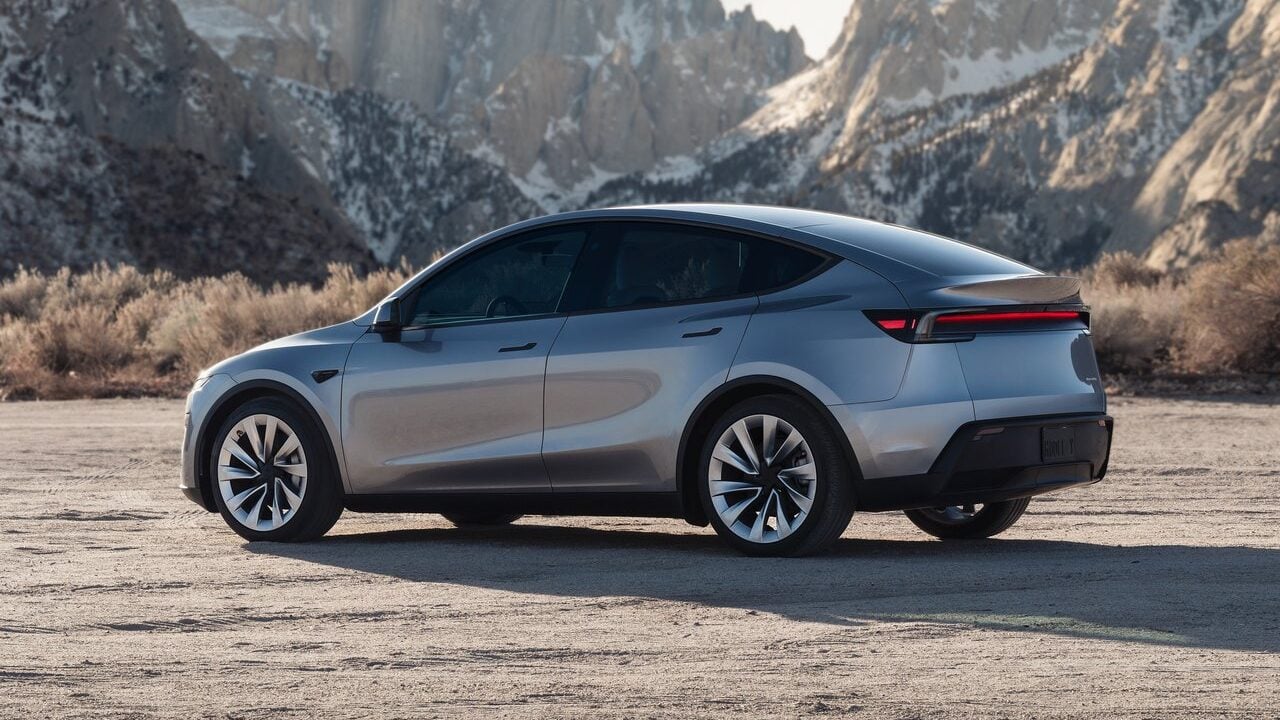
Pricing a “budget” model just below $42,000 sets a benchmark that other EV makers may feel compelled to follow. If you’re afraid such a trend would further distort consumer expectations, you aren’t alone.
The messaging frames the EV market as more attainable than it actually is, particularly for first-time EV buyers or families who cannot stretch their finances to accommodate optional features and maintenance costs.
That said, the new Model Y all-wheel drive is a capable and impressive machine. No doubts about it. Tesla may be backing away from car manufacturing, but it will always be remembered for pushing EVs into mainstream awareness with vehicles that perform well, charge quickly, and integrate advanced technology.
But we thankfully aren’t — yet — at a societal threshold where $42,000 is considered “affordable.” It feels more like a marketing exercise than a reflection of economic reality.
For many consumers, especially those outside high-income brackets, the new Model Y is still a luxury purchase wrapped in the guise of an attainable option. The allure of innovation and performance is undeniable, but affordability in Tesla terms does not align with every day (and everyone’s) definitions of the word.