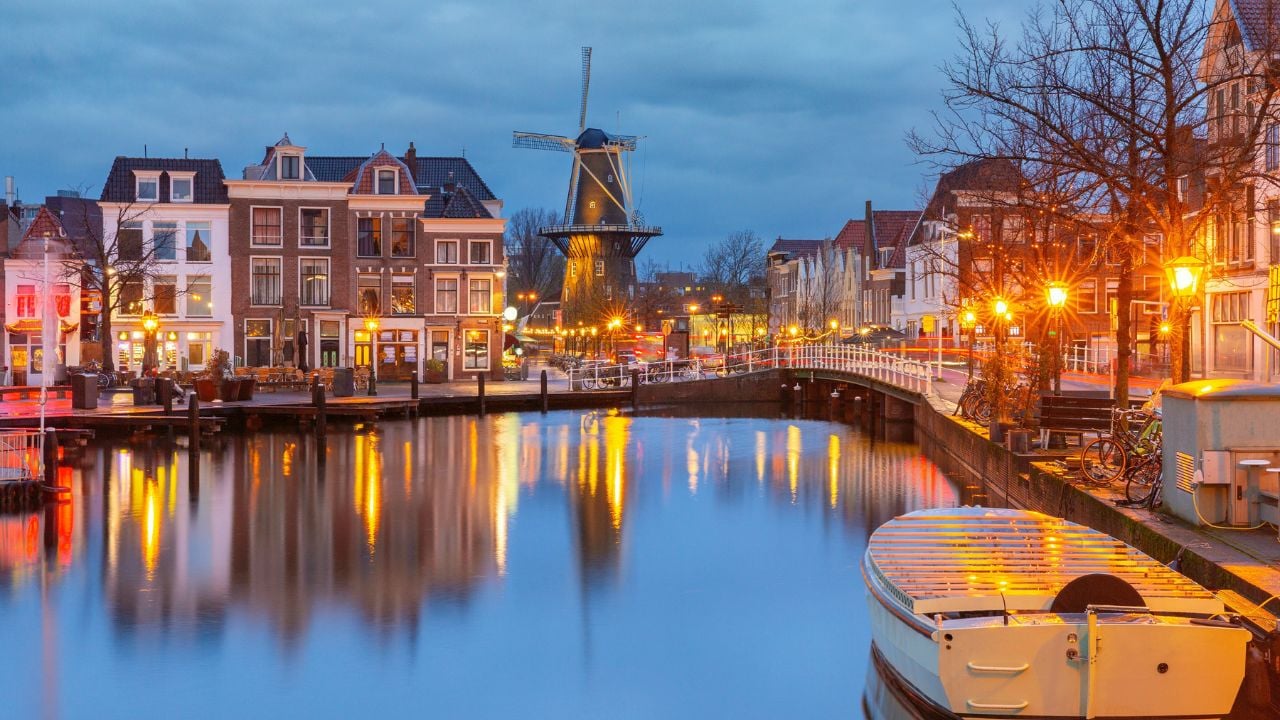
In the Netherlands, water is not background scenery. It is the main street, the mirror, and the map all at once. Slow walks feel effortless when bridges show up every few minutes and café terraces line the edges.
Plan for unhurried days: pick one compact base, then wander until you bump into something charming on purpose. Morning light tends to be the most flattering, while late afternoon brings the warmest reflections. A light rain rarely ruins the vibe; it usually upgrades it.
1. Amsterdam
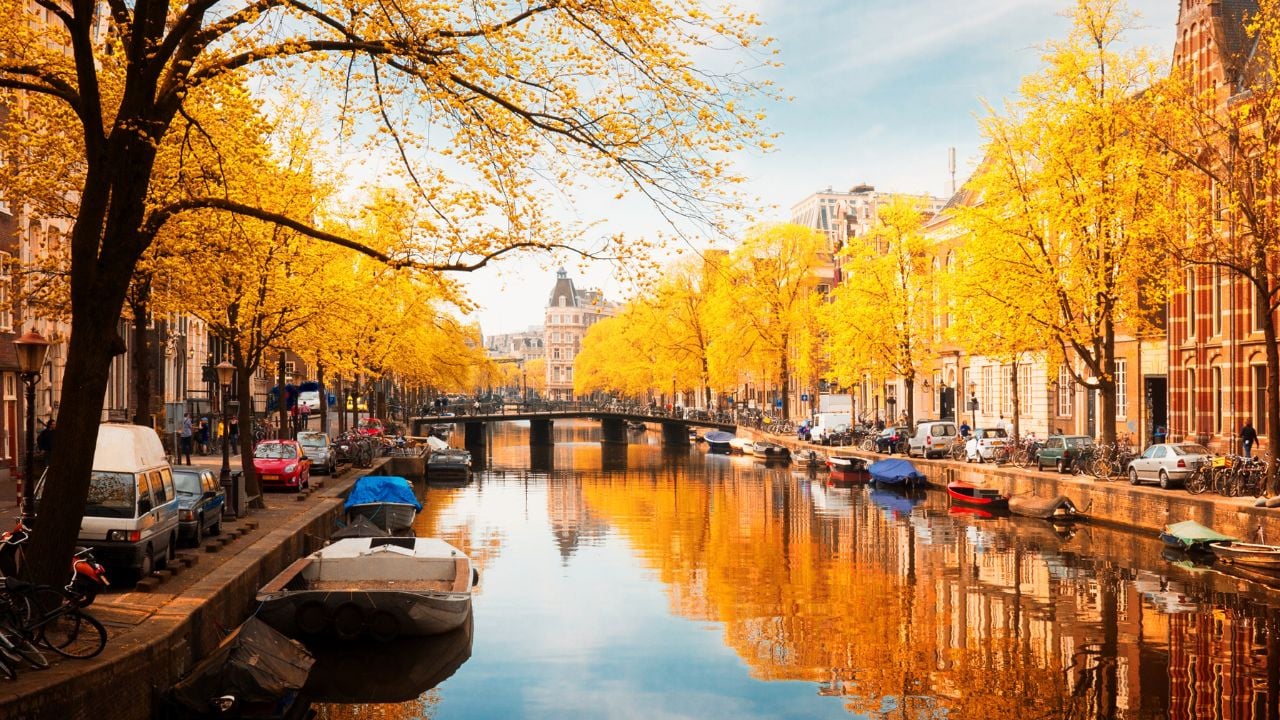
The famous canal belt is not a random maze. The famous canal belt is not a random maze; it is a carefully planned seventeenth-century expansion that still shapes the city’s look today. The “Canal Ring Area” inside the Singelgracht is UNESCO-listed, which says a lot about how influential this design became. Even first-time visitors quickly learn the rhythm: narrow houses, arched bridges, and sudden views that feel staged.
Choose one neighborhood and explore on foot, because the best moments happen between “big” sights. A short cruise can help you understand the layout, then you can return to favorite corners at street level. When evening lights switch on, the water turns into a long ribbon of gold.
2. Utrecht
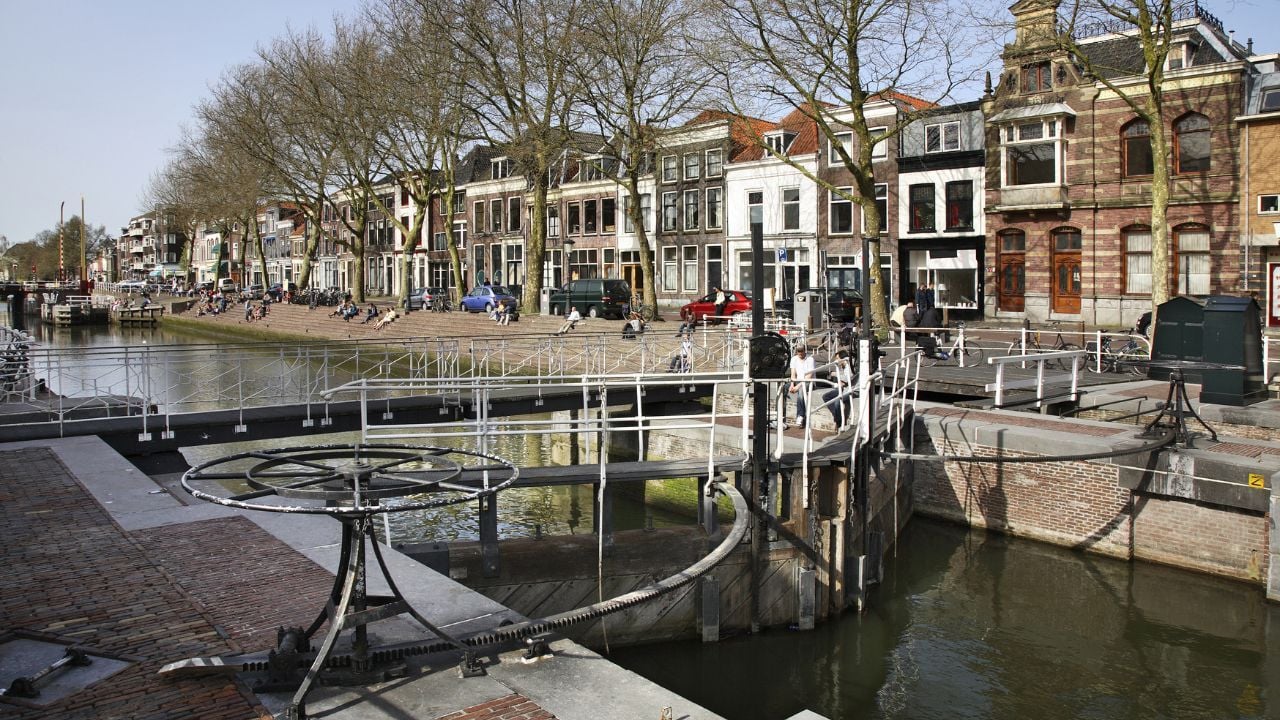
Utrecht’s old center threads around a canal system with distinctive quays and wharf cellars built into the lower level beside the water. That two-level setup is a big part of why the streets feel cozy, with café doors opening almost at the waterline. The Oudegracht area stays lively without feeling overwhelming.
Start near Domplein, then drift toward the canal and let the route decide itself. Many of the cellar spaces now hold small restaurants, bars, and shops, so breaks happen naturally. In the evening, the lower walkways glow with a tucked-away atmosphere that feels local.
3. Leiden
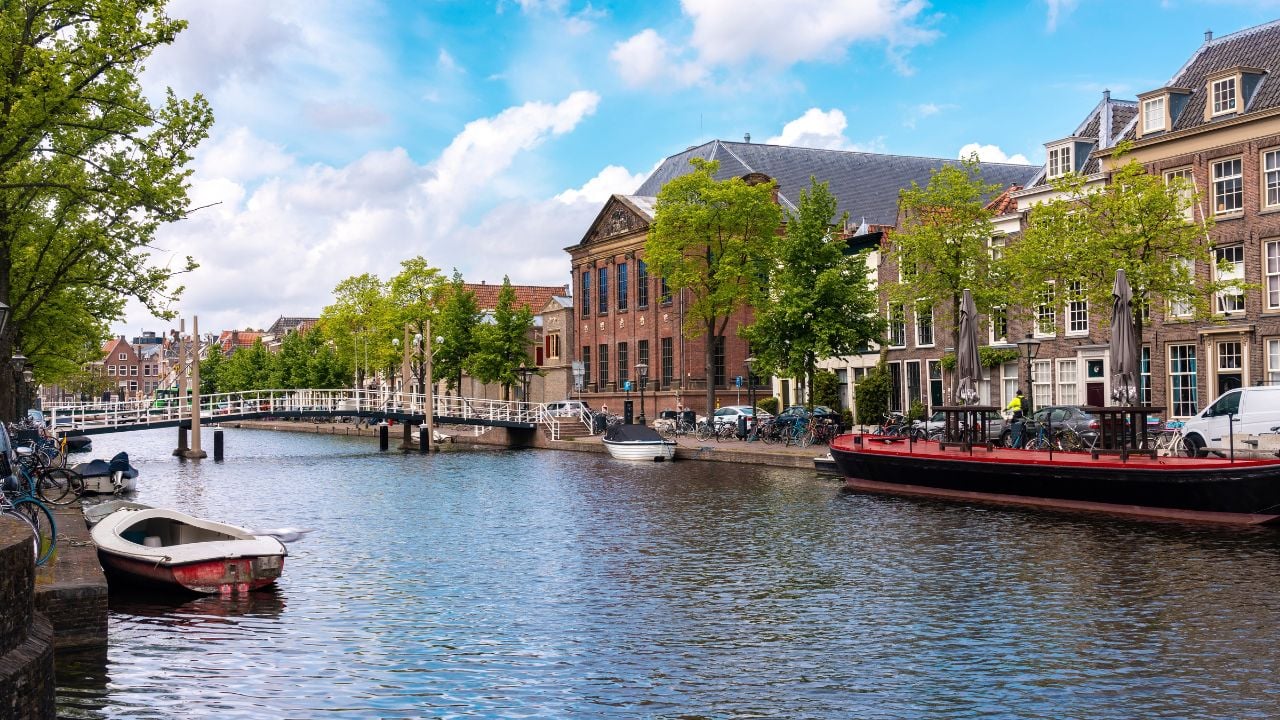
Leiden has an impressive amount of waterways in its historic core, making it a strong pick for travelers who love water views but prefer fewer crowds. The city is often described as second only to Amsterdam for the density of canals and routes through the center. Between bridges, you’ll spot quiet courtyards, museums, and university-era façades.
A simple plan works best here: Follow the water until you reach a market square, then loop back on the opposite bank. Museums and cafés sit close enough that you can duck inside whenever the weather changes. At dusk, reflections soften the brickwork, and the whole place feels like a painting.
4. Delft
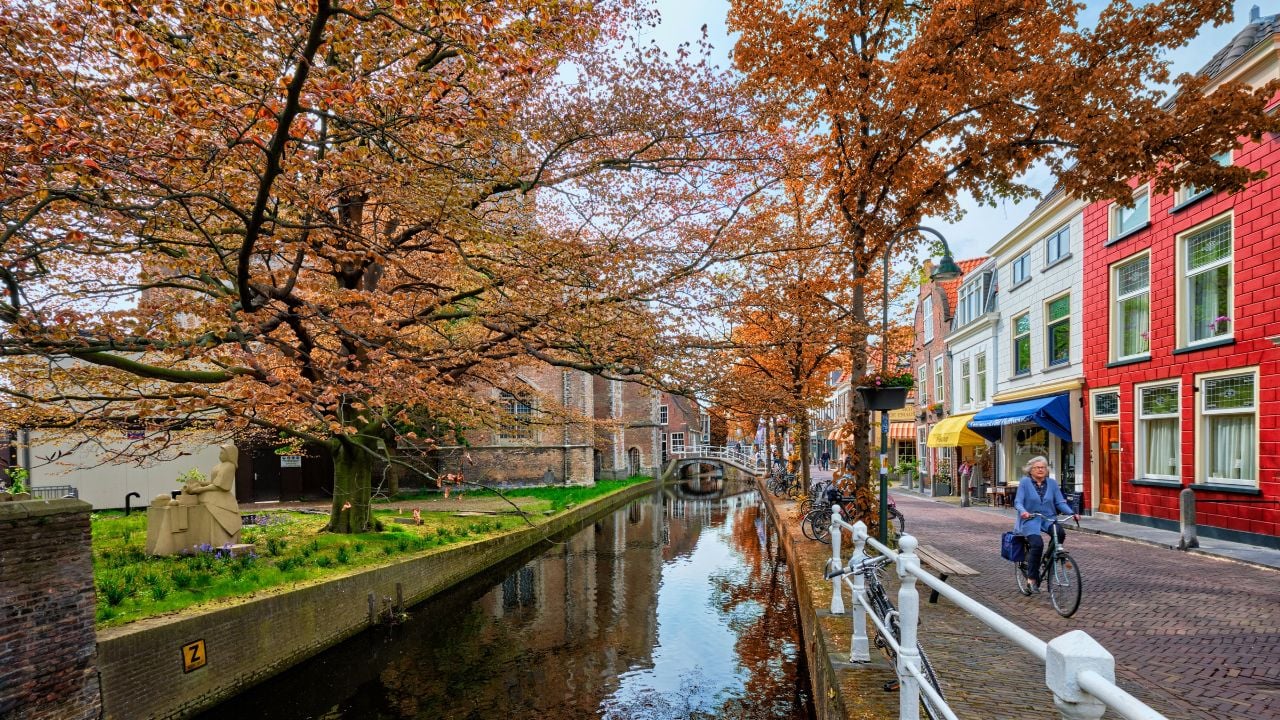
Delft’s historic streets are stitched together by canals and small bridges that keep the scenery intimate. The Oude Delft is widely cited as the city’s oldest canal, and the surrounding area is made for slow wandering. Expect calm water, elegant façades, and details that reward anyone who looks up.
Pair a canal-side stroll with time in the central square, then step into a ceramics workshop or museum for a change of pace. Photographs tend to pop here even on grey days because the architecture does the heavy lifting. Late afternoon light along the water often feels almost cinematic.
5. Haarlem
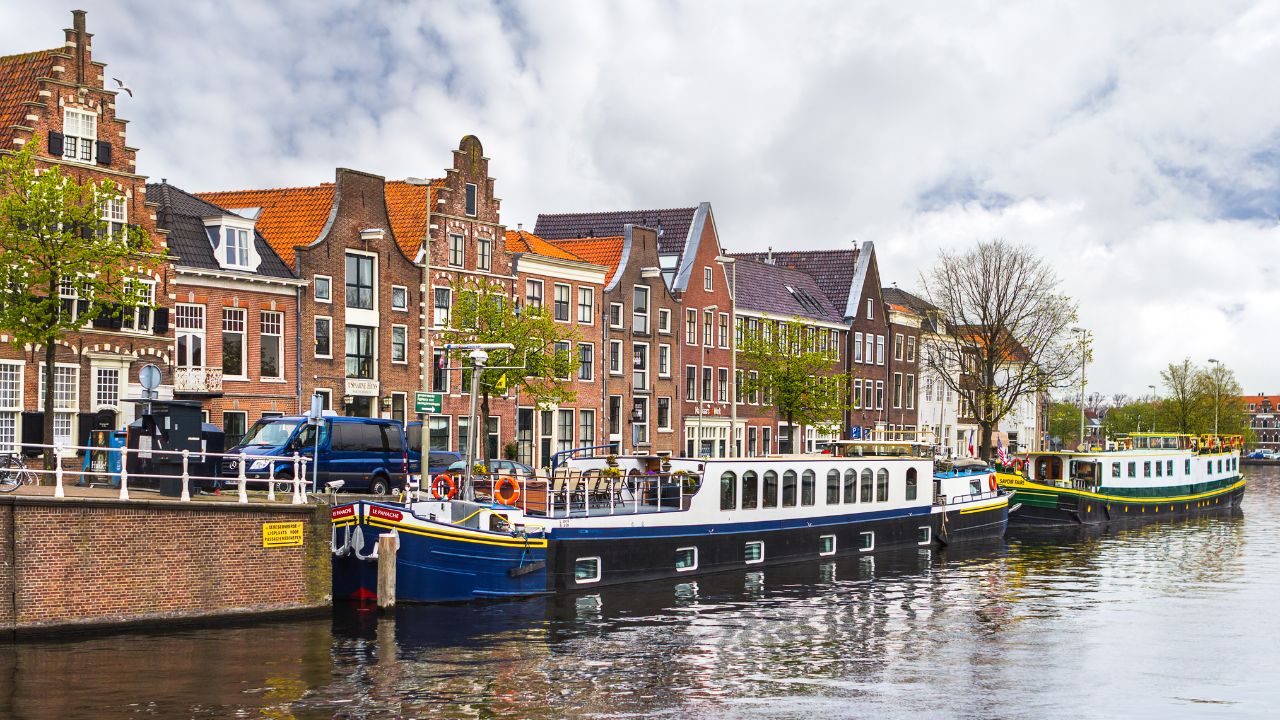
Haarlem is close to Amsterdam, yet it keeps a more relaxed rhythm, especially around the canals and the Spaarne. The historic center is easy to navigate, and boat-friendly routes let you see the city from a gentle angle. Streets near the water fill with terraces when the weather cooperates.
Begin with a walk, then switch to a short ride on the water for fresh perspectives. Moorings, bridges, and classic façades show up in quick succession, so scenery never feels repetitive. When you finish, the compact core makes it easy to end the day with dinner nearby.
6. Gouda
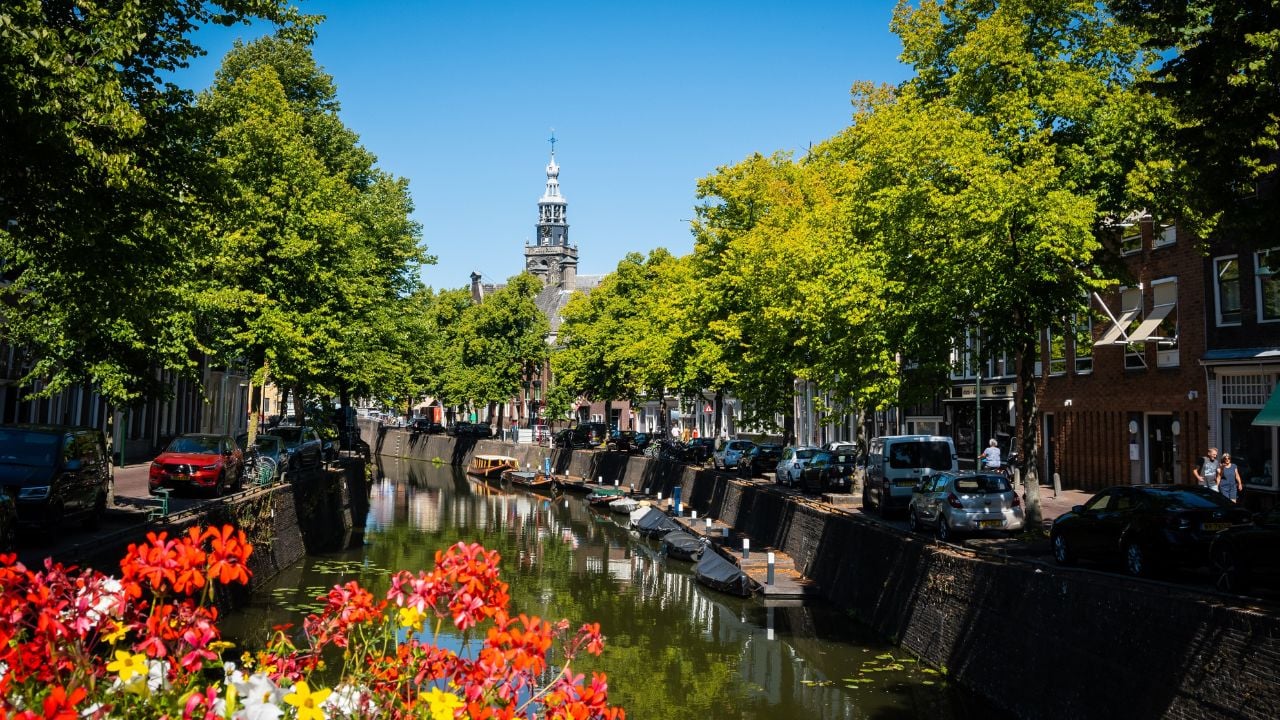
Gouda’s old center is shaped by a web of canals, bridges, and sluices that give the town a surprisingly watery character. Local tourism even encourages exploring by stand-up paddleboard or canoe, which tells you how integrated the waterways are. Between the water routes, you’ll find historic architecture and a warm, lived-in feel.
Walk the lanes until you reach a canal edge, then follow it like a trail. Small details matter here: restored bridges, tucked-away corners, and quiet stretches where the town seems to pause. If you want a cozy afternoon, pick one café, order something sweet, and watch the ripples do their thing.
7. Alkmaar
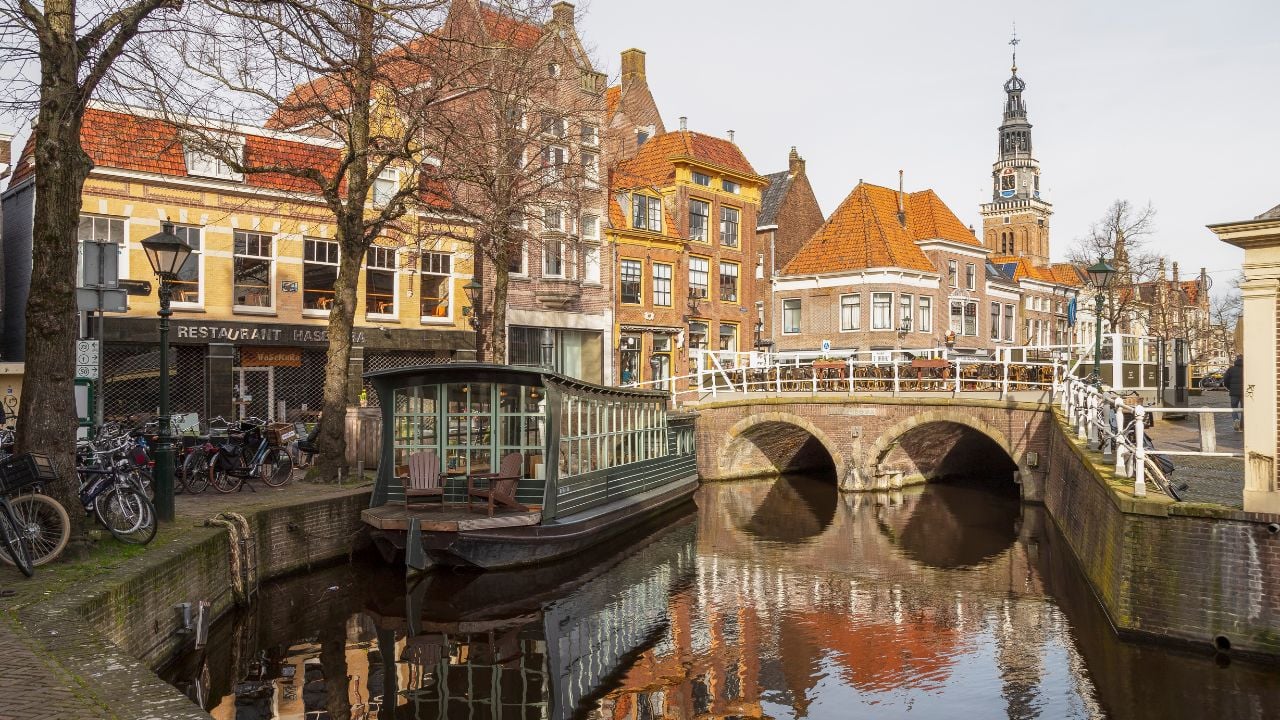
Alkmaar mixes postcard canals with an easygoing city center that rewards wandering. Local guides point out multiple canal streets and describe the waterways as “like a painting,” which is not an exaggeration once you see them in person. This is also where the famous cheese market takes place on Waagplein, adding classic Dutch pageantry in season.
Start with a loop beside the canals, then detour into courtyards and side lanes to break up the route. A short boat ride is an easy upgrade if you want to rest your feet while still sightseeing. Finish with a slow meal near the center, because everything is close enough to keep the mood calm.
8. ’s-Hertogenbosch
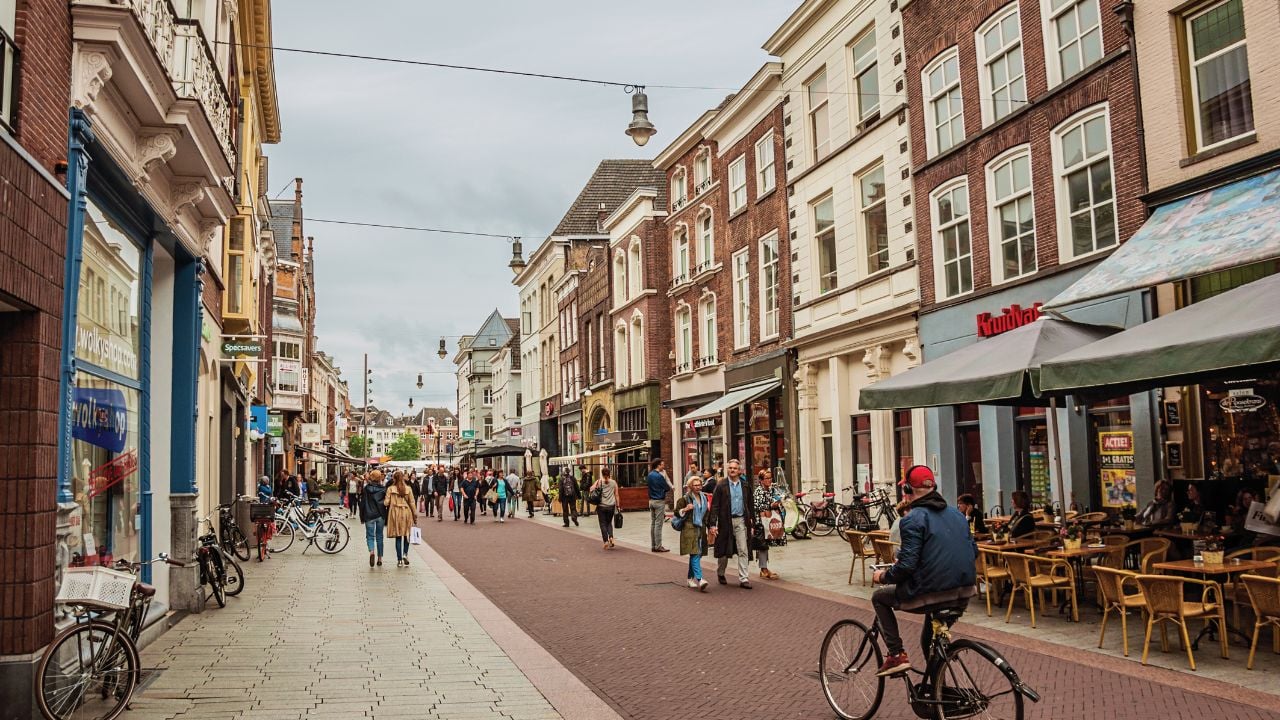
Known locally as Den Bosch, this city hides a watery secret in the Binnendieze, a network of waterways that can be explored by guided boat tour. Seeing the old center from below street level adds a surprising, almost medieval feel. The effect is part history lesson, part cozy adventure.
On foot, the city is compact and full of small discoveries, from lanes to tucked-away courtyards. Save the boat ride for when you want something different from a standard walk. When you surface again, a warm drink in the old center feels especially earned.
9. Dordrecht
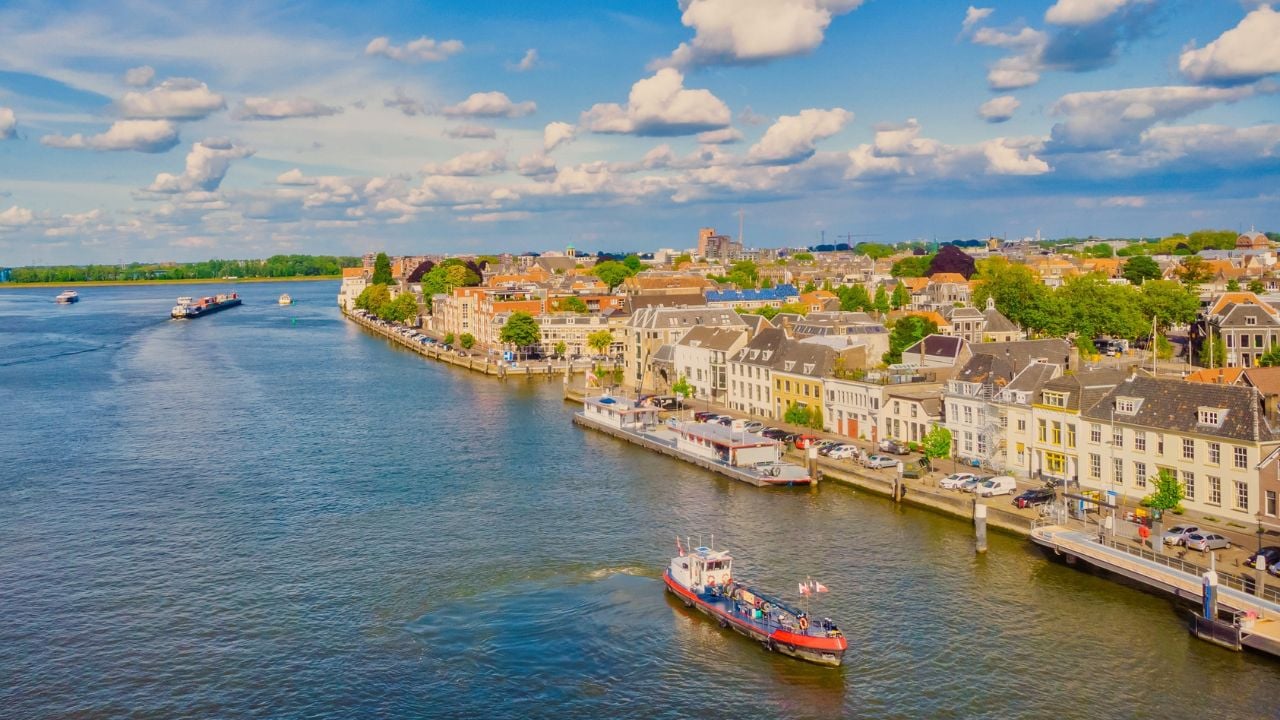
Dordrecht leans into its relationship with water, and local tourism suggests discovering it by cruising through the harbors. The city sits on an island and has a historic core packed with monuments, which gives the waterfront a layered look. Harbors and old warehouses create a classic Dutch backdrop without the crush of bigger cities.
Choose a short cruise, then explore on foot afterward to catch the alleyways and details you missed from the water. A café terrace near the harbor is a solid way to end the day, especially when boats drift by slowly. This place suits travelers who want atmosphere with breathing room.
10. Groningen
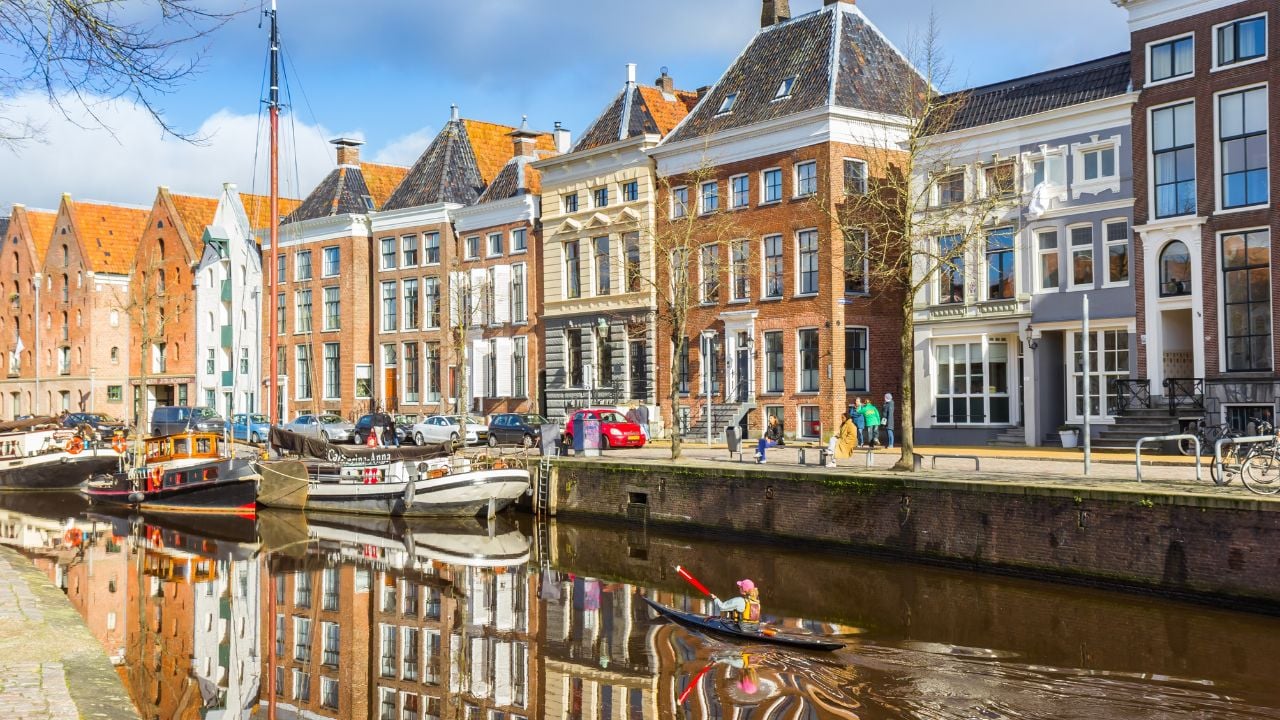
Groningen’s waterways form a satisfying loop around the center, and local guides highlight boat trips as a great way to see city gems from a fresh angle. The mood feels youthful thanks to the university energy, yet the water route keeps everything mellow. Bridges, houseboats, and canal-side views arrive in steady rhythm.
Begin with a short walk around the inner ring, then switch to a boat or rental to let the city come to you. On the water, time stretches, which is exactly the point of a pretty canal break. Afterward, the compact center makes dinner plans simple.
11. Breda
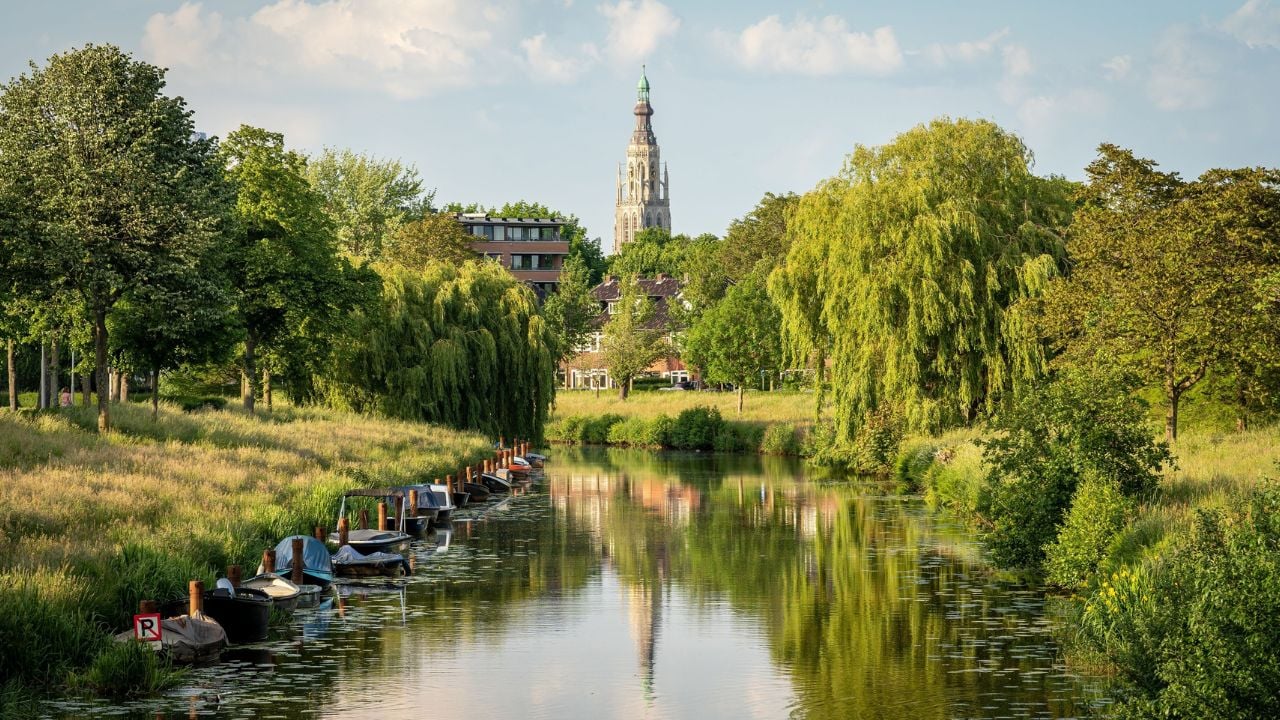
Breda offers scenic canal cruising around the singels, giving you a relaxed way to view the city’s edges and historic outlines. It feels different from the canal-heavy classics, with more greenery and a softer pace. The center stays welcoming, with terraces that make lingering feel natural.
Start with a cruise to get your bearings, then spend the rest of the day drifting through the old streets. A quick museum stop or a long lunch fits easily into the rhythm. By evening, the city’s calm confidence becomes the main attraction.
12. Enkhuizen
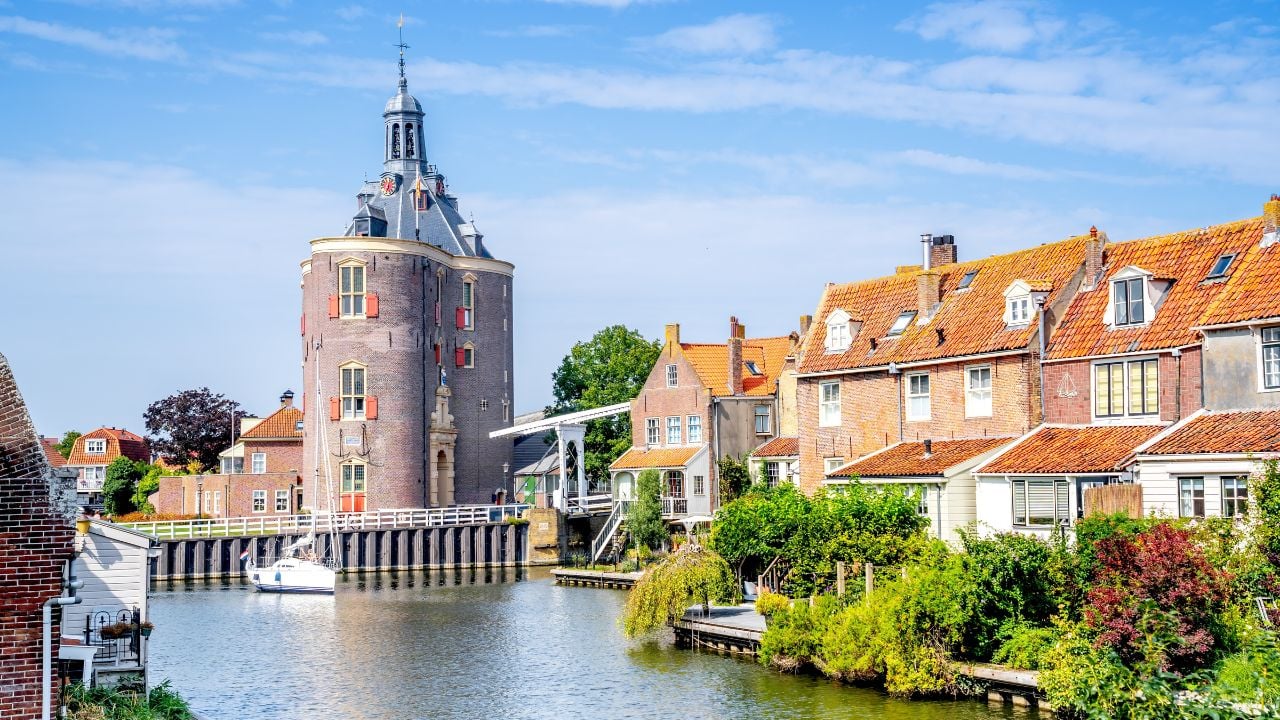
Enkhuizen delivers a strong old-world look, and local sources describe a ring of canals that lets you cruise past the oldest parts of town. Much of that route follows the line of former fortifications, so the waterway doubles as a history outline. Add the harbor atmosphere, and it becomes a satisfying stop for anyone who likes maritime vibes.
Combine a short canal route with a visit to the Zuiderzee Museum to connect the scenery to real stories of life around the former Zuiderzee. Walking here feels easy because the historic core is compact and visually rich. When the light turns soft, the whole town seems to glow.