

Tesla has taken yet another bold step in reshaping its advanced driver-assistance offerings that signals a shift in both technology and pricing strategy. According to a social media post by Tesla analyst Sawyer Merritt, the company has officially discontinued Autopilot in the U.S. and Canada.
All new Tesla purchases now include Traffic-Aware Cruise Control as standard, while buyers can opt for the $99 per month Full Self-Driving subscription. Tesla continues to allow a one-time purchase of FSD for $8,000 until February 14, and new owners still receive a 30-day free trial of supervised FSD.
The announcement drew further attention when Elon Musk reposted Merritt’s update with a significant caveat. Musk noted that the $99 per month supervised FSD subscription will increase as the software’s capabilities improve. He highlighted a massive value jump for unsupervised FSD, describing a future where drivers could theoretically be on their phones or asleep while the vehicle navigates entirely on its own.
A Pattern of Unfulfilled Promises
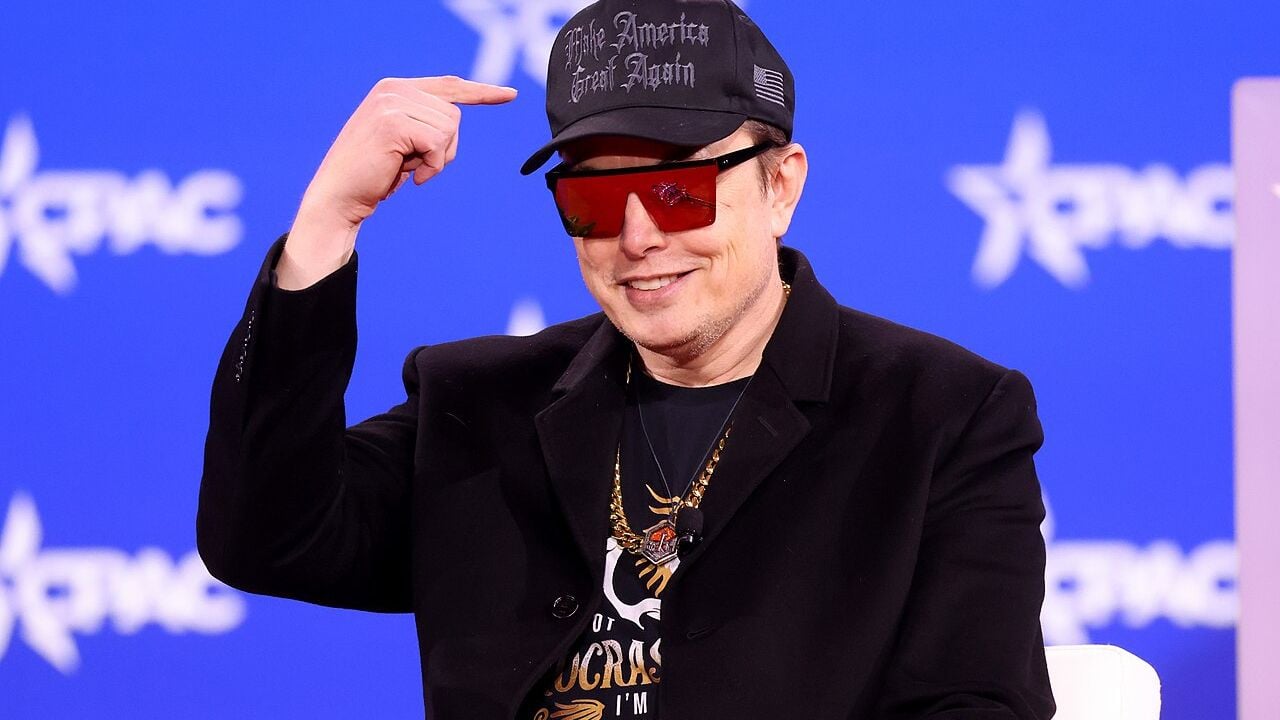
The thing is, the industry is increasingly wary of Musk’s bold promises that never seem to come to fruition, from Level 5 autonomy to affordable EVs to robotaxis and the long-awaited next-gen Roadster. And even more recently, StarTrek-like spaceships that would ferry people to space and back as routinely as it is done in the movie.
Musk claimed Teslas would achieve Level 5 autonomy (no human intervention) by 2020, but as of 2026, Tesla’s FSD remains in beta testing, requiring driver supervision. Regulators have not approved it as fully autonomous.
Musk announced a low-cost Tesla EV around $25,000, expected by 2023. In the end, what did we get? The model was postponed, targeted for 2025. It’s 2026 and no prototype has been publicly released yet.
Musk said Tesla would launch a fleet of autonomous robotaxis by 2020. It’s 2026, and no Cybercabs, and Musk is still butting heads with Waymo leadership over who has the superior technology. Tesla’s robotaxi project has been repeatedly delayed, with current expectations pushed to 2026.
Even the Cybertruck’s production was originally slated for 2021, but manufacturing only began in late 2023, with limited deliveries. Musk unveiled the new Roadster in 2017, promising delivery by 2020. The car has been delayed multiple times, although Musk wants us to know safety isn’t the unborn Roadster’s priority.
The “Next Year” Promise and its Cost
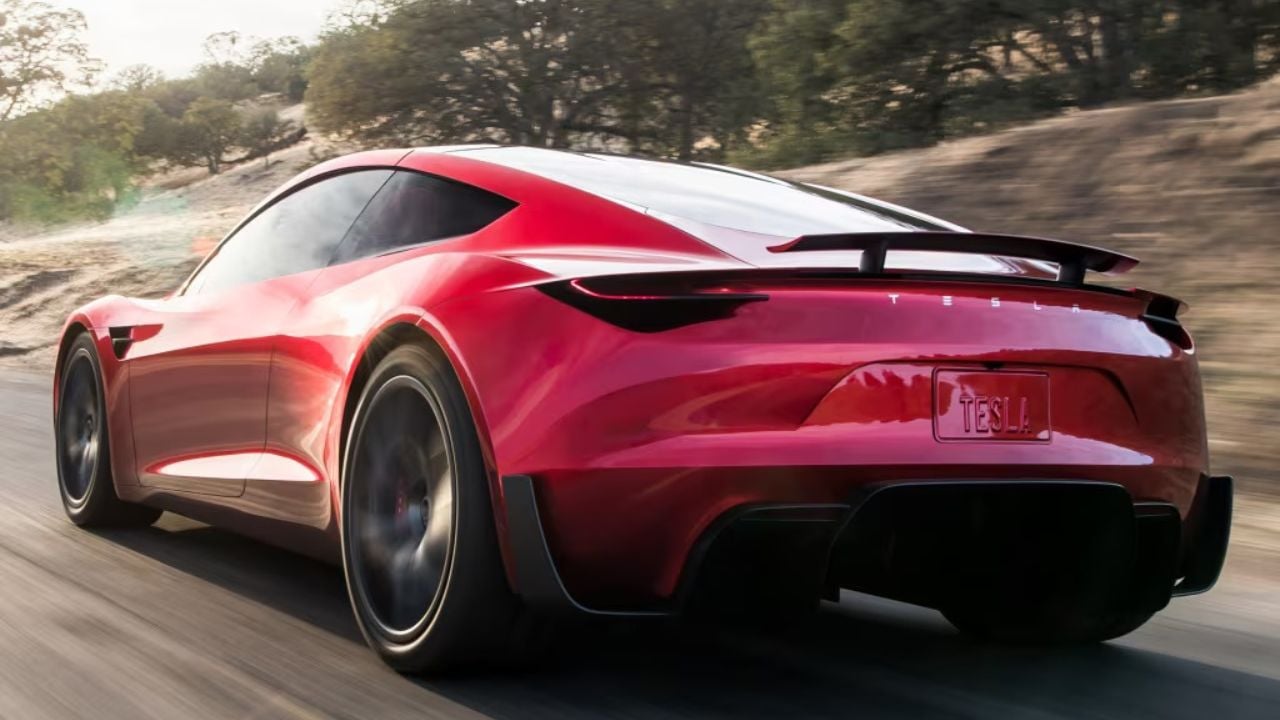
“Next year” and “by the end of the year” seems to be Musk’s favorite phrases when announcing timelines, creating a cycle of anticipation and delay. Granted, Tesla has achieved groundbreaking success in EV adoption and battery technology, but its track record of missed deadlines is well documented.
For this reason, it’s safe to assume that Elon Musk’s repeated assurances of imminent Level‑5 autonomy serve less as credible engineering forecasts and more as a strategic lever to sustain demand for Tesla’s costly Full Self‑Driving (FSD) package.
History shows a clear pattern: the Roadster promised for 2020, the $25,000 Tesla slated for 2023, robotaxis by 2020, and true autonomy by 2020—all delayed or unrealized.
This track record demonstrates that Musk’s timelines consistently collapse under the weight of technical and regulatory realities. Yet, by perpetually dangling the vision of driverless capability “just around the corner,” Tesla incentivizes customers to pay thousands for FSD today, believing they are buying into a future that may never materialize.
The likelihood of near‑term Level‑5 autonomy is vanishingly small, given the complexity of edge‑case driving and regulatory hurdles. One can confidently conclude that the FSD functions less as a deliverable product roadmap and more as a revenue‑generating promise, exploiting optimism while deferring accountability.
A New Era of Dynamic Software Pricing

That said, industry observers see Musk’s assertion that the FSD subscription will increase as the software’s capabilities improve as a signal that Tesla is moving toward a dynamic pricing model for its autonomous software. By linking subscription costs to capability, the company is effectively creating a tiered roadmap for FSD adoption.
Customers who want basic assisted driving may continue with supervised features at current rates, while those seeking full autonomy may pay more as the software approaches what Musk calls unsupervised operation. This represents a fundamental departure from the fixed-price model traditionally associated with vehicle add-ons.
The implications for consumers are multifaceted. On one hand, the subscription model lowers the upfront barrier to accessing FSD, making advanced features more financially attainable for a broader audience. Tesla owners can test the software and upgrade incrementally as improvements roll out.
I should also mention that the $99/month for supervised FSD will rise as FSD’s capabilities improve.
The massive value jump is when you can be on your phone or sleeping for the entire ride (unsupervised FSD). https://t.co/YDKhXN3aaG
— Elon Musk (@elonmusk) January 23, 2026
On the other hand, Musk’s warning of rising costs introduces uncertainty. Buyers may face higher fees as new software versions unlock “unsupervised” driving, prompting questions about long-term affordability and value.
From a business perspective, incremental pricing could generate a steady revenue stream for Tesla while theoretically aligning financial incentives with technological progress. Unlike traditional car features, which are static once purchased, software-based autonomy evolves continuously.
Tying subscription fees to capability allows Tesla to monetize upgrades in real time and maintain profitability as FSD matures. This approach also enables the company to invest further in software development without relying solely on vehicle sales.