

An incident that underscores both the promise and the growing pains of EV (electric vehicle) ownership just played out on camera. A Tesla driver’s routine stop at a public charging station turned into a frustrating episode, and the moment was immortalized on vehicle security cameras.
The story, first shared by the owner on the Reddit forum r/TeslaModelY, quickly spread through EV and automotive circles, lighting debates over charging-station security, equipment vulnerability, and even the readiness of public infrastructure for mass EV adoption.
We recently reported an emerging trend of EV charger thefts, targeted for their copper, and costing charging stations hundreds of thousands of dollars in replacement costs.
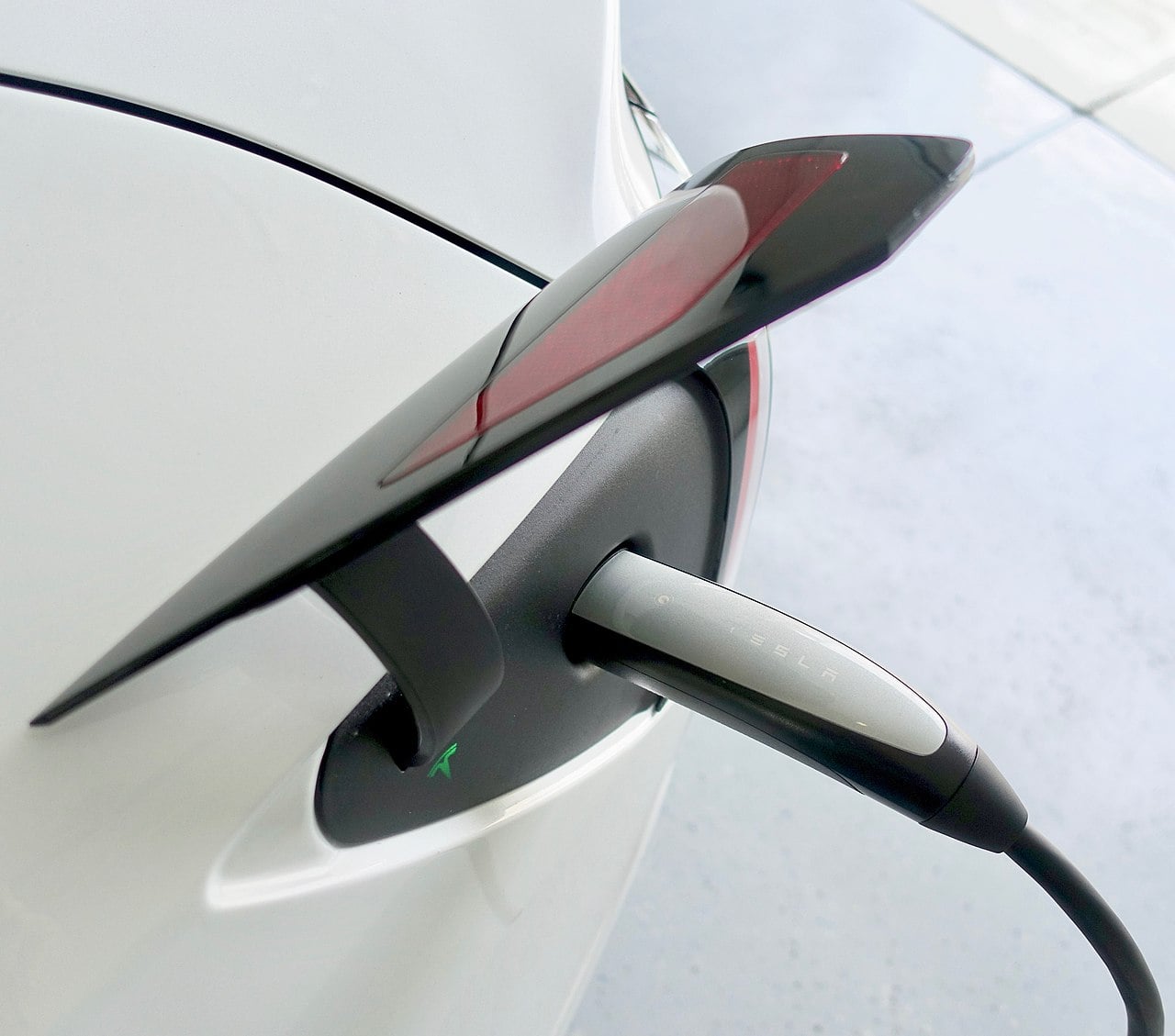
In this story, the owner reported plugging in at a public charger and stepping away for roughly 30 minutes — only to return and find that a critical charging accessory had been stolen. The item taken was a J1772 adapter, an essential piece of hardware that allows Tesla drivers to connect to non-Tesla charging stations.
Beyond the theft itself, what made this more than just a petty theft story was how the incident was captured. The Tesla’s built-in surveillance, a combination of Sentry Mode and external cameras designed to protect the vehicle, recorded the interaction.
And that’s how the owner and others in the EV community could see exactly what happened. The video showed a woman approaching the car and removing the adapter — an act that, until now, many drivers assumed would be deterred by Tesla’s lock-in features that secure charging ports.
In follow-up comments, the Tesla owner explained that they were unaware the locking feature had not been enabled. Unfortunately, that small oversight came with significant consequence. After sharing the footage, the owner managed to locate and recover the adapter, and plans to enable the lock feature on future visits.
A Microcosm of Larger Challenges
Not merely a quirky footnote in the life of a Tesla owner, this story reflects broader stresses in the rapidly evolving EV ecosystem.

A sustained EV proliferation will sustain increasing demand for public charging infrastructure. Early adopters often praise the environmental benefits and futuristic tech of EVs, but incidents like this, however seemingly inconsequential, can further undermine confidence in the reliability and security of the charging network. This is especially the case with cautious EV converts still on the fence.
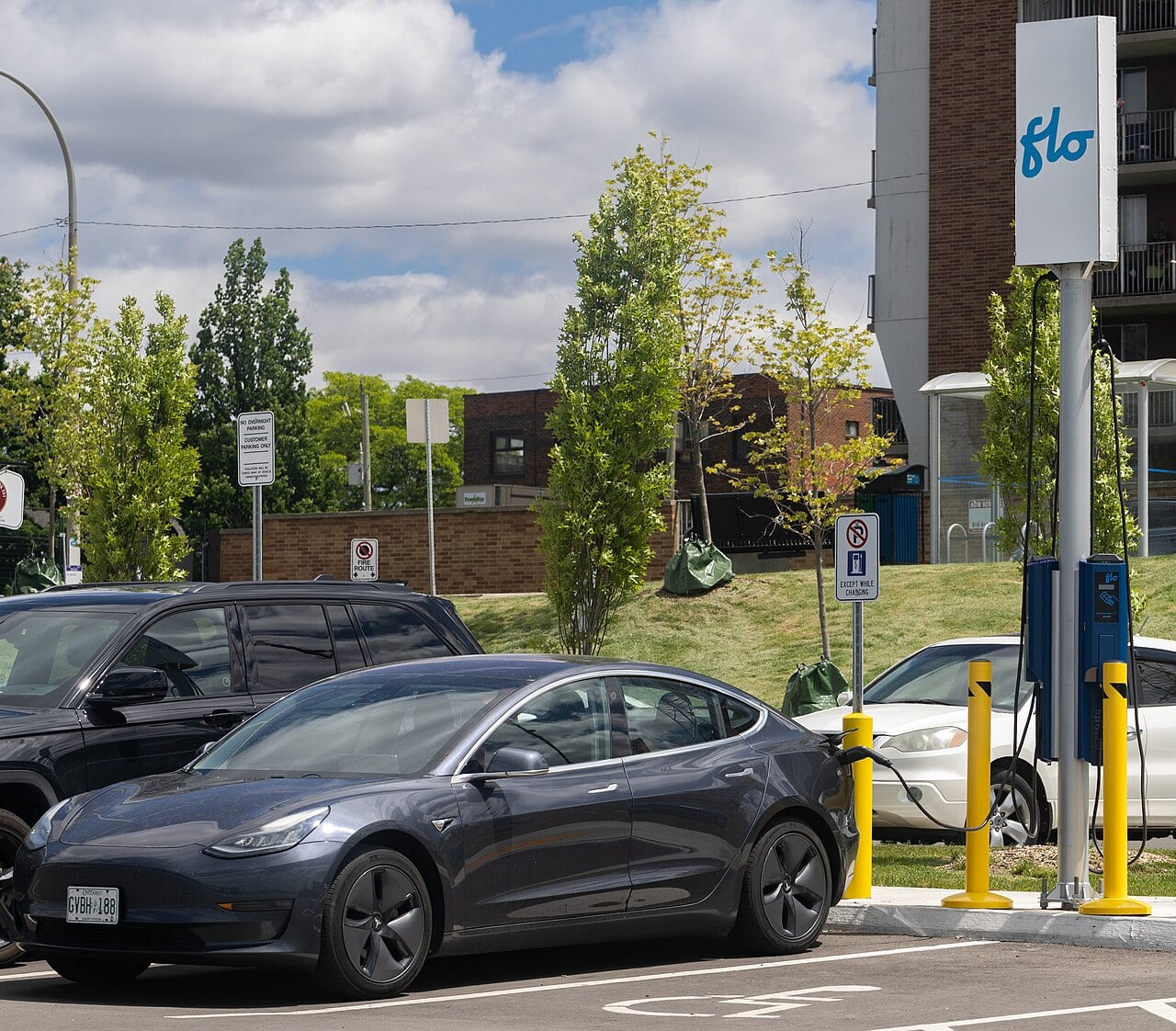
Charging stations, especially those maintained by third-party providers or local councils, are typically unmanned and scattered across public spaces such as shopping centers, highway rest stops, and municipal lots. Unlike a fuel pump at a gas station — where attendants, lighting, and surveillance have evolved over decades — EV chargers are still figuring out the human and security infrastructure needed to go with the hardware.
This gap has proven to make them ripe targets for theft, vandalism, and misuse. It used to be that the main complaint was about EV owners who treat charging stations as car-sitters; now people have to worry about their chargers being targets for thieves.
The Tesla Tech Angle
Teslas are famous for their advanced camera systems and a mode called Sentry Mode, which uses the car’s exterior cameras to monitor and record suspicious activity around the car when left unattended.
Originally designed to combat vandalism and break-ins, Sentry Mode has, over the years, captured everything from graffiti attacks to attempted thefts. It has proven a powerful tool for owners and, in some cases, law enforcement.
Yet this very bounty of data raises questions deeper than whether thieves might target an adapter. As more incidents are recorded and shared online, concerns about privacy, data usage, and surveillance are surfacing in tandem.
Cameras ‘catch’ a thief snatching a charger, and people suddenly remember that Tesla and other automakers amass enormous amounts of footage and sensor data that, while invaluable in cases of vandalism or accident reconstruction, could also be mishandled or misused.
An insurer says they’re cutting prices in half for cars running FSD (Tesla’s full self-driving technology), and we’re wondering what that means for driving data being shared with an insurance provider. That tension has already drawn scrutiny and criticism from privacy advocates.
What This Means for EV Owners
There are several key takeaways for the average Tesla or EV owner:
- Enable all available security features — including charging port locks and Sentry Mode — to deter theft and protect equipment.
- Be aware of the surrounding environment when using public chargers; well-lit, high-traffic areas will always be safer.
- Record and share incidents responsibly — community vigilance helps highlight weaknesses in public infrastructure and encourages operators to step up security.
This episode offers a snapshot of an industry in transition. A growing EV adoption will expose gaps in charging security, public awareness, and infrastructure readiness. It’s normal, and stories like this, amplified by social media and the built-in cameras of the vehicles themselves, help reveal how advanced driver-owned tech has become and how imperfect the human and civic systems around it still are.