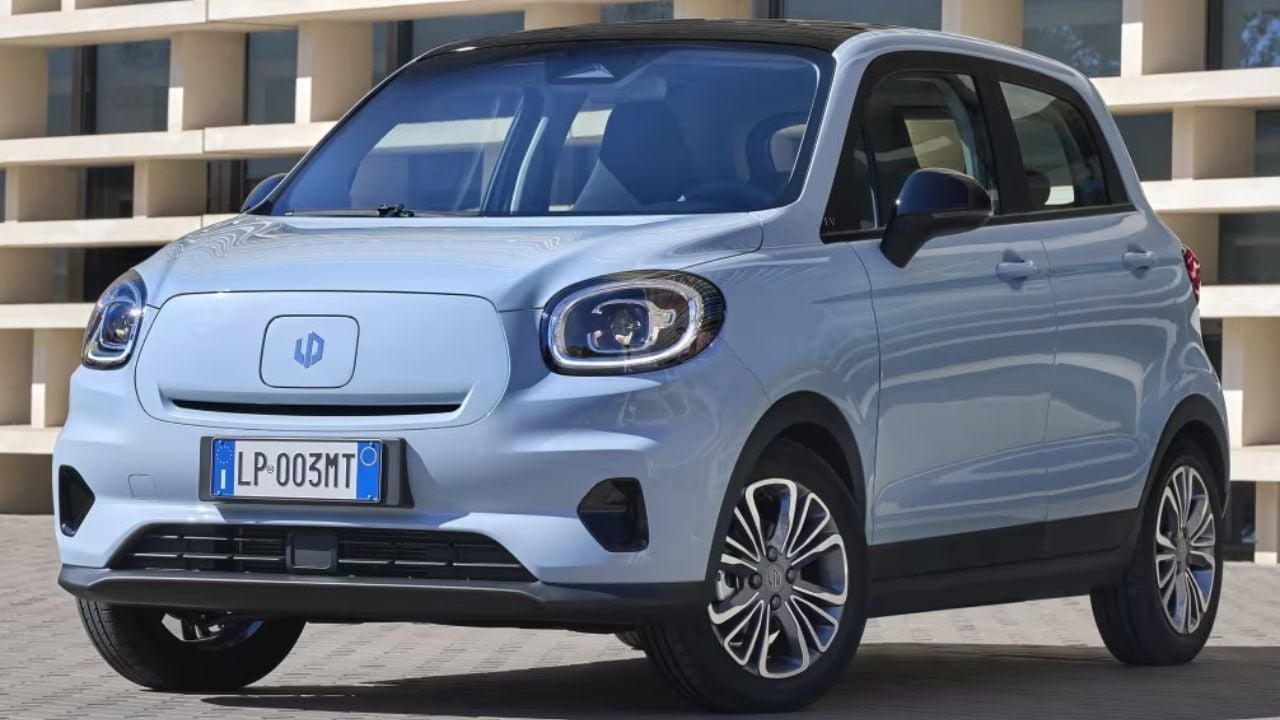
Chinese automakers such as BYD, Geely, and Xiaomi have become serious global players in a very short time.
Their models are appearing more often on European roads, helped by aggressive pricing, generous equipment, and major marketing campaigns. At the same time, the rise of Chinese brands is also creating questions among some car enthusiasts and industry observers about how new models are promoted online.
One growing question is how these cars are being promoted on social media and whether all online reviews are as independent as they appear.
Influencer Reviews Are Under Scrutiny
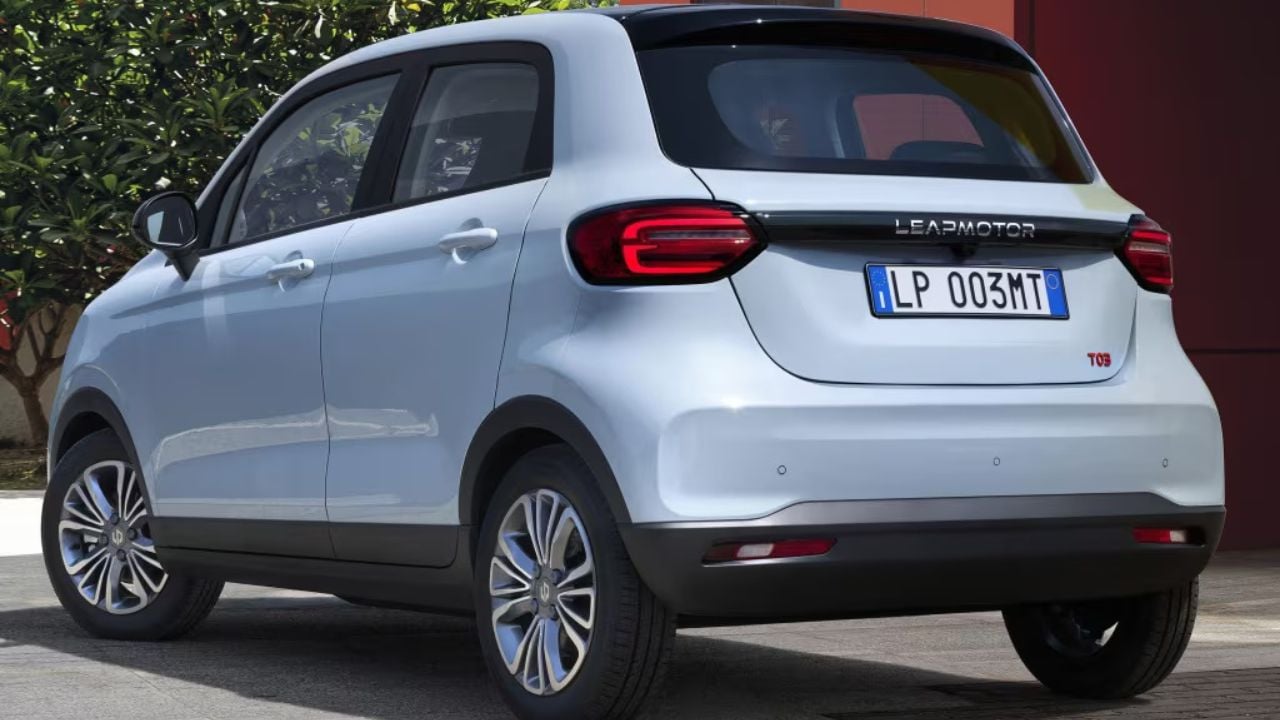
British car enthusiasts Joe Achilles and Peter Greaves recently discussed a subject that has become increasingly controversial in the car world.
Their question was simple: how objective are the car reviews people watch on YouTube, Instagram, and TikTok?
According to their claims, some Chinese automakers and marketing agencies connected to them are offering paid influencer opportunities tied to carefully prepared positive messages about new models.
Traditional car launches have always involved manufacturers inviting journalists and creators to international test drives, covering flights, hotels, and planned routes so first impressions can reach audiences quickly.
Traditional Media Works Differently
Many professional automotive journalists say traditional car launches from European and Japanese brands usually involve travel support and vehicle access, rather than direct payment for favorable reviews.
The concern is different with the new wave of influencers. Many have huge online audiences, but not always deep automotive knowledge or serious testing experience.
Instead of detailed reviews and several days behind the wheel, content often becomes short videos built around attractive shots, large screens, ambient lighting, and fast reactions for the camera.
That format works extremely well on social media, but it can also make it harder for viewers to separate real evaluation from promotion.
Paid Promotion Can Mislead Buyers
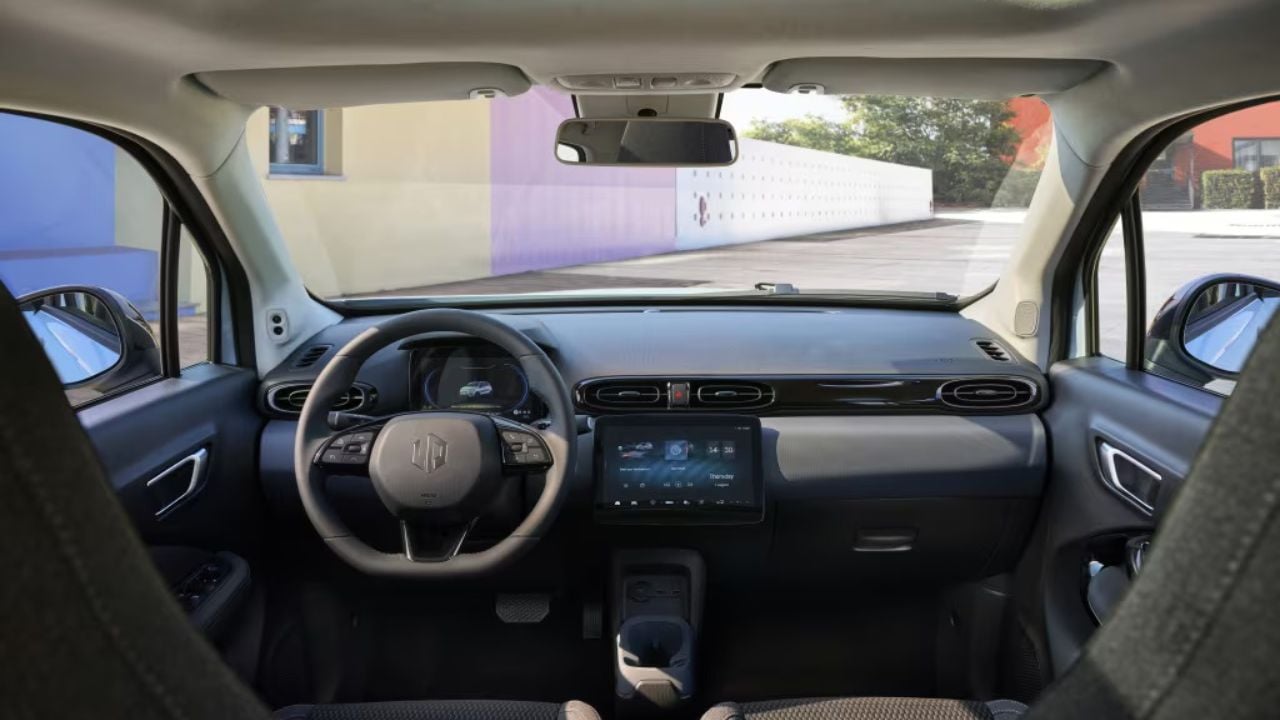
According to Achilles and Greaves, this is where some Chinese manufacturers see a major opportunity.
Greaves said he received an offer from a marketing agency connected with a Chinese car brand. The offer reportedly included direct payment for attending an event and creating content.
He said he refused the cooperation, but the experience showed him how seriously some companies are investing in social media promotion.
One example mentioned is the promotion of the Jaecoo J7, an SUV from a Chery-owned brand. Online, the model quickly gained the nickname “affordable Range Rover,” while Achilles claimed that some influencers were offered large payments to promote that message.
The Bigger Issue Is Transparency
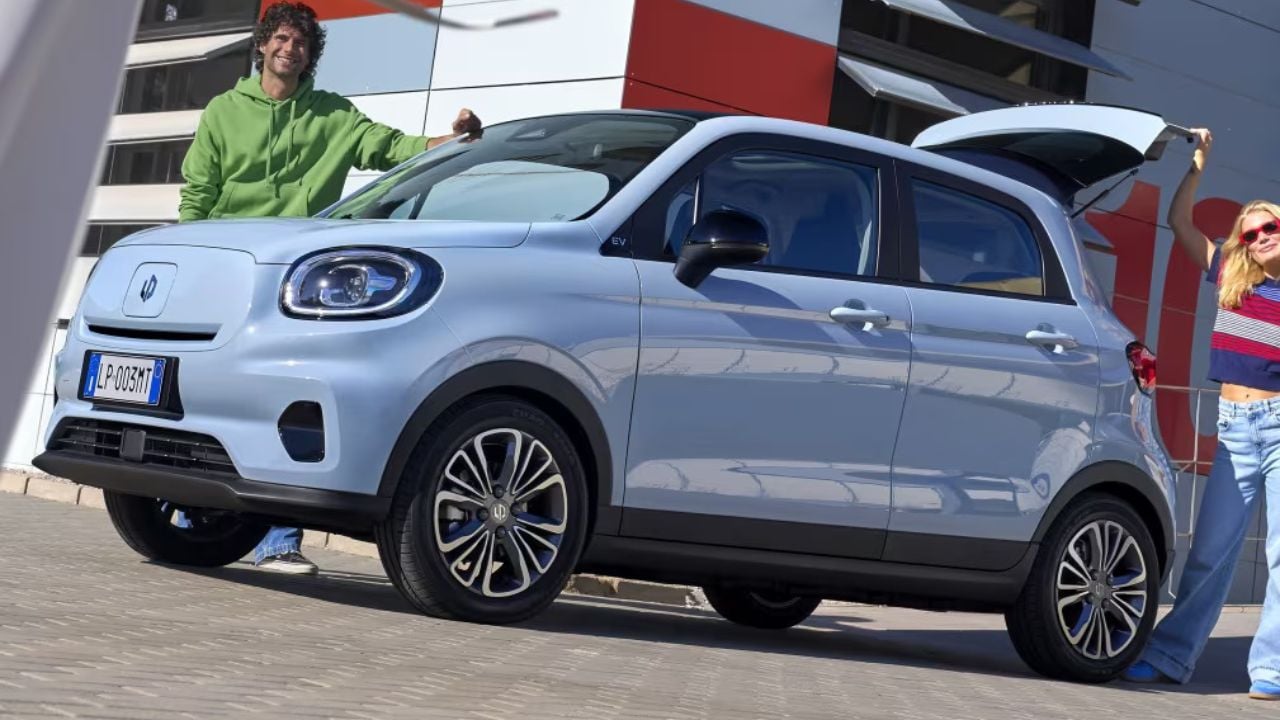
The main problem is not advertising itself. The concern appears when viewers cannot clearly tell whether content is independent or paid for. In that case, people may think they are watching an objective review, even when the video is part of a marketing campaign with prepared talking points.
At the same time, Chinese companies already have serious production advantages. China has major influence across the EV battery supply chain, benefits from lower labor costs, and receives strong industrial support.
That allows brands such as BYD to offer well-equipped electric cars at prices European rivals often struggle to match.
As social media continues to reward short, attractive videos, detailed and independent reviews can have a harder time reaching buyers. The fight is no longer only about who builds the best EV. It is also about who controls the message customers see every day online.
This article originally appeared on Autorepublika.com and has been republished with permission by Guessing Headlights. AI-assisted translation was used, followed by human editing and review.