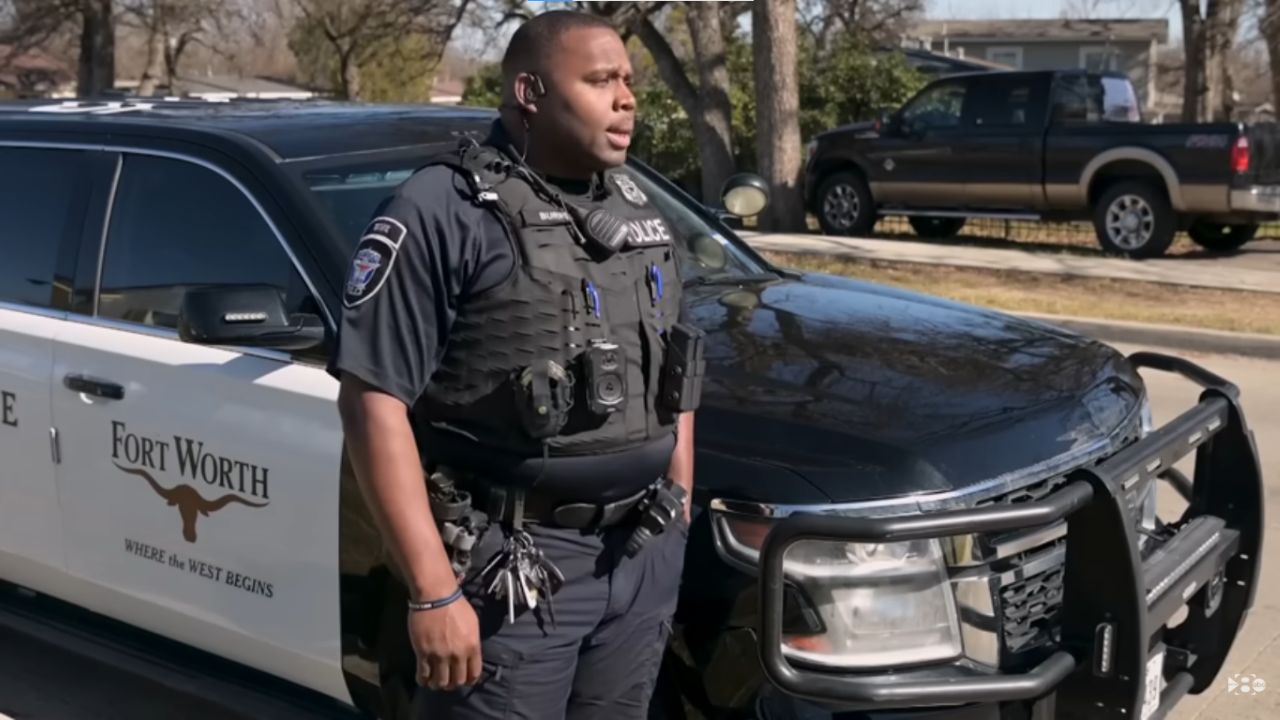

One YouTube comment under a recent North Texas police video shared by Channel 8 says it best:
“The fact it’s resistant on the outside but still lets the officers fire through from inside is crazy technology.”
It sounds impossible and not even I knew ballistic glass could do this. Glass that stops incoming rounds but still allows police to return fire through the same windshield?
That exact technology is credited as the reason a Fort Worth police officer is alive today.
A Traffic Stop Turned into a Shootout
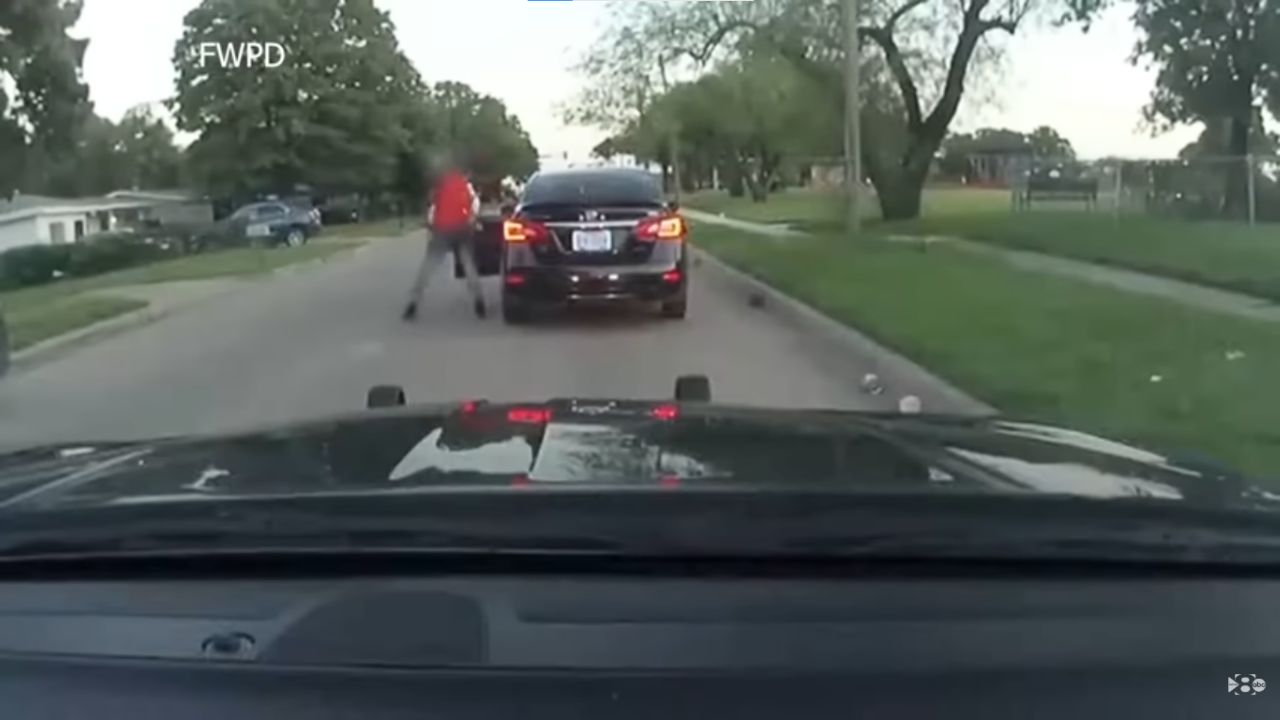
The incident dates back to May 18, 2024. According to police, surveillance cameras captured a 33-year-old suspect, Devaa Thompson, shooting someone before fleeing the scene in a vehicle. The shooting put the entire Fort Worth Police Department on alert.
The next day, Officer Burrell was patrolling the same neighborhood when his patrol car received a license plate alert from a police Flock camera system.
Investigators believed the vehicle belonged to the suspect from the previous day’s shooting.
Officer Burrell initiated a traffic stop.
That’s when everything went wrong.
Dash camera footage shows the driver emerge from his car and opening fire at the police car. Bullets struck the front of the patrol vehicle — including the windshield — sending shards of glass and metal into the officer’s arms.
“I have scars on my arm,” Burrell later said. “From when the glass and the metal hit me.”
But the bullets didn’t go through.
The Glass That Stopped the Bullets
Officer Burrell credits bullet-resistant glass as one of the main reasons he survived the encounter.
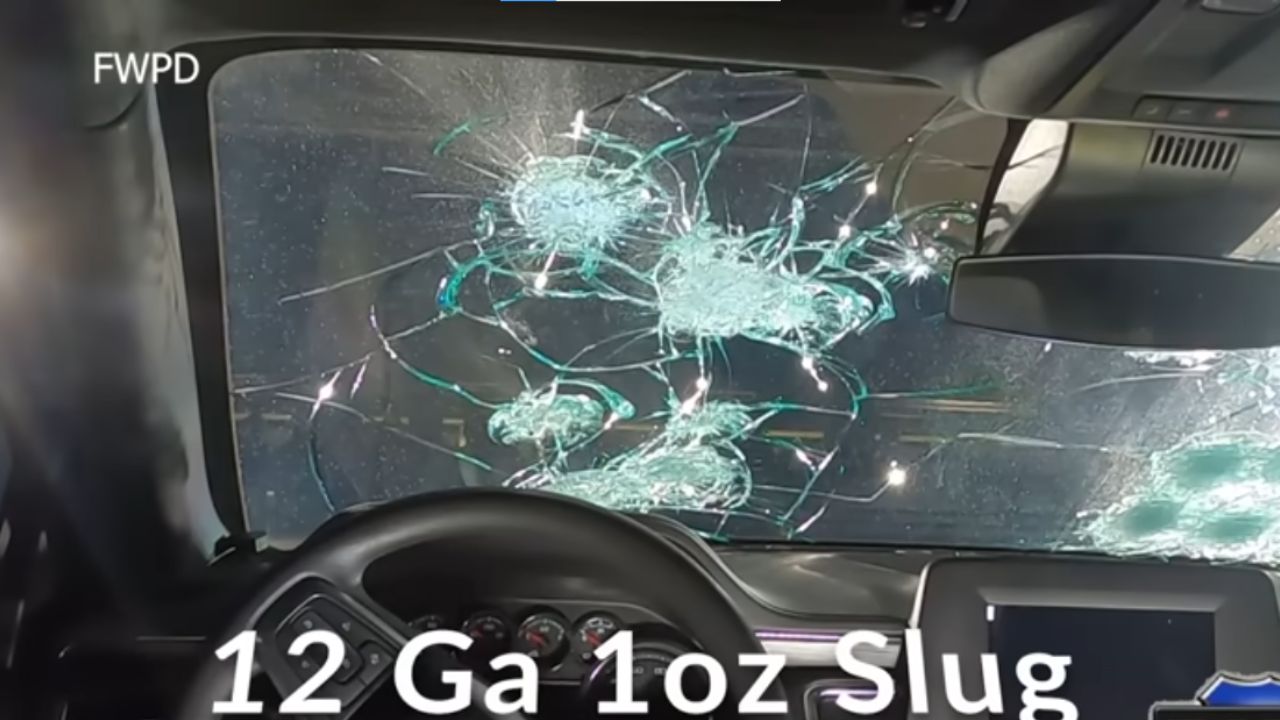
“A few inches and no bulletproof glass,” he said, “I wouldn’t be able to think about any of this.”
Fort Worth Police say the windshield was struck during the shootout but successfully stopped the incoming rounds. The glass absorbed the impact and spider-webbed, but crucially, it did not allow the bullets to penetrate the cabin.
That’s already impressive.
What’s even more surprising is what happened next.
What happened next is about glass that lets officers fire back. During a later demonstration shown in the video, Fort Worth police explained that their specialized ballistic windshields are designed to do something most people don’t expect.
They can block high-caliber ammunition from the outside, while still allowing officers to shoot through the glass from the inside if needed.
In other words, it’s a one-way advantage.
The same windshield was shown being shot repeatedly from the outside, resisting round after round. When fired upon from the inside, however, officer gunfire was able to penetrate the glass and exit the vehicle to stop a threat.
This “return fire” capability is critical in ambush situations, traffic stops, and active shooter scenarios where officers may be trapped inside their vehicles.
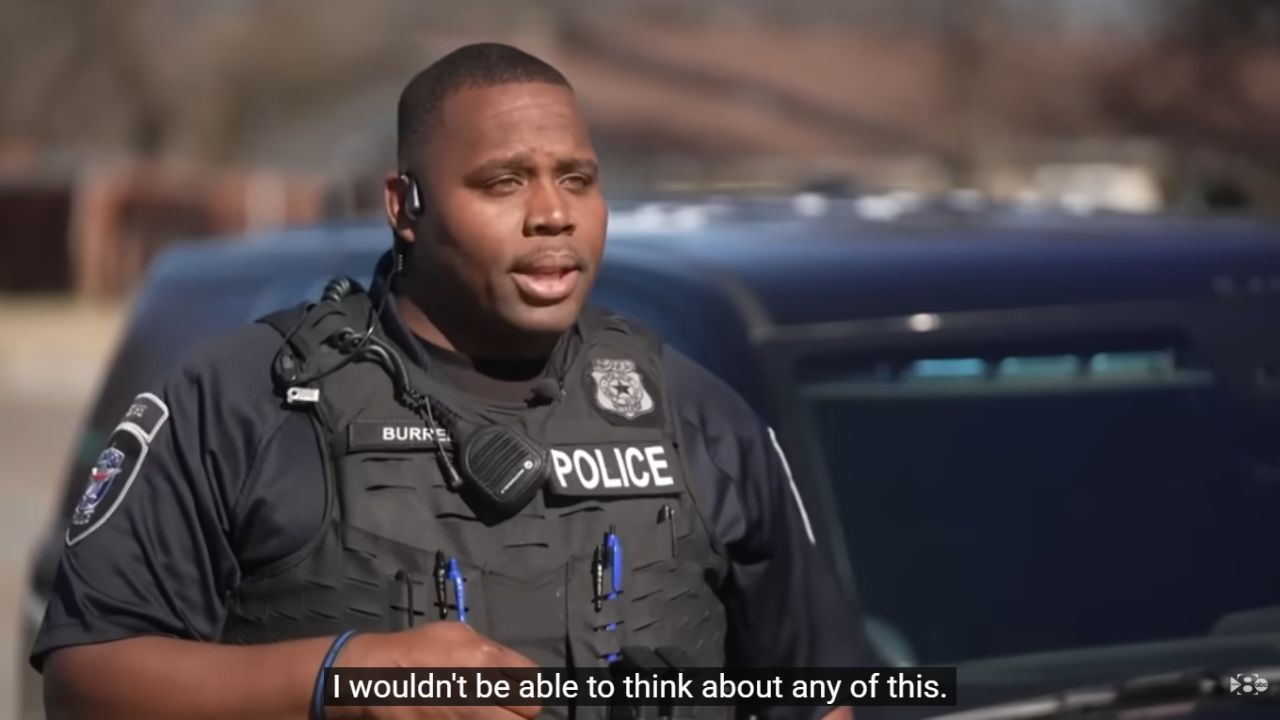
When officers hear “shots fired,” Fort Worth Police Chief Neil Garcia said, “your heart drops.”
That fear, and the reality of how dangerous routine traffic stops can be, is a major reason the department has invested heavily in the technology.
How It Works
The specialized “return fire” ballistic windshields that stop incoming small arms fire but are engineered to let officers shoot outward from inside the vehicle works through one-way transparent armor technology.
The windshield technology works in two distinct ways depending on the direction of fire. On the outside, it is built from layered materials such as glass combined with polycarbonate, which are specifically engineered to resist penetration from small arms fire like 9mm, .40, or .45 caliber rounds. This design has already proven its effectiveness in real-world situations.
On the inside, some advanced versions of these windshields incorporate one‑way transparent armor technology. When a bullet is fired from within the vehicle, it first encounters a soft polycarbonate layer that does not deform the round. Because the bullet maintains its shape, it can pass outward through the windshield.
This allows officers to fire through the glass without shattering it or compromising its protective qualities against outside threats. In effect, the windshield provides both defensive protection against incoming fire and offensive capability for officers to respond without exposing themselves.
Millions Invested in Officer Safety

Fort Worth Police currently have about 100 patrol vehicles and 17 SWAT units equipped with bullet-resistant glass.
In 2025, the department equipped 130 more vehicles, and another 130 vehicles are being outfitted this year.
The program costs roughly $1 million per year, funded through the Crime Control and Prevention District with support from the governor’s office.
Chief Garcia has made his position clear: he wants bullet-resistant glass installed in every police vehicle.
Nearly two years after the shooting, Officer Burrell returned to the same street where it happened.
“It’s really surreal,” he said. “I’m thankful — and thankful for the millions being invested to keep officers safe as they keep the city safe.”
Can You Buy this Kind of Glass?
That’s the question many viewers are now asking. The short answer: yes and no, and it’s not simple or cheap.
Ballistic windshields like the ones used by Fort Worth Police are not standard automotive glass. They are typically made from layered laminated glass and polycarbonate, engineered to meet specific ballistic ratings (often NIJ Level IIIA or higher).
These systems are usually:
- Custom-fit to specific vehicles
- Significantly heavier than standard glass
- Extremely expensive, often costing thousands of dollars per window
Some armored vehicle companies do offer civilian installations for high-risk individuals, executives, diplomats, or private security clients. However, these upgrades often require suspension modifications, reinforced door frames, and specialized installation.
This isn’t something you can order off Amazon or add at a local tint shop.
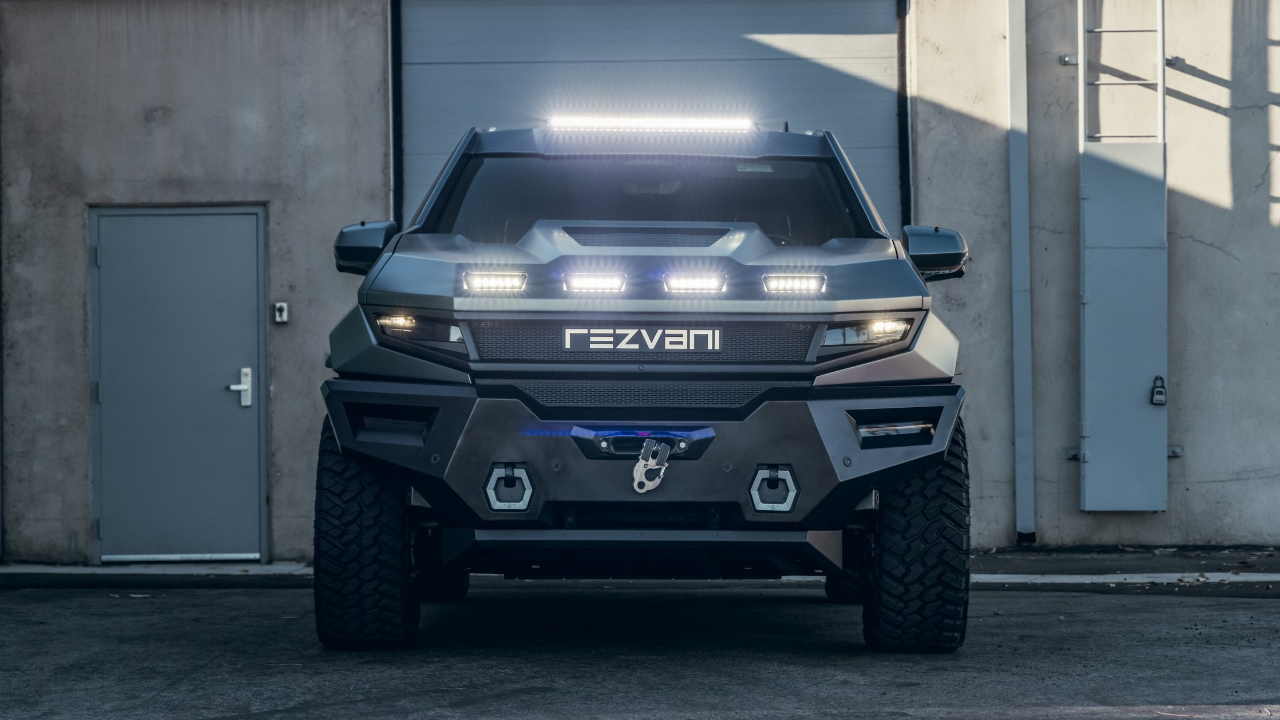
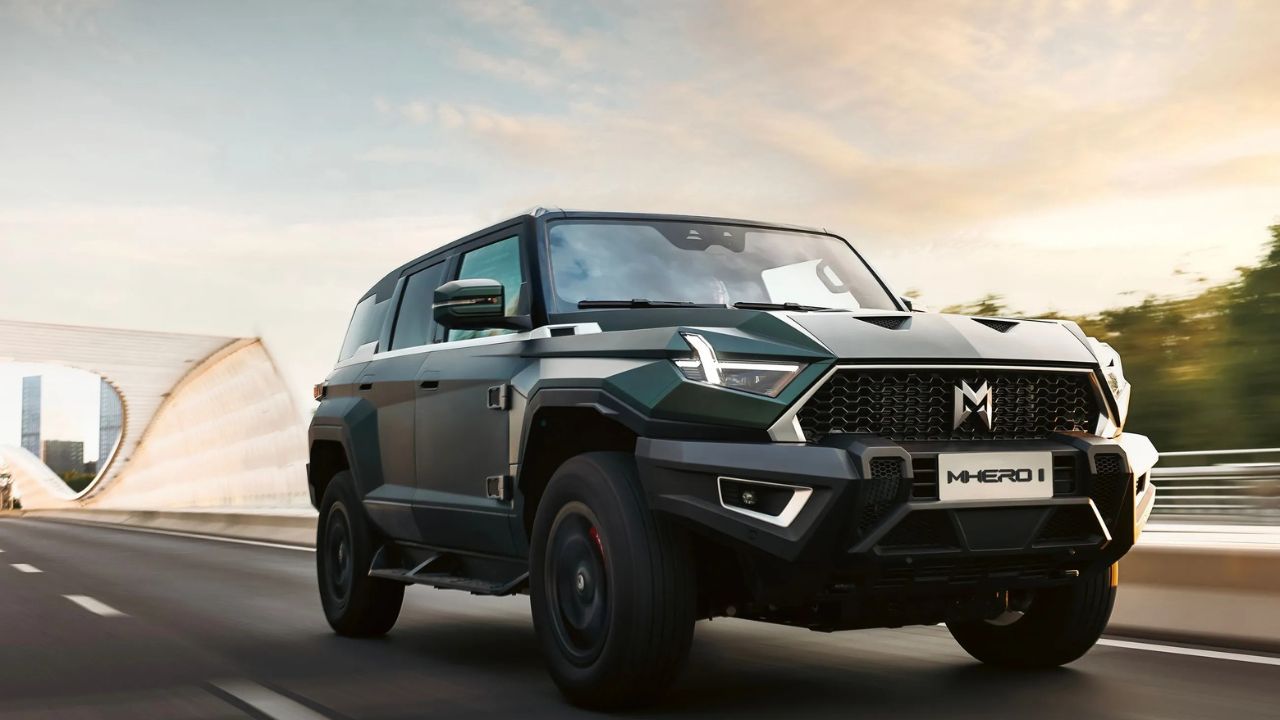
For everyday drivers, the technology remains largely out of reach — but its presence in police vehicles shows how far automotive safety engineering has come. See our story about the formidable Rezvani Tank military-inspired SUV and the significantly cheaper, Chinese-made M-Hero 1.
These specialized windshields are restricted because they are classified as tactical equipment intended only for law enforcement and military use. Their design serves a very specific purpose: protecting officers in ambush situations while still allowing them to fire outward through the glass.
Because of this dual function, they understandably fall under strict regulatory controls. One‑way ballistic glass is therefore considered a controlled technology, and civilian sales are prohibited due to concerns about safety, liability, and the potential for misuse.
For civilians, the available options are limited to conventional bullet‑resistant glass. This type of glass, often used in armored cars, banks, or private security vehicles, is designed to stop bullets from both directions. It provides protection but does not allow anyone inside the vehicle to shoot outward through it.
Civilian armored glass typically comes in laminated form, made from multiple layers of glass and polycarbonate. Companies such as INKAS, Armormax, and Alpine Armoring offer vehicle packages that incorporate this technology, with protection levels usually rated against handgun calibers and, in some cases, rifle rounds depending on the thickness.
What is not available to civilians are the one‑way transparent armor systems—the “return fire” windshields—or any military‑grade transparent armor that combines defensive and offensive capability.
A Reminder of How Dangerous Traffic Stops Can Be
This incident is another reminder that a routine traffic stop can become life-threatening in seconds.
In this case, a few inches of advanced glass technology stood between an officer and a fatal outcome.
And that YouTube commenter was right.
Glass that stops bullets and lets officers fire back really is crazy technology — and for one North Texas officer, it made all the difference.
Sources: Dana Safety Supply