

In the aftermath of the deadly Brown University shooting that shook Providence, Rhode Island, and the related killing of a Massachusetts Institute of Technology professor, law enforcement’s use of automated license-plate recognition technology has become a flashpoint in a heated debate about surveillance, privacy and public safety. Authorities say controversial systems were central to identifying the suspect’s vehicle and tracing his movements, but civil liberties advocates warn about unchecked data access and broader uses of the technology.
How a Rental Car Became the Key to Identifying the Suspect

On Saturday afternoon, December 13, a man later identified as 48-year-old Portuguese national Claudio Manuel Neves Valente entered the Barus & Holley Engineering building at Brown University and opened fire during an economics study session. The attack left two students dead — Ella Cook, 19, and Mukhammad Aziz Umurzokov, 18 — and nine others wounded.
Unfortunately, the campus tragedy rapidly expanded into a regional crisis. Two days after the Brown shooting, MIT physics professor Nuno Loureiro, aged 47 and a noted researcher in nuclear science and plasma physics, was found shot dead at his home in Brookline, Massachusetts. Authorities later determined his death was linked to the same suspect.
As investigators sought to unravel a motive and track the suspect during a multi-day manhunt across New England, the rental car believed to be used in both shootings became a crucial lead.
Images of that vehicle (a gray Nissan Sentra with Florida plates) captured by Flock Safety’s automatic license plate reader (ALPR) cameras were entered into law enforcement databases. Investigators in Providence and neighboring jurisdictions then traced the vehicle’s movements, ultimately tying it to a rental contract in Boston and helping federal agents identify Neves Valente.
The license plate reader image at the center of the reporting came from this system and shows the suspect’s rental car on a Providence street near the Brown campus shortly before the shooting. Law enforcement officials have described the photo as an important piece of investigative evidence and credited it with narrowing the focus of the search.
Crime-Fighting Technology or Mass Surveillance Tool
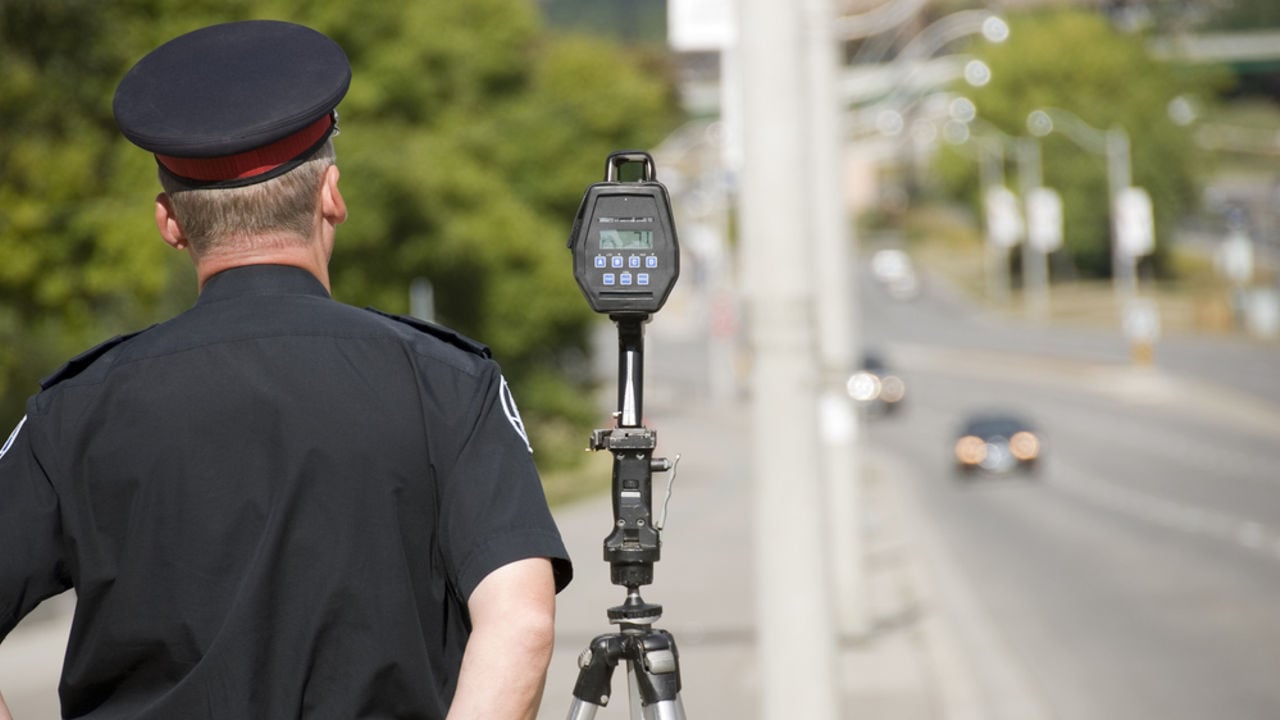
The system that produced that image has itself been contentious. Flock Safety, a private company whose cloud-linked cameras and plate readers operate in dozens of communities, has touted the technology’s ability to help police identify vehicles linked to criminal acts across jurisdictions.
But the company has also been criticized for facilitating a form of continuous, dragnet tracking of drivers that can potentially intersect with immigration enforcement and other non-criminal investigations. Civil liberties groups like the American Civil Liberties Union of Massachusetts have argued that the lack of warrant requirements or strict oversight means innocent motorists’ movements can be recorded and shared without appropriate safeguards.
In recent months, some Massachusetts cities and police departments altered or terminated contracts with Flock over these concerns. Cambridge, for example, ended its agreement after public pressure, and Brookline paused plans to allow police access to Flock data through a private partner. The Brown University case, while high-profile, illustrates both the potential benefits and the systemic risks of widespread surveillance infrastructure.
A Tragic End and an Unsettled Aftermath
The investigation came to a close on Thursday, December 18, when Neves Valente was found dead from an apparently self-inflicted gunshot wound inside a storage facility in Salem, New Hampshire. That discovery ended a six-day search that had unnerved residents across multiple states and left unanswered questions about motive and mental state.
Authorities continue to piece together a timeline of Neves Valente’s movements and possible connections to the victims. Reports indicate that in the weeks leading up to the Brown shooting, he had been seen on campus and flagged as behaving suspiciously by staff, including a custodian who alerted security to his presence multiple times. Investigators are also exploring whether past academic rivalry or personal grievance played a role in his targeting of Professor Loureiro, a former classmate from their early studies in Portugal.
The broader implications of the case have already prompted federal action. The U.S. Department of Education announced a review of campus safety measures, focusing on emergency communications and surveillance protocols. Meanwhile, political debate has intensified over broader immigration and security policies after revelations that Neves Valente had come to the United States through the Diversity Visa Lottery program.
As communities mourn the victims — students, teachers and researchers — they are also grappling with a more complex legacy of the tragedy: debates over privacy in public spaces and the ethical boundaries of technology that can track a suspect’s movements from one state to another. A single vehicle image now stands at the center of discussions about civil liberties, law enforcement tools and the future of public safety in America.