The transition to electric vehicles doesn’t mean abandoning everything you love about your current ride. Whether you’re drawn to your car’s handling dynamics, cargo capacity, or that satisfying punch of acceleration, there’s likely an EV that speaks the same language.
The electric vehicle market has matured beyond early adopter territory into a diverse landscape where driving preferences actually matter. Today’s EVs aren’t just about saving the planet; they’re about preserving what makes driving enjoyable while embracing new technology.
We’ve matched popular gas vehicles with their electric counterparts based on what really matters: how they feel to drive, what they’re built to do, and who they’re built for.
If You Drive a Honda Civic: Hyundai Ioniq 6

The Civic has always been about smart packaging and reliable transportation wrapped in a surprisingly engaging driving experience.
The Ioniq 6 channels that same energy with its slippery aerodynamic design that can deliver up to 361 miles of range in SE Long Range rear wheel drive form, making it one of the most efficient EVs on American roads. It handles with the kind of composure that makes daily commutes feel less like a chore and more like a choice.
The interior quality punches above its starting MSRP, which Hyundai lists at $37,850 before destination, and output depends on version, ranging from 149 horsepower in the Standard Range model to about 225 horsepower in single motor Long Range trims. For Civic drivers who appreciate efficiency without sacrificing personality, this Korean streamliner hits all the right notes.
The rear-wheel-drive setup even adds a dynamic element that front-drive Civic fans might find surprisingly refreshing.
If You Drive a Ford F-150: Ford F-150 Lightning

Ford understood the assignment here: don’t reinvent the truck, just electrify it. Ford ended F 150 Lightning production at its current plant in 2025, but used and leftover new trucks are still available if you want one.
The Lightning looks nearly identical to its gas-powered sibling, which means it won’t alienate the jobsite or the neighborhood. Depending on battery and configuration, EPA range can reach about 320 miles, payload can reach about 2,000 pounds, and towing can reach 10,000 pounds with the available Max Trailer Tow Package. Pricing started in the mid $50,000 range and climbed quickly with trims and options.
The real party trick is the front trunk that’s actually useful, offering 14.1 cubic feet of weatherproof, drainable storage space perfect for muddy gear or tailgate supplies. Power outlets scattered throughout the truck, including in that front trunk, turn it into a mobile generator capable of powering tools or even your house during outages.
F-150 loyalists will appreciate that this truck works like a truck first and happens to be electric second.
If You Drive a Mazda Miata: Porsche Taycan
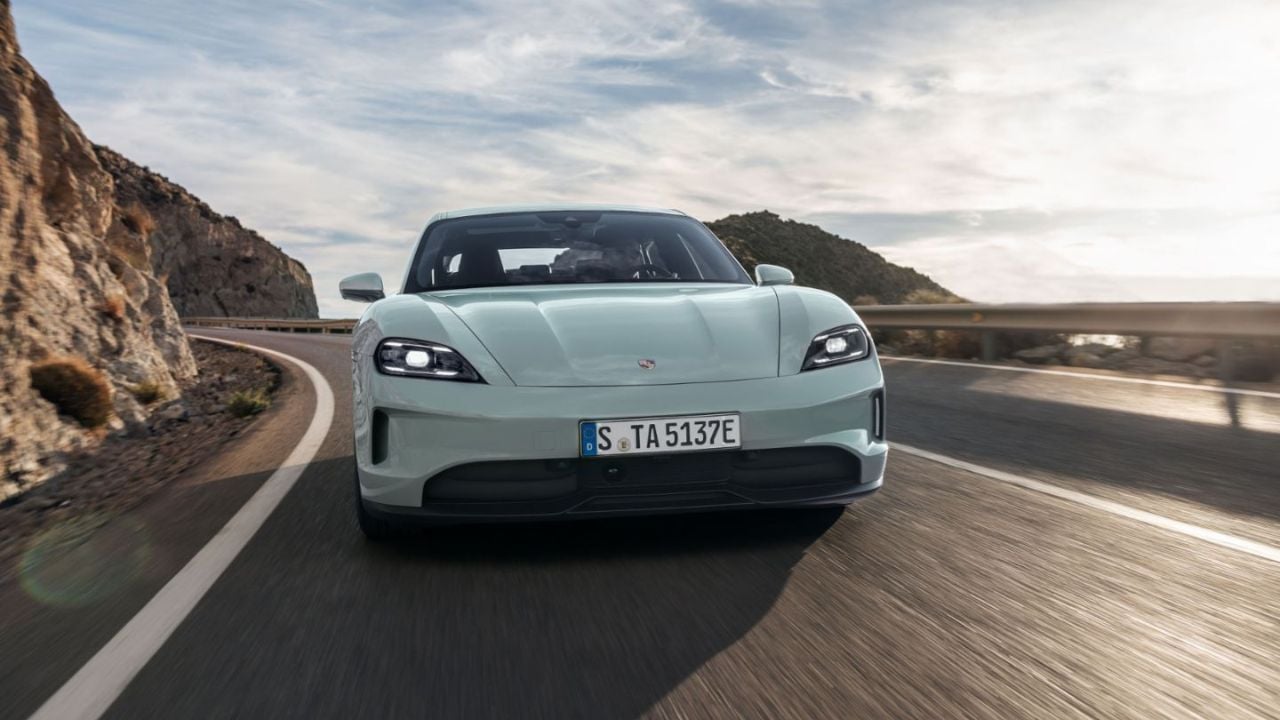
Miata drivers understand that driving joy doesn’t require 500 horsepower, it requires connection, balance, and steering feel. The Taycan, particularly in base form, shares that philosophy with its precise handling and lower seating position that makes you feel part of the car rather than a passenger in it.
Starting at $99,400, it’s admittedly a significant jump from Miata money, but the driving rewards are proportional. The Taycan’s two-speed transmission delivers smooth acceleration unlike the single-gear abruptness of most EVs, and its 800-volt architecture means charging from 10% to 80% takes around 22 minutes on a fast charger. Range hits about 246 miles, which is adequate for a car this focused on engagement.
For Miata enthusiasts ready to spend more, this is the rare EV that actually prioritizes driver involvement.
If You Drive a Toyota RAV4: Tesla Model Y

The RAV4 became one of America’s best-selling non pickup vehicles by being practical, reliable, and versatile without demanding much attention.
The Model Y mirrors that formula with seating for five (or seven with the third row), 76 cubic feet of cargo space with seats folded, and enough ground clearance to handle unpaved parking lots. Starting around $44,990, the Long Range model delivers 310 miles and brisk acceleration that makes merging onto highways feel effortless.
Tesla’s Supercharger network remains the most extensive fast-charging system in America, solving the road trip equation better than most competitors. The minimalist interior might feel stark to RAV4 drivers accustomed to buttons, but the functionality is all there once you adjust to the central screen.
For practical families seeking an electric crossover that simply works, this remains the default answer.
If You Drive a BMW 3 Series: BMW i4

BMW drivers chose the 3 Series because they wanted a sport sedan that didn’t compromise refinement for performance or vice versa.
The i4 continues that tradition with styling that looks like a conventional 4 Series Gran Coupe, which means no awkward explanations in the parking lot. The eDrive40 model offers 301 miles of range and 335 horsepower for $59,400, while the M50 pumps that to 536 horsepower for those who need more thrust. The driving position, steering weight, and overall dynamics feel authentically BMW, which isn’t something you can say about every legacy automaker’s electric effort.
It even retains a subtle “engine” sound inside that changes with acceleration, giving auditory feedback without the artificial spaceship noises some EVs employ. For 3 Series loyalists, this is the electric transition that requires the least philosophical adjustment.
If You Drive a Subaru Outback: Rivian R1S

Outback drivers are adventurous pragmatists who need capability without the bulk of a full-size SUV.
The R1S delivers that with three rows of seating, genuine off-road hardware including adjustable air suspension, and up to 321 miles of range in the Dual Motor configuration. Starting around $75,900, it’s pricier than an Outback, but the feature set includes a front trunk, adjustable air suspension, and serious off road hardware alongside the regular cargo area.
The Quad Motor version can accelerate from 0-60 mph in about three seconds, which seems unnecessary until you need to merge aggressively with a full load of camping gear. Rivian’s Adventure Network of chargers specifically targets outdoor destinations, addressing the “what if I want to explore remote areas” concern that stops some Subaru owners from going electric.
This is the EV for people who actually use their vehicle’s capabilities rather than just appreciating them in theory.
If You Drive a Volkswagen Golf GTI: Hyundai Ioniq 5 N
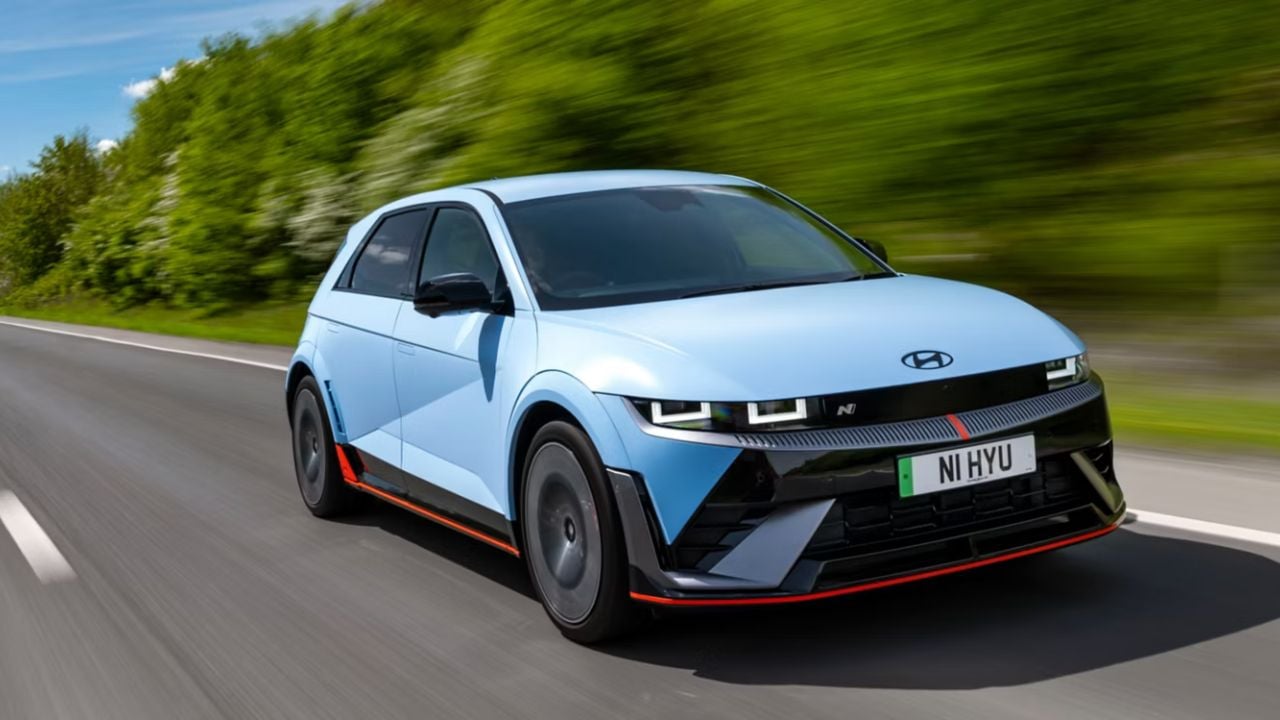
The GTI built its reputation on being the fun car you could actually live with, practical hatchback meets track-day potential.
Hyundai’s Ioniq 5 N takes that concept electric with 641 horsepower, a drift mode, and simulated gear shifts that you can actually feel through the drivetrain. At $67,795, it’s more expensive than a GTI, but the performance is properly wild with 0-60 mph arriving in about 3.2 seconds.
The normal Ioniq 5’s quirky retro styling gains aggressive bodywork and massive wheels that signal this isn’t your neighbor’s eco-commuter. Range drops to around 221 miles because physics still applies, but for driving enthusiasts who want electric performance that feels engaging rather than just fast, this is the current hot hatch translated into EV language.
Even the fake engine sounds are adjustable, letting you dial in as much or as little drama as you want.
If You Drive a Chevrolet Silverado: Chevrolet Silverado EV

GM played it smart by keeping the Silverado name and basic proportions while offering a wide range of EPA ranges, including about 390 miles for the RST and up to 478 miles for Max Range versions.
Chevy says pricing for the 2026 Silverado EV lineup starts at $54,895, and towing can reach up to 12,500 pounds when properly equipped, alongside the midgate that lets you extend the bed into the cabin for longer cargo. The fixed-glass roof makes the interior feel more spacious than the gas Silverado, and the Multi-Flex tailgate offers six configurations for different loading situations.
Silverado drivers appreciate truck features that actually work, and the EV keeps the focus on usable towing and cargo solutions rather than gimmicks. The available hands-free driving system handles highway miles without drama, which is useful when covering the distances truck owners typically travel.
This is proof that electric trucks can be actual trucks rather than lifestyle accessories.
If You Drive a Honda Accord: Polestar 2

Accord drivers want something that looks good without trying too hard, drives well without being exhausting, and doesn’t require constant attention.
The Polestar 2 captures that Scandinavian-minimalist approach with clean exterior lines and an interior that prioritizes quality materials over gimmicky features. Starting in the high $40,000 range, the Long Range Single Motor Polestar 2 is rated up to about 320 miles with 299 horsepower, while the Dual Motor version trades some range for more power, rated around 276 miles with about 421 horsepower, or up to 476 horsepower with the optional Performance Pack.
It handles with unexpected poise thanks to suspension tuning that favors control over absolute comfort, much like the Accord’s sport-oriented setup. For midsize sedan loyalists who appreciate understated competence, this Swedish-Chinese collaboration feels like a natural evolution.
If You Drive a Jeep Wrangler: Jeep Wrangler 4xe
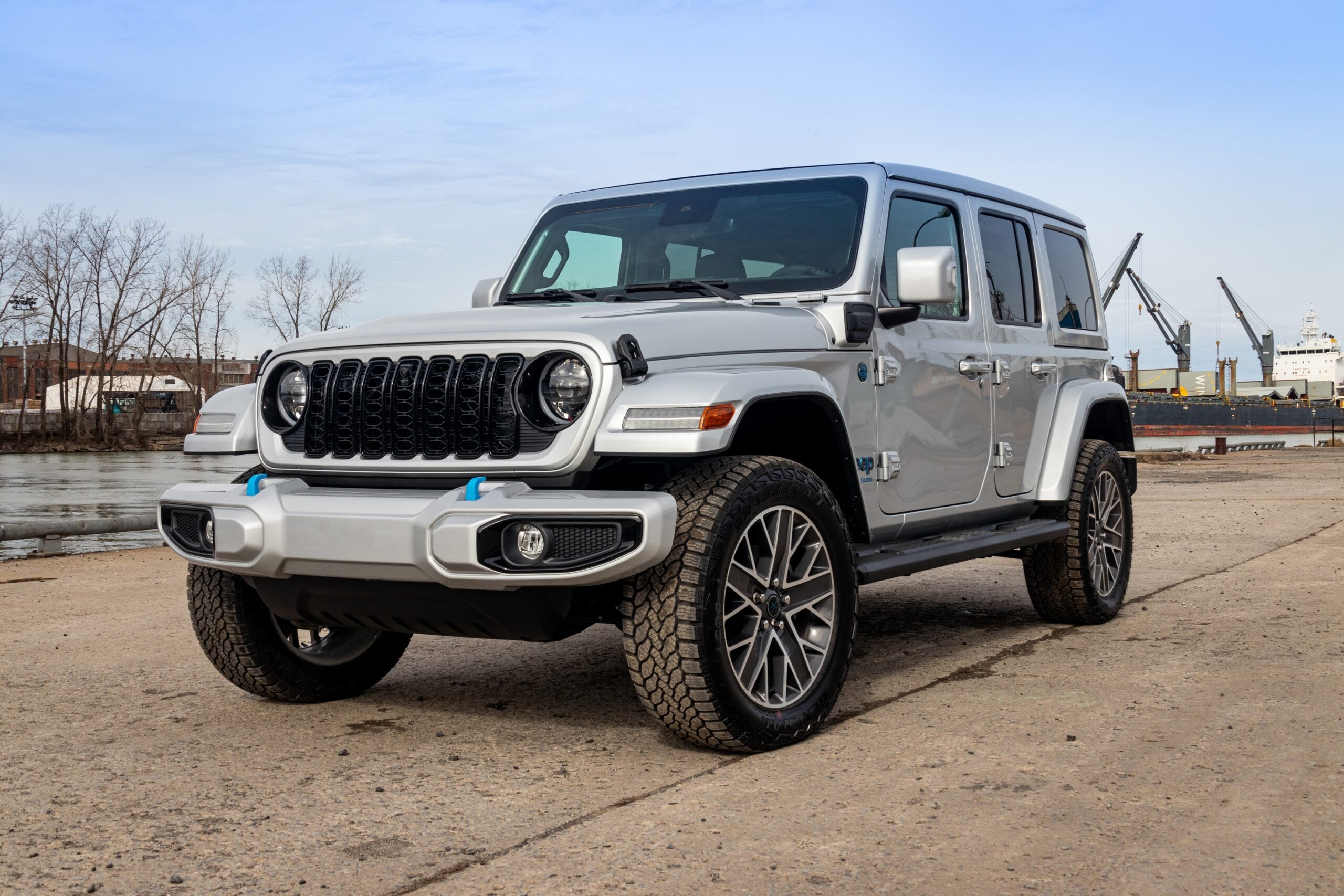
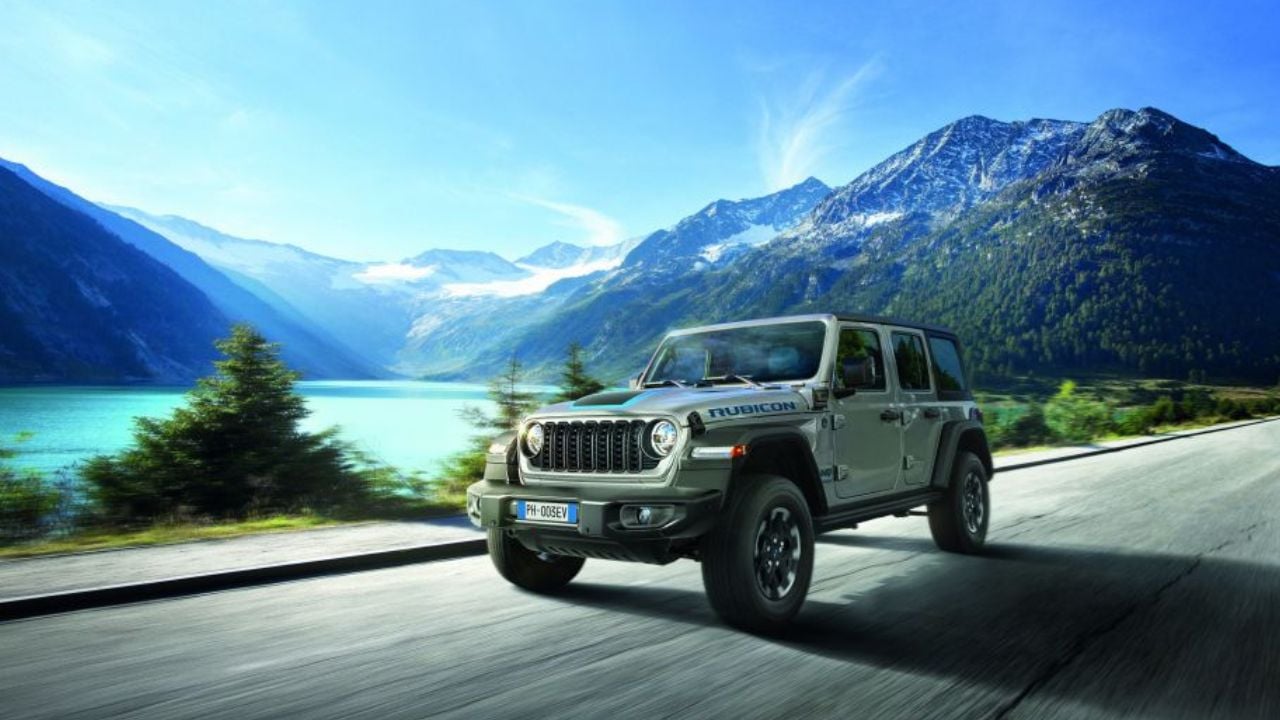
This one’s straightforward: if you love Wrangler culture, capability, and compromises, the plug-in hybrid 4xe maintains all of it while adding 21 miles of electric-only range.
It’s not fully electric, but it lets you run errands in silence and save gas while retaining the removable doors, fold-down windshield, and serious off-road hardware. Pricing and incentives vary by model year and eligibility rules, and Stellantis has indicated it will not offer a Wrangler 4xe for the 2026 model year.
The electric motor’s torque supplements the turbocharged four-cylinder for improved low-speed rock crawling, and you can still ford 30 inches of water without worrying about the battery pack. For Wrangler purists not ready for a full EV, this offers a taste of electric driving without abandoning the lifestyle.
When a proper electric Wrangler eventually arrives, this serves as the bridge.
If You Drive a Toyota Camry: Volkswagen ID.4

Camry owners chose reliability, reasonable pricing, and a comfortable ride over flashy features or aggressive styling.
The ID.4 delivers that same sensibility in electric form with pricing that typically starts in the low $40,000 range, and range ratings vary by drivetrain, reaching up to 291 miles in rear wheel drive versions and about 263 miles in all wheel drive form. The driving experience prioritizes comfort over sportiness, with suspension tuning that absorbs road imperfections rather than telegraphing every detail to the driver.
Interior space is generous thanks to the EV skateboard platform, and the cargo area holds 30.3 cubic feet behind the rear seats. VW’s network of Electrify America chargers, while not as extensive as Tesla’s, covers most major routes adequately for road trips.
For Camry families seeking an uncomplicated electric transition, this German crossover speaks the same language of sensible transportation.
If You Drive a Ford Mustang: Ford Mustang Mach-E GT

Ford took heat for putting the Mustang name on a crossover, but the GT version earns at least some of that badge with 480 horsepower and 0-60 mph in 3.5 seconds.
Recent Mustang Mach E GT pricing has landed in the low to mid $50,000 range, and Ford has quoted ranges around 280 miles for some GT variants, with range varying by wheels, tires, and configuration. Standard all wheel drive still makes launches drama free.
The handling won’t match a proper Mustang coupe, but the low center of gravity from the floor-mounted battery keeps body roll in check better than most crossovers. For Mustang drivers who need more practicality but refuse to surrender all performance, this controversial crossover makes a reasonable case for itself.
The key is treating it as a performance electric crossover that happens to wear a Mustang badge rather than a replacement for the coupe.
Moving Forward Without Looking Back

The electric vehicle transition doesn’t require abandoning your automotive identity or the characteristics that made you choose your current vehicle. Today’s EV market offers enough diversity that driving preferences, usage patterns, and even emotional connections can guide your next purchase rather than just range anxiety and charging infrastructure.
Whether you prioritize handling, capability, efficiency, or pure acceleration, there’s an electric option that speaks to those values. The technology has matured to the point where the question isn’t whether EVs can replace gas cars, but which one fits your specific needs.
As charging networks expand and prices gradually moderate, the practical barriers continue falling, leaving only the question of which electric vehicle matches who you are as a driver.