

In a quiet federal courthouse just outside Chicago, a legal battle that many drivers have quietly talked about for years finally reached a result, and it could have ripples across the trucking industry.
Late in December 2025, a trucking company called HMD Trucking agreed to settle a lawsuit brought by one of its former drivers. The suit, according to Land Line Media, claimed the company unlawfully installed cameras that faced the driver inside the truck and used them to collect what is known as biometric information. That’s essentially data about a person’s body, such as their facial features, without telling the drivers or getting their written permission.
The lawsuit was filed under Illinois’ Biometric Information Privacy Act, or BIPA, a state law that was passed in 2008 to control how companies collect and use sensitive personal data. Under that law, companies must give written notice and get written consent before collecting things like fingerprints, scans of the face, retina scans, or voiceprints. If they don’t, they can be fined up to $1,000 per violation or $5,000 if the violation was willful.
That law has made headlines before. In 2021, a massive BIPA case resulted in a $650 million settlement with another company accused of unauthorized biometric data collection.
What Triggered This Lawsuit
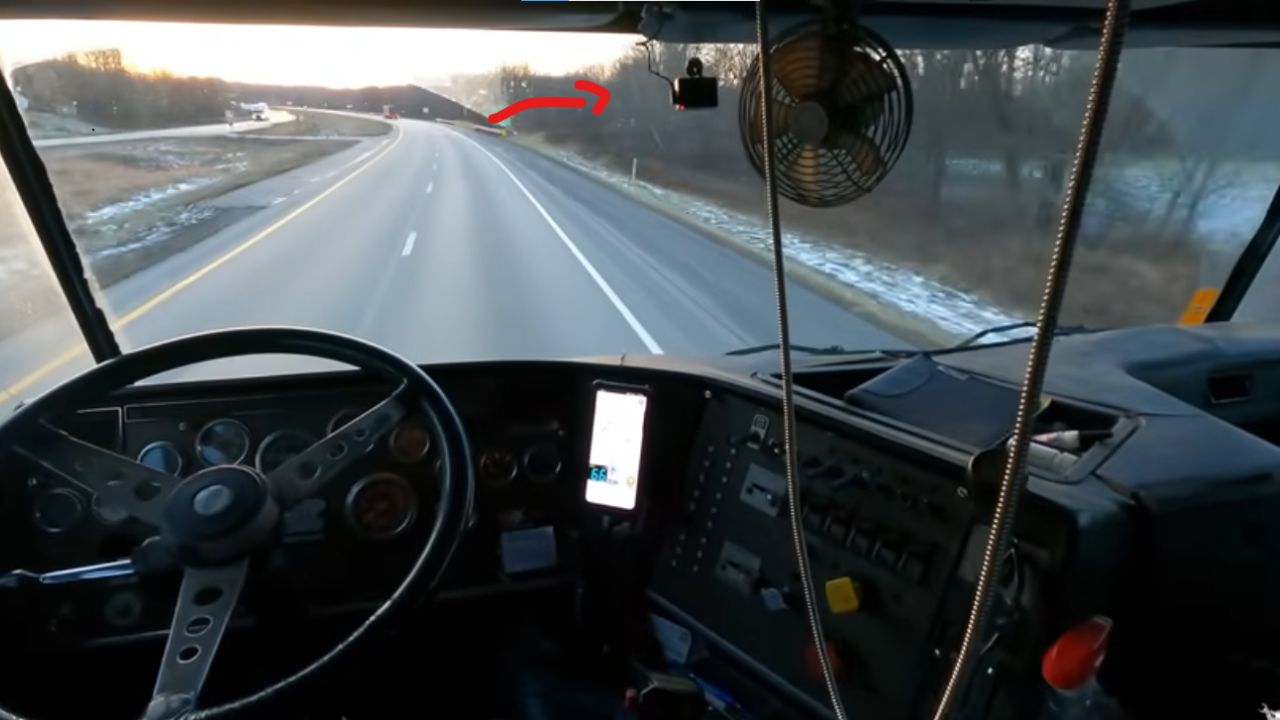
Truck drivers for HMD said the company’s cameras weren’t just capturing video to help with safety. According to the complaint, the system linked a driver’s “face geometry” to that driver’s identity so the employer could track performance and ensure compliance while the truck was on the road. Drivers said they were never told in writing that this biometric data was being collected, nor did they give written consent as required by law.
The company tried to stop the lawsuit early. HMD argued that a federal law, the Federal Aviation Administration Authorization Act, should block the BIPA claim. That law generally prevents state rules from interfering with the rates, routes, or services of motor carriers, but a federal judge rejected that argument earlier this year, deciding the case could go forward.
By October, both sides told the court they were close to a settlement, and in December the lawsuit was dismissed after an out‑of‑court deal. The details of that settlement were not made public, so the size of any payouts or whether the company changed its camera policies is still unknown.
Why This Matters to Drivers
On the surface, this might look like a small, local story about an Illinois trucking firm. But some legal experts and drivers see it as the first shot in a broader battle over in‑cab surveillance.
Driver‑facing cameras are becoming common in trucking. Companies often market them as safety tools that can catch distracted driving, prove what happened in a crash, and protect both the driver and the fleet from false claims. Even federal agencies are using video more in safety reviews — for example, the Federal Motor Carrier Safety Administration now accepts video evidence in crash appeals.
Yet many drivers bristle at the idea of cameras pointed at them all day behind the wheel. Online forums show that truckers have long debated whether these systems are privacy invasions or useful safety tools, with some saying they feel constantly watched, even during breaks. Anonymous posts from drivers describe their companies monitoring behavior for things as trivial as looking away from the road for a few seconds or even making eye contact with a passenger.
The challenge for lawyers who represent workers and privacy advocates is determining where the line should be drawn between safety and surveillance. Illinois’ BIPA is one of the strictest biometric laws in the country, and if other lawsuits get filed under similar statutes, trucking companies could face a wave of claims. Another lawsuit in Illinois alleges that a camera system from Netradyne violated BIPA by scanning drivers’ faces without proper disclosures.
Now What?
So, what should the average driver make of this case? Right now, the settlement leaves a lot unanswered. There was no public ruling, so no legal precedent was set. But it does show that drivers and their lawyers are willing to take these battles to court, especially in states with strong privacy laws.
For carriers, this story may be a warning. As technology changes and cameras and artificial intelligence systems become more powerful, employers may need to examine how they use these tools and whether they are complying with privacy laws. Drivers might also be emboldened to look at their rights under state laws if they feel their employers are overstepping.
This case is ultimately a tug of war at the intersection of privacy, technology, and safety in today’s trucking business. And even though the settlement may not be the last word, it could be the spark that leads to a broader conversation about how much employers should be allowed to see while drivers are doing their jobs on the open road.
Source: Land Line Media