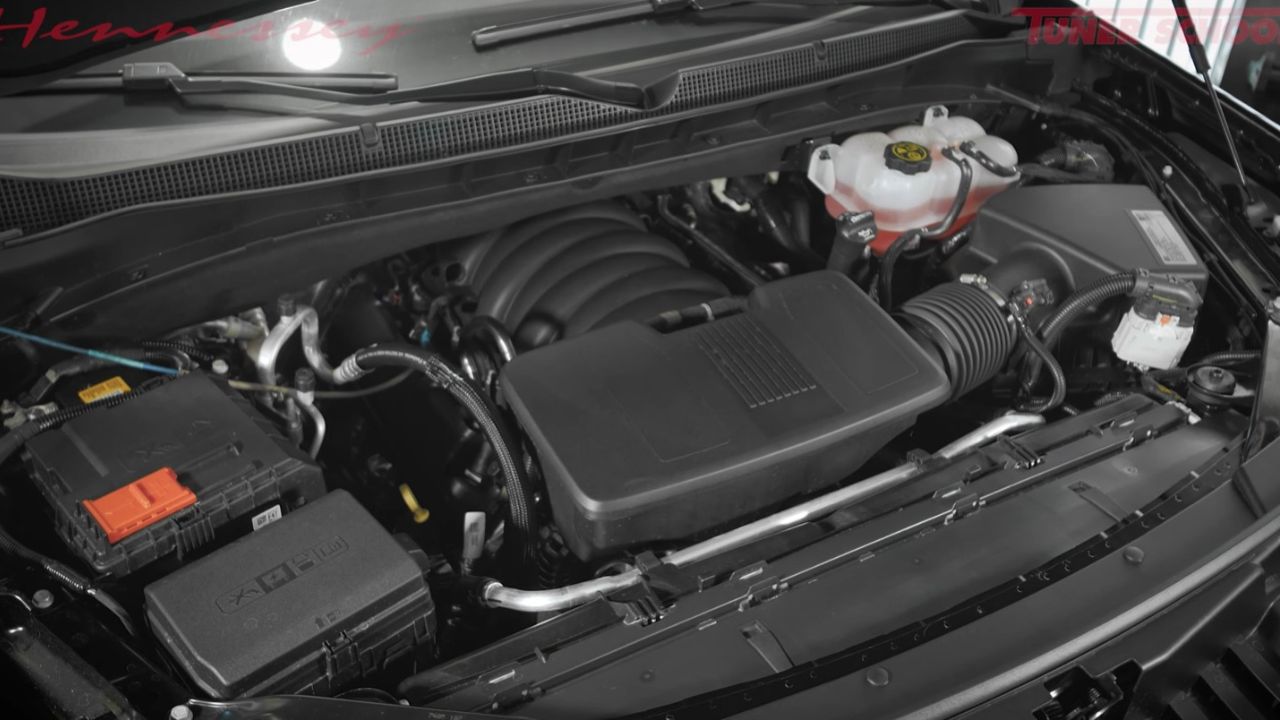

General Motors (GM) is facing mounting pressure from its enthusiast community and technical stakeholders to reconsider its lubrication strategy for the next generation of V8 engines. A growing consensus among owners, mechanics, and performance engineers favors higher-viscosity oils, citing durability concerns under real-world operating conditions. Recent developments suggest GM may finally align with this demand, and that’d mark a significant departure from its efficiency-first approach.
A survey conducted by GM Authority revealed overwhelming support among enthusiasts for thicker oil in GM’s next-gen V8 engines. The poll, conducted earlier in 2025, asked readers whether GM should abandon ultra-thin 0W-20 lubricants in favor of higher-viscosity alternatives. Results showed a clear majority favoring durability-focused oils like 0W-40, citing concerns over bearing wear and catastrophic failures. The survey became central to the debate, influencing coverage across outlets and highlighting a shift in consumer priorities.
Background: Efficiency vs. Durability

For over a decade, GM has prioritized low-viscosity lubricants in its powertrain designs. Oils such as SAE 0W-20 and 5W-20 have been widely specified, primarily to meet stringent Corporate Average Fuel Economy (CAFE) standards. These lighter oils reduce internal friction to improve fuel efficiency and lower emissions.
However, critics argue that the trade-off has been costly. Under high-load conditions—such as towing, extended highway driving, or performance applications—thin oils can struggle to maintain film strength. This increases the risk of metal-to-metal contact, bearing wear, and catastrophic engine damage. Multiple recalls and investigations into premature V8 failures have amplified concerns.
Enthusiast Sentiment and Technical Rationale

Besides this survey, online chatter points to a majority of GM’s enthusiast base now overwhelmingly favoring thicker oils, such as SAE 5W-30 or 10W-30. The technical rationale is straightforward. Higher-viscosity oils maintain protective film thickness at elevated temperatures, reducing shear breakdown.
Thicker oils provide superior hydrodynamic lubrication under high-pressure conditions, which is critical for large-displacement V8s. Increased viscosity offers a buffer against oil starvation during aggressive driving or extended service intervals.
They argue that while efficiency gains from thinner oils are measurable in laboratory cycles, they fail to translate into long-term reliability in real-world scenarios. The relaxation of CAFE standards in recent years has further reduced the regulatory incentive to prioritize ultra-low-viscosity lubricants.
GM’s Position and Industry Context
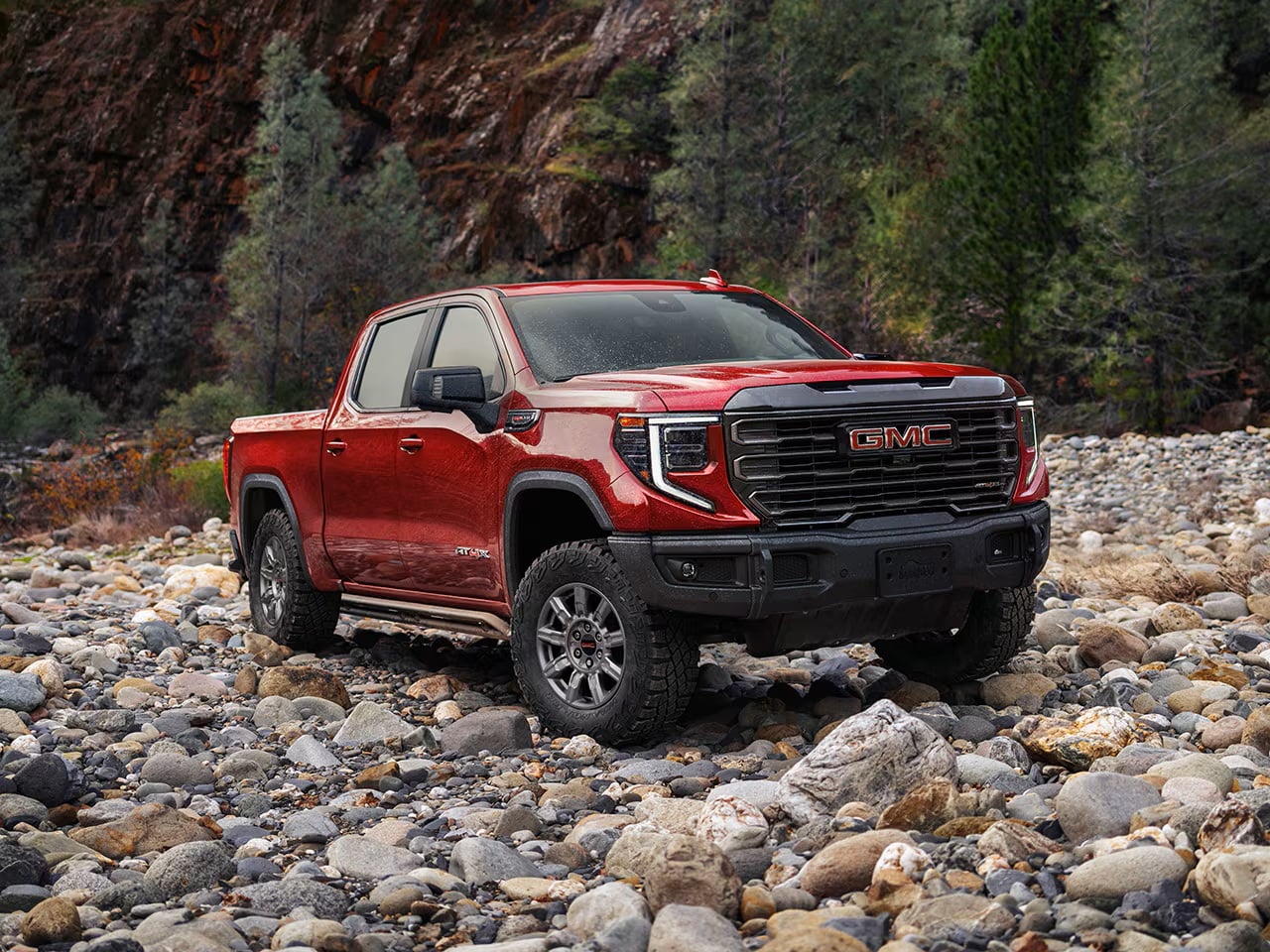
Insiders suggest GM is actively evaluating a shift in its lubrication specifications for upcoming V8 platforms, including those destined for Chevrolet and GMC trucks and SUVs. This would represent a notable pivot toward durability-focused engineering.
The move would also align GM with broader industry trends. Several competitors, including Ford and Stellantis, have already adopted mid-range viscosity oils for high-output engines. Technical service bulletins across the industry increasingly emphasize the importance of oil viscosity in mitigating premature wear in direct-injection and turbocharged applications.
The potential shift carries regulatory and market implications:
- Regulatory Flexibility: With CAFE standards relaxed, GM has more latitude to prioritize durability without risking compliance penalties.
- Warranty Costs: Thicker oils could reduce warranty claims related to engine failures, lowering long-term costs.
- Consumer Confidence: Aligning with enthusiast demands may strengthen brand loyalty, particularly in performance and truck segments where reliability is paramount.
- Aftermarket Synergy: The aftermarket industry, which already promotes thicker oils for GM V8s, would benefit from OEM alignment, reducing conflicts between factory recommendations and enthusiast practices.
Technical Challenges Ahead

Transitioning to thicker oils is not without challenges. Engine designs optimized for low-viscosity lubricants may require recalibration of oil pumps, bearing clearances, and cooling systems. Engineers must ensure that increased viscosity does not compromise cold-start performance or exacerbate parasitic losses.
Moreover, GM must balance global market requirements. In regions with extreme cold climates, thinner oils remain advantageous for rapid circulation and startup protection. A dual-specification approach—offering regional oil recommendations—may be necessary to reconcile these competing demands.
The debate over oil viscosity in GM’s next-generation V8 engines encapsulates a broader tension in automotive engineering: efficiency versus durability. If implemented, the shift to thicker oil could mark a turning point in the company’s powertrain philosophy. And for GM’s loyal base, it would be a long-awaited acknowledgment that durability remains the ultimate measure of engineering success.