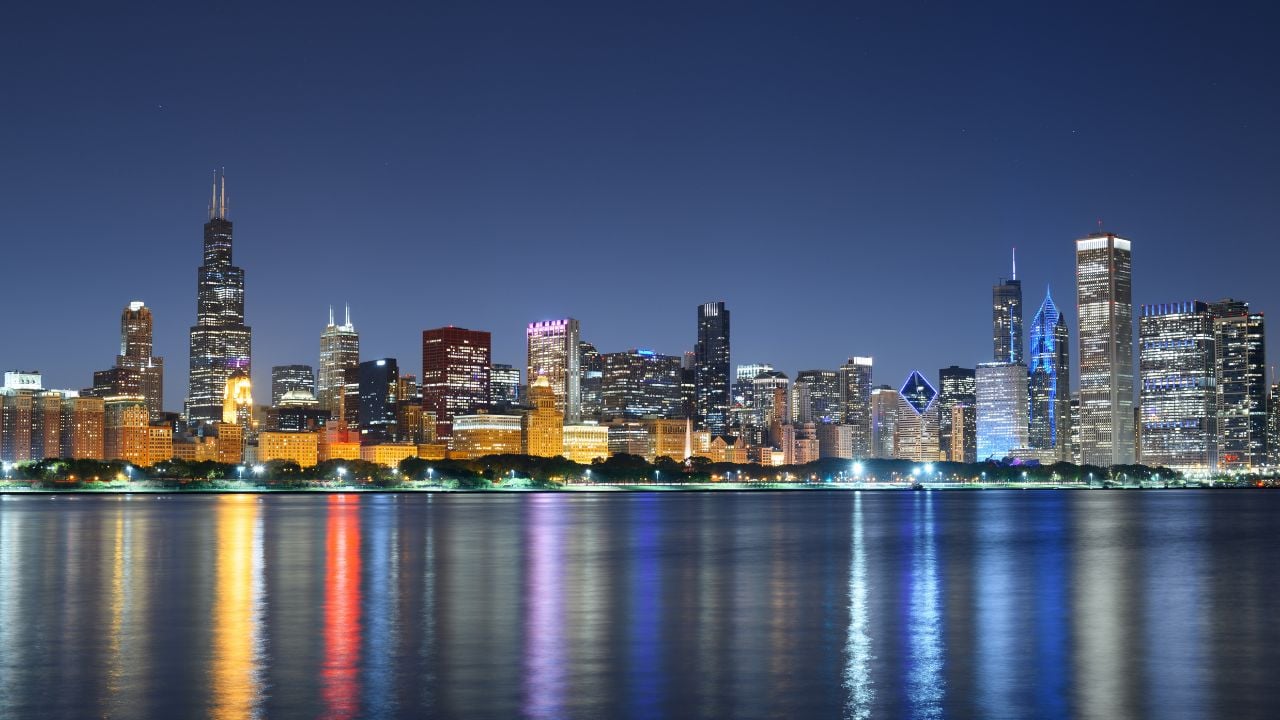
In an era when Americans spend increasingly more time stuck in traffic and searching for parking, a select group of cities proves that walkability isn’t just a European luxury, it’s an achievable reality across the United States. These destinations combine dense urban planning, robust public transportation, and pedestrian-friendly infrastructure to create environments where daily life unfolds on foot. From historic East Coast enclaves to progressive West Coast communities, these walkable cities offer superior quality of life, environmental benefits, and authentic urban experiences that car-dependent suburbs simply cannot match.
New York City

New York City remains America’s most walkable destination, where pedestrians outnumber cars and walking serves as the primary mode of transportation for millions of residents. Manhattan’s grid system creates intuitive navigation, while the density of restaurants, shops, services, and entertainment within walking distance eliminates most needs for vehicle transportation.
The city’s walkability extends beyond Manhattan to neighborhoods throughout Brooklyn, Queens, and the Bronx, where tree-lined residential streets connect seamlessly to commercial corridors and subway stations. Areas like Park Slope, Williamsburg, and Astoria offer suburban-style living within walking distance of urban amenities and public transportation.
New York’s comprehensive subway system supports walkability by connecting walkable neighborhoods throughout the five boroughs. Residents routinely walk to subway stations, work, shopping, and entertainment without ever considering car ownership as necessary for daily life. This pedestrian infrastructure creates health benefits, environmental advantages, and cost savings that attract residents seeking car-free lifestyles.
San Francisco

San Francisco’s compact 47-square-mile area creates natural walkability where most destinations lie within reasonable walking distance. Neighborhoods like North Beach, Castro, Mission, and Pacific Heights offer distinct characters while maintaining pedestrian-friendly streetscapes and commercial corridors accessible on foot.
The city’s public transportation system, including Muni buses, streetcars, and BART connections, supports walkability by providing car-free access to employment centers, shopping, and recreational activities. Neighborhood commercial districts along Valencia Street, Fillmore Street, and Union Street create local destinations that reduce travel needs.
San Francisco’s mild climate enables year-round walking, while the city’s commitment to pedestrian infrastructure includes protected bike lanes, pedestrian-only streets, and traffic calming measures that prioritize foot traffic over vehicle movement. These investments create safe, pleasant walking environments that encourage pedestrian activity throughout the city.
Boston

Boston’s colonial street pattern creates intimate neighborhoods where historic sites, universities, and commercial districts remain accessible on foot. Areas like Back Bay, Beacon Hill, North End, and Cambridge offer European-style walkability with narrow streets, sidewalk cafes, and neighborhood services within walking distance of residential areas.
The city’s extensive public transportation system, including the T subway and bus networks, connects walkable neighborhoods while providing car-free access to employment centers and regional destinations. Boston’s compact size means most attractions, from Fenway Park to the Freedom Trail, lie within walking distance of downtown accommodations.
Boston’s numerous universities create pedestrian-friendly environments where students, faculty, and residents share walkable neighborhoods with excellent access to libraries, museums, restaurants, and cultural venues. This academic influence maintains vibrant street life and supports local businesses that serve pedestrian customers.
Washington, D.C.

Washington D.C.’s planned street layout creates walkable neighborhoods with logical connections between residential areas, employment centers, and cultural institutions. Areas like Dupont Circle, Adams Morgan, Capitol Hill, and Georgetown offer distinct characters while maintaining pedestrian access to shops, restaurants, and services.
The Metro system provides extensive coverage throughout the District and surrounding areas, supporting car-free living for residents and visitors. Metro stations serve as neighborhood anchors that concentrate commercial activity and housing within walking distance of public transportation access.
The city’s concentration of museums, monuments, and government buildings creates unique walking opportunities where major attractions connect through pedestrian-friendly routes. The National Mall serves as a massive pedestrian corridor linking iconic destinations while providing green space for recreation and relaxation.
Philadelphia

Philadelphia’s neighborhood structure creates walkable communities with distinct identities, from Society Hill’s colonial charm to Fishtown’s artisanal revival. Each area offers local restaurants, shops, and services within walking distance of residential streets lined with characteristic row houses and brownstones.
The city’s public transportation system connects walkable neighborhoods while providing access to employment centers in Center City and University City. Philadelphia’s extensive network of neighborhood commercial corridors supports pedestrian activity and local business development.
Philadelphia’s flat topography and grid street system create comfortable walking conditions year-round, while the city’s commitment to bike infrastructure and pedestrian improvements enhances safety and accessibility. Historic sites, cultural institutions, and recreational areas remain accessible on foot throughout the city.
Seattle

Seattle’s dense neighborhoods combine urban amenities with Pacific Northwest outdoor culture in walkable environments. Areas like Capitol Hill, Fremont, Ballard, and Queen Anne offer distinct characters while maintaining pedestrian access to coffee shops, restaurants, markets, and entertainment venues that define Seattle’s lifestyle.
The city’s public transportation improvements, including light rail expansion and enhanced bus service, support walkability by connecting neighborhoods and providing car-free access to employment centers. Neighborhood commercial districts like Pine Street, Fremont Avenue, and Ballard Avenue create local destinations that encourage walking.
Seattle’s commitment to pedestrian infrastructure includes protected bike lanes, pedestrian-priority streets, and traffic calming measures that create safe, pleasant walking environments. The city’s numerous parks, waterfront areas, and green spaces provide recreational walking opportunities within urban neighborhoods.
Chicago
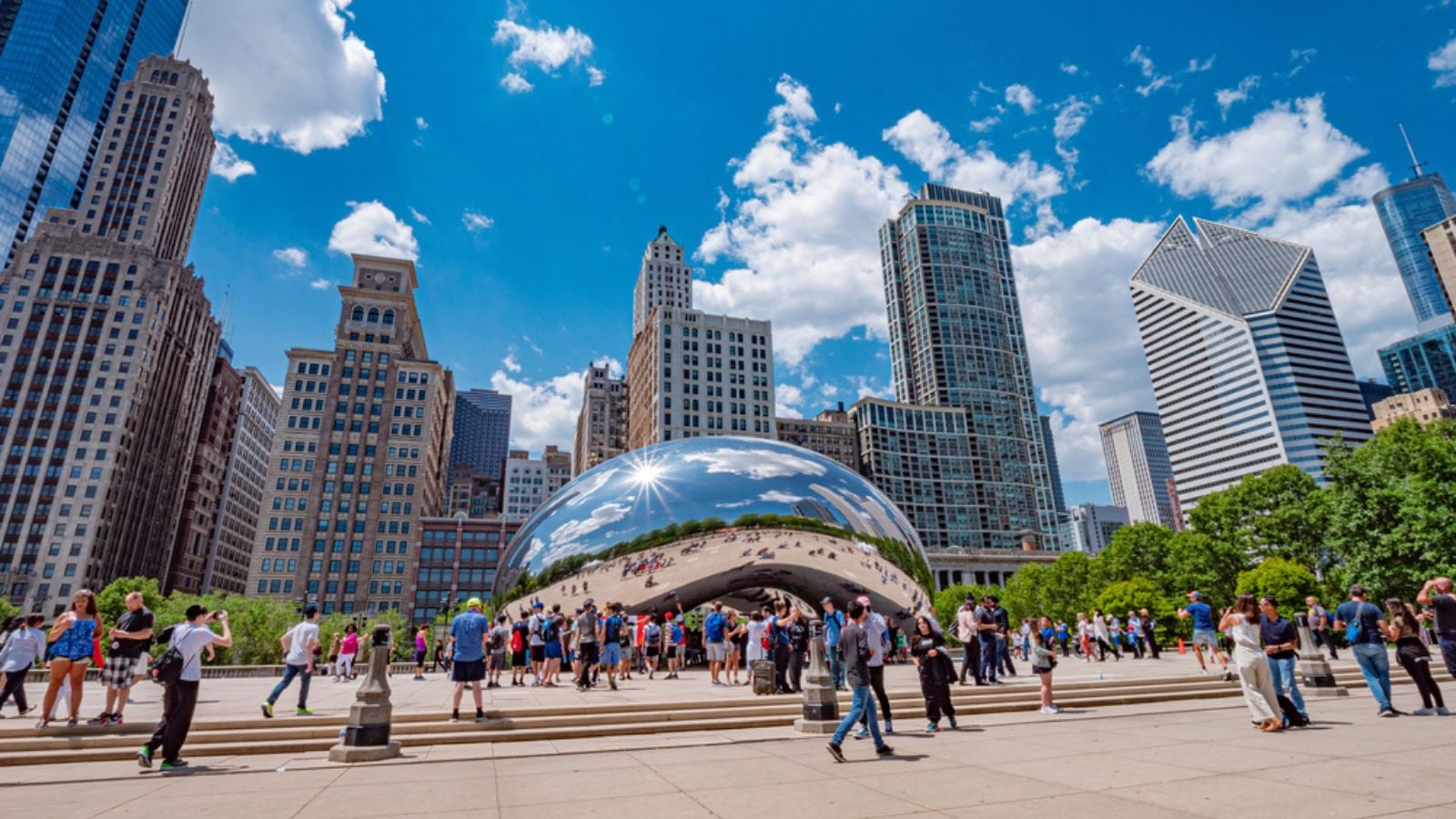
Chicago’s neighborhood structure creates walkable communities throughout the city, from Lincoln Park’s tree-lined streets to Wicker Park’s artistic energy. The Loop provides downtown walkability with excellent access to employment, shopping, entertainment, and transportation connections.
The CTA system supports walkability by connecting neighborhoods throughout the city while providing car-free access to downtown employment and cultural centers. Chicago’s extensive network of neighborhood commercial strips creates local destinations that reduce travel needs and support pedestrian activity.
Chicago’s flat topography and comprehensive sidewalk network create comfortable walking conditions, while the city’s lakefront trail provides recreational walking opportunities that connect neighborhoods along Lake Michigan. Winter challenges exist, but the city’s underground pedway system and excellent snow removal maintain walkability year-round.
Portland

Portland’s commitment to urban planning creates walkable neighborhoods with excellent public transportation connections and pedestrian-friendly street designs. Areas like Pearl District, Hawthorne, Alberta, and Mississippi offer distinct characters while maintaining access to local businesses, restaurants, and services.
The MAX light rail system and extensive bus network support car-free living by connecting walkable neighborhoods throughout the metropolitan area. Portland’s bike infrastructure complements walkability by providing additional transportation options for longer distances.
Portland’s numerous food carts, farmers markets, and local businesses create neighborhood destinations that encourage walking while supporting local economic development. The city’s commitment to green space and environmental protection provides pleasant walking environments throughout urban areas.
Minneapolis

Minneapolis proves that walkability can thrive even in harsh winter climates through innovative infrastructure and urban planning. The downtown skyway system provides climate-controlled pedestrian connections between buildings, while neighborhoods like Uptown, Northeast, and North Loop maintain street-level walkability year-round.
The city’s light rail system and comprehensive bus network support car-free living by connecting walkable neighborhoods throughout the metropolitan area. Minneapolis’s numerous lakes and parks provide recreational walking opportunities that remain accessible through well-maintained winter trail systems.
The city’s commitment to bike infrastructure, including year-round bike lanes and bike-sharing programs, complements walkability by providing additional transportation options. Local businesses, restaurants, and cultural venues cluster around neighborhood commercial districts that encourage pedestrian activity regardless of season.
Miami Beach

Miami Beach creates unique American walkability through its compact island geography and pedestrian-friendly Art Deco district. Lincoln Road and Ocean Drive provide car-free shopping and dining experiences, while residential neighborhoods offer walkable access to beaches, restaurants, and entertainment venues.
The city’s flat topography and year-round warm weather create ideal walking conditions, while public transportation connections to mainland Miami support car-free regional access. Miami Beach’s concentration of hotels, restaurants, and attractions within walking distance makes it particularly appealing for visitors seeking pedestrian-friendly experiences.
The beachfront boardwalk extends walkability to recreational activities, connecting neighborhoods through scenic pedestrian routes that eliminate needs for vehicle transportation. Local bus service and bike-sharing programs complement walking by providing additional transportation options for longer distances.