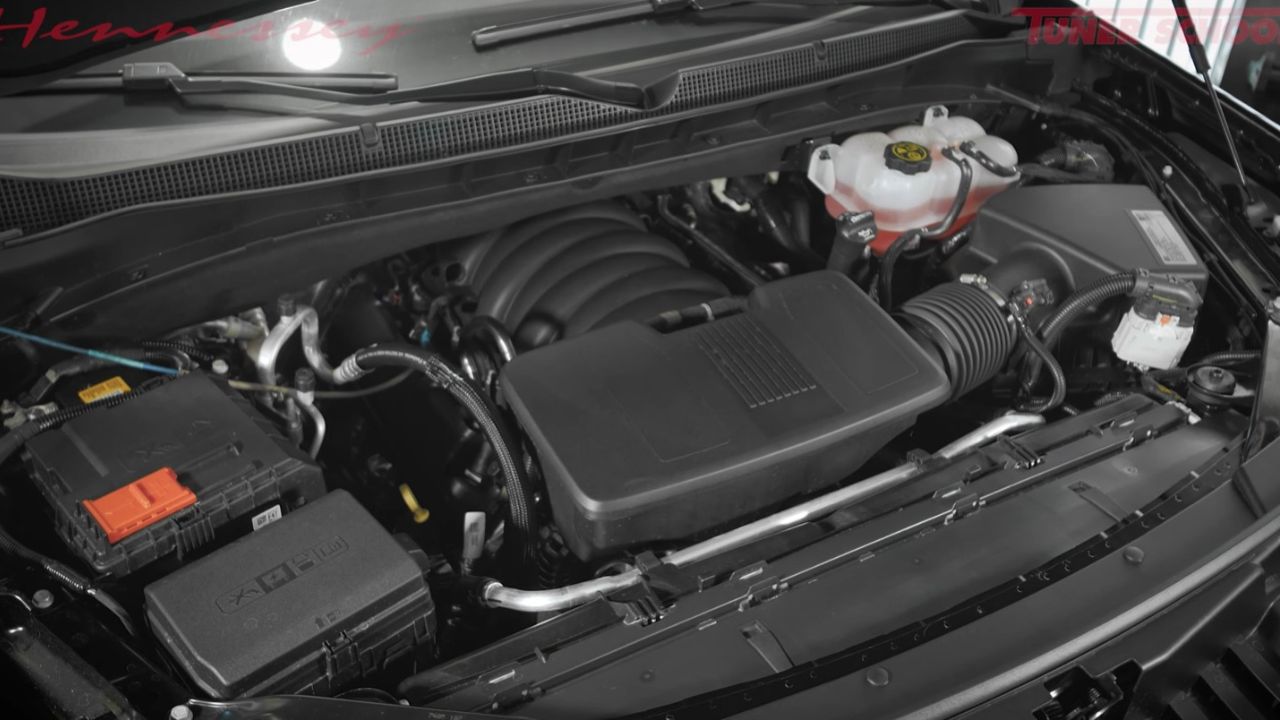

In what may become one of the most consequential vehicle defect litigations of 2025, General Motors is facing a sweeping class-action lawsuit after its massive recall of 6.2-liter V8 engines. Multiple individual lawsuits from truck and SUV owners have been consolidated into a single federal case, amplifying legal exposure for the Detroit automaker and sharpening scrutiny of its response to alleged engine failures.
The controversy centers on GM’s RPO L87 6.2-liter V8 engine. This powerplant is used in a range of heavy-duty pickup trucks and SUVs, including the Chevrolet Silverado 1500, GMC Sierra 1500, Chevrolet Tahoe and Suburban, GMC Yukon, and Cadillac Escalade built roughly from 2019 through 2024. The National Highway Traffic Safety Administration (NHTSA) began probing the engine after receiving more than 1,000 consumer complaints alleging catastrophic powertrain failures, internal engine damage, and sudden loss of propulsion.
An April 2025 recall was GM’s initial public acknowledgement of the problem, formally affecting nearly 600,000 vehicles in the United States. The recall was prompted by concerns over rod bearing failure, contaminated oil galleries, and out-of-spec crankshaft components — all of which can trigger internal engine damage and complete seizure.
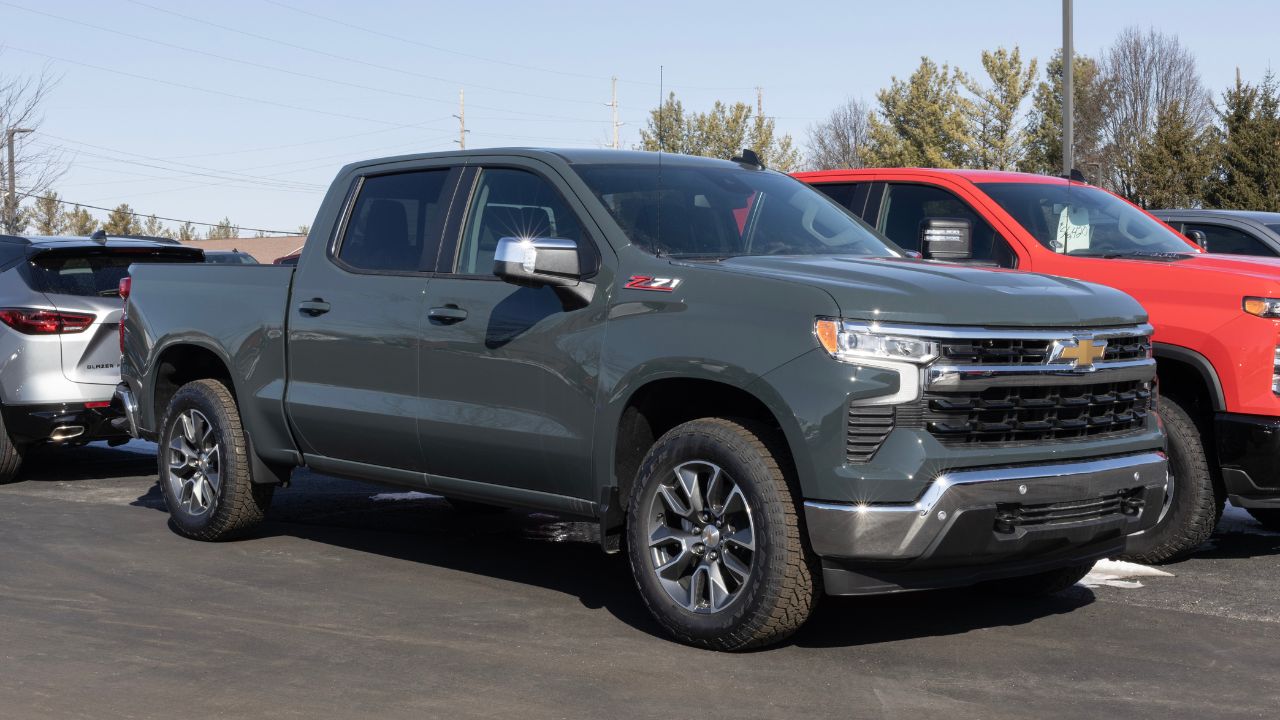
GM’s official remedy involved revised engine oil specifications, notably switching to a higher-viscosity oil as part of the service campaign. But many owners and consumer advocates say this fix merely treats symptoms, not causes.
Consolidating a Legal Onslaught
More than a dozen lawsuits sprang up nationwide as owners grew frustrated with repeated failures, the pace of repairs, and allegedly inadequate responses. Plaintiffs have described engines failing even after official recall work, with reports of vehicles breaking down, suffering repeated internal damage, or requiring multiple engine replacements.
In December 2025, a federal judge in the Eastern District of Michigan took the unusual step of combining these separate cases, including Powell v. General Motors and others like Hernandez and Hecht, into a single consolidated class action. The move will allow streamlined pretrial processes, coordinated expert testimony, and, if the court certifies the class, the possibility that the case will speak for all affected owners nationwide.

At the heart of the plaintiffs’ claims are multiple legal theories: defective design and manufacturing of the engine’s internal parts, failure to warn customers promptly, and the allegation that the recall’s oil-change “fix” does not correct the underlying problem. Additional counts seek compensation for diminished resale value, unreimbursed repair costs, and other economic losses tied to the defects.
Voices From the Road
Outside the courtroom, owners recount frustration and hardship. In online forums, some owners say engines failed shortly after replacement under warranty, or that dealerships struggle to obtain parts for repairs. Others describe lengthy periods without a vehicle, mounting towing and rental expenses, and an eroded sense of trust in GM’s brand.
One owner reported a complete engine failure just 36 days after a warranty replacement left the family stranded at freeway speeds. The story illustrated how deeply personal the issue has become for customers who expected reliability from a flagship V8 engine.
What’s at Stake for GM and Owners
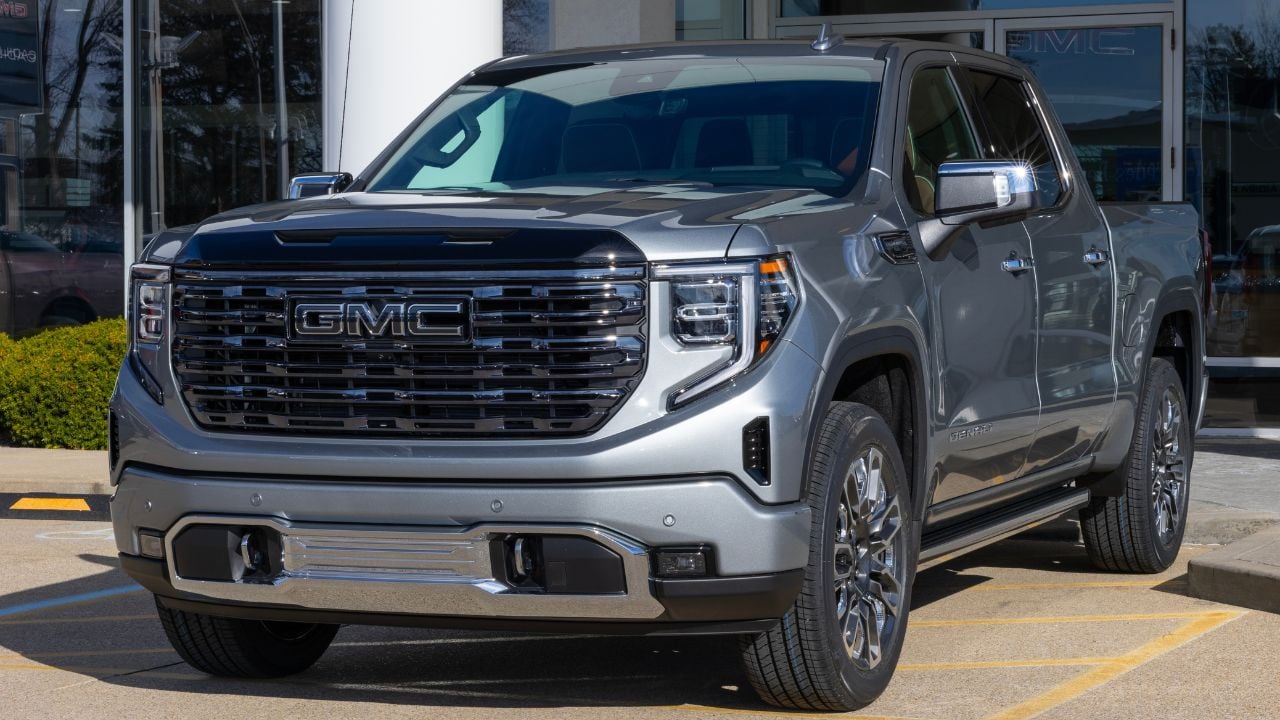
For GM, this consolidated lawsuit represents not only the potential for significant financial liability, — including extended warranty obligations, damages if plaintiffs prevail, and legal fees — but also reputational risk at a time when automakers are under intense scrutiny for product quality and safety. A ruling against GM could influence how engine defects and recalls are handled across the industry.
For owners, the case may be their best opportunity for collective redress. If the class is certified and plaintiffs succeed, eligible owners could recover compensation for repair costs, diminished vehicle value, and perhaps broader relief tied to the defect’s impact.
Discovery in the consolidated case has only just begun, and both sides will be preparing for extended litigation into 2026 and beyond. GM has maintained that it stands behind its vehicles and is committed to customer safety, pointing to the recall as evidence of responsiveness. Plaintiffs, on the other hand, assert that the recall fell short and that their vehicles remain unsafe without a more fundamental correction.