Walk through any modern car showroom today, and you’ll spot echoes of the past hiding in plain sight. Those sweeping rooflines, aggressive front fascias, and thoughtfully sculpted body panels didn’t just materialize from thin air.
They’re love letters to an era when chrome was king, fins were functional art, and every new model year brought genuine excitement. The classics from our past didn’t just look good: they were fearless innovation, each one pushing boundaries and establishing design languages that still influence what we drive today.
These twelve legendary machines proved that great design never really goes out of style; it just gets reinterpreted for a new generation.
1955 Chevrolet Bel Air

The ’55 Bel Air practically wrote the book on approachable American style, and modern designers still dog-ear those pages. That distinctive egg-crate grille and balanced proportions created a template that Chevy has revisited repeatedly, most notably in modern Camaros and the retro-inspired HHR.
What made the Bel Air special wasn’t just its good looks (although look at those tail fins): it was how it democratized automotive beauty, proving that everyday drivers deserved something special in their driveway. The two-tone paint schemes pioneered here influenced styling trends for decades, and you can still see that heritage in how contemporary designers use contrasting colors to break up body surfaces.
At around $1,987 new, it offered style that felt expensive without the premium price tag.The Bel Air’s legacy lives on every time a designer sketches a bold grille and thinks about creating an icon rather than just another car.
1955 Ford Thunderbird

The first-generation T-Bird introduced America to the concept of personal luxury, wrapped in a package that looked ready for a Hollywood closeup. That removable hardtop silhouette and pronounced fins created a silhouette so memorable that Ford revisited it directly with the 2002-2005 retro Thunderbird.
But the influence goes deeper, the idea of a two-seater that prioritized style over outright performance established a niche that continues with cars like the modern Mustang convertible. The sculpted side panels and integrated bumpers showed how chrome accents could enhance rather than overwhelm a design. With a base price of $2,944, it positioned itself as attainable luxury, a concept luxury brands still chase today.
That perfect storm of elegance and American confidence made it a template for how to create desire in sheet metal.
1961 Jaguar E-Type

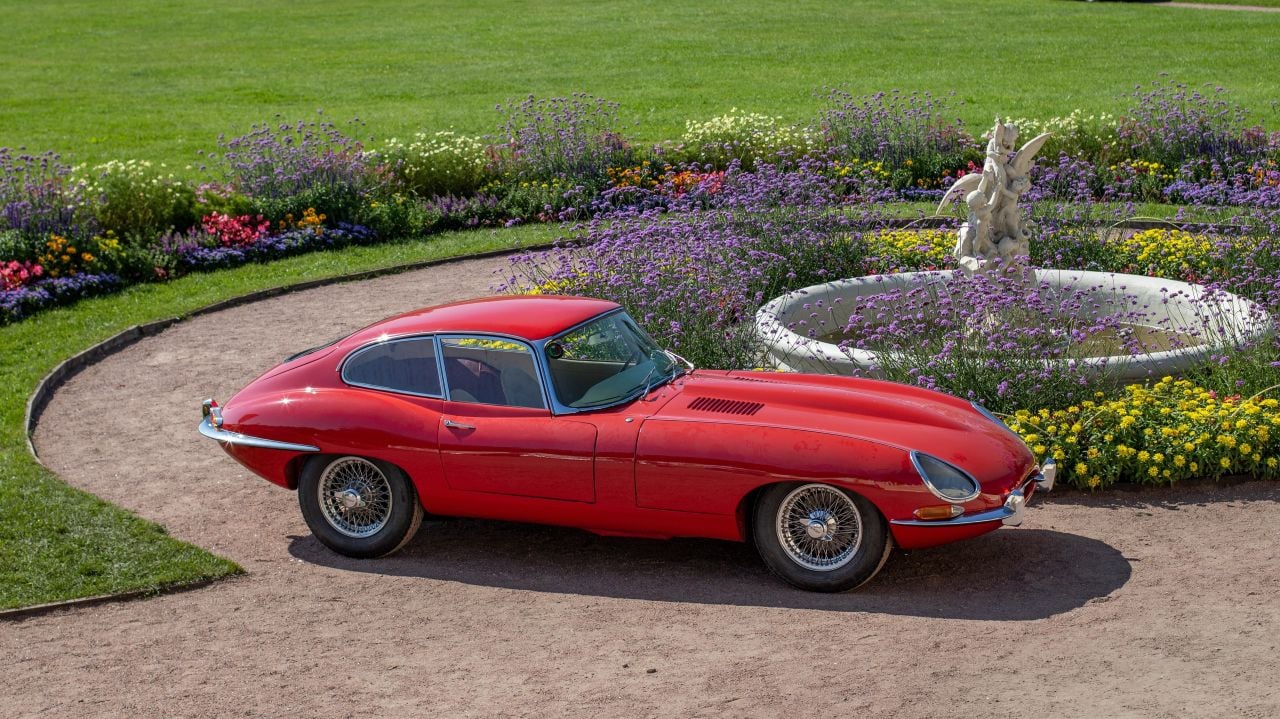
The E-Type is often described as one of the most beautiful cars ever made, and that compliment is frequently attributed to Enzo Ferrari. The E-Type’s endless hood, curved greenhouse, and flowing fenders established proportions that define sports car design to this day.
You can trace its DNA through every F-Type, from the cab-rearward stance to the muscular haunches that promise performance. That combination of sensuality and aggression, curves that flow into sharp character lines, remains the gold standard for GT car design. At around $5,600 when new, it brought supercar looks to a wider audience and proved British engineering could match Italian exotics.
Modern designers still reference the E-Type when they want to communicate both speed and elegance in a single sketch.
1963 Chevrolet Corvette Sting Ray
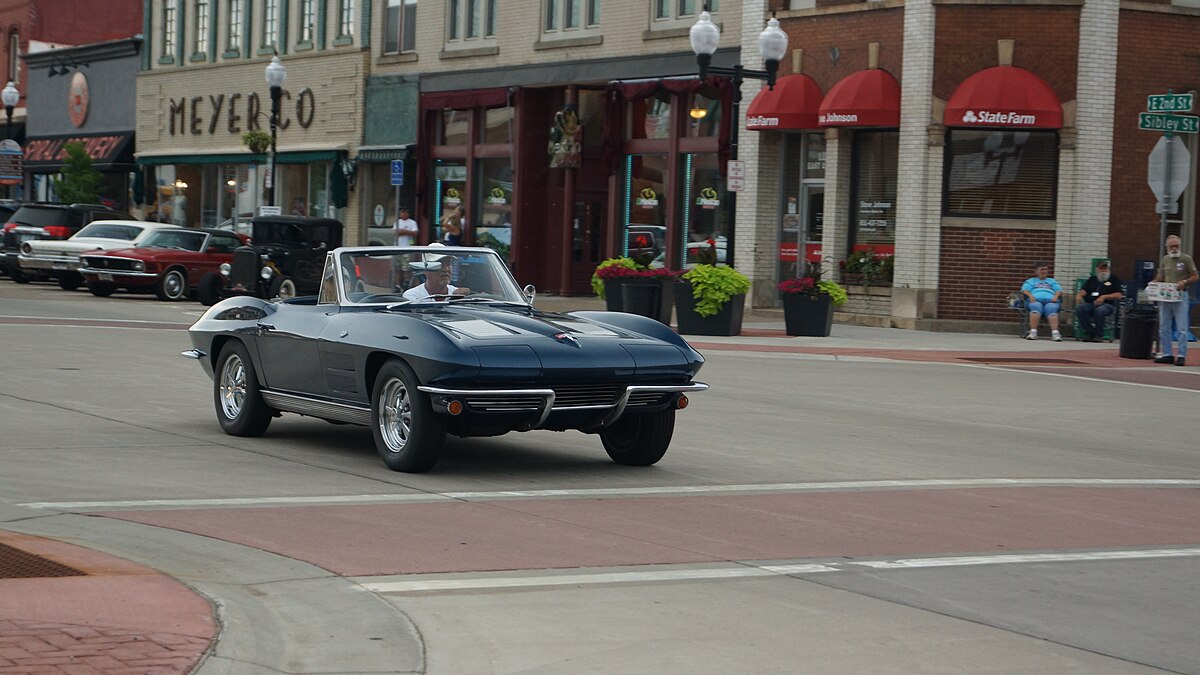
The C2 Corvette Sting Ray didn’t just raise the bar, it threw it into another dimension entirely. That split rear window on the ’63 coupe became automotive folklore, while the hidden headlamps and dramatic body sculpting wrote new rules for American sports cars.
Every Corvette since owes something to this generation’s aggressive stance and driver-focused philosophy. The dramatic fender peaks and pinched waist created tension in the design that made it look fast standing still. Starting around $4,250, it proved American sports cars could compete with European exotics on style, not just straight-line speed.
Modern mid-engine Corvettes may have moved the engine, but they carry forward that same commitment to dramatic, uncompromising design.
1964 Ford Mustang

The original pony car created an entirely new market segment and established design cues that Ford literally cannot stop using. That long hood, short deck proportion became the signature of American muscle, instantly recognizable from any angle.
Modern Mustangs proudly wear their heritage with tri-bar taillights, a galloping horse badge, and side scoops that all trace back to this 1964½ legend. The original democratized performance at just $2,368, making it accessible to young buyers and establishing brand loyalty that spans generations. Those sculpted side panels and aggressive front end created a design language that balanced sportiness with everyday usability.
Six decades later, designers still reference the original when sketching new Mustangs, proving some ideas are simply timeless.
1966 Lamborghini Miura
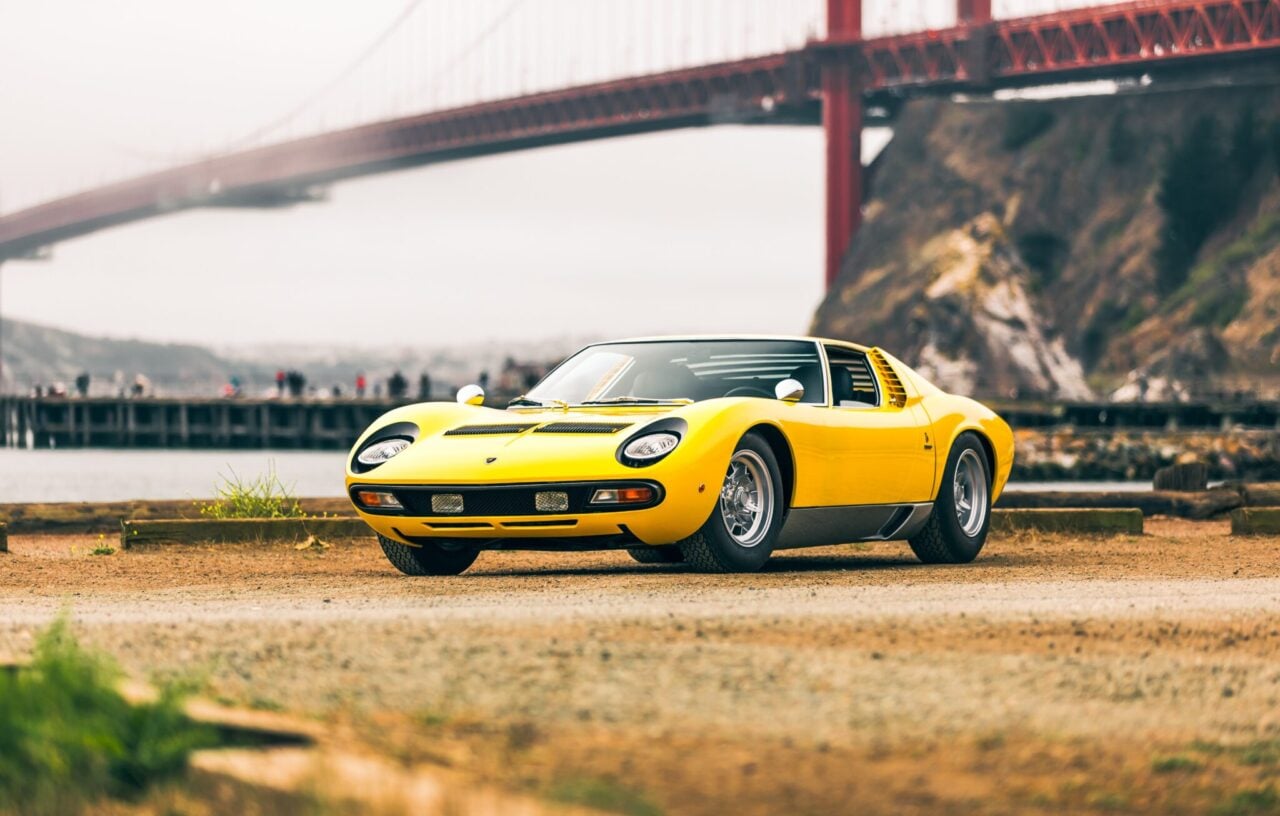
The Miura essentially invented the modern supercar formula: mid-engine layout, dramatic wedge shape, and presence that stops traffic at fifty paces. Those distinctive eyelashes around the headlights and the sensuous curves influenced everything from the Countach to today’s Aventador.
The low-slung profile and wide stance established proportions that every supercar since has tried to emulate. Marcello Gandini’s design proved that functional aerodynamics could be heart-stoppingly beautiful, creating tension between curves and angles that still defines exotic car design. At around $20,000 new, it was astronomically expensive, but it delivered theater that justified every penny.
Modern supercars may have more computing power in their climate controls than the Miura had in total, but they’re all chasing the same dream this car crystallized.
1968 Dodge Charger

Few cars capture pure American muscle attitude like the second-generation Charger, and its influence echoes loudly in Dodge’s modern lineup. That fastback roofline, recessed grille, and muscular haunches created an aggressive stance that modern Chargers reference directly.
The hidden headlights and full-width taillights were design risks that paid off, creating a distinctive face and rear end that remain iconic. Starting around $3,040, it brought big-block performance with styling that looked ready to rumble. The way it combined elegance with aggression, gentleman assassin in sheet metal, established Dodge’s performance identity.
When designers at Dodge sketch new performance cars, you can bet there’s a ’68 Charger photo pinned to the mood board.
1970 Plymouth Barracuda

The third-generation ‘Cuda took the pony car formula and cranked everything to eleven, creating a design so aggressive it still looks contemporary. Those dramatic fender flares, the split grille, and shaker hood scoop weren’t subtle, they were a manifesto about putting performance first.
Modern muscle cars learned from the ‘Cuda that distinctive details matter: aggressive fender lines, a wide stance, and purposeful scoops all trace back to this era. The way it visually communicated power through proportion and details influences how performance cars are styled today. At around $2,865 base, it made high-impact design accessible, though the Hemi and 440 Six-Pack models commanded serious premiums.
That commitment to visual drama over subtlety remains a touchstone for American performance design.
1974 Lamborghini Countach

The Countach didn’t evolve automotive design, it detonated it and rebuilt something entirely new from the pieces. Those razor-sharp angles, scissor doors, and wedge profile established the supercar aesthetic that dominated for decades.
Modern cars like the Aventador and Huracán carry forward that same commitment to dramatic, angular design that prioritizes visual impact. The Countach proved that a car could be a poster on wheels, art that happened to move, and every exotic since has tried to capture that magic. Starting around $52,000, it was exclusive by design, but its influence spread far beyond its wealthy owners.
That poster on your childhood wall helped shape what modern designers think a dream car should look like.
1975 BMW 3 Series (E21)

The original 3 Series established the compact sports sedan formula that BMW has refined but never abandoned. Those clean lines, kidney grilles, and perfect proportions created the template for the ultimate driving machine philosophy.
Modern 3 Series carry forward that same commitment to balanced design: nothing excessive, everything purposeful. The Hofmeister kink in the C-pillar remains a BMW signature, connecting every generation back to this original vision. Starting around $6,800 in the US, it brought European driving dynamics to American buyers ready for something different.
That focus on driver-oriented design over pure luxury established BMW’s identity and influenced how every sport sedan since balances comfort with engagement.
1982 DeLorean DMC-12
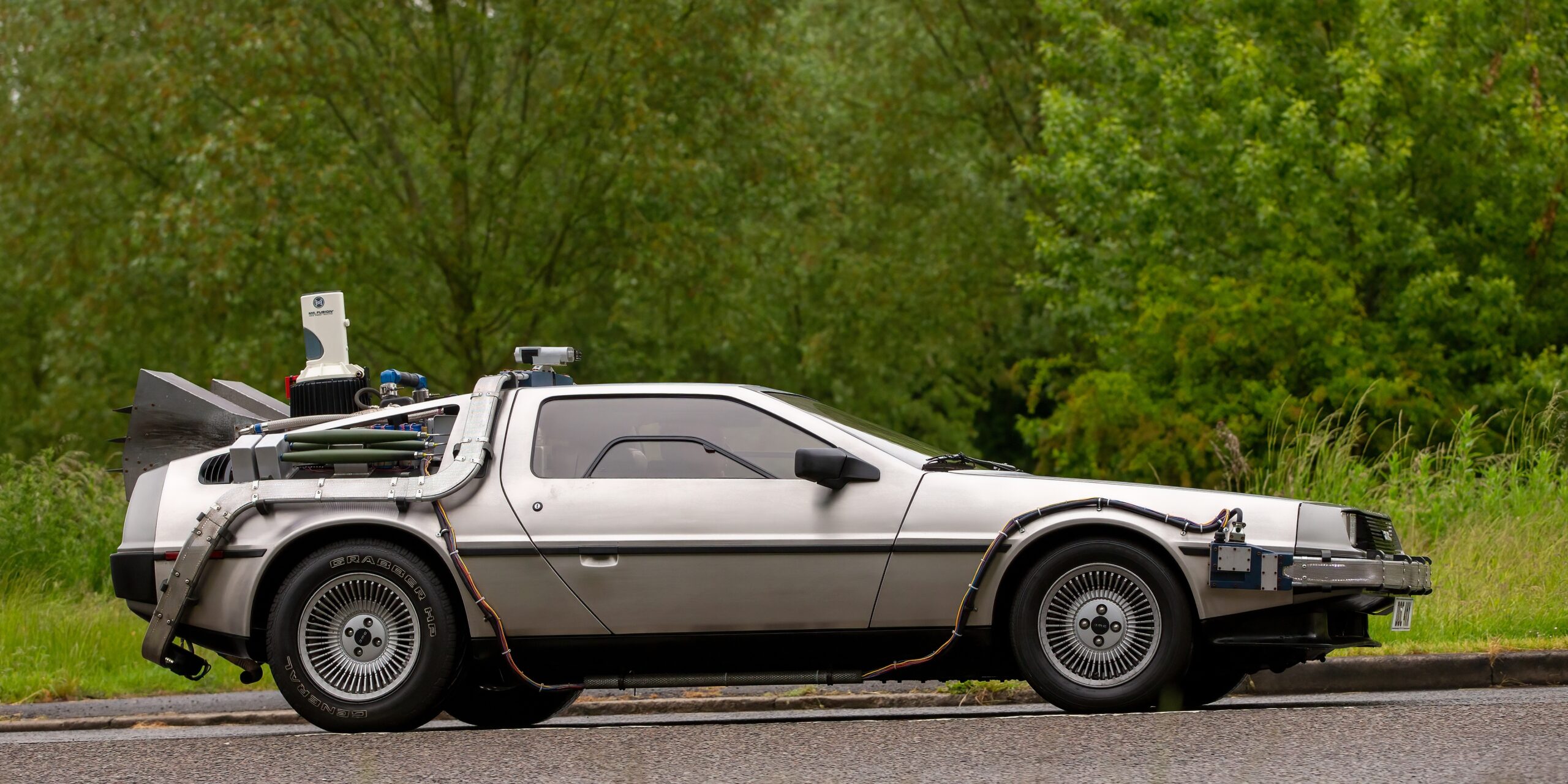
The DeLorean proved that stainless steel could be shmexy and that gullwing doors weren’t just for Mercedes. Those sharp angles and futuristic details influenced how designers think about creating cars that look ahead rather than copying what came before.
While the DMC-12 itself struggled with production issues, its design philosophy, be bold, be different, be memorable, influences modern designers who want to break from convention. The wedge profile and geometric shapes showed up in everything from Cybertruck concepts to modern electric vehicle designs. With an MSRP around $29,825 for 1982, it positioned itself as attainable exotic, though production challenges complicated that vision.
Sometimes the most influential designs come from cars that dared to be different, even if they didn’t achieve commercial success.
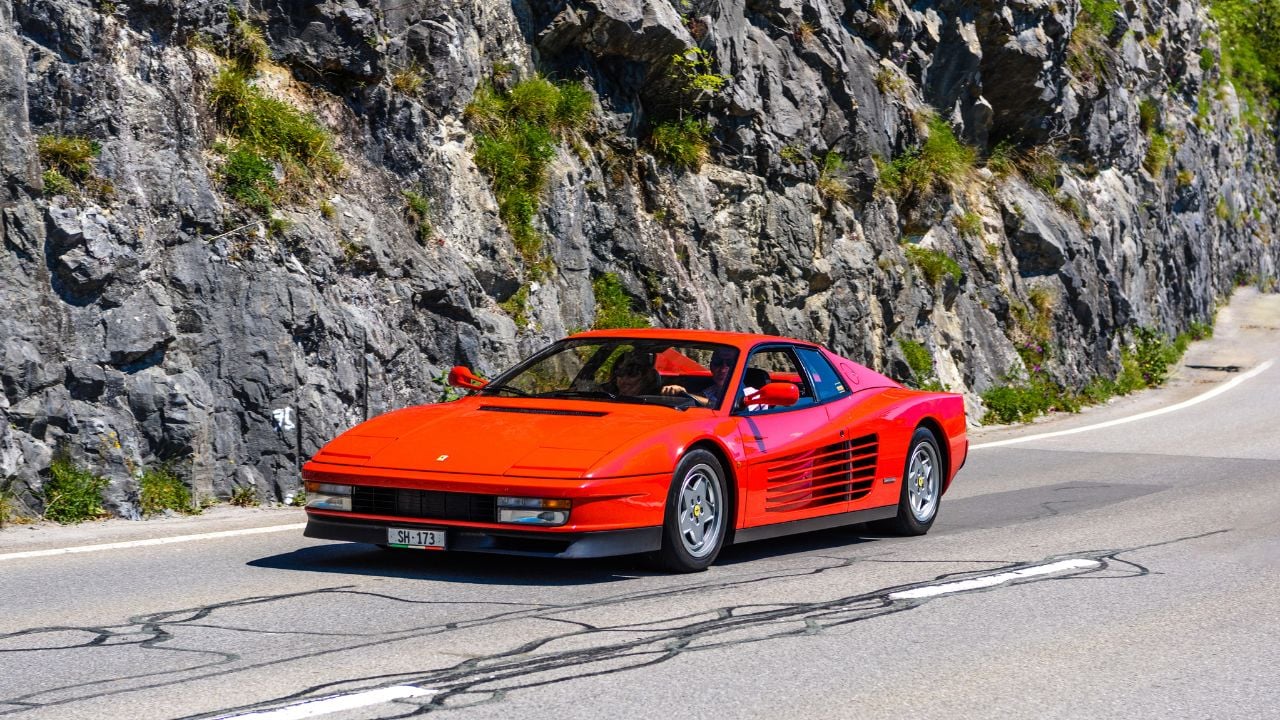
1984 Ferrari Testarossa

The Testarossa took the wedge-shaped supercar formula and added Italian flair through those side strakes that became instantly iconic. That wide, low stance and dramatic side cooling vents influenced an entire generation of exotic car design.
Modern Ferraris still reference the Testarossa’s commitment to functional drama, those strakes weren’t just decoration, they fed air to side-mounted radiators. The pop-up headlights and angular profile captured 1980s design philosophy at its peak, showing that aggressive could also be sophisticated. With a mid 1980s U.S. base price around $94,000, it represented the absolute pinnacle of automotive excess and achievement.
That combination of performance engineering and dramatic styling established Ferrari’s modern design language of purposeful aggression.
Conclusion
These twelve classics didn’t just define their eras: they created blueprints that designers still reference when sketching tomorrow’s dream machines. From the democratic beauty of the Bel Air to the exotic drama of the Testarossa, each car solved the puzzle of making metal, glass, and rubber into something emotional.
Modern cars may pack more technology, safety, and efficiency, but they’re standing on the shoulders of these legends every time they try to stir souls. The best automotive designers understand that you have to know where you came from to figure out where you’re going. Next time you spot a design detail on a modern car that makes you stop and stare, chances are good you’re seeing an echo of these golden years, when every new model year felt like the future rolling into your driveway.
That’s not nostalgia, that’s respect for getting it right the first time.