There’s something visceral about the whine of a supercharger that turbos just can’t replicate. While turbochargers have dominated the conversation in recent years thanks to efficiency mandates and packaging advantages, supercharged engines offer instant throttle response and a mechanical symphony that connects driver to machine in a more intimate way.
The problem is, many of these supercharged gems have been overshadowed by their turbocharged competitors or simply flew under the radar during their production runs. These aren’t forgotten failures or automotive footnotes — they’re legitimately impressive machines that deserved more time in the spotlight.
From affordable sports cars to luxury sleepers, these supercharged vehicles represent some of the most enjoyable driving experiences available, even if they didn’t always get the recognition they earned.
2006-2007 Chevrolet Cobalt SS/Saturn Ion Red Line

The Cobalt SS and its corporate cousin the Ion Red Line proved that supercharged front-wheel-drive economy cars could deliver genuine thrills without breaking the bank.
With 205 horsepower from their 2.0-liter Ecotec engines, these compact rockets offered impressive performance that punched well above their economy car weight class. The supercharger provided immediate power delivery that made these cars feel more responsive than their horsepower numbers suggested, and they handled surprisingly well thanks to sport-tuned suspensions.
While Chevrolet later switched to a turbocharged version of the Cobalt SS that made more power, the original supercharged model had a linearity and eagerness that made it easier to drive at the limit. These cars represented an accessible entry point into performance driving, yet they’ve largely been forgotten in favor of their hot hatch competitors.
They deserve recognition as the scrappy underdogs that showed Detroit could build a proper sport compact.
2003-2004 Ford Mustang SVT Cobra (Terminator)

The “Terminator” Cobra stands as one of the most significant performance Mustangs ever built, yet it often gets overshadowed by newer Shelby variants in modern discussions. Its supercharged 4.6-liter V8 produced an underrated 390 horsepower and 390 lb-ft of torque, with many examples making significantly more at the wheels than Ford claimed.
The Eaton supercharger provided strong mid-range punch that made the car feel muscular across the entire rev range, not just at high RPMs. What made this Cobra special was its combination of straight-line performance and improved handling dynamics that addressed the criticisms of previous Mustang generations. Independent rear suspension, Brembo brakes, and a limited-slip differential turned it into a well-rounded sports car rather than just a drag strip specialist.
These cars have become collector items among Mustang enthusiasts, but they deserve wider recognition as the template that influenced Ford’s modern performance strategy. The Terminator proved that American performance could evolve beyond straight-line brute force.
2013-2016 Jaguar F-Type V6 S

While the V8-powered F-Type variants grabbed most of the headlines, the supercharged V6 S model offered a sweeter balance of performance, handling, and character that many enthusiasts overlooked.
The 380-horsepower supercharged 3.0-liter V6 produced a spectacular sound that rivaled many V8s, complete with theatrical pops and crackles on overrun. This engine’s lighter weight over the front axle meant the V6 S actually handled more nimbly than its bigger-engined siblings, turning the F-Type into a genuine driver’s car. The supercharger provided smooth, linear power delivery that made the car feel quick without being intimidating, perfect for enjoying winding roads without constantly worrying about losing your license.
Jaguar’s styling was equally stunning across the range, so V6 buyers didn’t sacrifice any visual drama. These cars offered about 90 percent of the V8’s thrills at a more accessible price point, yet they’ve been underappreciated in a market that always gravitates toward the biggest engine option.
The V6 S proved that sometimes the mid-range model is actually the sweet spot.
2008-2015 Cadillac CTS-V (Second Generation)

The second-generation CTS-V brought supercharged V8 power to the luxury sedan segment in a package that could genuinely compete with the best Germany had to offer. Its 6.2-liter LSA V8 produced 556 horsepower and 551 lb-ft of torque, figures that put it in supercar territory while maintaining four-door practicality.
The Magnetic Ride Control suspension allowed it to be comfortable during daily commuting yet transform into a track weapon when pushed hard. While BMW M5s and Mercedes E63 AMGs typically dominate conversations about performance sedans, the CTS-V offered comparable performance with a more distinctive character and often better value. The supercharger whine mixing with the V8 rumble created an addictive soundtrack that made every acceleration run an event.
These sedans proved that American luxury brands could build world-class performance cars, yet they’re often overlooked in favor of their European rivals. The second-gen CTS-V deserves recognition as one of the greatest performance sedans of its era.
1999-2003 Ford Lightning SVT F-150

Long before performance trucks became mainstream, Ford’s SVT division created the Lightning — a supercharged pickup that could outrun contemporary Camaros and Mustangs. The second-generation Lightning packed a supercharged 5.4-liter V8 producing 360-380 horsepower depending on the model year.
This wasn’t just a straight-line monster — the Lightning featured lowered suspension, improved brakes, and handling upgrades that made it surprisingly capable in corners for a full-size truck. The Eaton supercharger’s distinctive whine announced your arrival while delivering instant torque that made the Lightning feel like it defied physics. You could haul a load of lumber to the job site, then embarrass sports cars at the stoplight on the way home.
The Lightning’s aggressive bodywork, including distinctive side skirts and a rear spoiler, made its performance intentions clear without being cartoonish. These trucks have developed a cult following among enthusiasts, but they deserve wider recognition for pioneering the performance truck segment that’s now dominated by Raptor variants and TRX models. The Lightning proved that trucks could be genuine performance vehicles without sacrificing their utility.
2011-2014 Range Rover Sport Supercharged

The Range Rover Sport Supercharged brought proper sports car acceleration to the luxury SUV segment years before such performance became commonplace. Its 5.0-liter supercharged V8 produced 510 horsepower, enough to launch this substantial SUV to 60 mph in well under 5 seconds — figures that embarrassed many dedicated sports cars.
The supercharger provided instant throttle response that made the Sport feel more agile than its 5,500-pound curb weight suggested, and the engine’s linear power delivery made it easy to modulate in slippery conditions. While maintaining Range Rover’s legendary off-road capability and luxurious interior appointments, the Supercharged variant added a sporting character that transformed the driving experience.
These SUVs proved that luxury and performance weren’t mutually exclusive, yet they’ve been overshadowed by newer performance SUVs from Porsche, BMW, and Mercedes. The Supercharged Range Rover Sport deserves recognition for establishing many of the benchmarks that later performance SUVs would chase.
It showed that a luxury SUV could genuinely be exciting to drive without sacrificing any of its practical capabilities.
2010-2015 Audi S4 (B8 Generation)

The B8-generation S4 marked Audi’s switch from a naturally aspirated V8 to a supercharged 3.0-liter V6, and while some purists initially complained, the new engine proved to be a revelation.
Producing 333 horsepower, the supercharged V6 offered stronger low-end torque than the old V8 while being more fuel-efficient and reliable. The Eaton supercharger’s instant response meant no turbo lag, giving the S4 the kind of immediate throttle response that makes cars feel alive. Combined with Quattro all-wheel drive and Audi’s excellent interior quality, the B8 S4 became one of the best all-around sport sedans available.
Its understated styling meant it could fly under the radar while delivering performance that rivaled much flashier competitors. While newer turbocharged models have replaced it, many enthusiasts argue the supercharged B8 S4 represented the sweet spot in the model’s evolution.
This generation deserves more recognition for proving that downsizing didn’t have to mean compromising the driving experience.
2015-2023 Dodge Charger/Challenger Hellcat

Yes, the Hellcat has plenty of fans, but even with all the attention it’s received, these supercharged monsters deserve even more appreciation for what they represent. Despite incredible drag performance, the Hellcat is often the subject of hate and scrutiny on social media.
Packing a supercharged 6.2-liter Hemi V8 with 707 horsepower (and later variants pushing even higher), the Hellcat brought legitimate supercar performance to the muscle car segment at almost affordable prices. The massive IHI supercharger sitting atop the engine produced an intoxicating whine that became the soundtrack for a generation of automotive enthusiasts.
What makes these cars special isn’t just the outrageous power figures — it’s that Dodge actually built them for regular customers rather than limiting them to special editions. You could walk into a dealership and order a family sedan or coupe with more horsepower than a contemporary Ferrari, and that democratization of extreme performance deserves celebration. The Hellcat proved that old-school American performance still had a place in the modern era, complete with modern technology and refinement.
These cars represent automotive excess in the best possible way, and their cultural impact extends beyond just their impressive specifications.
2008-2009 Pontiac G8 GT/GXP

The Australian-built Pontiac G8 brought rear-wheel-drive V8 performance to the sedan segment just before the brand’s unfortunate demise. While the GT model came with a 361-horsepower V8, the rare GXP variant packed a 415-horsepower LS3, and both platforms proved ideal for aftermarket supercharger installations.
These sedans offered a unique combination of genuine four-door practicality, impressive build quality, and muscle car performance that appealed to enthusiasts who needed adult-sized back seats. The platform’s excellent dynamics and balanced chassis made them rewarding to drive on back roads, not just effective in straight-line acceleration. Unfortunately, timing couldn’t have been worse — the G8 arrived just as the economy collapsed and GM was restructuring, limiting its production run to just two model years.
Many enthusiasts have recognized the G8’s potential and turned them into supercharged sleepers that can embarrass dedicated sports cars. This sedan deserves appreciation as one of the last great rear-wheel-drive performance sedans before the market shifted toward crossovers and SUVs.
2017-2020 Jaguar F-Pace S

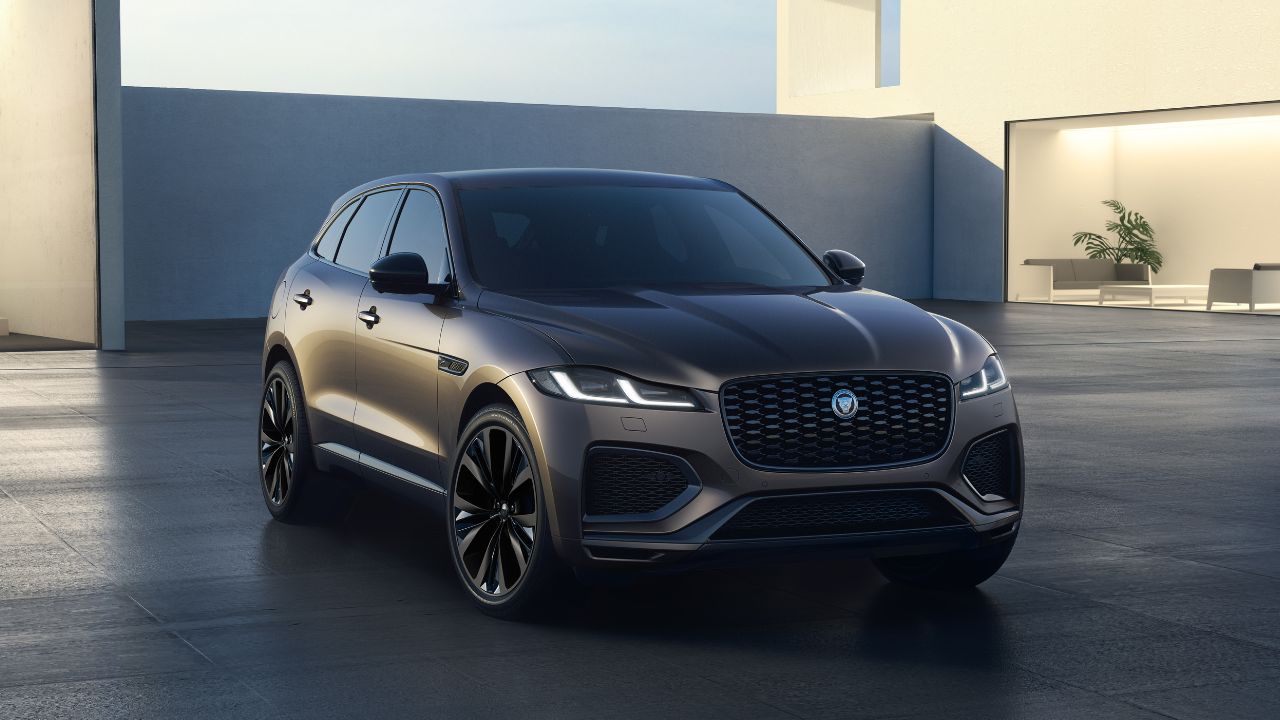
The F-Pace S brought Jaguar’s supercharged performance expertise to the competitive luxury crossover segment with style and substance. Its supercharged 3.0-liter V6 produced 380 horsepower, giving this practical SUV acceleration that rivaled many sports cars while maintaining impressive handling dynamics.
The aluminum-intensive construction kept weight in check, allowing the F-Pace S to feel more agile than competitors from Germany that often prioritized gadgets over driving dynamics. Jaguar’s commitment to driver engagement meant the F-Pace S actually rewarded enthusiastic driving rather than just tolerating it like many luxury crossovers. The supercharger’s linear power delivery and immediate throttle response made it easy to place the car precisely in corners, qualities that are rare in the SUV segment.
While it competed against Porsche Macans and BMW X3s, the F-Pace S offered a distinctive British character and stunning design that set it apart. This crossover proved that Jaguar could translate its sports car DNA into a practical family vehicle without compromising what made the brand special.
2003-2005 Mercedes-Benz C32 AMG

The C32 AMG represented Mercedes’ first foray into supercharged AMG performance in the compact executive segment, and it remains one of the most underappreciated AMGs ever built. Its supercharged 3.2-liter V6 produced 349 horsepower and 332 lb-ft of torque, making it the fastest C-Class of its generation.
The Kompressor supercharger provided immediate throttle response that made the C32 feel more eager than the numbers suggested, and it could sprint to 60 mph in just 4.9 seconds. What made this car special was its Q-ship character — it looked like a regular C-Class with subtle AMG badges, allowing owners to embarrass flashier sports cars without drawing attention. The supercharger whine mixed beautifully with the V6’s smooth power delivery, creating a sophisticated performance experience.
While it was later replaced by the naturally aspirated V8-powered C55 AMG, many enthusiasts prefer the C32’s compact dimensions and lighter weight over the front axle. These sedans have been overshadowed by newer AMG models, but they deserve recognition for establishing the template that would define modern AMG performance. The C32 proved that supercharged six-cylinders could deliver thrilling performance in a sophisticated package.
Conclusion

Supercharged engines represent a different philosophy of performance — one that prioritizes immediate response, mechanical character, and that distinctive whine over ultimate efficiency. These 12 vehicles demonstrate that forced induction doesn’t have to mean turbo lag or muted engine sounds, and that superchargers can deliver engaging driving experiences across multiple segments.
From affordable sport compacts to luxury SUVs, these supercharged machines offered compelling packages that unfortunately didn’t always receive the recognition they deserved during their production runs. The good news is that many of these vehicles are now available on the used market at prices that make them accessible to enthusiasts who appreciate their unique qualities. As the automotive industry transitions toward electrification, these supercharged engines represent a mechanical golden age that’s rapidly disappearing.
Whether you’re looking for your next project car or simply appreciating automotive history, these supercharged vehicles deserve a second look and renewed appreciation for what they accomplished.