
The automotive industry is at a genuine inflection point right now, and the next few years will show us what that actually looks like. We’re moving past the early adopter phase of electric vehicles and entering an era where EVs need to work for regular people with regular budgets.
At the same time, battery technology is making some real leaps forward, design languages are getting bolder, and legacy brands are finally throwing serious resources at electrification. The cars coming in 2026 and beyond aren’t just iterations, many represent fundamental shifts in how manufacturers think about building vehicles.
Here are 11 that stand out for pushing the industry somewhere new.
Rivian R2 (2026)

Rivian’s compact crossover starts at $45,000 and is set to begin deliveries in early 2026, which positions it as the company’s first real attempt at a mass-market vehicle. This matters because Rivian has proven it can build excellent EVs; the R1T and R1S are genuinely impressive, but they’re expensive.
The R2 takes that same philosophy and tries to make it accessible, which is exactly what the EV market needs right now.
Sony Honda Afeela 1 (2026)
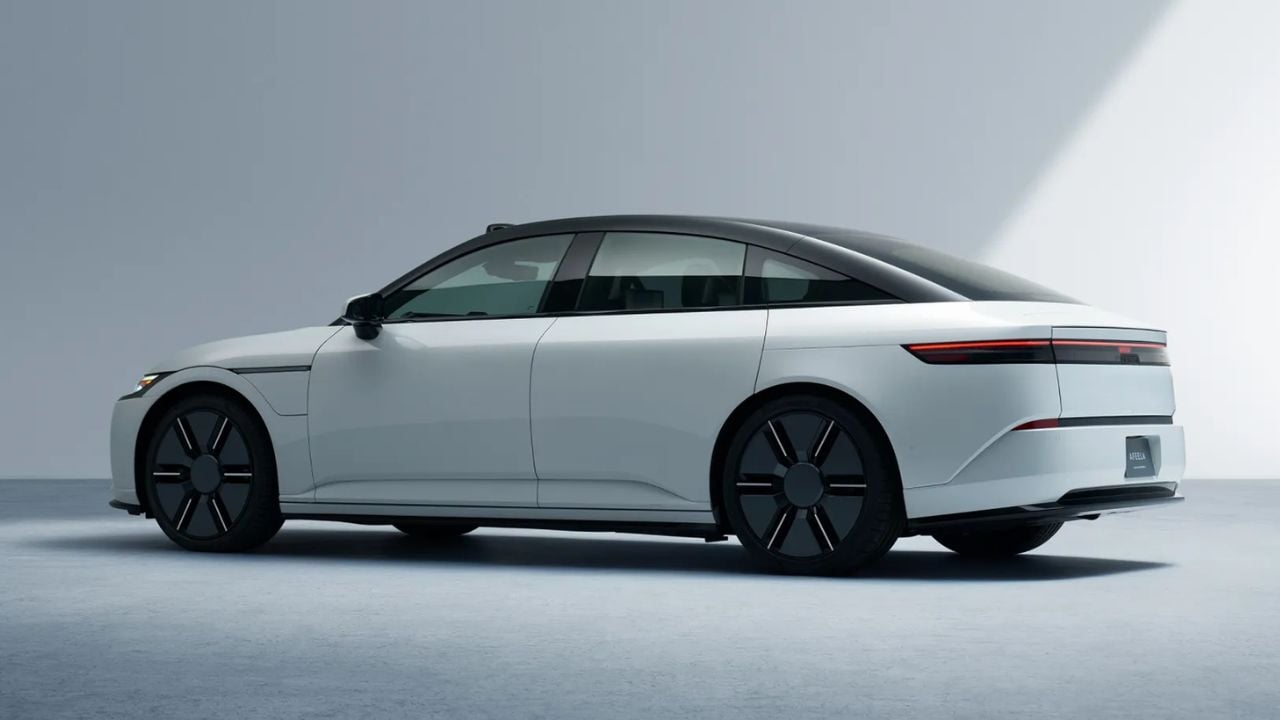
The Afeela 1 sedan arrives in 2026 with 40 sensors feeding a Level 2+ driver assistance system and an array of screens across the dashboard. This is what happens when an entertainment giant and an automaker actually collaborate instead of just licensing software.
Sony Honda Mobility is promising cutting-edge technology that draws on both companies’ expertise, and while that sounds like marketing speak, the sensor suite alone suggests they’re serious about it.
Porsche 718 EV (2027)

Porsche hasn’t officially released photos of the upcoming 718 EV, but spy shots of prototypes suggest it will borrow much of the Taycan’s design language, especially the slim, horizontal headlights and smooth, sculpted lines. The proportions still feel distinctly 718, just adapted for the electric era.
Porsche hasn’t confirmed platform or drivetrain specifics for the upcoming 718 EV yet. It’s expected to use a dedicated EV architecture and aim for the same light, agile feel as today’s 718, but details like base motor count and whether rear-wheel drive is standard are still unconfirmed. Porsche has already pushed the launch back at least once and continues to waver on its broader electric timeline, making this model one to watch.
As Porsche develops an electric 718 for the next era, it could prove pivotal. Much like the Cayenne two decades ago, the 718 EV could either spark controversy or end up redefining what enthusiasts expect from the brand and maybe from sports cars in general.
Lucid Gravity (2026)
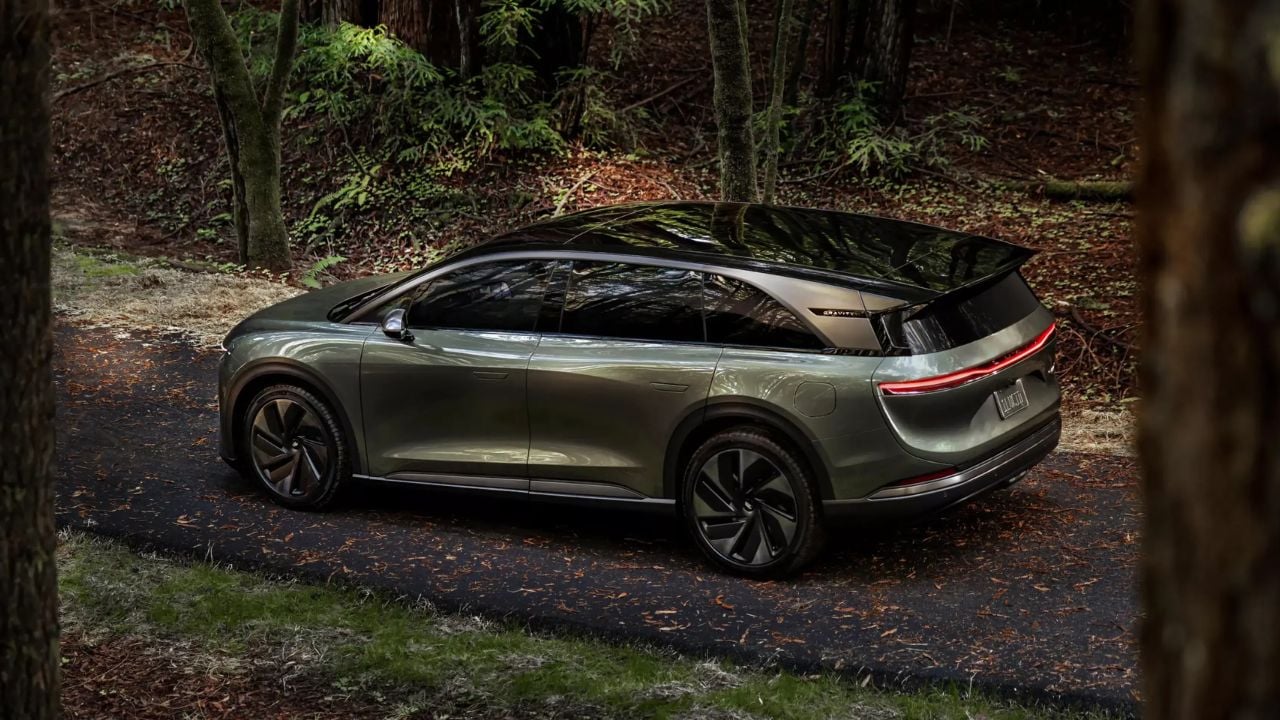
Lucid’s second vehicle is the 2026 Gravity SUV, featuring an upscale cabin and a maximum estimated range of 450 miles per charge. Lucid’s Air sedan proved the company knows how to engineer efficient electric powertrains, and 450 miles in an SUV is genuinely competitive.
It’s already getting good reviews, like this one from Car and Driver. The question is whether they can scale production and service to match their engineering ambitions.
Scout Terra and Traveler (2026-2027)
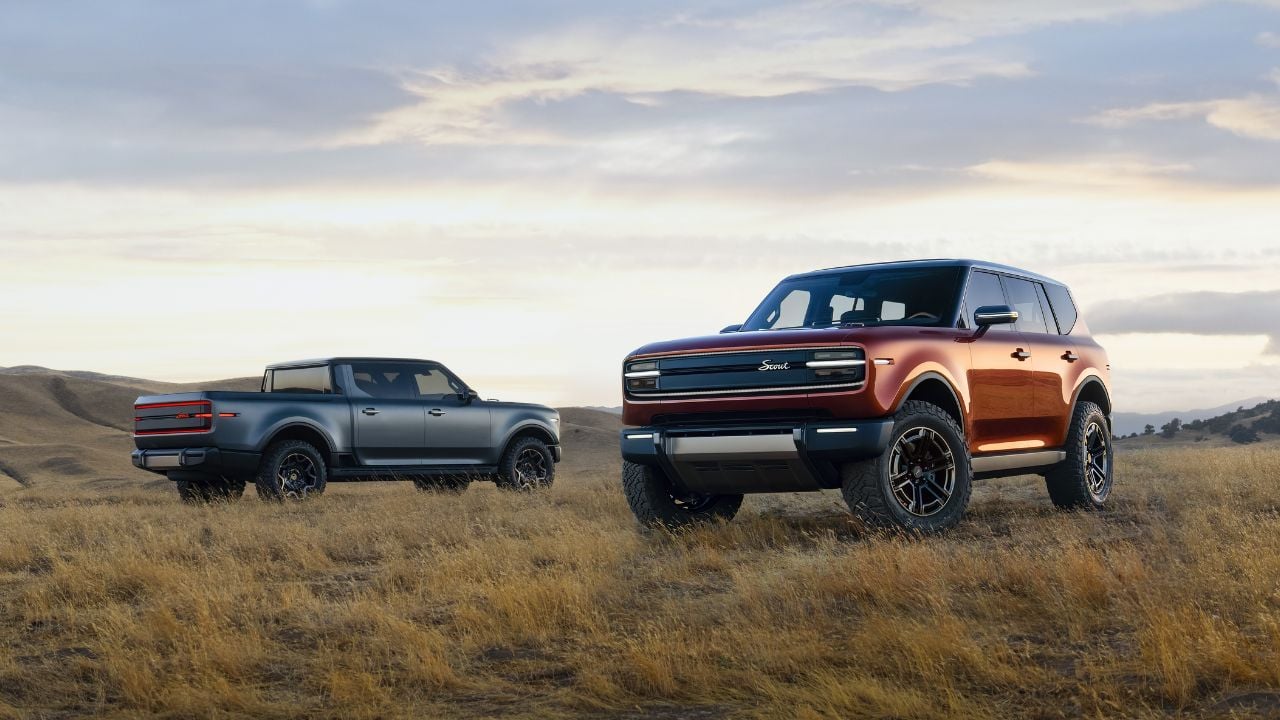
The Scout models will be available with a gas-powered range extender that brings total driving distance up to 500 miles, using a small engine as a generator. VW is reviving the Scout brand as a born-electric venture, and the range extender option is smart; it addresses the road trip anxiety that still keeps some buyers out of EVs without making the vehicles gas-dependent.
These are meant to compete with Rivian’s trucks off-road, and the approach could work.
Nissan LEAF (2026)
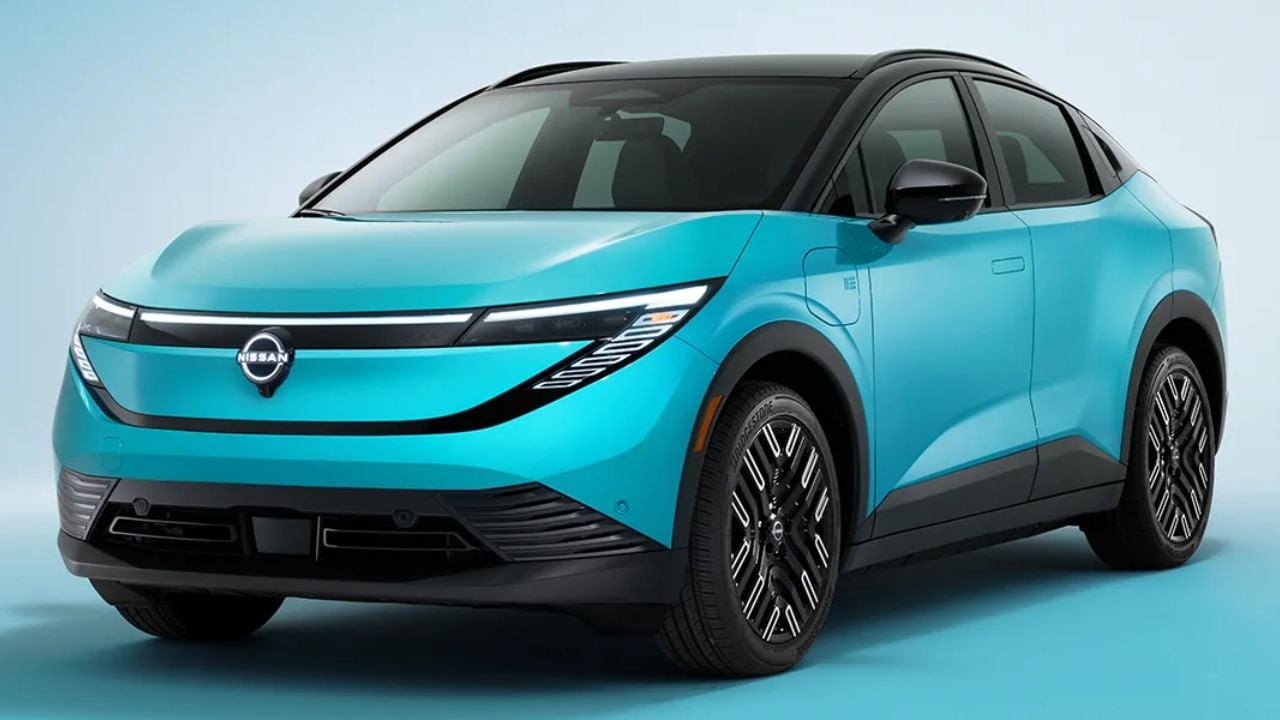
The all-new 2026 LEAF transforms into a small electric crossover SUV with five-passenger seating, a 303-mile range, and fast charging. Nissan essentially invented the mainstream EV with the original LEAF, and now they’re reinventing it as a crossover because that’s what people actually buy.
The 303-mile range puts it in genuinely usable territory, and if Nissan prices it right, this could be a volume player.
Toyota Solid-State Battery EVs (2027-2028)
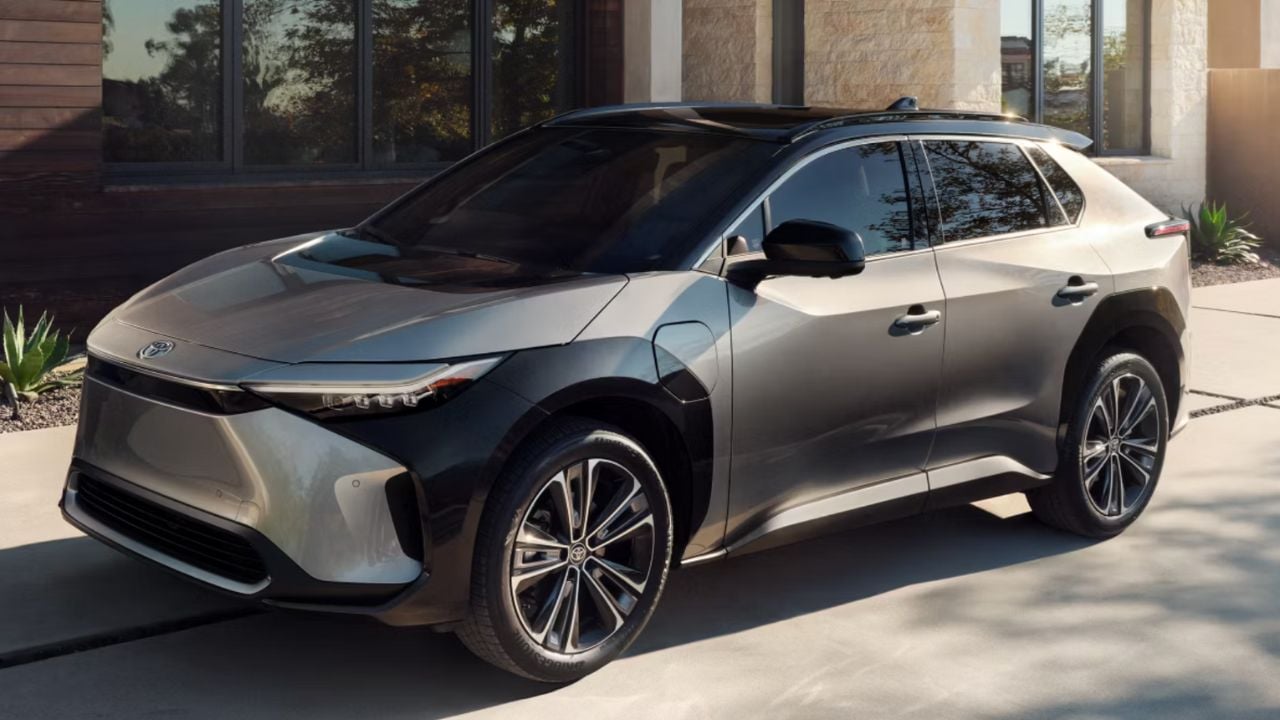
Toyota aims to launch its first all-solid-state battery-powered EV in 2027 or 2028, with broader scale-up expected later as manufacturing and materials supply chains mature. Solid-state batteries promise faster charging, longer range, and better safety than current lithium-ion technology.
Toyota has been methodical about electrification to a fault, but if they actually deliver on solid-state batteries at scale, it could leapfrog years of incremental improvements.
Dodge Charger Daytona with Factorial Solid-State Battery (2026)
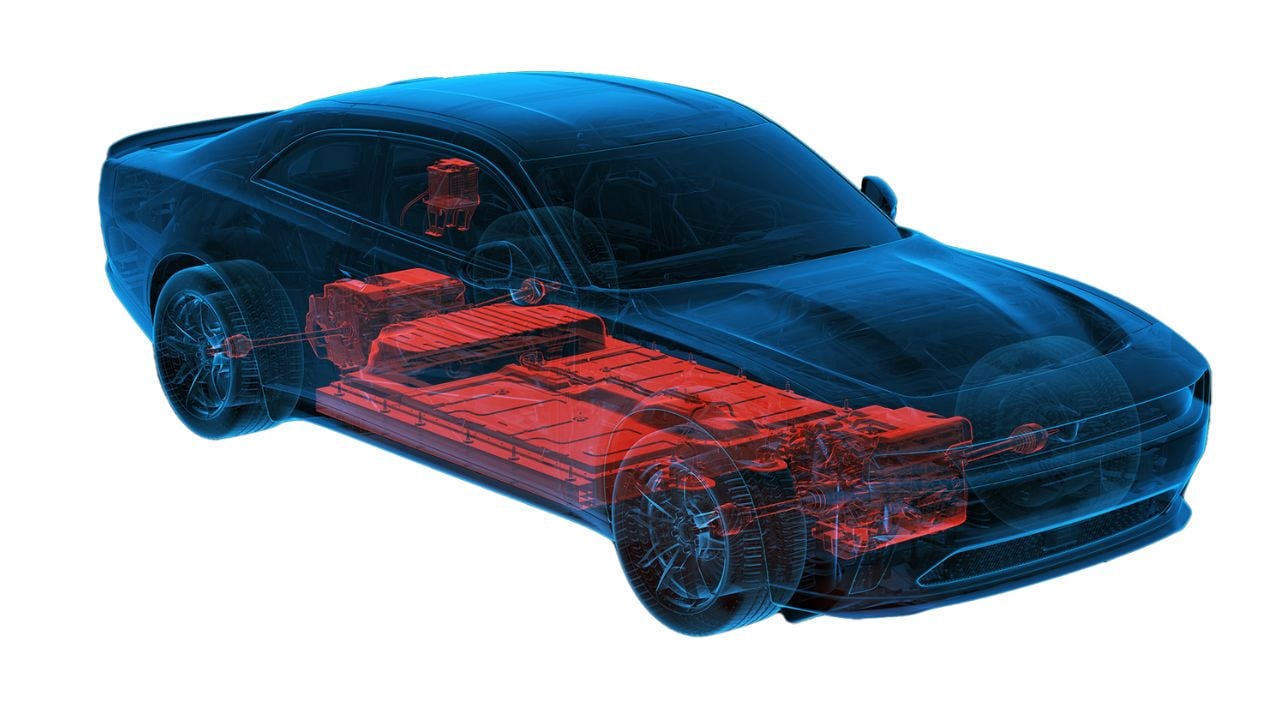
Stellantis says it will launch a 2026 demonstration fleet using Factorial solid-state battery cells (often reported as Dodge Charger Daytona EVs). Any energy-density figures should be attributed as targets/claims for the cells, since this is still pre-production hardware and specs can change. This is a demonstration fleet, not a production run, but it matters because it’s real hardware in real vehicles.
Solid-state technology has been “five years away” for about 15 years now, so seeing it in actual Chargers, even in limited numbers, would be meaningful progress.
Kia EV3 (2026)

The Kia EV3 is expected to reach markets in 2025–2026, but U.S. timing, pricing, and EPA range have not been confirmed. If you want to include numbers, make them clearly “estimated/reported” and tie them to a named source rather than presenting them as settled specs. Kia has been on a design tear lately, and the EV3 looks sharp while hitting a price point that could actually move volume.
If they can deliver 270 miles for under $35,000, that starts competing with gas crossovers on practical terms, not just environmental ones.
Mercedes CLA EV (2026-2027)
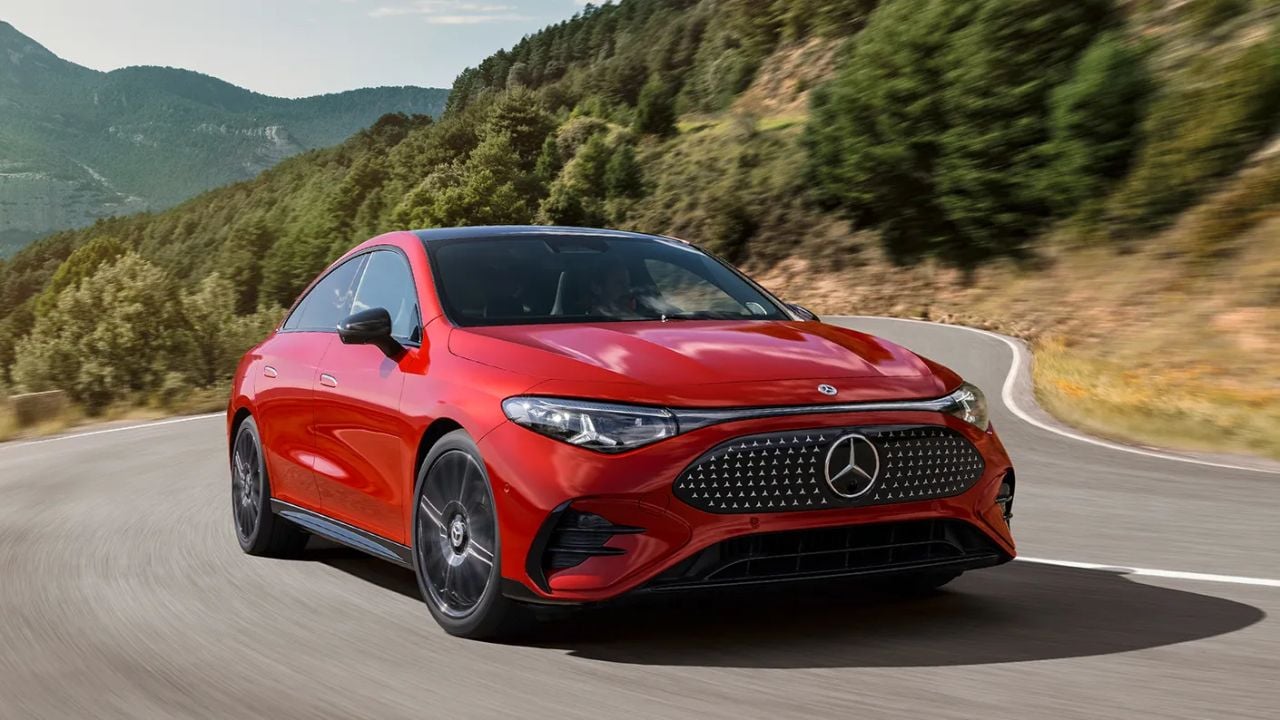
The fully redesigned CLA compact sedan will be offered in both electric and hybrid versions, with the all-electric variant available in either rear- or all-wheel drive. Mercedes building a compact EV sedan matters because it signals they’re taking electrification seriously in their volume segments, not just their flagship models.
The dual powertrain strategy, electric and hybrid, also acknowledges that not every market or buyer is ready to go full EV yet.
BMW iX3 (2026)

The 2026 BMW iX3 is an all-new electric SUV that arrives wearing the brand’s future design language. BMW is using the transition period to keep selling combustion models while it ramps up its next-generation EVs.
The iX3 should benefit from lessons learned with the i4 and iX. Since the X3 is one of BMW’s volume sellers, getting this right is crucial for their electrification timeline.
The Future is Almost Here

The common thread through most of these vehicles is practicality: real range, accessible pricing, and features that matter to people who actually drive cars every day. The technology is getting genuinely better, and the industry seems to be moving past the phase where EVs were primarily statements.
Some of these will succeed, some won’t, but collectively they represent an industry that’s finally building electric vehicles for the rest of us.