When you hear the term sports car, a familiar image usually comes to mind. For some enthusiasts, it’s the classic formula: two seats, a manual transmission, minimal weight, and a focus on driving purity over comfort. Others take a more modern view, expanding the definition to include grand tourers, high-performance coupes, or even sport sedans that can hold their own when the road—or track—gets demanding.
That difference in perspective matters because expectations shape what we notice and what we overlook.
Some sports cars defy expectations by delivering far more engagement than their price, reputation, or spec sheet suggests. Others challenge assumptions about what should count as a sports car at all, proving that four doors, turbochargers, or a luxury badge don’t automatically dilute the driving experience.
This list starts with a few choices even the most traditional sports-car purist would recognize without hesitation. From there, it gradually stretches the definition, highlighting cars that may not look like obvious sports cars on paper but absolutely earn the title behind the wheel.
Each of these cars defies expectations in its own way—and that’s exactly what makes them worth a closer look.
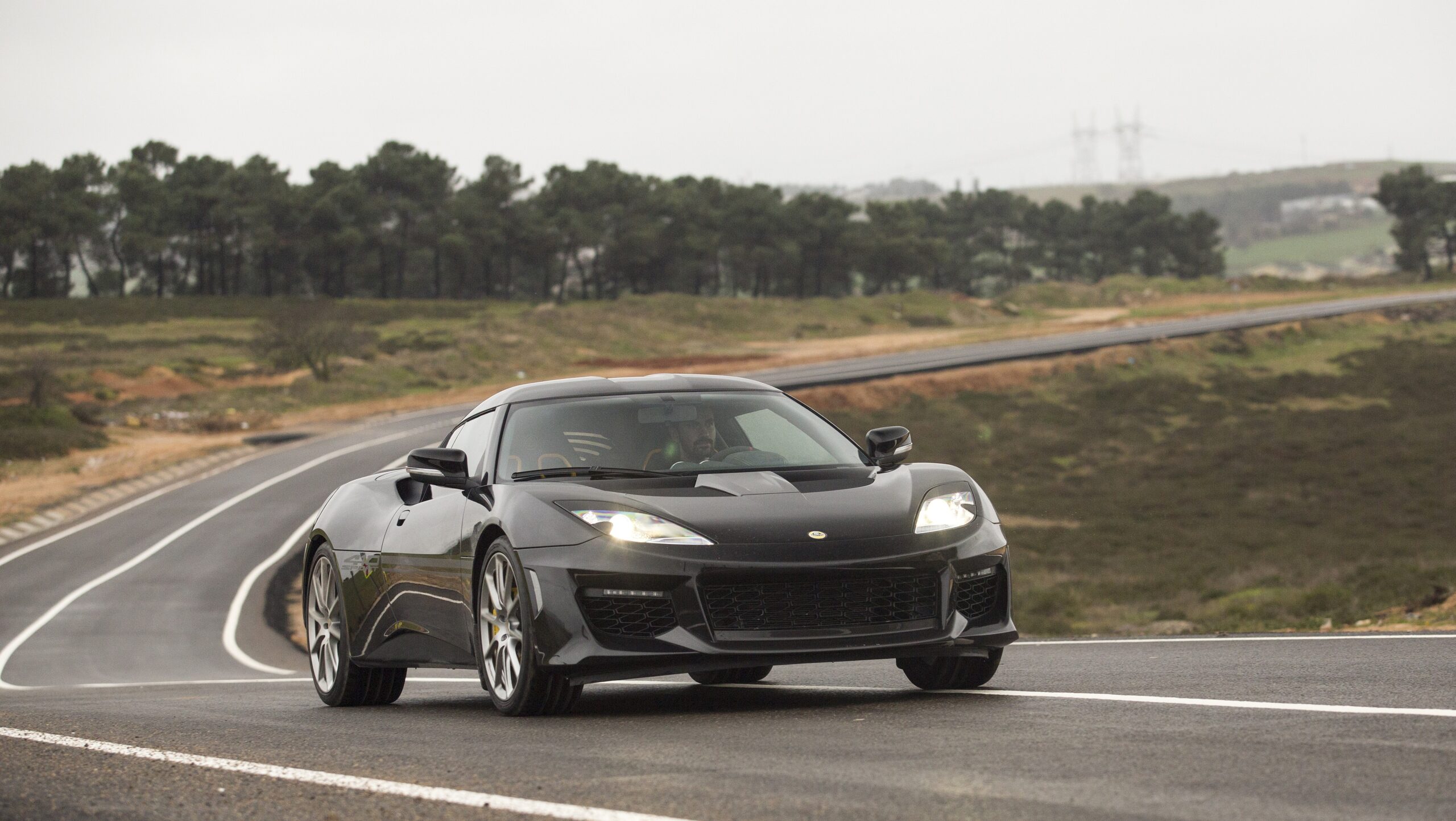
Lotus Evora GT
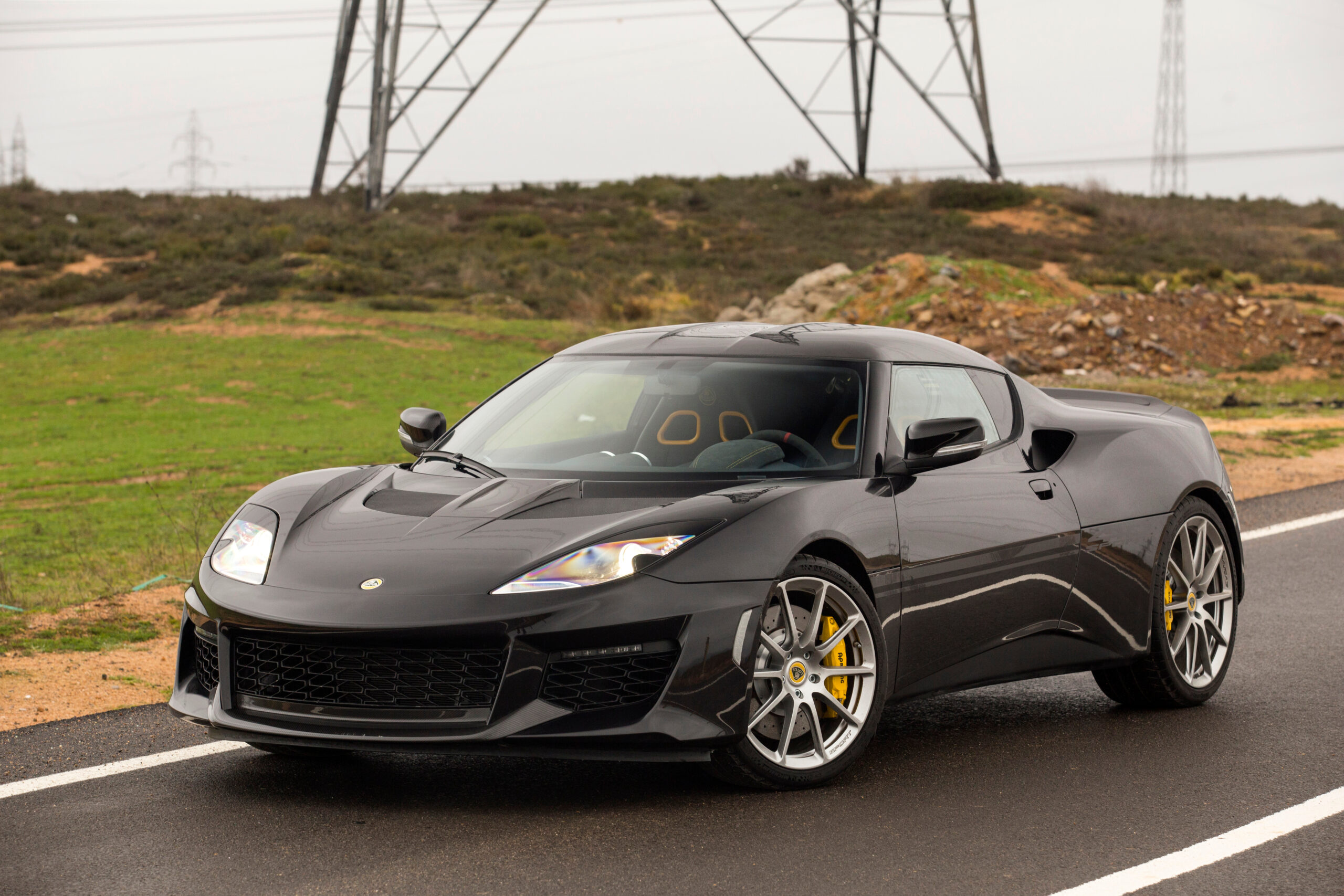
The Evora GT delivers the traits that traditionally define a true sports car: a lightweight aluminum chassis, a mid-engine layout, hydraulic steering, and suspension tuning that prioritizes feedback over outright comfort. It’s a car built around balance and communication rather than headline numbers.
What surprises people is how usable it is. The 3.5-liter V6—sourced from Toyota and tuned to 416 horsepower—brings durability and drivability that most low-volume sports cars struggle to match. Long drives don’t feel like a compromise, and ownership doesn’t come with the usual exotic-car anxiety.
The availability of a proper manual transmission only deepens the connection, giving the Evora GT an analog feel that’s becoming increasingly rare. It doesn’t shout for attention or chase trends, but once the road starts to twist, it becomes clear this is a sports car in the most traditional sense—just one that’s far more livable than its looks suggest.
BMW Z4 M40i

The Z4 M40i often gets reduced to “the comfortable Supra,” but that framing misses what it actually delivers. Long hood, rear-wheel drive, near-perfect weight distribution, and BMW’s turbocharged inline-six—this is a classic sports-car layout, just executed with modern refinement.
The 3.0-liter six makes 382 horsepower with the kind of smooth, elastic power delivery BMW has built its reputation on. Drop the soft top and the character of the engine becomes part of the experience, something the coupe-only alternatives can’t replicate. Steering and chassis tuning favor confidence and composure over razor-edge aggression, which makes the car feel fast and approachable rather than demanding.
It may lean more toward grand touring than track-day heroics, but that balance is exactly the point. The Z4 M40i proves that a sports car doesn’t need to punish its driver to be engaging—and that enjoyment isn’t diminished just because comfort and performance coexist.
Audi TT RS

The TT RS blends compact dimensions with serious performance hardware in a way few cars manage. Its turbocharged five-cylinder engine produces 394 horsepower and delivers a characterful soundtrack that stands apart in a world of increasingly similar four- and six-cylinder setups.
Quattro all-wheel drive gives the TT RS real-world usability and confidence in a wide range of conditions, while the short wheelbase and wide stance help it feel planted and responsive when pushed. It’s quick, composed, and deceptively capable on a challenging road.
Inside, Audi’s attention to detail shows through in materials, ergonomics, and overall build quality, making the TT RS as satisfying to live with as it is to drive hard. It may not announce its intentions loudly, but once you experience the way it delivers speed and grip, its sports-car credentials are impossible to ignore.
Nissan 370Z NISMO
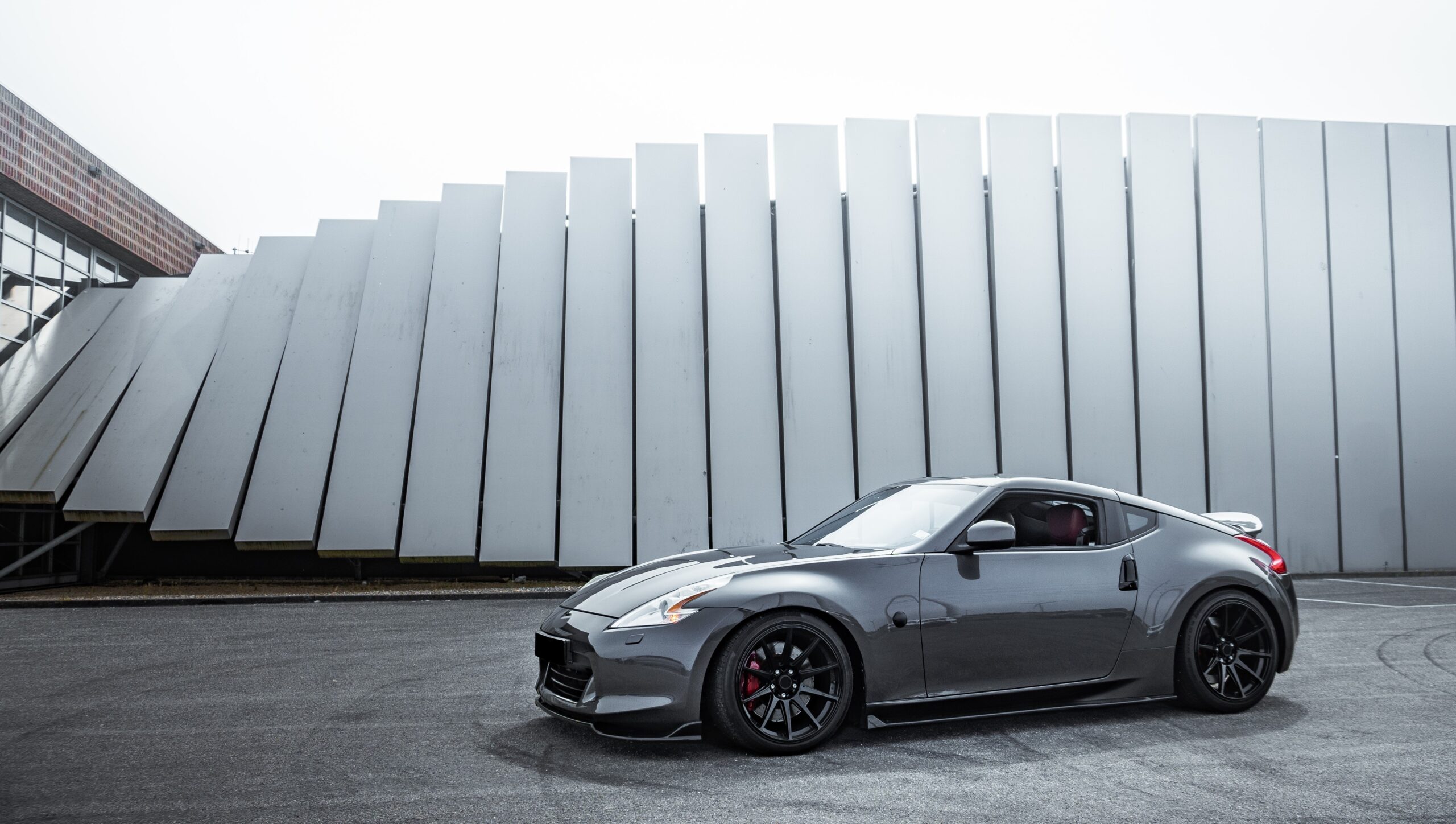
The 370Z NISMO represents a more traditional take on the modern sports car, prioritizing mechanical simplicity and driver engagement over constant reinvention. With rear-wheel drive, a naturally aspirated V6, and a short, wide stance, it sticks closely to a formula that has worked for decades.
While its power figures don’t chase trends, the NISMO-specific suspension tuning, limited-slip differential, and functional aerodynamic upgrades sharpen the car’s responses and give it a distinctly focused character. Steering feel is direct, throttle response is immediate, and the chassis communicates clearly when pushed hard.
It’s a sports car that rewards commitment rather than spec-sheet comparisons, offering a raw, connected driving experience that feels increasingly rare in an era dominated by turbocharging and digital filters.
Toyota GR86

The GR86 often gets framed as an entry-level car or something aimed squarely at younger enthusiasts, but that framing overlooks what actually matters once you’re behind the wheel. This is a lightweight, rear-wheel-drive coupe built around balance, feedback, and driver involvement—core sports-car priorities that haven’t changed with age.
Power isn’t the headline, and it doesn’t need to be. Near-perfect weight distribution, a responsive naturally aspirated engine, and a chassis that encourages momentum driving make the GR86 feel alive in ways far more powerful cars often don’t. It communicates clearly, rewards precision, and turns ordinary roads into something worth seeking out.
For experienced drivers, that simplicity is the appeal. The GR86 isn’t trying to impress with numbers or prestige—it’s reminding you why the fundamentals matter, and why a well-sorted sports coupe can still deliver genuine excitement without excess.
Jaguar F-Type V8
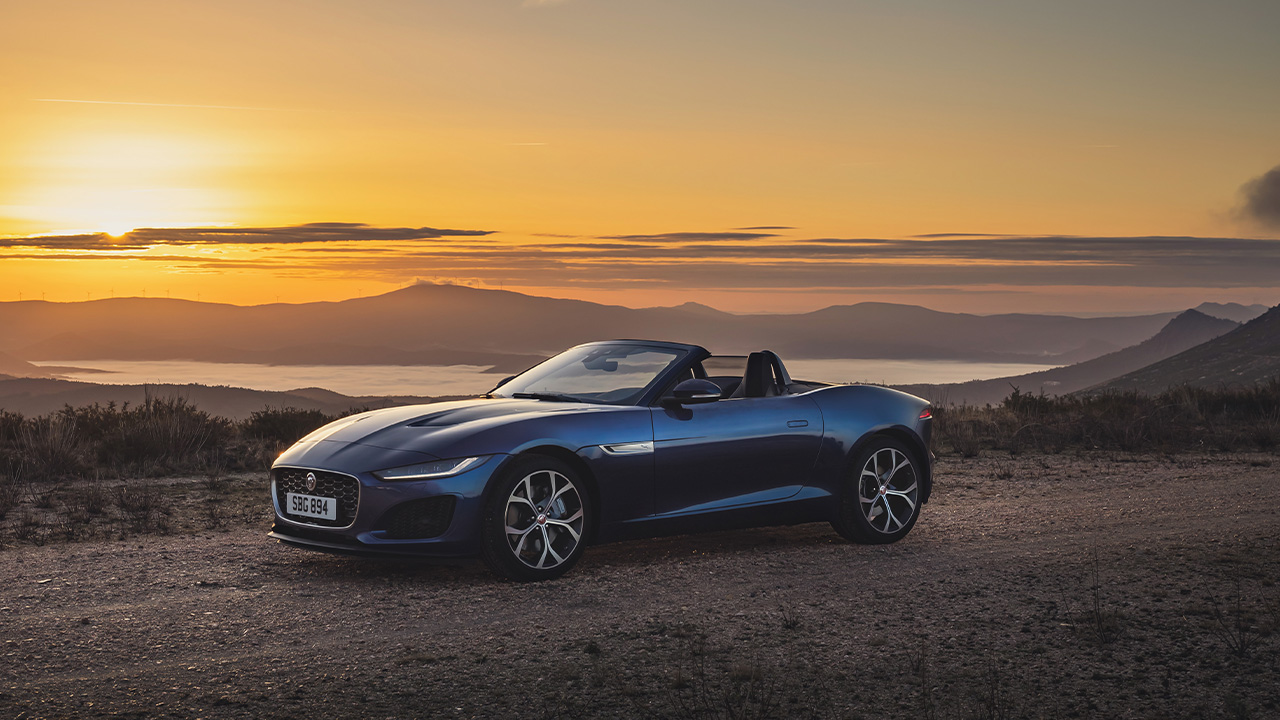
The Jaguar F-Type V8 pairs dramatic design with the mechanical substance to back it up. Beneath the sculpted bodywork sits a supercharged 5.0-liter V8 that delivers immediate throttle response, relentless acceleration, and one of the most distinctive exhaust notes of the modern era.
Power alone doesn’t define the F-Type’s character. A stiff aluminum structure, rear-biased balance, and properly sorted suspension give it real composure when pushed hard. It feels planted and confidence-inspiring on a fast road, yet remains communicative enough to reward deliberate inputs rather than brute force.
That blend of emotion and capability is very much in line with traditional British sports-car thinking. The F-Type V8 doesn’t trade driving substance for style—it simply proves you can have both, and still end up with a car that’s fully at home on track as well as on the street.
Ford Mustang EcoBoost

For decades, the thinking was simple: if you wanted a car that handled well, you bought a sports car; if you wanted straight-line speed, you bought a pony car with a V8. The latest generations of the Mustang quietly dismantle that divide.
In EcoBoost form, the Mustang takes on a different character. The turbocharged four-cylinder produces 310 horsepower, but more importantly, it lightens the front end, sharpening turn-in and improving balance in a way older Mustangs never managed. The result is a car that feels more composed and more willing to change direction than many expect from the badge.
Opt for the High Performance Package, and the transformation becomes even clearer. The EcoBoost Mustang trades drag-strip bravado for back-road confidence, proving that modern pony cars can deliver real sports-car engagement—and that a V8 isn’t the only recipe for serious driving fun.
Chevrolet Camaro SS 1LE

The Mustang isn’t alone in proving that pony cars can handle corners as well as straightaways. In SS 1LE form, the Camaro makes an even stronger case that traditional American performance doesn’t have to choose between power and precision.
The naturally aspirated V8 delivers 455 horsepower, but the real story is the hardware wrapped around it. The 1LE package brings track-focused suspension tuning, wider tires, upgraded cooling, and functional aerodynamic elements that dramatically sharpen the car’s responses. The chassis feels planted and controlled, encouraging confidence rather than intimidation when driven hard.
On a road course, the Camaro SS 1LE holds its own alongside dedicated sports cars, not by abandoning its muscle-car roots, but by refining them. It’s proof that with the right engineering focus, a pony car can be just as comfortable clipping apexes as it is lighting up the rear tires.
Cadillac CT5-V Blackwing

For years, the assumption has been that if a performance sedan can truly dance with sports cars, it must come from Germany. The CT5-V Blackwing quietly breaks that expectation by blending traditional American power with genuine driver-focused engineering.
Its supercharged 6.2-liter V8 delivers 668 horsepower, but what defines the experience is how that power is managed. Chassis tuning, magnetic ride control, and carefully balanced weight distribution give the car composure and precision that feel purpose-built rather than brute-force. The availability of a proper manual transmission reinforces that focus, prioritizing driver engagement over trend-following.
Despite its four doors, the Blackwing feels agile and communicative when pushed, shrinking around the driver in a way few sedans manage. It doesn’t imitate the European formula—it offers a compelling alternative, proving that a sports sedan capable of running with true sports cars doesn’t need a Stuttgart address to earn its credibility.
Genesis G70 3.3T

The G70 3.3T blends compact proportions with a rear-drive–based platform and a responsive twin-turbo V6, creating a sedan that feels far more athletic than its luxury-first image suggests. With 365 horsepower on tap and a chassis tuned for balance and control, it delivers confident acceleration and predictable handling when driven with intent.
Steering response and suspension tuning favor composure over softness, making the G70 comfortable on daily drives while remaining engaging on a demanding road. Available rear- or all-wheel drive further broadens its appeal, allowing it to perform consistently across a wide range of conditions without losing its driver-focused character.
It doesn’t rely on heritage or bravado to make its case. Instead, the G70 earns its place by how it behaves when pushed, quietly demonstrating that a modern sports sedan can come from an unexpected place—and still feel right at home running alongside established performance benchmarks.
Alfa Romeo Giulia Quadrifoglio

The Giulia Quadrifoglio approaches the sports sedan formula with a clear emphasis on weight, balance, and driver connection. Built on a lightweight platform with rear-wheel drive and near-perfect weight distribution, it feels closer to a dedicated sports car than a traditional four-door performance machine.
Its Ferrari-derived twin-turbo V6 produces 505 horsepower and delivers power with urgency and character, paired to a chassis that responds instantly to driver inputs. Steering is quick and communicative, body control is exceptional, and the car encourages commitment rather than caution when pushed.
What sets the Giulia QV apart isn’t just speed—it’s the way it makes driving feel intuitive and alive. On a challenging road or a track, it shrinks around the driver in a way few sedans manage, offering a level of engagement that reminds you sports-car DNA isn’t defined by door count.
Conclusion

These 11 sports cars show that the most rewarding driving experiences don’t always come from the most obvious choices. Some lean on lightweight balance, others on unexpected precision, and a few challenge long-held assumptions about what a sports car is supposed to be. What they share is the ability to deliver real engagement once the road gets interesting.
Whether it’s the purity of the Toyota GR86 or the surprising agility of the Mustang EcoBoost, each of these cars offers something that tends to get overlooked amid spec-sheet debates and social-media hype. They don’t always chase attention—but they reward drivers who are willing to look a little deeper.
Sometimes the best sports cars aren’t the ones everyone’s talking about. They’re the ones that reveal themselves only after you’ve spent time behind the wheel—and realized you’ve been missing out all along.