
The 1960s marked a golden era when automakers threw caution to the wind and built cars that prioritized raw speed above all else. This was the decade when horsepower wars reached their peak, safety regulations were still minimal, and engineers could focus purely on making cars go as fast as physically possible.
From Italian exotics to American muscle, these machines represented the pinnacle of automotive performance in an era when top speed was the ultimate bragging right. We’ll end with the fastest one, which will definitely blow your mind.
AC Cobra 289: 138 MPH
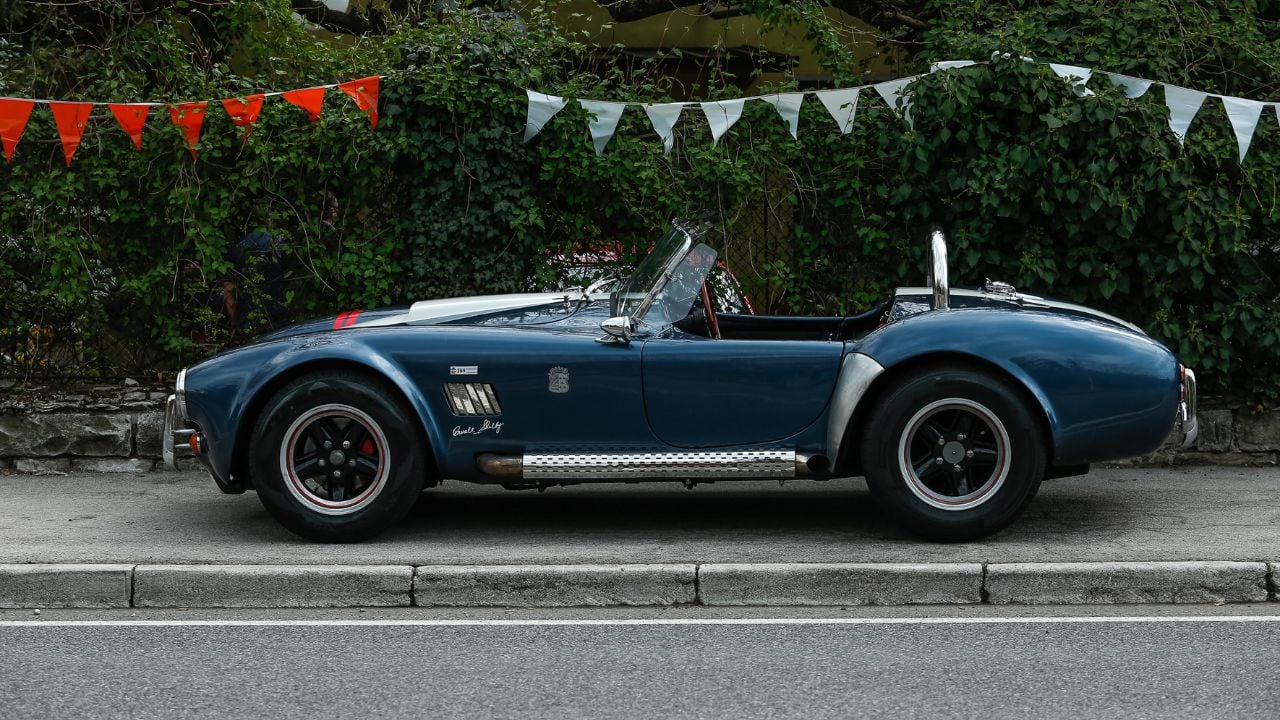
Before the 427 Cobra came the more civilized 289 version, which could still reach an impressive 138 mph. The 289 Cobra offered a more manageable driving experience than its big-block brother while still providing genuine supercar performance.
With better weight balance than the 427, many enthusiasts considered the 289 the better overall car, even if it wasn’t quite as fast in a straight line.
Porsche 911S: 140 MPH
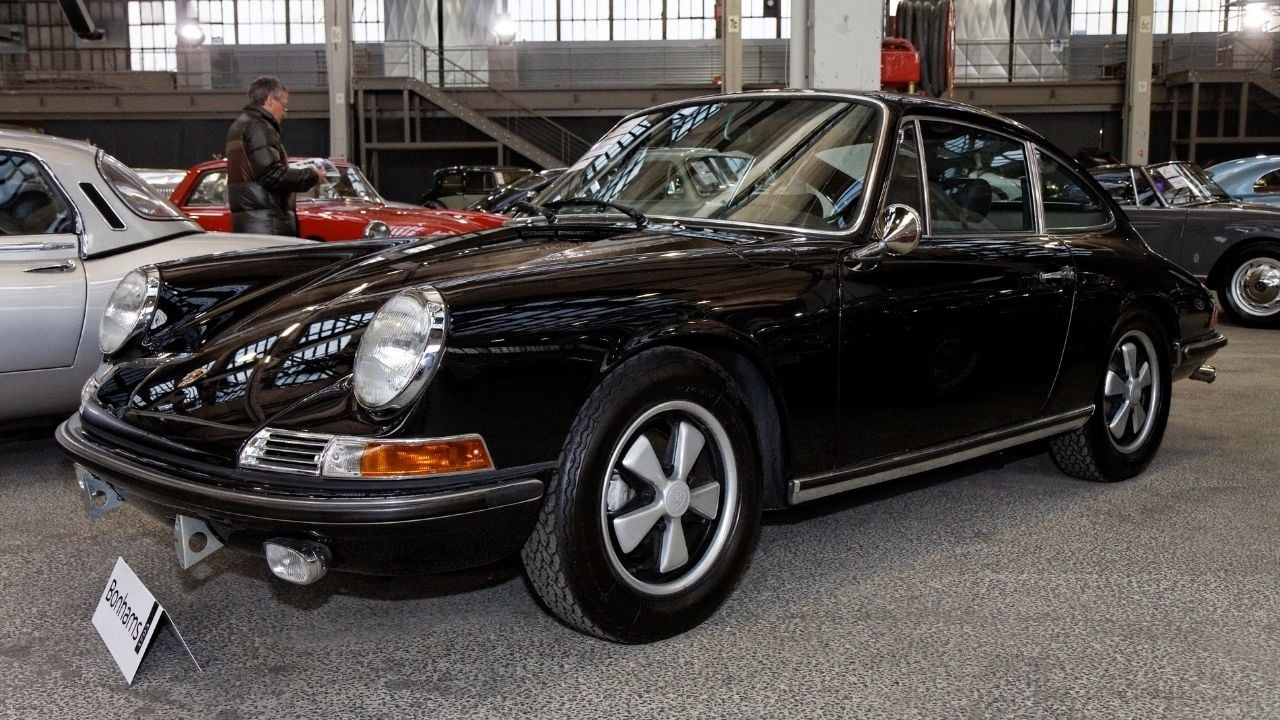
The 911S proved that you didn’t need a massive engine to achieve impressive speeds, reaching 140 mph with its 2.0-liter flat-six. Porsche’s focus on weight distribution and aerodynamic efficiency allowed the 911S to maximize its 160 horsepower output.
The car’s rear-engine layout provided excellent traction at high speeds, though it also required careful handling techniques that separated skilled drivers from the rest.
Chevrolet Chevelle SS 396 L78: 142 MPH

The L78 396 was one of Chevrolet’s best-kept secrets, producing more power than many big-block engines despite its smaller displacement. In the Chevelle SS, this engine is often cited around ~130 mph top speed, depending on gearing and test conditions, making it one of the fastest mid-size muscle cars of the decade. And it still feels fast to this day!
The L78’s solid-lifter cam and high compression ratio made it essentially a racing engine that happened to be street legal.
Plymouth Road Runner 440 Six Pack: 147 MPH
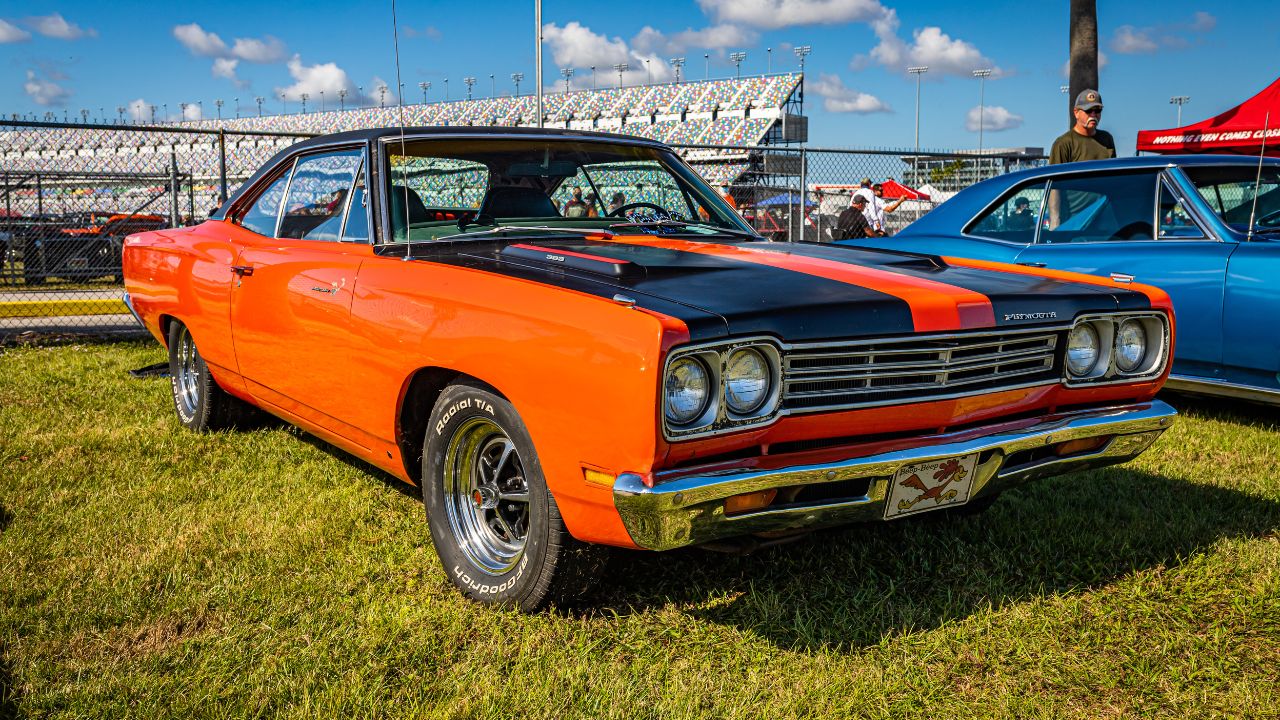
Plymouth’s Road Runner was designed as an affordable muscle car. In period testing with the common drag-oriented gearing (e.g., 4.10:1), a 440 Six-Barrel/Six Pack Road Runner was reported around 120 mph top speed. The tri-carb setup on the 440 engine provided serious top-end power, making the Road Runner faster than many more expensive competitors.
This was American muscle car engineering at its most effective – maximum performance for minimum cost.
Jaguar E-Type: 150 MPH

Enzo Ferrari famously called the E-Type “the most beautiful car ever made,” but it wasn’t just a pretty face: the early Series I models could hit 150 mph with their 3.8-liter inline-six. The E-Type’s combination of stunning looks, impressive speed, and relatively affordable price made it an instant icon.
Its aerodynamic shape, developed from Jaguar’s racing experience, allowed it to punch above its weight in terms of top speed.
Dodge Charger R/T 426 Hemi: 150 MPH

The 426 Hemi was Chrysler’s answer to the horsepower wars, and in the Charger R/T, it could push the big coupe to 150 mph. The Hemi’s massive power output and the Charger’s surprisingly good aerodynamics made for an effective high-speed combination.
While the car was heavy compared to sports cars (about 4,035 pounds curb weight in a Car and Driver instrumented test), its sheer power overcame any aerodynamic shortcomings.
Maserati Ghibli: 154 MPH

The Maserati Ghibli combined Italian style with serious performance, using a 4.7-liter V8 to reach 154 mph. Designed by Giorgetto Giugiaro, the Ghibli was lower and more aggressive than many of its contemporaries, with bodywork that looked fast even when standing still.
The car’s top speed made it a genuine rival to Ferrari’s offerings, though Maserati’s smaller production numbers meant fewer people experienced its capabilities.
Chevrolet Corvette Sting Ray L88: 160 MPH
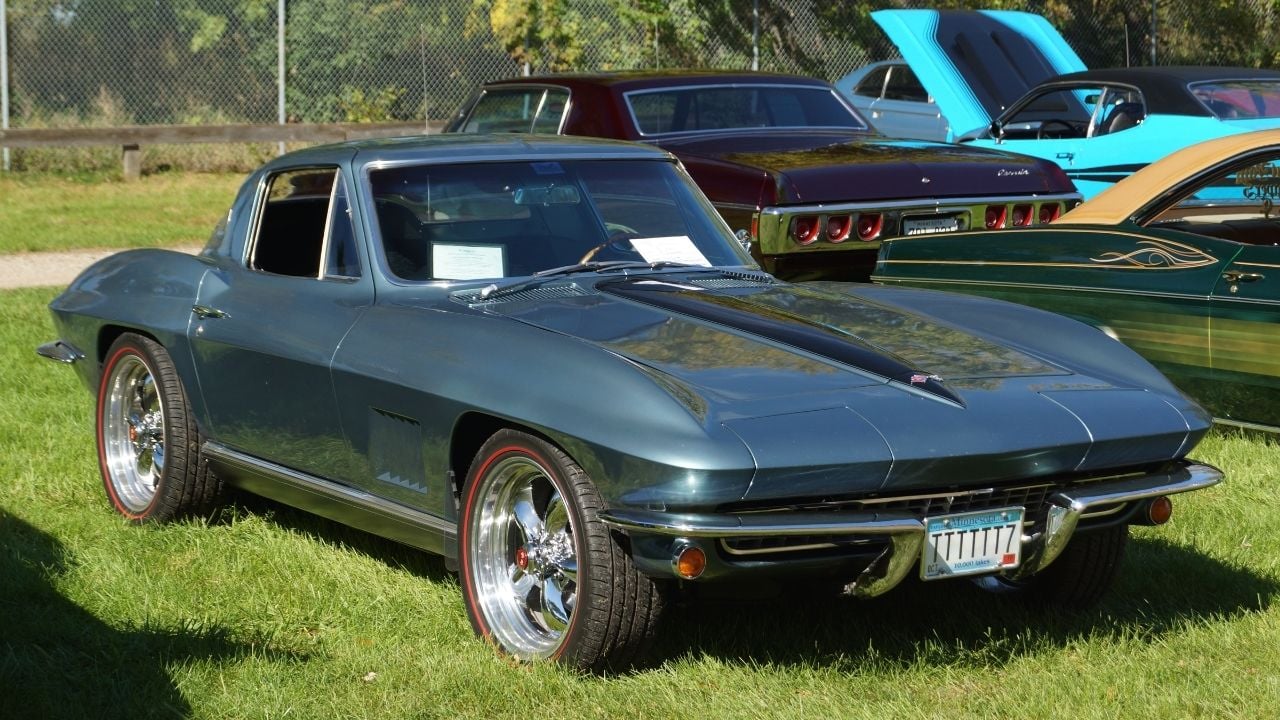
The L88 Corvette was Chevrolet’s not-so-secret weapon, featuring a 427 cubic inch V8 that was officially rated at 430 horsepower but likely produced closer to 500. With its fiberglass body and advanced chassis, the L88 could reach 160 mph, though finding a straight road long enough to achieve this speed was often the bigger challenge.
Chevrolet built only 20 L88 Corvettes in 1967 (216 total from 1967–1969: 20 in ’67, 80 in ’68, 116 in ’69), making them among the rarest and fastest American cars of the era.
Shelby Cobra 427: 164 MPH

Carroll Shelby’s approach was simple: stuff a massive American V8 into a lightweight British roadster and see what happens. The result was the Cobra 427, which could hit 164 mph while providing one of the most visceral driving experiences of the decade. With 425 horsepower and a curb weight of just 2,500 pounds, the Cobra was essentially a barely tamed race car for the street.
Ferrari 275 GTB/4: 165 MPH

Ferrari’s 275 GTB/4 combined elegance with serious performance, reaching a genuine 165 mph thanks to its 3.3-liter V12 engine. The car’s independent rear suspension was revolutionary for Ferrari at the time, allowing it to put its 300 horsepower to the ground more effectively than previous models.
While beautiful to look at, the 275 GTB/4 was built for speed first and comfort second.
Lamborghini Miura: 171 MPH

The Miura shocked the automotive world when it debuted in 1966, not just for its stunning Bertone bodywork but for its mid-mounted V12 that could push the car to 171 mph. This was Lamborghini’s bold statement that they could build supercars to rival Ferrari, and the Miura’s top speed proved they weren’t just talk.
The car’s low, wide stance and aggressive aerodynamics helped it slice through the air at speeds that made even seasoned test drivers nervous.
Ford GT40: 200+ MPH

While developed for racing, the GT40 Mk IV reached about 213 mph on the Mulsanne Straight at Le Mans in 1967 (race context), thanks to its racing-derived aerodynamics and powerful 427 V8 engine.
Ford’s investment in the GT40 program was massive, and the resulting car represented the absolute pinnacle of 1960s automotive technology.
Conclusion

The 1960s represented a unique moment in automotive history when speed was king and regulations were minimal. These cars achieved their impressive top speeds through raw power, advanced aerodynamics for the time, and engineering focused purely on performance. While modern supercars can easily exceed these speeds, the 1960s machines did it with carburetors, mechanical fuel injection, and none of today’s electronic aids.
They remain fascinating examples of what happens when talented engineers are given free rein to build the fastest cars possible, regardless of other considerations.