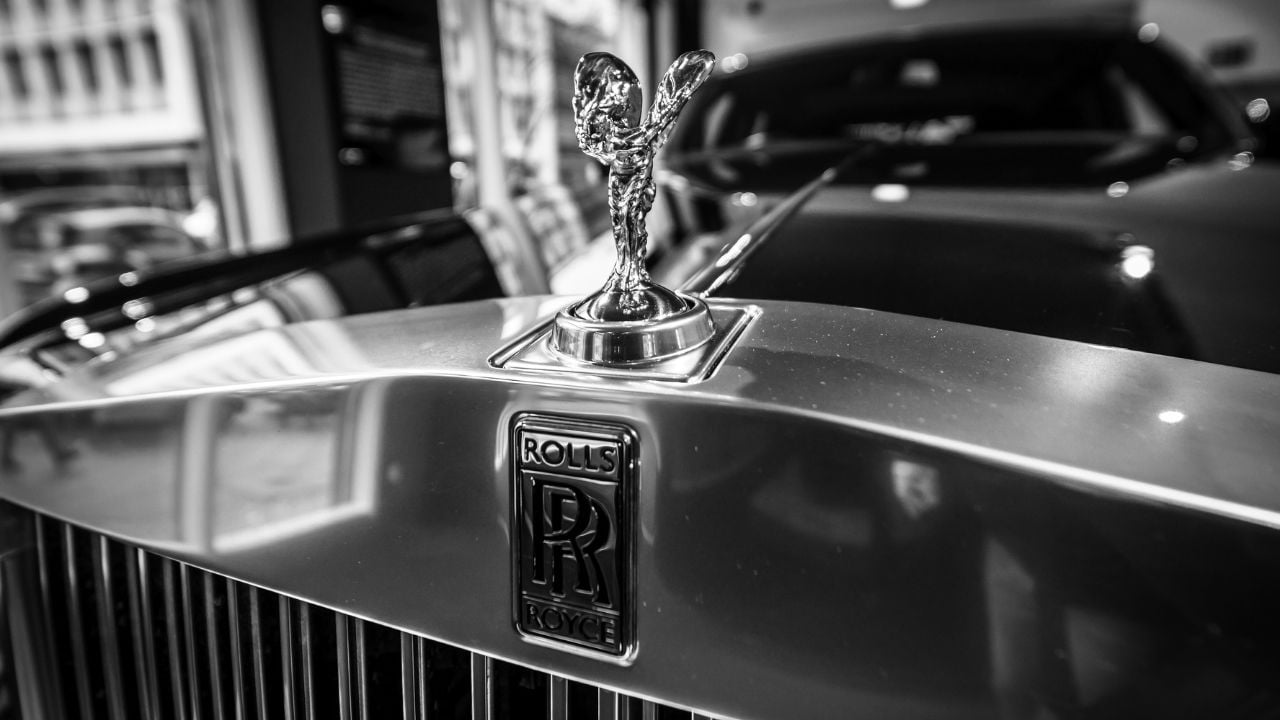
Step into a century of unparalleled elegance as we explore 12 iconic cars that defined what luxury motoring truly means. From the pioneering Rolls-Royce Silver Ghost to today’s Mercedes-Benz S-Class, each model revolutionized comfort, craftsmanship, and cutting-edge technology.
On this journey, you’ll get expert insights on design breakthroughs, performance milestones, and the cultural impact that transformed these machines into symbols of prestige. Buckle up and discover how each chapter in automotive history redefined opulence and set new standards for indulgence.
Rolls-Royce Silver Ghost (1906-1926)
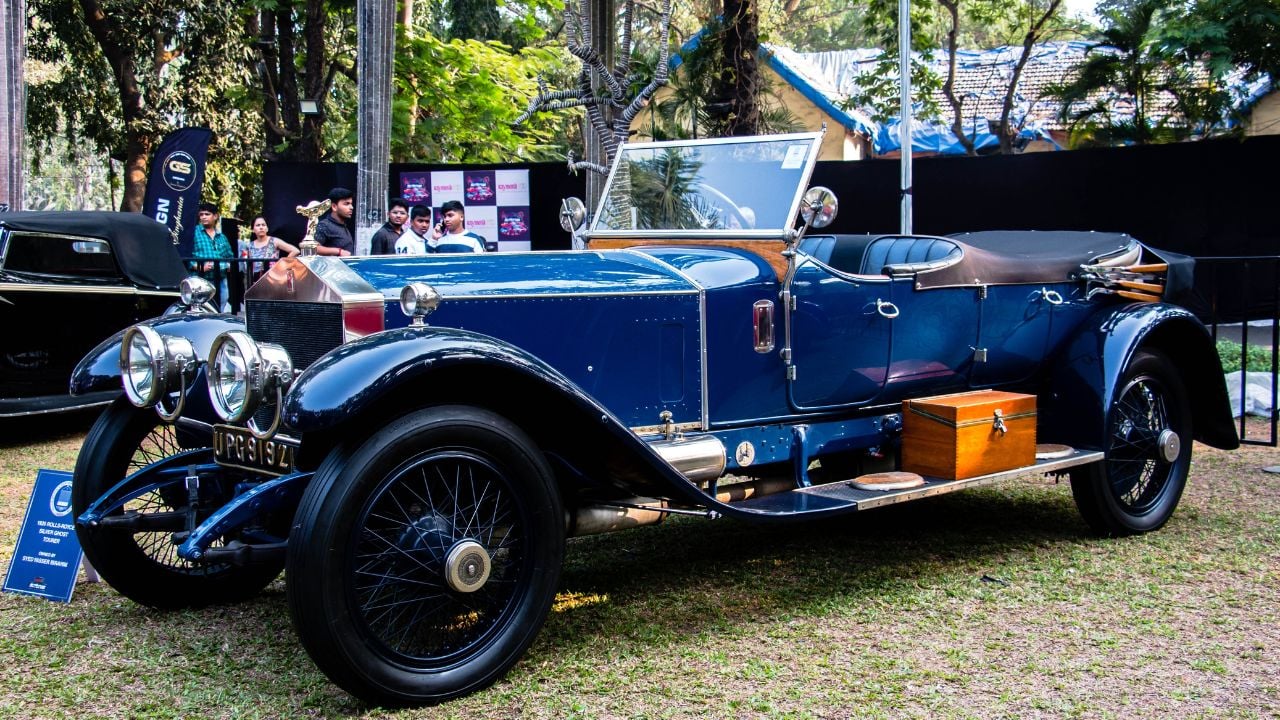
When Rolls-Royce introduced the Silver Ghost, it was celebrated as the best car in the world, a title earned not by boast but by extraordinary silence and reliability in an age when automobiles often rattled and broke down.
The car’s six-cylinder engine delivered smoothness previously unknown, allowing passengers to glide along as though the outside world had been hushed for their comfort.
Every surface was crafted with painstaking attention, from the polished nickel fittings to the coachbuilt bodies commissioned by wealthy clients, each one a moving work of art. The Silver Ghost became synonymous with aristocratic travel, carrying royals, industrialists, and statesmen in serene dignity.
It was not about speed or flamboyance but about a seamless, almost invisible delivery of luxury, the kind that impressed by understatement. To this day, collectors see the Silver Ghost as the car that set the benchmark, defining the association of Rolls-Royce with peerless refinement.
Cadillac V16 (1930-1940)

At the dawn of the Depression, Cadillac stunned the world with a car that seemed to defy the times, introducing a sixteen-cylinder engine in a package of grandeur and opulence.
The V16 was not merely powerful; it was built to an almost obsessive degree of smoothness, with coachwork from Fleetwood that looked like jewelry in motion. Buyers could choose from a dizzying array of bespoke bodies, each carrying long sweeping fenders, intricate chrome detailing, and interiors lined with the finest leathers and woods.
Owning a Cadillac V16 was not only a statement of wealth but of resilience, as though its owners were immune to the hardships others faced. It was a car of presidents, moguls, and Hollywood royalty, a rolling palace at a time when the world desperately craved symbols of stability.
Even now, its aura of effortless excess defines American luxury at its most unapologetic.
Mercedes-Benz 540K (1936-1940)

The Mercedes-Benz 540K emerged as the epitome of prewar European elegance, combining a supercharged straight-eight with bodywork that looked like it belonged in an Art Deco gallery. Its long bonnet, sweeping fenders, and rear-mounted spare wheels created a profile of timeless grandeur, beloved by heads of state and stars of the silver screen alike.
Interiors draped in fine leather and polished wood gave the impression of a private salon, while the car’s engineering ensured performance equal to its image. The 540K embodied the glamour of the late 1930s, a car seen outside opera houses and palaces, symbolizing wealth and cultural sophistication.
It was not only a means of transportation but a declaration that life, even on the brink of conflict, could still be conducted with style. Today, it remains one of the most collectible prewar classics, cherished as much for its beauty as for its engineering.
Jaguar Mark V Drophead Coupé (1948–1951)

When Jaguar returned after the war, the Mark V Drophead Coupe signaled Britain’s re-emergence into the world of luxury motoring, combining traditional craftsmanship with modern confidence. Its flowing fenders, upright grille, and restrained chrome trim spoke of continuity with the grand prewar saloons, yet its proportions felt leaner, more international.
Inside, passengers were greeted with walnut veneers, plush seats, and a cabin designed as much for comfort as for appearance. For many buyers, the Mark V represented attainable elegance, bringing prestige to those who could not stretch to the rarified heights of Rolls-Royce or Bentley.
It helped establish Jaguar as a brand capable of offering style and refinement to a global audience. Even today, when seen on concours lawns, it embodies the optimism of postwar recovery wrapped in English poise.
Cadillac Eldorado Biarritz (1959)

In the late 1950s, Cadillac reached the peak of flamboyance with the Eldorado Biarritz, a convertible coupe with fins that seemed to scrape the sky. Chrome glistened across every surface, interiors offered power everything, and the sheer scale of the car exuded confidence that matched America’s booming spirit.
To ride in an Eldorado was to experience the optimism of a nation that believed bigger truly was better. Luxury here was about spectacle, about turning heads on Main Street or cruising down Sunset Boulevard with the top down and jazz on the radio. It became a cultural symbol, immortalized in music and film, representing an era when cars were rolling expressions of personal freedom and wealth.
The Eldorado remains the defining image of 1950s American luxury, bold, brash, and irresistibly glamorous.
Mercedes-Benz 600 Grosser (1963-1981)

The Mercedes-Benz 600, known as the Grosser, was perhaps the most commanding luxury car of the twentieth century, chosen by heads of state, royalty, and celebrities who demanded nothing less than complete control and comfort. Its vast presence was matched by engineering that bordered on the extravagant, with hydraulic systems powering windows, seats, doors, and even the trunk. Passengers sat in hushed isolation, swathed in leather and wood, as the car glided with imperious calm.
To own a 600 was to project authority, whether arriving at a summit meeting or a film premiere, and its clientele included everyone from the Pope to John Lennon. It was a car that blurred the line between limousine and rolling fortress, defining luxury as absolute power expressed through refinement.
Even now, the Grossers’ aura is unrivaled, a reminder that luxury can sometimes be as much about presence as about comfort.
Rolls-Royce Corniche (1971-1995)

The Rolls-Royce Corniche was the epitome of jet-set luxury, a graceful coupe and convertible that became a fixture in the glamorous enclaves of the Riviera and Beverly Hills. Its proportions were elegant, its detailing restrained, and its interior a cocoon of hand-stitched leather and deep carpets.
Owners were as likely to be pop stars as princes, each using the Corniche as both transport and status symbol. It defined personal luxury in the 1970s and 1980s, an era when success meant not only arriving but arriving in the quiet dignity of a Rolls. The Corniche was about living well, about savoring the journey as much as the destination.
Today, it remains beloved as one of the most stylish expressions of the Rolls-Royce ethos, blending tradition with modern glamour.
BMW 7 Series E23 (1977-1986)

With the E23 7 Series, BMW entered the luxury arena with a new definition rooted in technology and driver engagement. It was among BMW’s early luxury flagships to introduce features such as ABS (market-dependent) and onboard computer technology.
The design was clean, modern, and subtly elegant, signaling a new German approach to luxury that prioritized innovation over ornament. Inside, it combined clear ergonomics with leather and wood, proving that efficiency and indulgence could coexist.
The E23 shifted expectations worldwide, forcing rivals to modernize and move luxury into the electronic age. In doing so, it redefined the category not with flamboyance but with intelligence and quiet authority.
Lexus LS 400 (1990–1994)

When the Lexus LS 400 appeared, it shocked the established luxury world by offering levels of refinement and reliability previously unseen. Its V8 engine was nearly silent, its cabin impeccably finished, and its price undercut European rivals without feeling compromised.
Owners were amazed at the seamless ride, the vault-like quietness, and the obsessive attention to detail, from panel gaps to switchgear. Journalists compared it favorably to Mercedes and BMW, noting that Toyota had built a new benchmark overnight.
The LS 400 did not just challenge luxury conventions; it forced them to evolve, sparking an industry-wide focus on quality and refinement. Decades later, it remains one of the great disruptors in luxury history, a car that democratized excellence.
Bentley Continental R (1991-2003)

The Bentley Continental R marked the revival of Bentley as a brand of true distinction, a hand-built coupe of immense presence and grace. Its wide haunches and long proportions gave it authority on the road, while its interior was an opulent blend of Connolly leather, polished wood, and traditional craftsmanship.
Unlike many earlier Bentleys that closely mirrored contemporary Rolls-Royce models, the Continental R carried its own identity, emphasizing performance and exclusivity. Buyers were drawn to its blend of grand touring power and clubroom refinement, a car that made distance feel effortless.
The Continental R signaled Bentley’s rebirth as a maker of desirable, powerful luxury cars in its own right. Its reputation endures as one of the most charismatic coupes of its time.
Maybach 62 (2002-2013)

The resurrection of the Maybach name at the dawn of the new millennium was Daimler’s attempt to outdo Rolls-Royce and Bentley in sheer opulence. The Maybach 62 stretched over six meters, with its cabin configured like a private jet, featuring reclining rear seats, champagne coolers, and entertainment systems.
It was a car for the ultra-wealthy, designed to offer the quietest, most indulgent travel experience imaginable. Although its sales were limited, its statement was clear: luxury could be measured in both space and technology.
The Maybach 62 demonstrated how extravagance could be elevated into an art of isolation and excess. Today it is remembered as both ambitious and uncompromising, a symbol of early 21st-century indulgence.
Rolls-Royce Phantom VII (2003-2017)

The Phantom VII reestablished Rolls-Royce as the pinnacle of modern luxury, blending traditional craftsmanship with BMW-era engineering excellence. Its sheer size, upright grille, and presence made it unmistakable, a car that dominated any setting it entered. Inside, the Phantom was a world of bespoke possibilities, from starry-sky headliners to hand-applied veneers, each car as unique as its owner’s imagination.
Yet beneath the indulgence was technical brilliance, ensuring ride comfort and refinement at levels unmatched by rivals. The Phantom VII became the definitive car for royalty, captains of industry, and celebrities who wanted to be noticed without question. It remains the modern benchmark, a reminder that true luxury evolves but never loses its aura of majesty.
The Lasting Definition of Luxury

Looking back through these twelve cars reveals how luxury evolves like fashion; sometimes flamboyant, sometimes restrained, but always an expression of its age’s ambitions. From the whispering refinement of the Silver Ghost to the digital serenity of the Lexus LS, from the flamboyant fins of Cadillac to the commanding presence of the Phantom, each entry captured the spirit of its time.
Luxury is never static; it shifts as society changes, yet these cars remain timeless markers, milestones of aspiration on wheels. They remind us that luxury is not simply comfort but theatre, not simply engineering but artistry, and above all, not simply transport but identity. And so, as new technologies promise silent, autonomous cocoons for the future, we can look back on this lineage and see not just machines, but the dreams of every generation, embodied in metal, leather, and light.