Back when corporate espionage meant sneaking a camera into a manufacturer’s parking lot and concept cars were guarded like state secrets, the automotive world ran on pure, unfiltered optimism. This was the era when engineers genuinely believed we’d all be commuting in nuclear-powered sedans by 1980, when “practical considerations” were just speed bumps on the highway to tomorrow.
Those were the days when design studios were basically wish-fulfillment factories, where clay modelers sculpted dreams and engineers drew up blueprints for machines that physics hadn’t quite approved yet. Every major automaker had a basement full of “someday” projects: cars so audacious they made today’s EV startups look conservative.
The vehicles you’re about to meet never made it to your local dealership, but they lived rent-free in enthusiasts’ heads for decades. They’re the automotive industry’s greatest hits that never actually hit, the Grammy-worthy songs that never got recorded. We can’t help but think what coulda been.
How We Dug up These Lost Machines
Finding these forgotten darlings required the investigative skills of a Cold War spy — if they had the internet back then. We dove deep into the archives for this one, looking past carmakers’ popular sellers and rare releases to take a closer look at the cars that never came to be. Every car here had to pass the “actually existed” test: no internet rumors or automotive urban legends allowed.
We favored prototypes that swung for the fences, cars that showed what happened when bean counters took a coffee break and let the dreamers run wild. These machines represented automakers at their most optimistic, before focus groups and crash tests brought everyone back to earth. Think of this as a museum of automotive ambition, where every exhibit asks the same haunting question: “What if?”
Sometimes brands choose to go the safe route, and we get that. But we want to highlight these 10 prototypes that pushed boundaries, showcased innovation, and proved that sometimes even the safest brands were willing to push boundaries and dream of a future that never came to be.
Ford Nucleon

The Ford Nucleon looked like what would happen if the Jetsons designed a car after binge-watching submarine documentaries. Ford’s engineers seriously proposed powering this beauty with a rear-mounted nuclear reactor, basically turning your daily commute into a mobile Chernobyl waiting to happen. The best part? At 200 inches long and just 41 inches tall, it was nearly as low as a GT40: perfect for sneaking under overpasses while quietly irradiating everything in your wake.
Ford wasn’t entirely serious about the concept, which is probably for the best considering their quality control track record in the ’70s. Imagine taking this thing to Jiffy Lube: “Yeah, I need an oil change, and could you please dispose of these spent uranium rods?” The reactor would use uranium fission to power a steam engine, because apparently regular old gasoline was for quitters.
The styling screamed “atomic age confidence” with chrome fins that could double as TV antennas and a nose cone that looked ready to dock with the International Space Station. Ford optimistically claimed drivers would go 5,000 miles between “fill-ups,” though they conveniently left out the part about needing a hazmat team for routine maintenance.
Still, you have to admire the sheer audacity of proposing nuclear family road trips in the most literal sense possible.
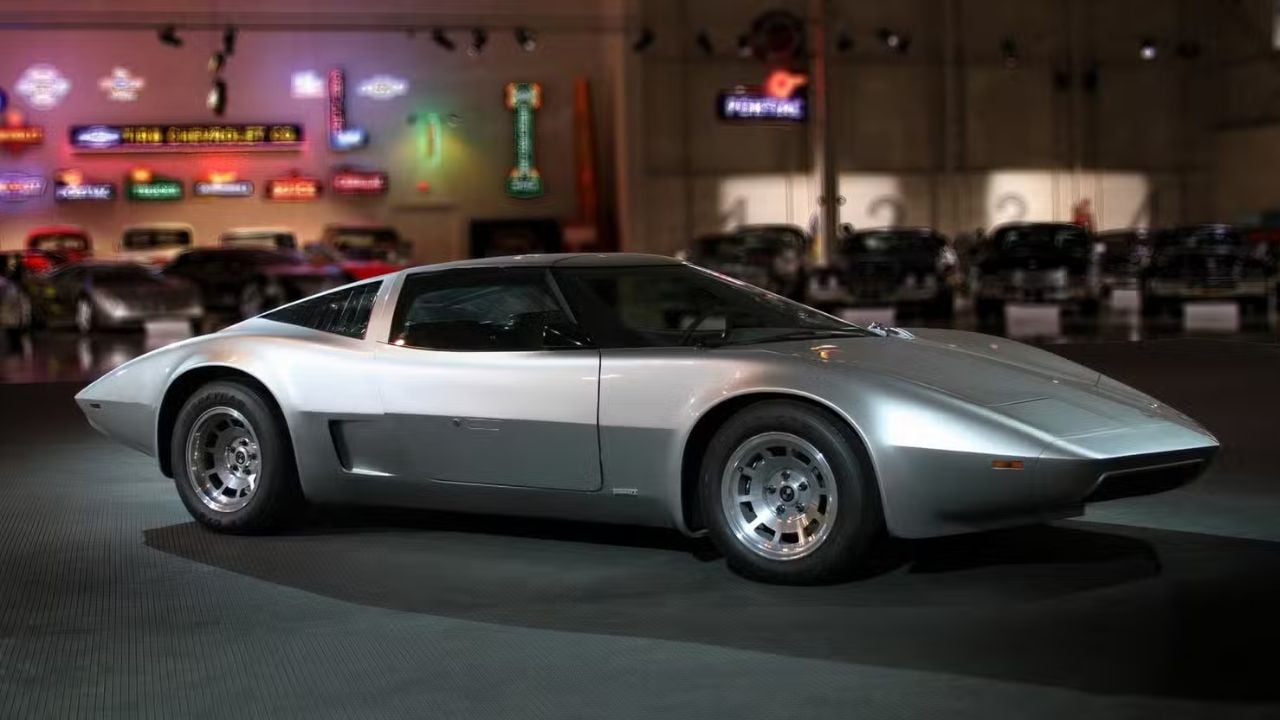
Chevrolet Aerovette
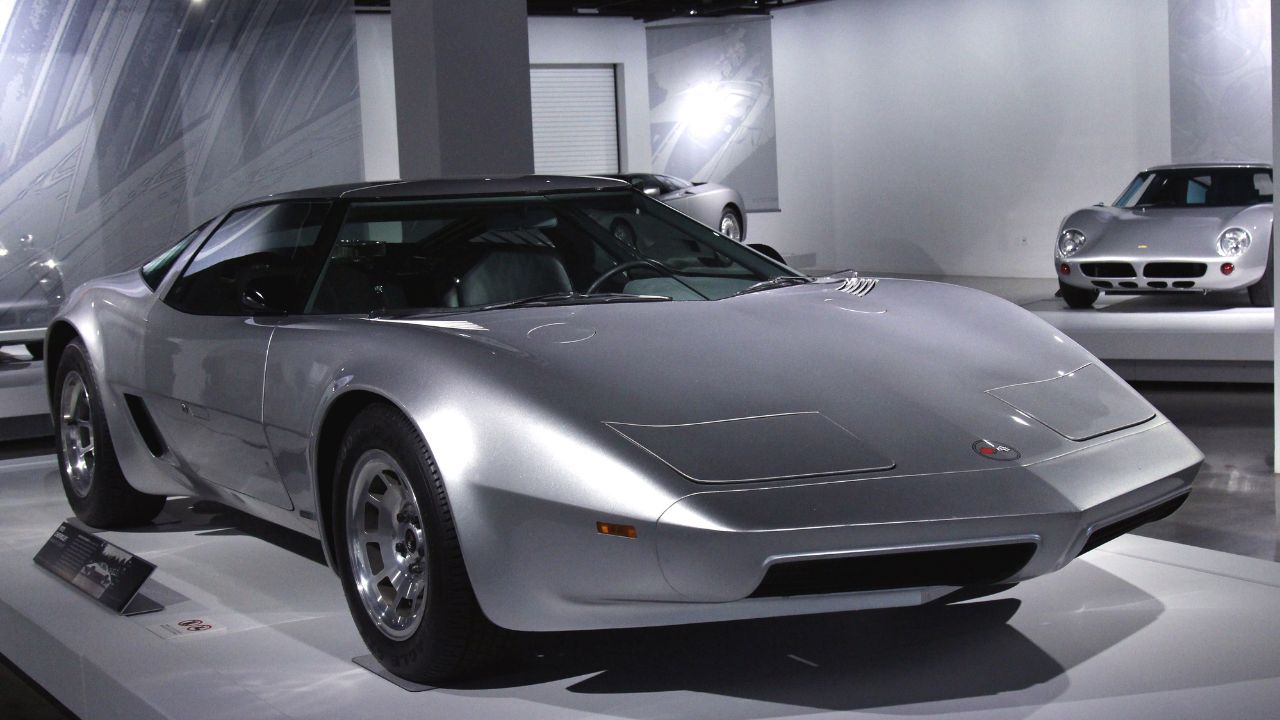
GM is no stranger to special Corvettes, and the Aerovette was no different. It was GM’s answer to every American gearhead who’d ever felt inadequate at a European car show. Here was a Corvette concept that could look a Lamborghini in the eye without flinching: mainly because it borrowed heavily from European design language while keeping that Detroit swagger.
This wasn’t just another pretty face with a fiberglass body. The Aerovette packed a mid-mounted Wankel rotary engine, because GM was briefly convinced that spinning triangles were the future of automotive propulsion. (Spoiler alert: they weren’t.) The gullwing doors opened with the drama of a Broadway curtain call, and the proportions were so perfectly balanced that even Italian designers probably got a little jealous.
The car bounced around GM’s corporate offices for years like a promising screenplay that nobody quite knew how to greenlight. Upper management loved the looks but weren’t sure America was ready for a Corvette that required a PhD in geometry to understand its engine. By the time they decided to move forward, the rotary revolution had already died, taking the Aerovette’s dreams with it.
Sometimes being ahead of your time is just another way of being wrong at exactly the right moment.
Chrysler Turbine Car

Another alternate fuel prototype, here’s a car that solved problems nobody knew they had while creating problems nobody wanted to solve. The Turbine Car’s jet engine produced 130 horsepower and a whopping 425 lb-ft of torque at stall speed: perfect for launching off stoplights like a commercial airliner.
The engine could run on practically anything flammable: diesel, kerosene, jet fuel, even tequila or perfume. One test driver famously used peanut oil, proving that this car was basically the ultimate flex for health food enthusiasts. Imagine rolling up to Cars & Coffee and casually mentioning that your daily driver runs on whatever’s in your kitchen cabinet.
Chrysler actually built 55 of these bronze beauties and let regular people drive them for three months at a time. The test program was like an early version of Car2Go, except instead of returning the car to a designated spot, you just hoped it didn’t spontaneously combust in your driveway. The engine spun at 60,000 rpm and required minimal maintenance, though good luck finding a mechanic who knew the difference between a compressor wheel and a regular wheel.
The only real downsides? The car whistled like a tea kettle having an existential crisis, got fuel economy that would make a modern Suburban driver weep, and emitted exhaust so hot it could probably melt the bumper of the car behind you. But hey, at least it looked cool doing it.
Pontiac Banshee
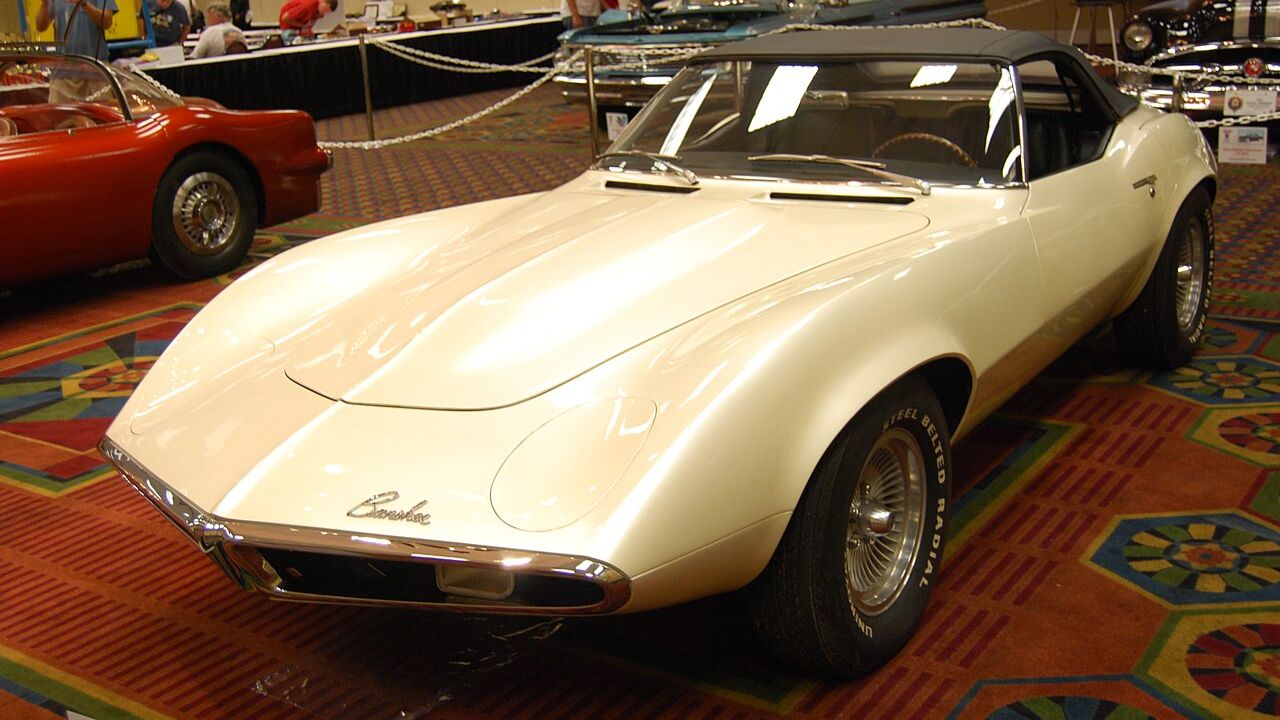
The Banshee was Pontiac’s secret war against the corporate hierarchy, a fiberglass missile designed to prove that other divisions could build sports cars too. Unfortunately, Chevrolet’s lawyers had something to say about that, and by “something to say,” I mean they probably threatened to key every Pontiac in the executive parking lot.
This was peak ’60s automotive rebellion wrapped in a body that looked like it was carved from a single piece of aggressive intention. The proportions were perfect, the stance was menacing, and the whole package screamed, “I could outrun your Corvette while looking better doing it.” Pontiac engineers dropped in a small-block V8 and fine-tuned everything from the suspension to the steering ratio.
But here’s where things get tragically corporate: GM’s brass decided that having two sports cars in their lineup was about as logical as having two heads on your shoulders. The Banshee was quietly strangled in its crib, proving that sometimes the biggest enemy of innovation is your own company’s org chart.
Today, the surviving prototypes are worth more than most people’s houses, which is probably what Pontiac executives tell themselves to sleep better at night.
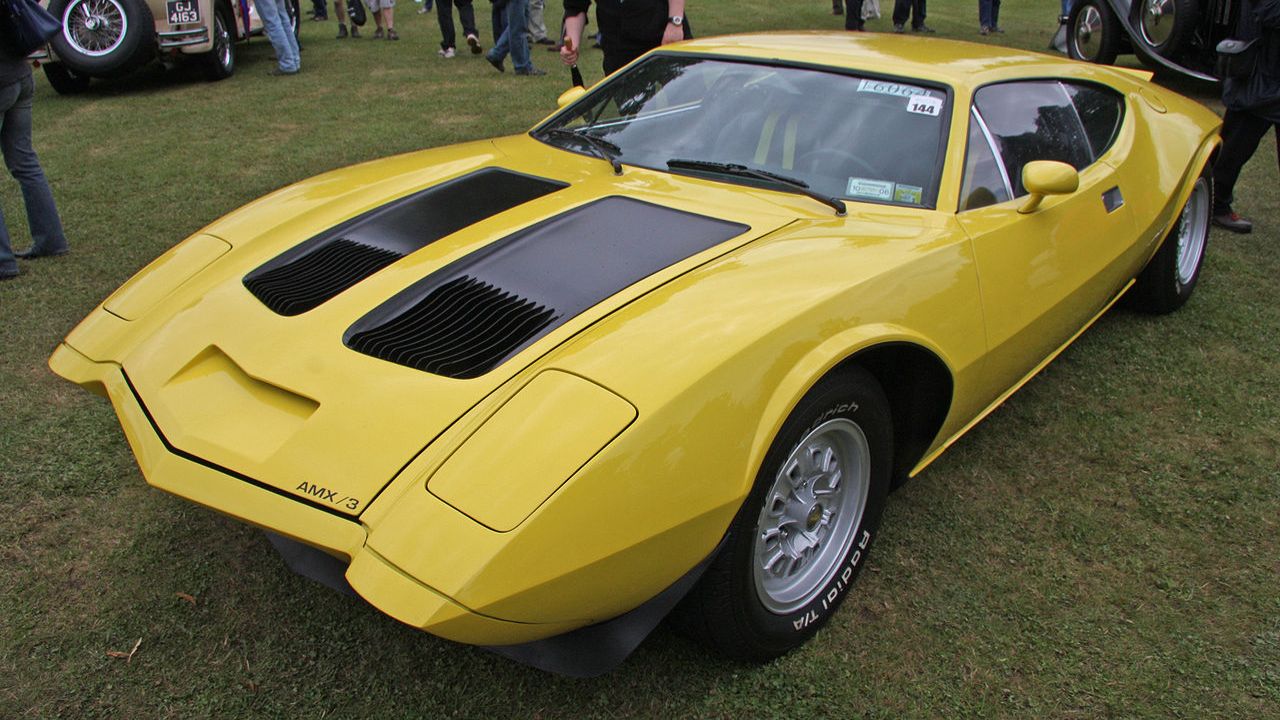
AMC AMX/3
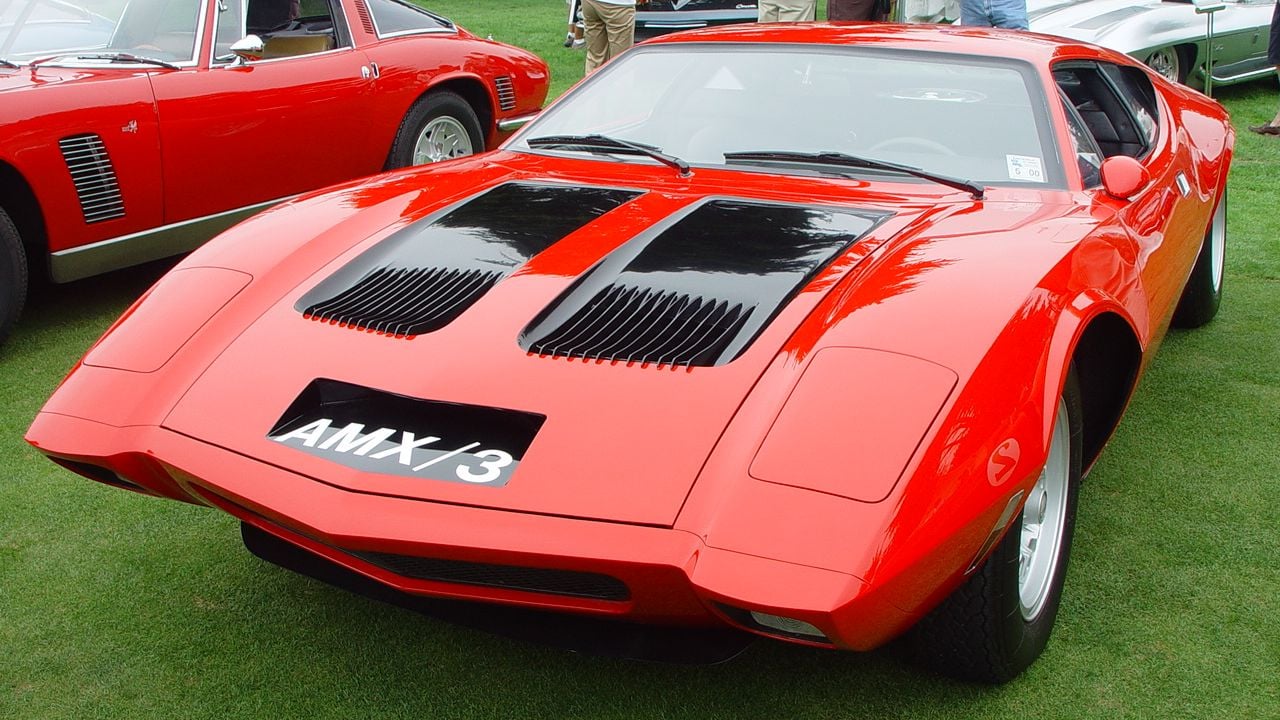
American Motors Corporation building a supercar was unexpected but admirable, like a tour bus veering off-road and heading into the water. The AMX/3 proved that you didn’t need Ferrari’s budget to dream Ferrari dreams, just a healthy dose of American stubbornness and access to Italian design talent.
AMC shipped the project to Italy and let Giorgetto Giugiaro work his magic, because sometimes the best way to beat the Europeans is to hire them. The result was a mid-engine monster that could genuinely run with the big boys, hitting over 160 mph in testing. That’s supercar territory achieved with AMC’s notorious attention to build quality: imagine explaining to your insurance company that your Gremlin’s cousin just outran a Lamborghini.
The AMX/3 featured AMC’s own V8 stuffed behind the seats, proving that you could take a motor from a family sedan and make it exotic just by changing its postal code. Only six were built, making them rarer than common sense in most internet comment sections. The project died when AMC realized they couldn’t afford to build supercars while simultaneously trying to convince America that the Pacer was a good idea.
Cadillac Voyage
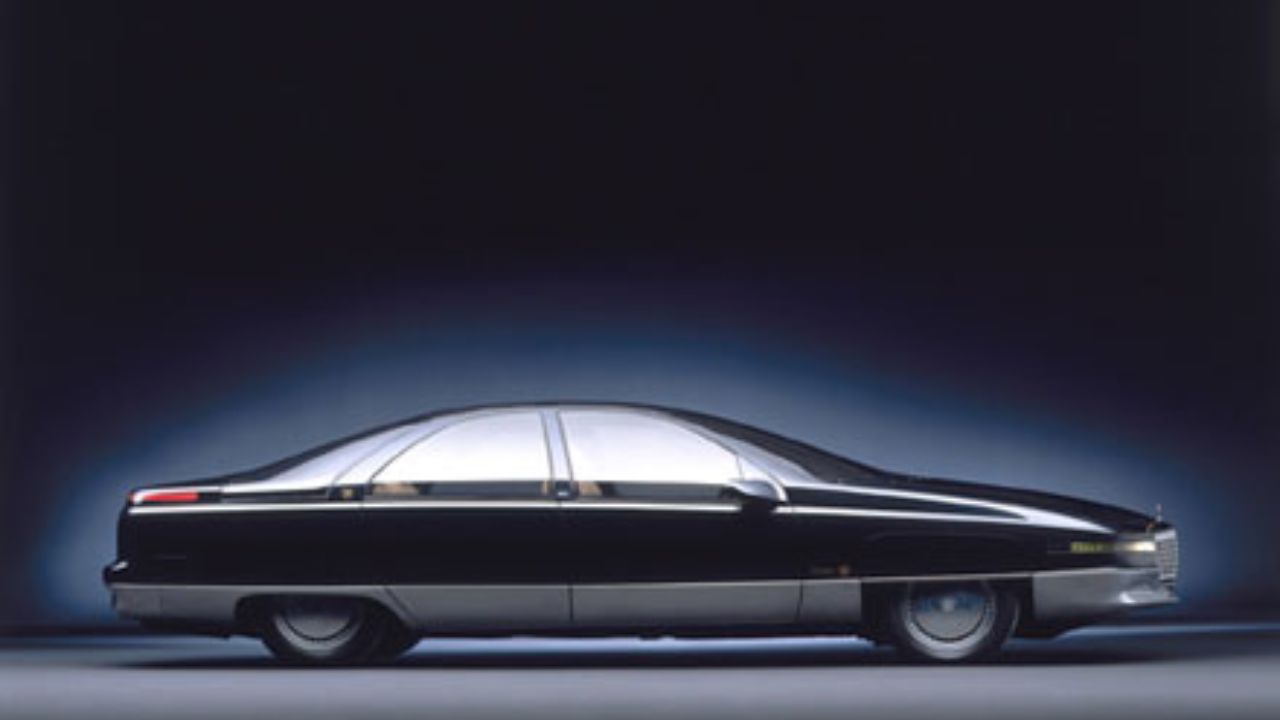
The Voyage arrived at precisely the moment when every executive’s briefcase contained a brick-sized cell phone and “digital dashboard” sounded like science fiction. Cadillac looked at its lineup of chrome-laden luxury barges and decided it was time to join the computer revolution, whether its traditional buyers liked it or not.
This concept packed more touchscreens than a NASA mission control center, which was revolutionary in an era when most cars still had analog clocks that stopped working after three months. The Voyage featured navigation systems before most people knew what GPS stood for, and electronic controls that probably required a computer science degree to operate.
The styling was pure 1980s optimism: clean lines, aggressive aerodynamics, and a drag coefficient that would make today’s Prius jealous. It looked like what would happen if Knight Rider’s KITT had a successful older brother who went to business school.
Unfortunately, the concept arrived just as luxury buyers were discovering that sometimes more technology means more things that can break: a lesson Cadillac apparently forgot again with their recent infotainment disasters.
Buick Y Job
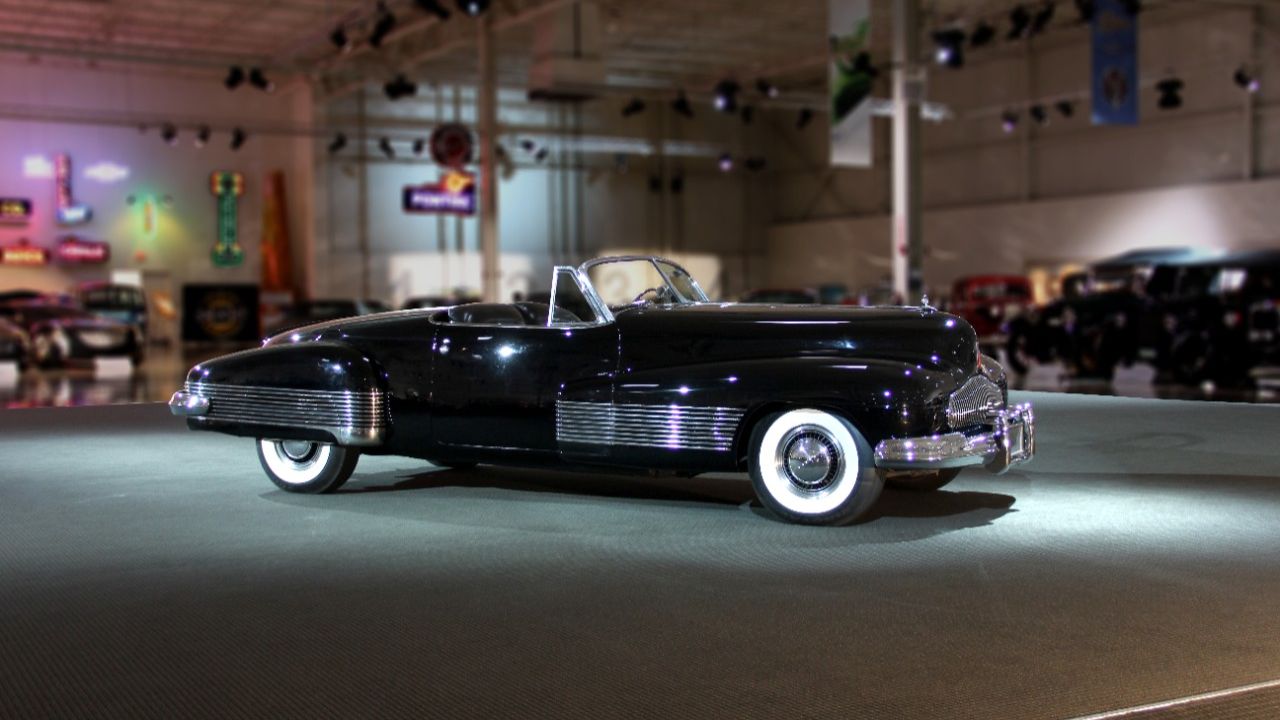
Before there were concept cars, there was the Y-Job, the machine that basically invented the whole idea of showing off your design department’s fever dreams. Harley Earl built this beauty as both a rolling showcase and his personal daily driver, because nothing says “confident in your work” like actually driving your prototype to the grocery store.
The Y-Job introduced hidden headlights, electric windows, and a grille design that Buick would milk for the next 80 years. It was lower and longer than anything on the road, making contemporary sedans look like they were designed by people who’d never heard of aerodynamics. Earl drove it around Detroit for years, probably causing more rear-end accidents than a surprise lane closure.
This car proved that concept vehicles could be more than clay models and fevered sketches — they could actually function as real automobiles. Of course, it helped that Earl was basically the automotive industry’s equivalent of a rock star, so he could get away with driving something that looked like it belonged in Buck Rogers’ garage.
The Y-Job spawned an entire industry of automotive wishful thinking, for better or worse.
Lincoln Futura

The Futura looked like what would happen if a spaceship mated with a luxury sedan and their offspring spent too much time reading Flash Gordon comics. Those twin canopies made every drive feel like a mission to Mars, while the fins suggested that Lincoln’s designers had been spending quality time with rocket scientists.
The pearlescent white paint job was so bright it probably required sunglasses just to look at the thing in direct sunlight. Lincoln’s stylists went full space-age fever dream, creating a car that looked more advanced in 1955 than most concepts do today. The interior featured enough chrome and buttons to stock a small appliance store.
But here’s where the story gets Hollywood: the Futura’s ultimate destiny wasn’t Lincoln showrooms but rather television immortality as the Batmobile. George Barris bought the concept for a dollar (seriously) and transformed it into the most famous car in TV history. Sometimes the greatest success comes from admitting defeat and letting someone else take the wheel, or in this case, the cape and cowl.
Mazda RX-500
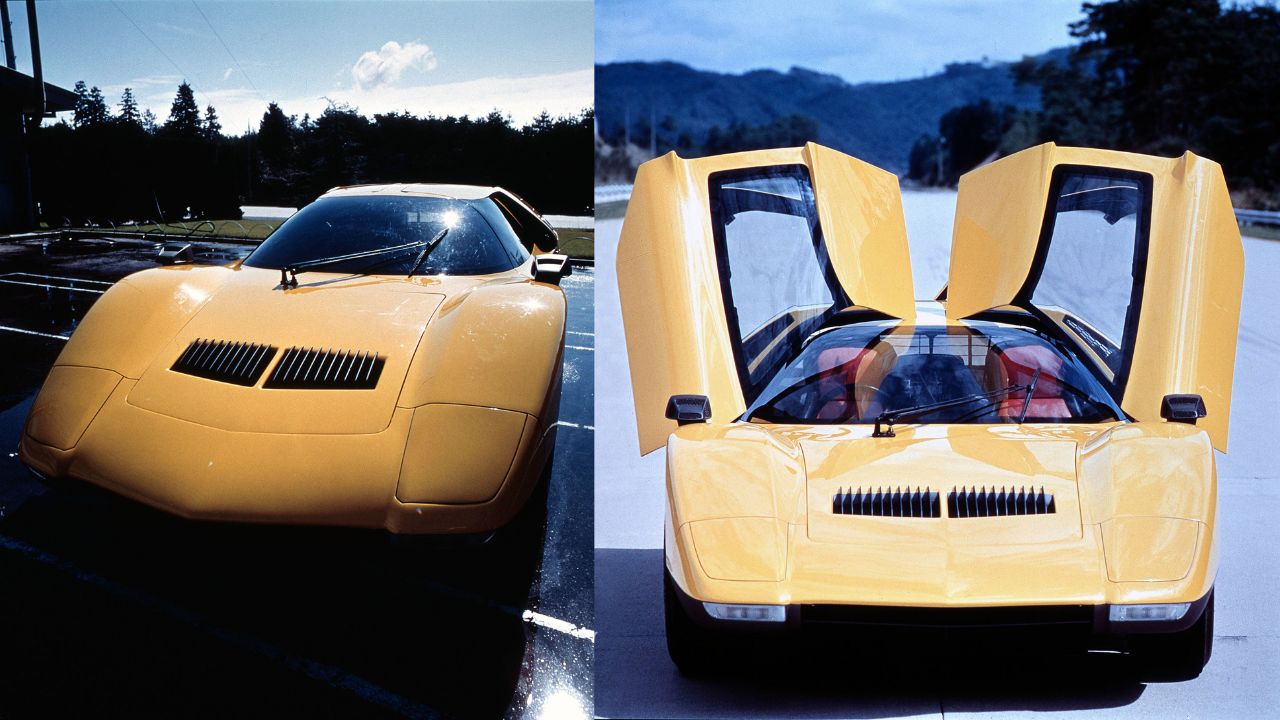
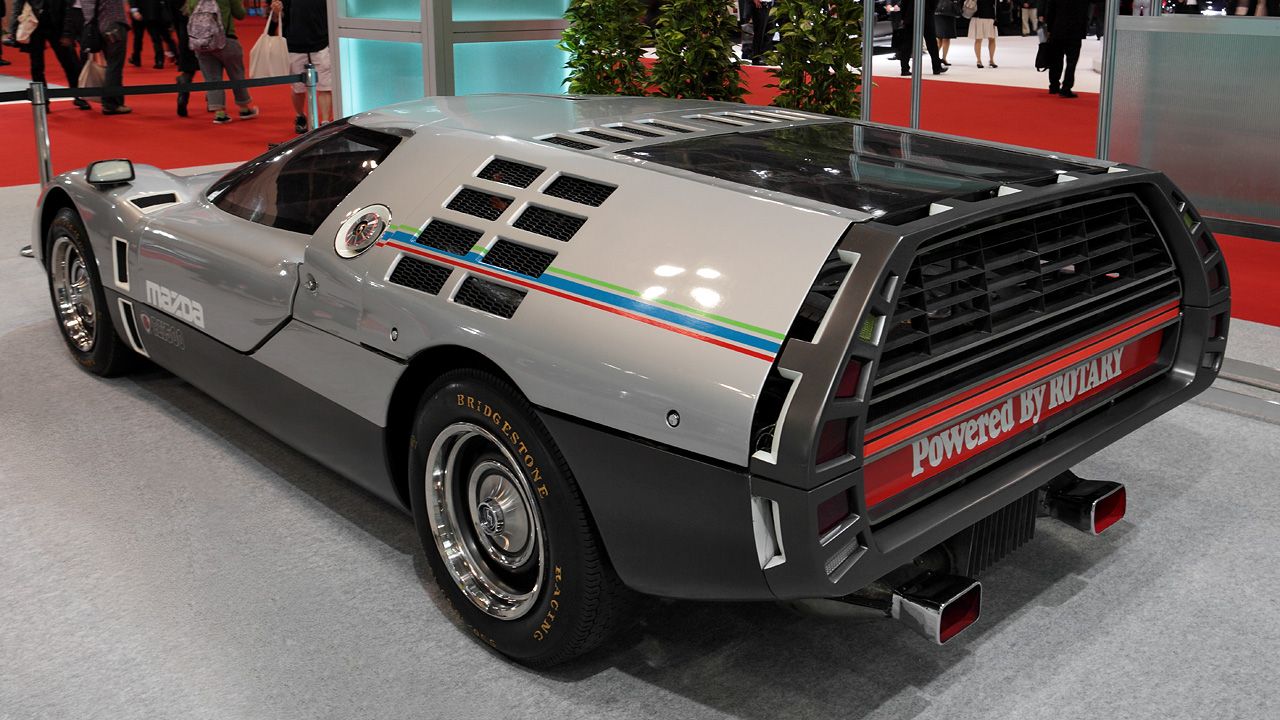
The RX-500 looked like someone had challenged Mazda’s designers to create the most 1970s car possible, then handed them unlimited supplies of LSD and geometry textbooks. This wedge-shaped wonder packed Mazda’s beloved rotary engine in the middle, because conventional piston engines were apparently too mainstream for a company that thought spinning triangles were the future.
Those butterfly doors opened like mechanical wings, perfect for making dramatic entrances at the disco. The rear end featured colored light panels that displayed braking and acceleration info, because apparently Mazda invented the RGB gaming aesthetic about 40 years early. The whole car was painted in a yellow so bright it could probably be seen from orbit.
The dashboard looked like something borrowed from a NASA simulator, with enough switches and gauges to make even the most dedicated car enthusiast feel inadequate. Mazda built this as both a technology showcase and a knowing smirk to anyone who thought Japanese cars couldn’t be exotic.
The RX-500 proved that you could make a supercar out of engineering obsession and rotary-powered stubbornness, even if nobody quite knew what to do with it afterward.
Toyota AXV-IV
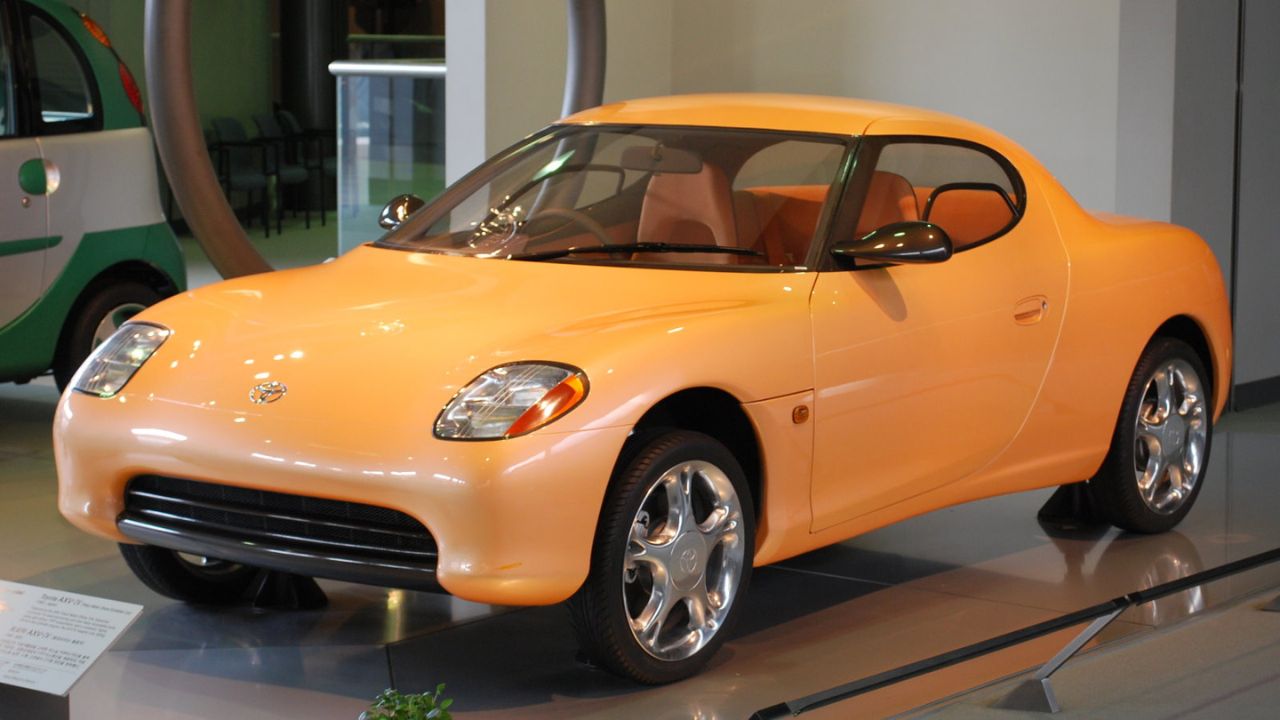
Long before “hybrid” became a household word and Toyota became the patron saint of fuel efficiency, the AXV-IV was quietly predicting the future in wind tunnels and design studios. This slippery little concept achieved aerodynamics that would make today’s engineers jealous, all while looking like it had been designed by people who actually understood that air resistance wasn’t just a suggestion.
The AXV-IV featured lightweight materials and electronic systems that were practically sci-fi in 1991, when most cars still had cassette players and manual door locks. Toyota built it as an efficiency laboratory on wheels, testing ideas that would eventually evolve into the technology that made the Prius possible — and made every other automaker scramble to catch up about a decade later.
While other manufacturers were still arguing about whether fuel efficiency mattered, Toyota was quietly conducting advanced degree courses in aerodynamics and energy management. The AXV-IV proved that being boring could actually be revolutionary, a lesson Toyota has since applied to most of its lineup with mixed results.
Sometimes the nerdiest kid in class grows up to buy and sell the cool kids’ companies.
Curtain Call for Cars That Never Took the Stage
These prototypes represent something we’ve largely lost in our modern automotive world: the willingness to be spectacularly, magnificently wrong in public. Today’s concept cars are carefully focus-grouped, market-tested, and designed by committee to offend absolutely no one. They’re automotive equivalents of elevator music: pleasant, forgettable, and safe.
But these machines? They were built by people who thought the future should be exciting, even if it might also be radioactive, rotary-powered, or require a pilot’s license. They represent a time when automotive executives were willing to bet the farm on ideas that sounded great after three martinis at the country club.
What makes these cars immortal isn’t their horsepower figures or their 0-60 times; it’s the fact that someone, somewhere, looked at conventional wisdom and said, “Yeah, but what if we didn’t?” They’re monuments to the beautiful stupidity of human ambition, reminders that sometimes the most important innovations come from people who don’t know when to quit.
Today’s cars are undeniably better: safer, more efficient, more reliable, and less likely to require a Geiger counter for routine maintenance. But they’re also more predictable, more committee-approved, and significantly less likely to make you question the fundamental nature of automotive transportation.
These 10 prototypes stand as testimony to an era when the automotive industry still believed in magic — even if that magic occasionally involved uranium pellets or jet engines in your family sedan. They remind us that the best stories aren’t always about what worked, but about what dared to try.