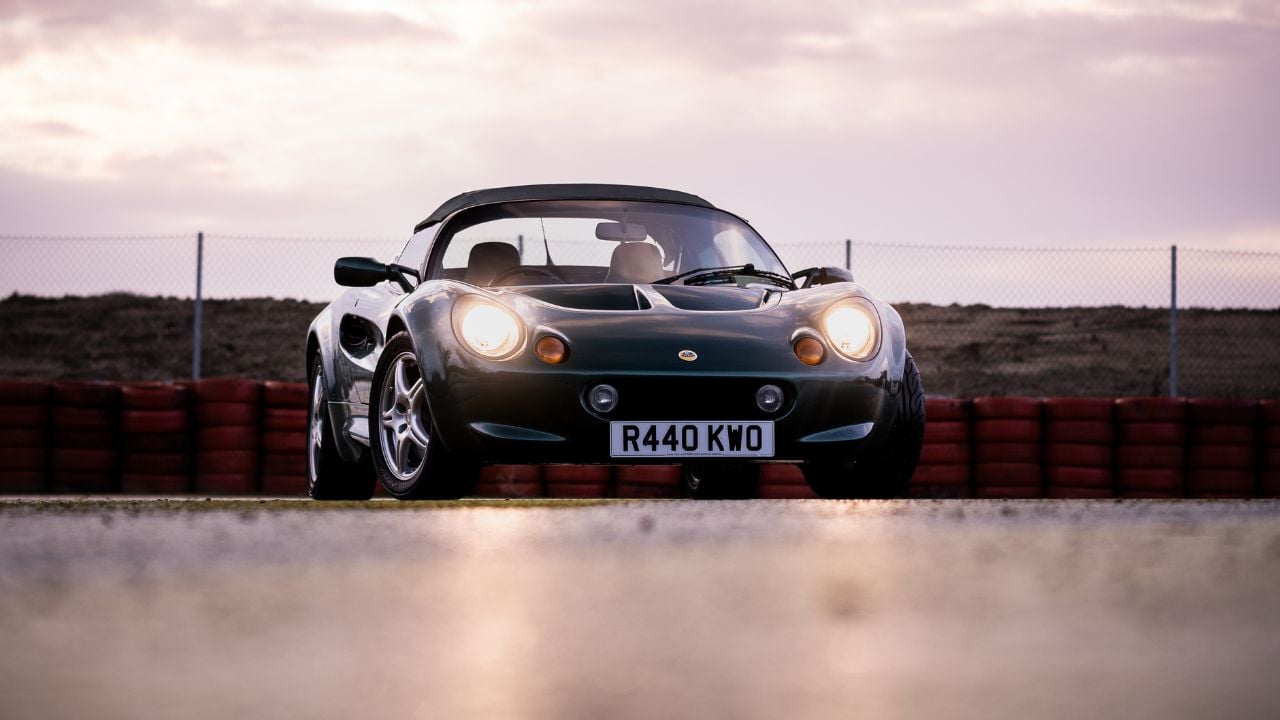
The Lotus Elise arrived in 1996 like that friend who shows up to a party uninvited but immediately becomes the most interesting person in the room. While other manufacturers were busy adding cup holders and wondering how many airbags were too many, Lotus decided to build a car that weighed less than a Miata. At just 1,598 pounds (725 kg) in its original form, the Elise didn’t throw trends in a wood chipper and used the scraps for weight reduction.
This isn’t another “they don’t make them like they used to” lament. The Elise earned its reputation the hard way: by being genuinely, stupidly fun to drive while your chiropractor’s kids attended private school thanks to your spine’s repeated encounters with its racing seats. For nearly three decades, it’s remained the gold standard for what happens when engineers care more about physics than focus groups.
There’s a reason so many cars have been inspired by the Lotus Elise. That raw speed and gritty performance make for an exhilarating base for carmakers who want to see if they can come up with something even crazier. But honestly, we love the Elise as it is.
How the Road Was Mapped for This Story

Let me get this out of the way: I own a Lotus Elise. There, I’ve admitted my bias towards this sports car! But in all seriousness, this article isn’t about my personal feelings — it’s more so the overall magic of the Elise, what made me want it to begin with. It was my dream car since I was a child, and when one was for sale a few years back, I jumped on it. I had no hesitation. And that’s not because I blindly love the Elise: it’s because I craved that visceral driving experience that everyone online was raving about.
Nobody has ever regretted owning an Elise, but everyone has regretted selling it. Even the guy who sold my Elise to me. There’s just something so special about the driving experience (although I don’t recommend it for long drives, your back will thank me for that one). What has made everyone so obsessed with the driving experience? That’s what we want to explore here.
I’m not saying everyone has to want a Lotus Elise or that it’s better or faster than other cars. This is simply about what makes the Elise so special in the sports car space and why the driving experience is worth it for those who crave that type of experience, too. Just a warning: no other car will compare after.
The Featherweight Philosophy
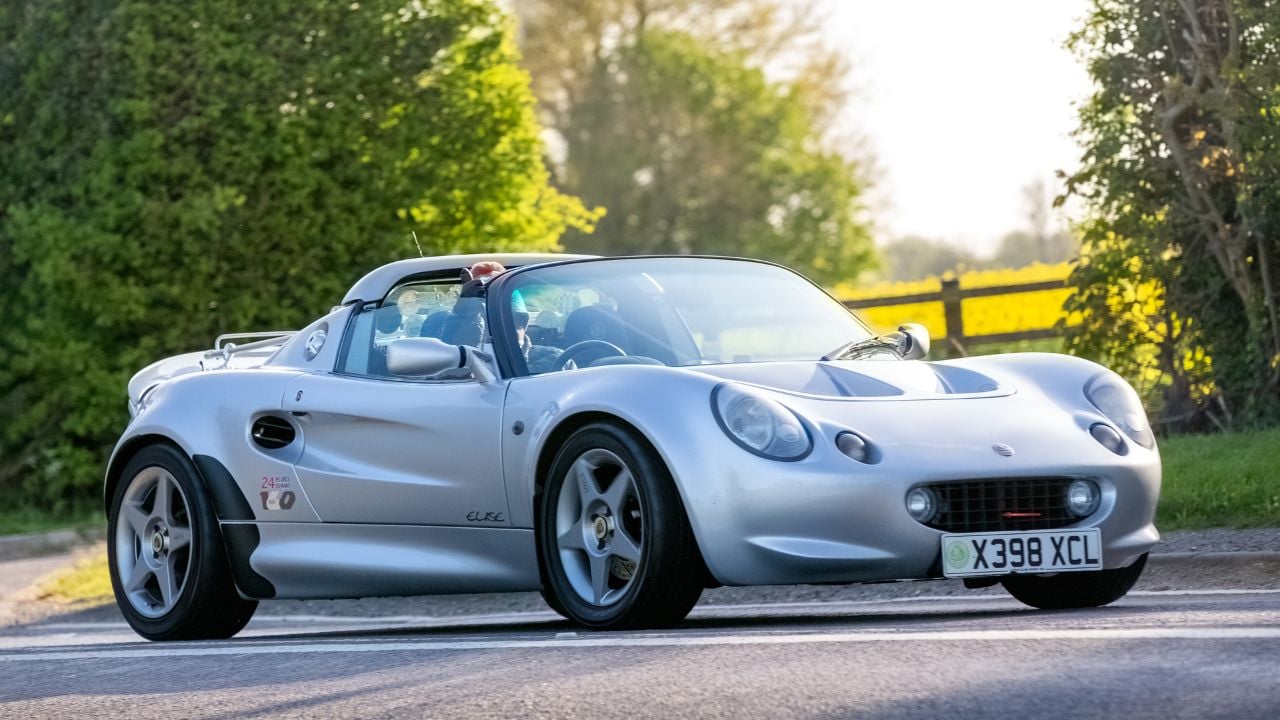
The original Elise Series 1 weighed 1,598 pounds. For context, that’s lighter than a Mazda Miata’s hardtop model and about 800 pounds less than what most modern “lightweight” sports cars consider acceptable. Lotus achieved this through an extruded aluminum chassis that used aerospace-grade bonding techniques; basically, they built a car the way you’d build a very expensive airplane that couldn’t fly.
The body panels were made from fiberglass, because carbon fiber was still mostly reserved for Formula 1 cars and the dreams of lottery winners. Every component was scrutinized for unnecessary mass. The spare tire? Gone. Sound deadening? What’s that? Air conditioning? You have windows that open, don’t you?
This obsessive weight reduction created a car with a power-to-weight ratio that embarrassed vehicles costing three times as much. The original 1.8-liter Rover K-Series engine produced a modest 118 horsepower, but in the Elise, it felt like 200. Physics, it turns out, is a wonderful thing when you actually pay attention to it.
The Unfiltered Steering Feel

The Elise’s steering system is unassisted, which is automotive journalism speak for “your arms will get a workout.” Here’s the thing: after 10 minutes behind the wheel, you’ll never want power steering again. The rack-and-pinion setup delivers feedback so precise you can practically read the road surface’s autobiography through the steering wheel.
The steering ratio is quick enough (2.7 turns lock-to-lock) that parking requires some recalibration of your muscle memory, but on winding roads, it transforms into something approaching telepathy. The wheel tells you exactly how much grip you have, where the limit is, and politely suggests you might want to slow down before that upcoming decreasing-radius turn ruins your day.
Modern cars have spent decades trying to replicate this feel through electronic wizardry and variable-ratio systems. The Elise just used simple mechanical connections and trusted drivers to handle the responsibility. Revolutionary concept, apparently.
The Shape That Stopped Time

Julian Thomson’s design for the Elise has aged better than most Hollywood careers. The proportions — short overhangs, wide track, low height — create a visual impact that photographs can’t quite capture. At just 46.5 inches tall, the Elise looks like it’s been stepped on by a benevolent giant who happened to have excellent taste in automotive design.
The rear clamshell opens to reveal the engine bay, giving owners the satisfaction of explaining to confused onlookers why there’s no engine under the hood. The whole package suggests speed even when parked, which is more than you can say for most SUVs that cost twice as much.
Series 2 models (2001-2011) added slightly more aggressive styling with revised headlights and a more pronounced nose, while the final Series 3 cars (2010-2021) managed to incorporate modern safety requirements without completely destroying the original’s purity. It’s a design that proved timeless by ignoring fashion entirely.
The Roadster Roof Ritual

The Elise’s soft-top removal process is either charming or infuriating, depending on your relationship with manual labor. Unlike modern convertibles that transform at the push of a button, the Elise requires you to physically remove panels and store them somewhere. It’s a ritual that takes about five minutes once you’ve figured out the sequence—longer if you’re trying to explain to your passenger why they need to hold this piece while you wrestle with that latch.
But once the roof is off, the Elise transforms into something special. The structural rigidity remains excellent thanks to that aluminum tub, and the driving experience becomes even more immediate. Wind noise at highway speeds will make conversation difficult, but that’s missing the point entirely. The Elise wasn’t designed for comfortable interstate cruising, it was built to make back roads feel like personal roller coasters.
The hardtop versions offered slightly better weather protection and marginally improved aerodynamics, but they missed out on the full Elise experience. Sometimes discomfort is part of the charm, but I love the look of the hardtop and have not removed it for over a year.
The Soundtrack of Simplicity
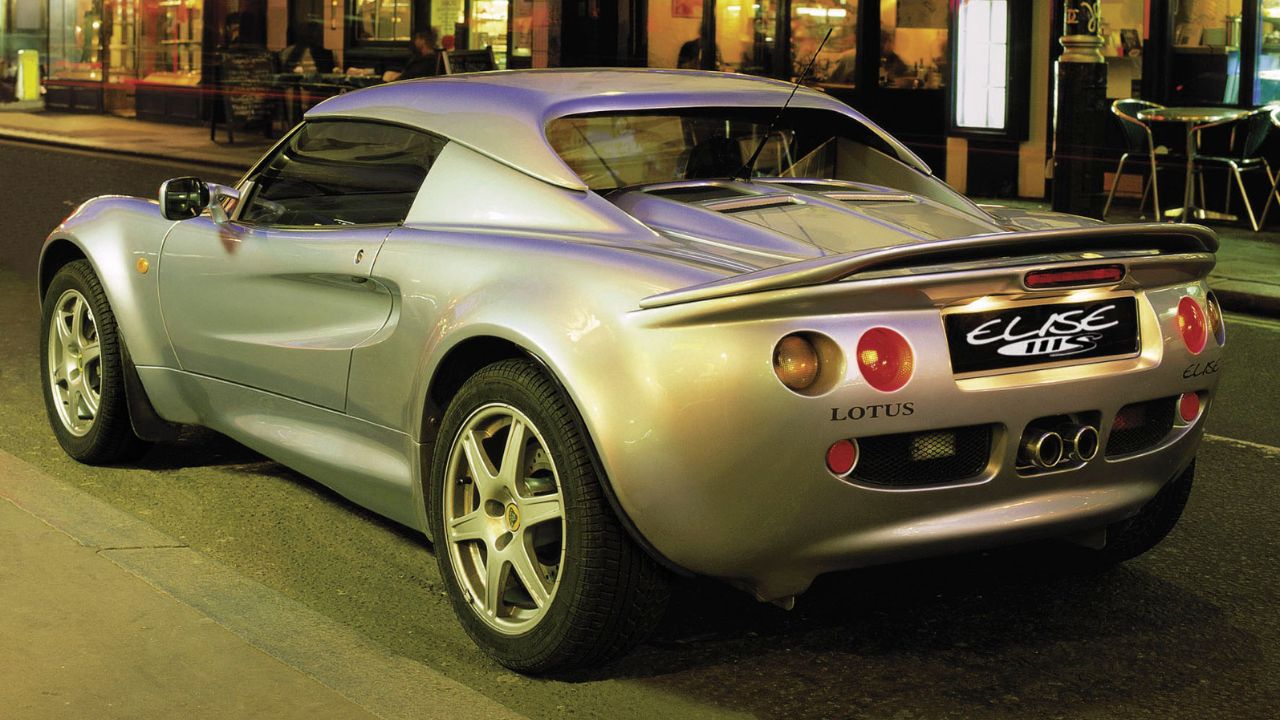
The Elise’s engine bay housed various powerplants over its production run, each proving that horsepower numbers aren’t the whole story. The original Rover K-Series 1.8-liter produced 118 hp and was notorious for head gasket failures: because nothing says “British engineering” quite like a beautiful engine with one fatal flaw.
Later models received Toyota powerplants: the 1ZZ-FE 1.8-liter with 138 hp in naturally aspirated form, and the supercharged 2ZZ-GE producing 218 hp in the Elise SC. The Toyota engines were more reliable than a Swiss watch and about as exciting as one, but they proved that sometimes boring is better than walking.
The supercharged models could hit 60 mph in 4.6 seconds and reach 150 mph, numbers that remain respectable today. The real magic happened between 30 and 80 mph, where the Elise’s lack of mass made every acceleration feel like a slingshot launch. Overtaking became an art form rather than a commitment ceremony.
The Cockpit’s Honest Charm
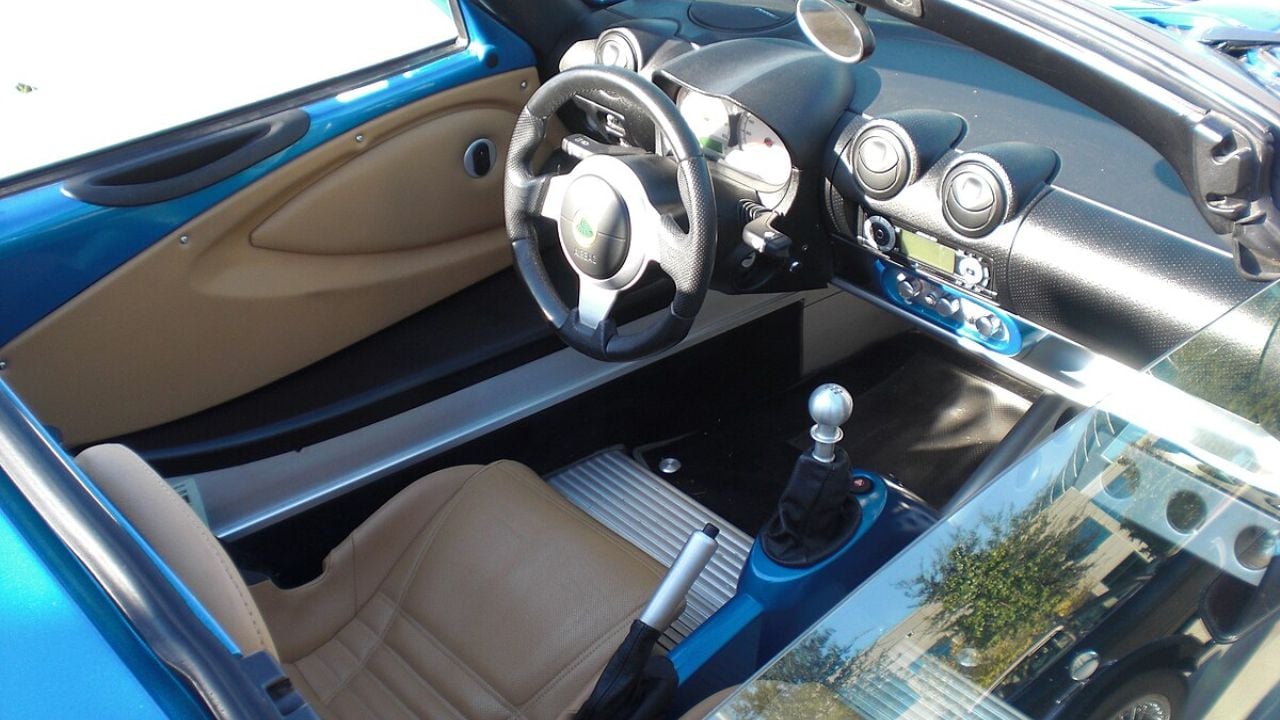
The Elise’s cabin is best described as “purposeful minimalism” or “British austerity,” depending on your mood. I call it an afterthought. The thin, fixed-back bucket seats only adjust fore and aft, and the steering wheel doesn’t adjust at all. The pedal box can be tweaked, but that’s more a workshop job than a normal driver adjustment.
The dashboard features actual aluminum, not plastic painted to look like aluminum. The switches feel substantial, the gauges are easy to read, and everything falls to hand naturally. There’s no infotainment system to distract you, no automatic climate control to argue with, and definitely no massage functions. The Elise assumes you came here to drive, not to be comfortable.
Storage space is practically nonexistent, which forces you to pack like a motorcycle rider. A weekend bag fits behind the seats if you’re optimistic about space and flexible about access. The door pockets can hold a phone and maybe some breath mints. This isn’t a design flaw: it’s a feature that reminds you what the car is actually for. This didn’t stop me from taking a five-hour road trip once — and I have to say, it felt a bit like a mistake. A beautiful, fun, uncomfortable mistake.
The Way It Tackles a Corner
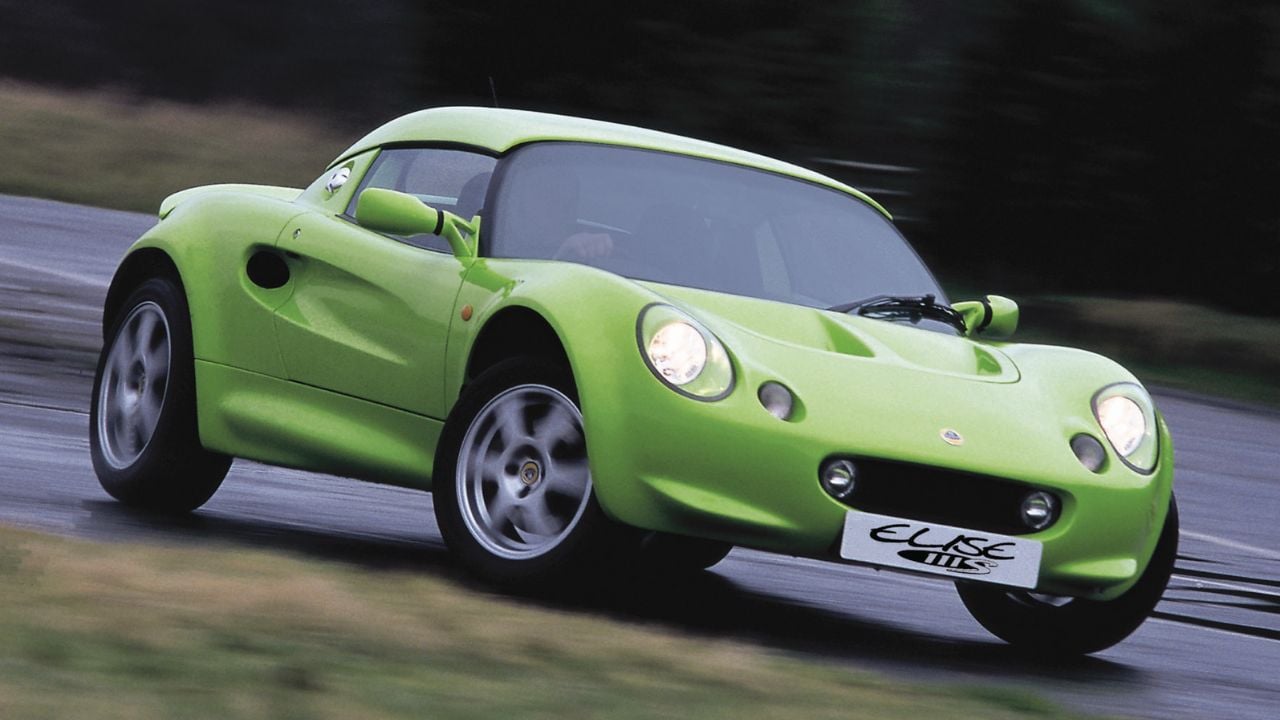
The Elise’s double wishbone suspension setup at all four corners creates handling that borders on supernatural. The geometry was developed with significant input from Lotus’s Formula 1 experience, resulting in a road car that changes direction like a nervous hummingbird but remains perfectly composed while doing it.
Body roll is essentially nonexistent. The car stays flat through corners that would have other sports cars leaning like a cornfield in a hurricane. The short wheelbase (90.6 inches) makes the Elise incredibly agile, while the wide track (58.7 inches front, 59.8 inches rear) provides stability that belies its compact dimensions.
The suspension is firm enough to transmit every road imperfection directly to your vertebrae, yet somehow it never feels harsh. It’s like the engineers found the exact sweet spot between sporting precision and tolerable comfort, then decided to err slightly on the side of precision. Your passengers may disagree with this philosophy.
The Efficiency of Purpose
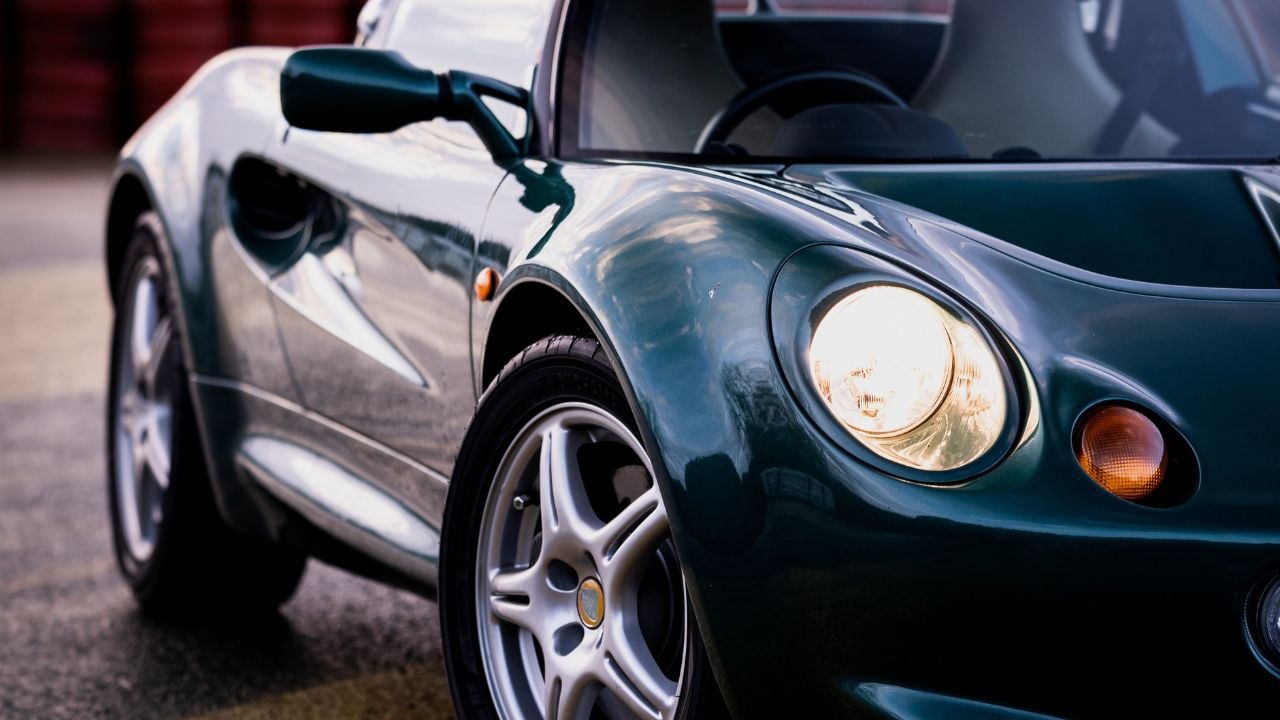
Every aspect of the Elise’s design serves the central goal of maximum driving enjoyment per pound of vehicle weight. The mid-engine layout provides a 38/62 front/rear weight distribution, while the low center of gravity creates handling characteristics that make physics professors weep with joy.
The aluminum chassis uses epoxy-bonded extrusions in a design that’s both incredibly rigid and surprisingly repairable. The body panels are designed to be easily replaced, because Lotus assumed owners might occasionally discover the limits of grip in an enthusiastic manner. The whole structure weighs just 150 pounds while providing crash protection that met safety standards well into the 2000s.
This efficiency extends to every system. The brakes are relatively small but perfectly adequate for a car this light. The fuel tank holds just 10.6 gallons, but the Elise will return 30+ mpg even when driven with enthusiasm. Everything works together in harmony, like a really good jazz quartet where everyone knows exactly when to take their solo.
The Spirit of Motorsport
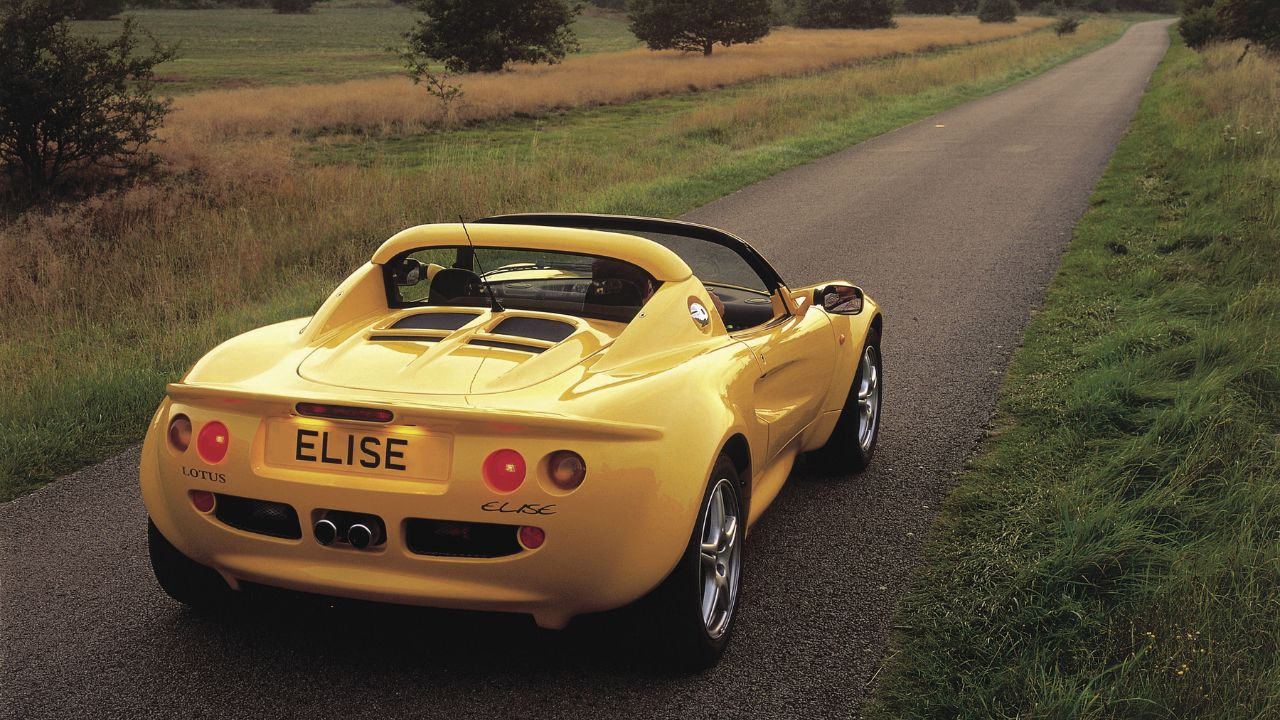
The Elise was developed alongside Lotus’s racing programs. That’s why the chassis design incorporates lessons learned from Formula 1, while the aerodynamics were refined through competition experience. The result is a road car that feels like a race car that’s been taught basic manners.
This racing heritage shows in every aspect of the driving experience. The seating position puts you low and centered, with perfect sightlines through corners. The controls are weighted and positioned for quick, precise inputs. The suspension setup prioritizes feedback and control over comfort. Even the gear shifter has the short, mechanical feel of a proper sports car rather than the vague stirring motion common in modern vehicles.
Track day organizations learned to create separate classes for Elises because they were embarrassing cars costing twice as much. On a tight, technical circuit, few vehicles could match an Elise’s combination of speed and precision. It became the weapon of choice for drivers who valued lap times over bragging rights about horsepower numbers.
The Community It Creates
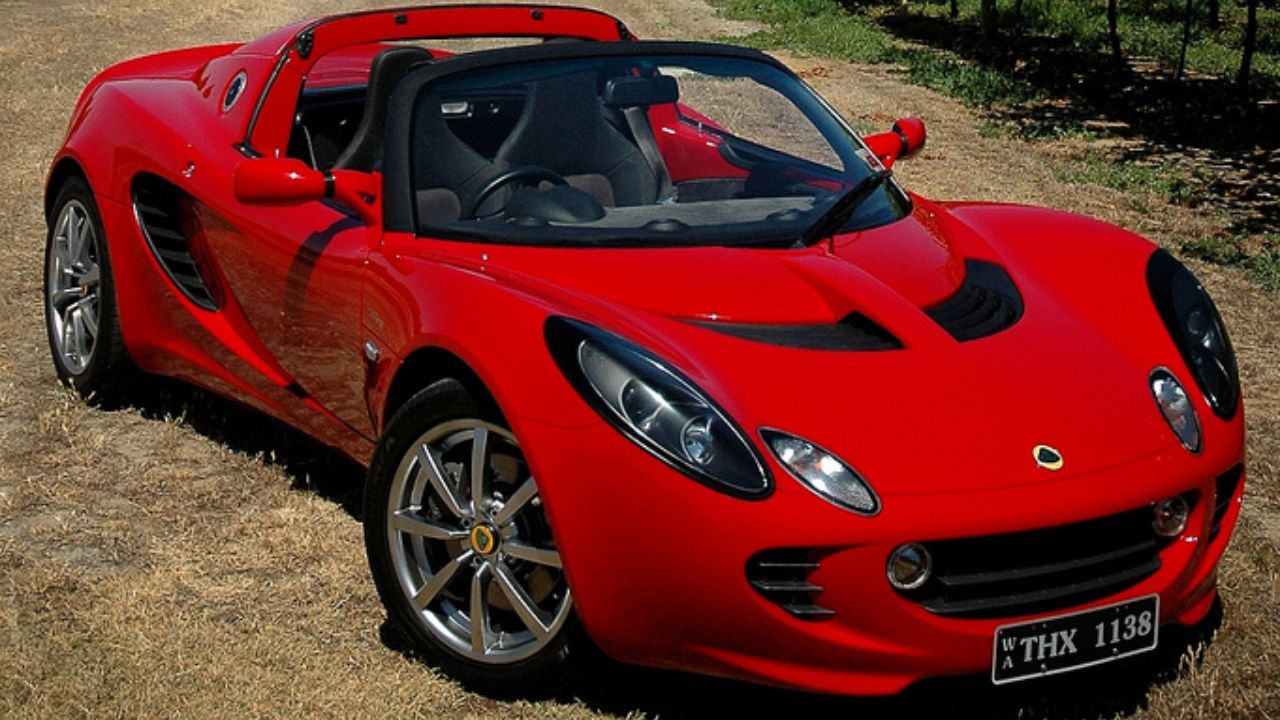
Elise owners form one of the most knowledgeable and passionate communities in the automotive world. They have to be: owning an Elise requires a certain commitment to the maintenance arts. Online forums are filled with detailed guides for everything from removing the clamshell to rebuilding the Rover K-Series engine’s eternally problematic head gasket.
This isn’t the kind of car that attracts casual enthusiasts. Elise buyers know exactly what they’re signing up for: a compromised, uncomfortable, occasionally unreliable machine that happens to be one of the finest driver’s cars ever built. The community reflects this understanding, with more technical knowledge per capita than most engineering departments.
Car meets featuring Elises tend to involve more shop talk and fewer Instagram photo sessions. These are people who understand that the best automotive experiences often involve some degree of sacrifice, whether it’s comfort, convenience, or the ability to carry more than a toothbrush for weekend trips. They’re there to track it, not stare at it.
Where the Legend Keeps Driving

Production of the Elise ended in 2021, marking the conclusion of a 25-year run that proved lightweight sports cars could still find an audience in an SUV-obsessed world. The final examples were more refined than the originals but retained the essential character that made the Elise special: an uncompromising focus on the driving experience above all else.
Modern Lotus vehicles like the Emira carry forward the Elise’s philosophy while adding contemporary refinements. But for pure, undiluted driving joy, the Elise remains the benchmark. It’s a car that forces other manufacturers to explain why their sports cars weigh 3,000+ pounds and still can’t match the performance of a 1,600-pound British featherweight.
The Elise proved that Colin Chapman’s famous philosophy — “simplify, then add lightness” — wasn’t just a clever saying but a roadmap to automotive excellence. In an era of increasing complexity and weight, the Elise stood as proof that sometimes the best solution is to subtract rather than add. Those lessons remain as relevant today as they were in 1996, waiting for the next generation of engineers brave enough to trust in the power of less.