Alright, purists. This one is for you! The 1970s delivered some of the most engaging cars ever built, combining raw mechanical connection with the timeless appeal of manual transmissions. It was an era when driving still felt purely analog, a time when gear changes required skill and rewarded precision. Manual cars from this decade offered drivers a sense of control that modern systems often lack. Today, you’re more likely to see a “manual mode” on a minivan than a true three-pedal setup on a modern sports car.
Manual cars are becoming rare in 2025 compared with past decades. As the world turns to depressing SUVs packed with kids and soulless EVs that want you to feel less like you’re driving and more like you’re in a tacky living room, manual cars are becoming rare. Which means fun is rare. Feeling connected to your car is unlike any other feeling on earth, and we want to celebrate the cars that put that above all else.
Have you ever felt the pure, unadulterated joy of perfectly timing a downshift on a winding road, the engine barking a symphony of mechanical pleasure? That thrill is what these cars captured. They brought personality to every drive, turning even ordinary trips into memorable experiences. Beyond speed, they created bonds between drivers and machines that still resonate today.
These 1970s icons continue to inspire those who value driving as an art, not just a necessity.
When Shifting Gears Was Pure Art
At Guessing Headlights, we have plenty of people who swear manual cars are superior. We love how they feel to drive, the satisfaction at every shift, the way they keep you engaged. So we wanted to highlight the best manual cars from the 1970s from the lens of driving enthusiasts.
Manuals were not just a transmission choice; they were the heart of the experience, transforming cars into machines that required and rewarded skill. I focused on vehicles where the gearshift felt intuitive, precise, and deeply connected to the engine’s character. These were cars built to be driven, not simply operated, with each shift becoming part of a rhythm between human and machine.
Influence also played a key role, favoring models that shaped motoring culture and inspired future designs. Some thrived on racetracks, while others made their mark as soulful grand tourers or spirited daily drivers. These cars offered a level of feedback and involvement that modern systems often overlook, turning routine journeys into events worth savoring.
They remain timeless symbols of when motoring was about connection and pure enjoyment. Not about who could pack in the most screens and cup holders in a commuter that leaves you feeling zoned out on the way to work. All of the vehicles listed below were available with manual transmissions, which is the configuration highlighted here.
Porsche 911 Carrera
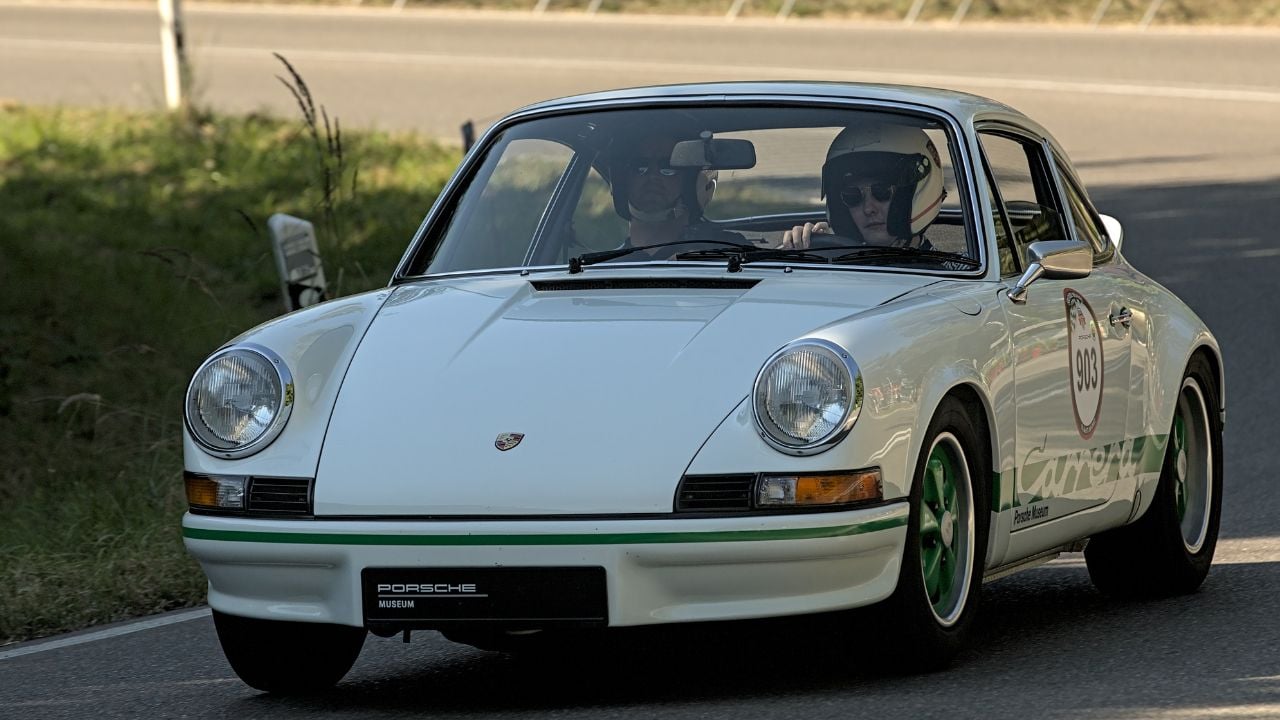
The 1970s Porsche 911 Carrera was a philosophy on four wheels. It took the already legendary 911 and dialed it up to eleven, proving that even a car with its engine in the wrong place could be a masterpiece. The manual transmission was a work of art, a direct connection to the rear-mounted air-cooled flat-six that, with enough skill, could be made to sing a glorious, un-muffled symphony.
This was a car that didn’t tolerate incompetence. A botched shift or a ham-fisted corner entry would be met with a swift lesson in physics, and the car would punish you with a trip to the nearest ditch.
Its lightweight construction and minimalist cabin kept attention firmly on driving. The ducktail spoiler on the 1973 Carrera RS models was a functional piece of art that kept the back end from trying to overtake the front when cornering at high speed. The Carrera remains a symbol of Porsche’s ability to refine an already legendary formula while keeping the experience purely mechanical and utterly engaging.
BMW 2002 tii

The BMW 2002 tii is the automotive equivalent of a perfect date: charming, fun, and doesn’t demand all your money. It delivered precision and charm in a compact sedan that basically invented the term “sports sedan.” Its manual gearbox was a joy, working in perfect harmony with a fuel-injected, two-liter M10 engine that felt lively across all gears.
With its balanced handling, it was equally at home on city streets or mountain switchbacks, appealing to those who appreciated finesse over brute power.
The car’s success was so profound that it essentially created the market for high-performance compact sedans, a market that BMW still dominates today. It proved that sports car thrills could exist in a daily driver and that you didn’t need a huge, thirsty V8 to have a good time.
The 2002 tii still stands as one of BMW’s most beloved models, and for good reason: it was a car that could do everything, and do it well.
Ferrari 308 GTB

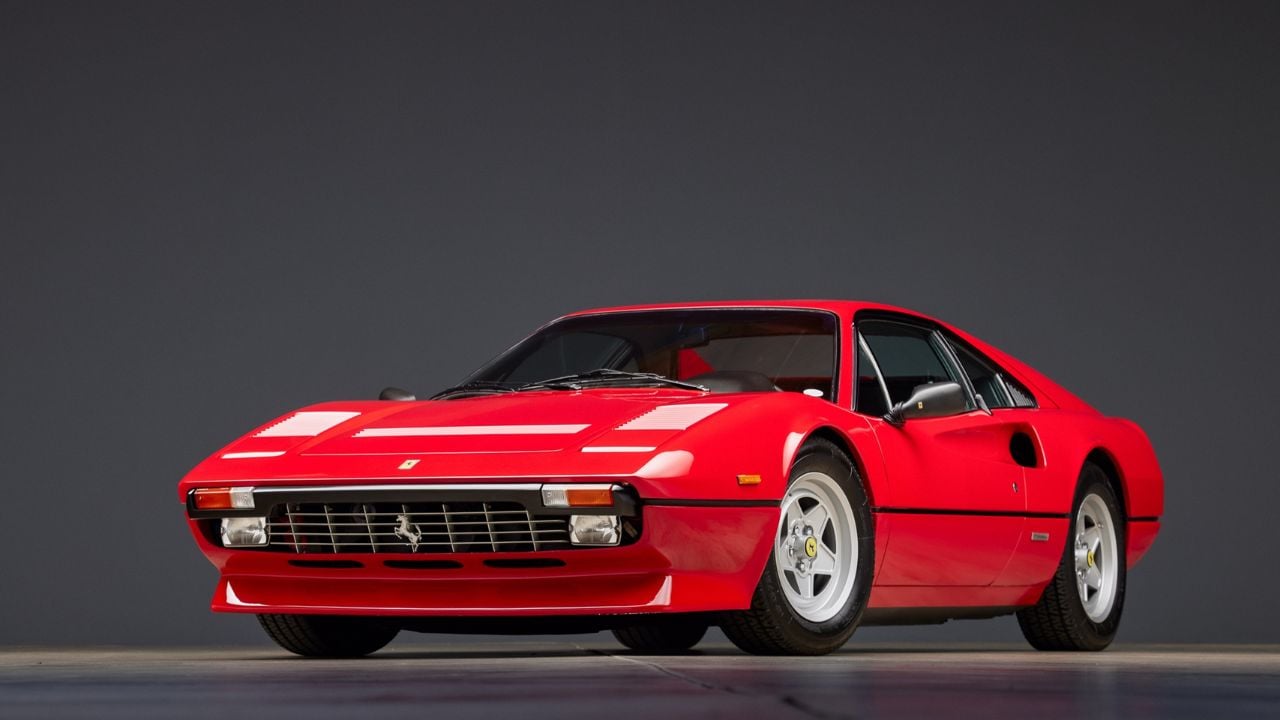
The Ferrari 308 GTB is the car that made every kid in the 1980s want to be Tom Selleck. Introduced in 1975, it brought the allure of Maranello to a new generation of drivers, pairing exotic styling with a hands-on, three-pedal engagement. The most famous feature was the gated shifter, a tactile and precise work of art that made every gear change a deliberate, metallic clink. It was a unique connection to the mid-mounted V8 that sang a beautiful song just inches behind your head.
The car’s lightweight fiberglass body on early 1975–1977 models and sharp steering made spirited driving a joy. It wasn’t the fastest car in the world, but every drive felt like an event, turning even mundane trips into memorable experiences.
The 308 GTB remains an icon for its ability to deliver performance with unmistakable Italian soul.
Datsun 240Z

The Datsun 240Z is the car that told the Europeans, “Hold my sake.” It blended affordability with sports car excitement, introducing a new wave of enthusiasts to engaging performance. It was a car that looked like a Jaguar E-Type but cost a fraction of the price and, more importantly, actually started in the morning. Its manual transmission worked effortlessly with the smooth L24 inline-six, giving drivers the tools to explore the car’s responsive nature.
The long-hood, short-deck design combined beauty with aerodynamic efficiency. Inside, the cabin prioritized function, offering clear gauges and comfortable seating for long journeys. It captured the thrill of European sports cars while making it accessible to a broader audience.
The 240Z continues to be celebrated as a car that democratized performance driving without losing its character or charm, and it’s a car that’s so good, you don’t even need to feel guilty about buying a Japanese car.
Mazda RX-3

Makes sense to see Mazda here, since the MX-5 was a top manual car of the ’90s. The Mazda RX-3 is the car you buy when you want to be different. It introduced rotary power to a wide audience, pairing its unique engine with a crisp-shifting manual gearbox. The 10A—and later the 12A Wankel rotary engines, depending on market, delivered a lively driving experience, with smooth power delivery that encouraged spirited runs through the gears, all while making a sound like a swarm of very angry bees.
Lightweight construction and well-tuned suspension made it nimble, giving it an edge in corners. Inside, the straightforward layout emphasized driving above all else, reflecting Mazda’s focus on the essentials. This model offered something fresh in an era dominated by conventional engines, turning curiosity into genuine appreciation.
The RX-3 continues to be admired for its innovative approach to performance wrapped in an approachable package, and it’s a car that’s so unique, you’ll never have to worry about someone else having the same car at the car show.
Lancia Stratos HF Stradale
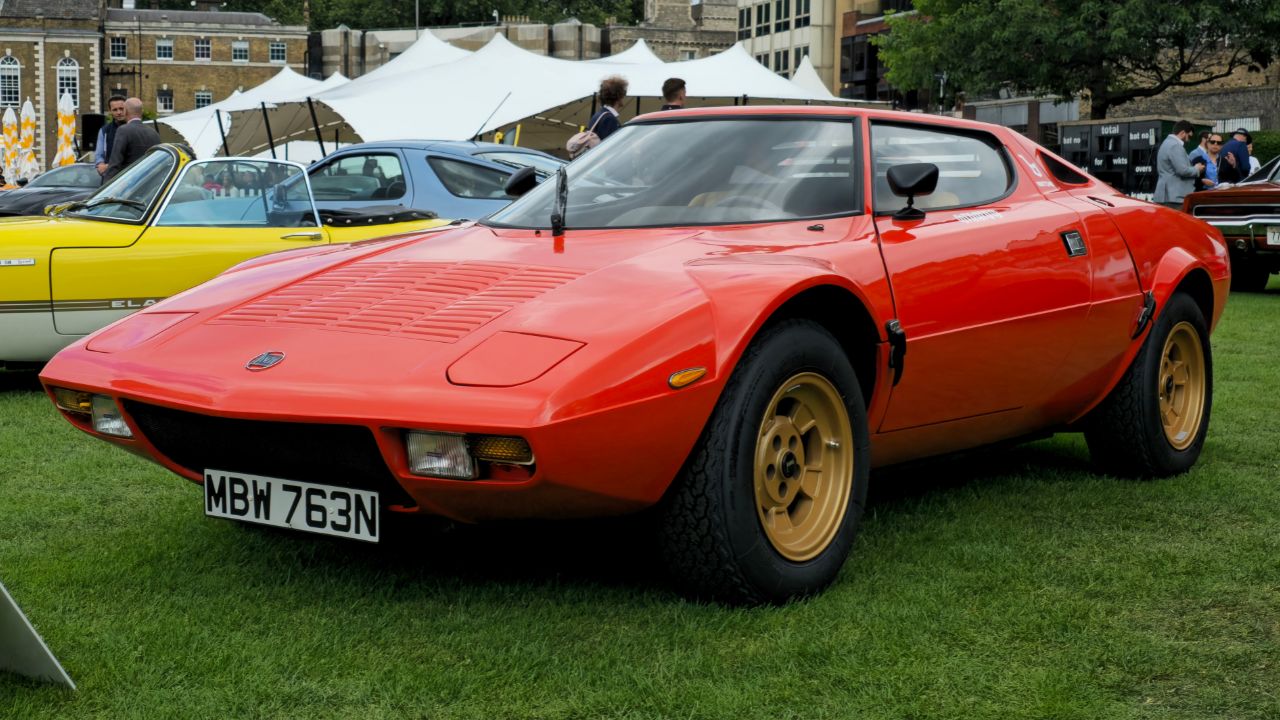
The Lancia Stratos HF Stradale is what happens when a car company decides to make a street-legal race car. It brought rally-bred engineering to the streets with a thrillingly raw personality. Its dogleg manual gearbox paired beautifully with a Ferrari Dino V6 engine that delivered eager power. The car’s compact dimensions and razor-sharp handling made it feel alive on winding roads, transforming every drive into an adventure.
The cabin, though sparse, placed every control exactly where it needed to be for spirited driving. Its aggressive wedge-shaped design turned heads and hinted at the car’s competition pedigree. The Stratos Stradale remains one of the purest expressions of rally-inspired engineering available to road drivers, celebrated for its precision and charisma. I can’t imagine the exhilaration rally drivers felt shifting gears and flying off a dirt mound in one of these.
Alfa Romeo Montreal
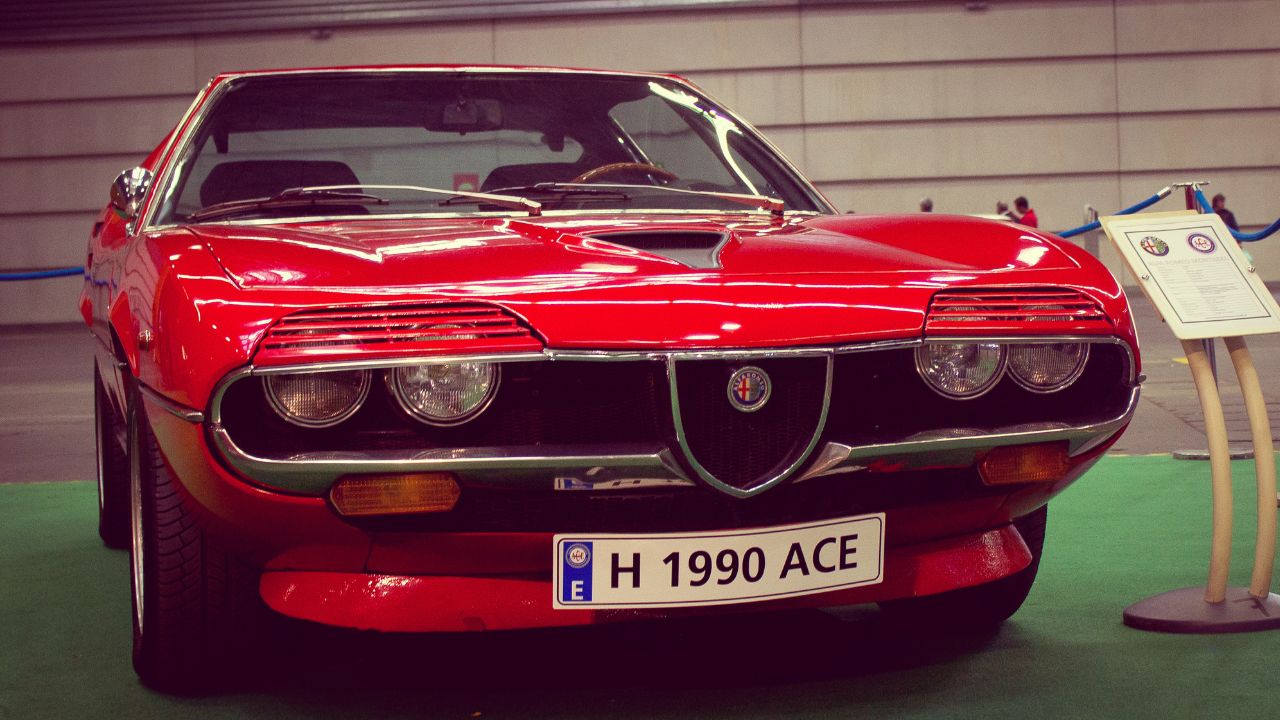
The Alfa Romeo Montreal is a car that looks like it’s from the future, and it sounds even better. It combined grand touring comfort with hands-on involvement, making it an unforgettable 1970s coupe. Its manual gearbox paired with a race-derived V8, adapted and detuned for road use, created an intoxicating blend of performance and sound. Styling by Bertone added dramatic flair, ensuring it stood out even among other exotics.
The interior delivered Italian craftsmanship with thoughtful ergonomics, designed for long drives at speed. Its balanced chassis kept the experience both thrilling and manageable, appealing to drivers who appreciated sophistication with excitement.
The Montreal still holds a special place as one of Alfa Romeo’s most charismatic creations from the era.
Chevrolet Corvette C3
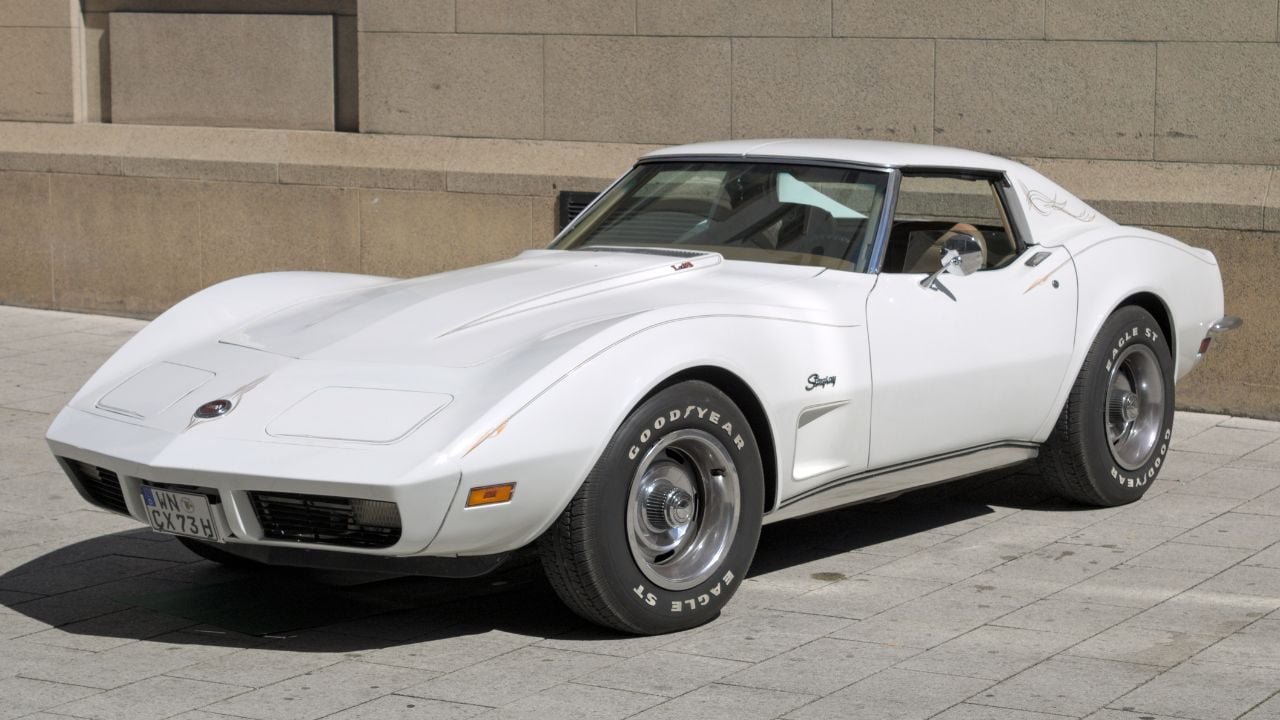
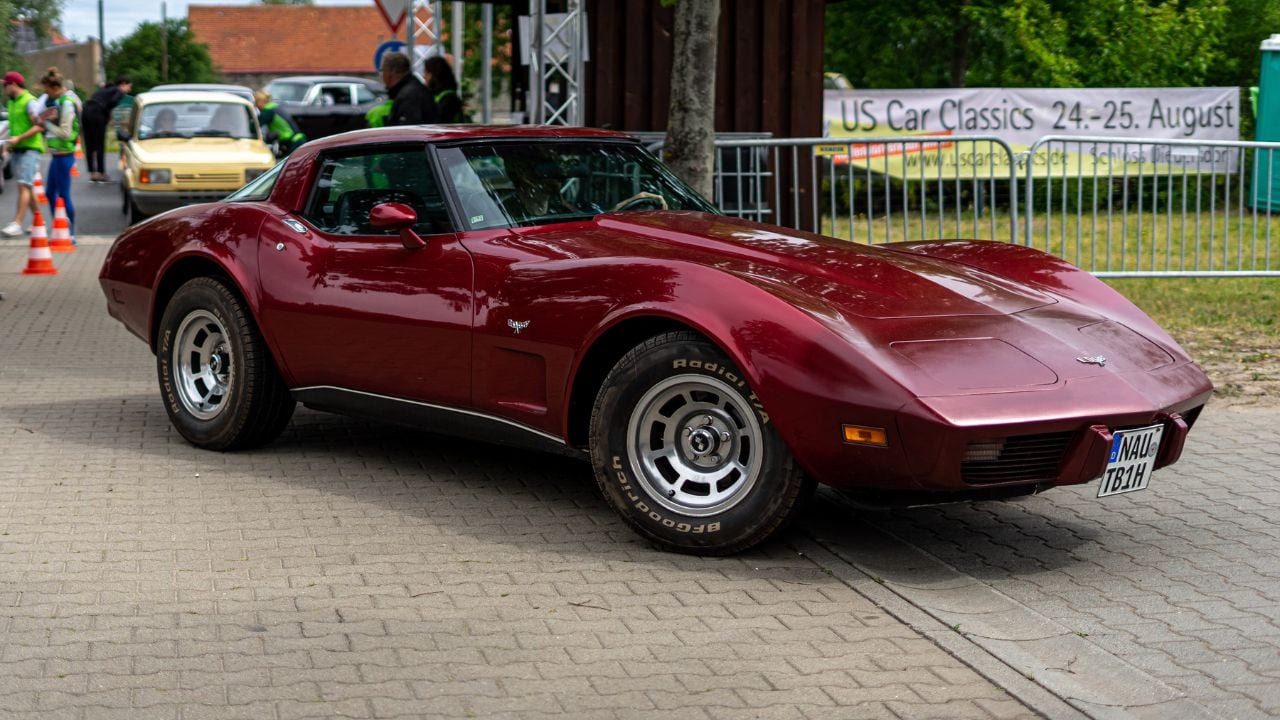
The Chevrolet Corvette C3 captured the spirit of American performance with a manual transmission that demanded attention and skill (don’t call it a muscle car, though). Its long, sculpted body and low stance gave it a commanding road presence. Under the hood, a range of powerful V8 engines, including the monstrous 454 big-block, paired with the gearbox to deliver immense straight-line performance.
The cockpit surrounded drivers with an aircraft-inspired layout, enhancing the sense of occasion. On open roads, the Corvette felt unshakable, offering a blend of muscle and engagement few rivals could match.
This model remains an enduring symbol of 1970s American sports car culture, prized for its raw power and character.
Lotus Esprit S1
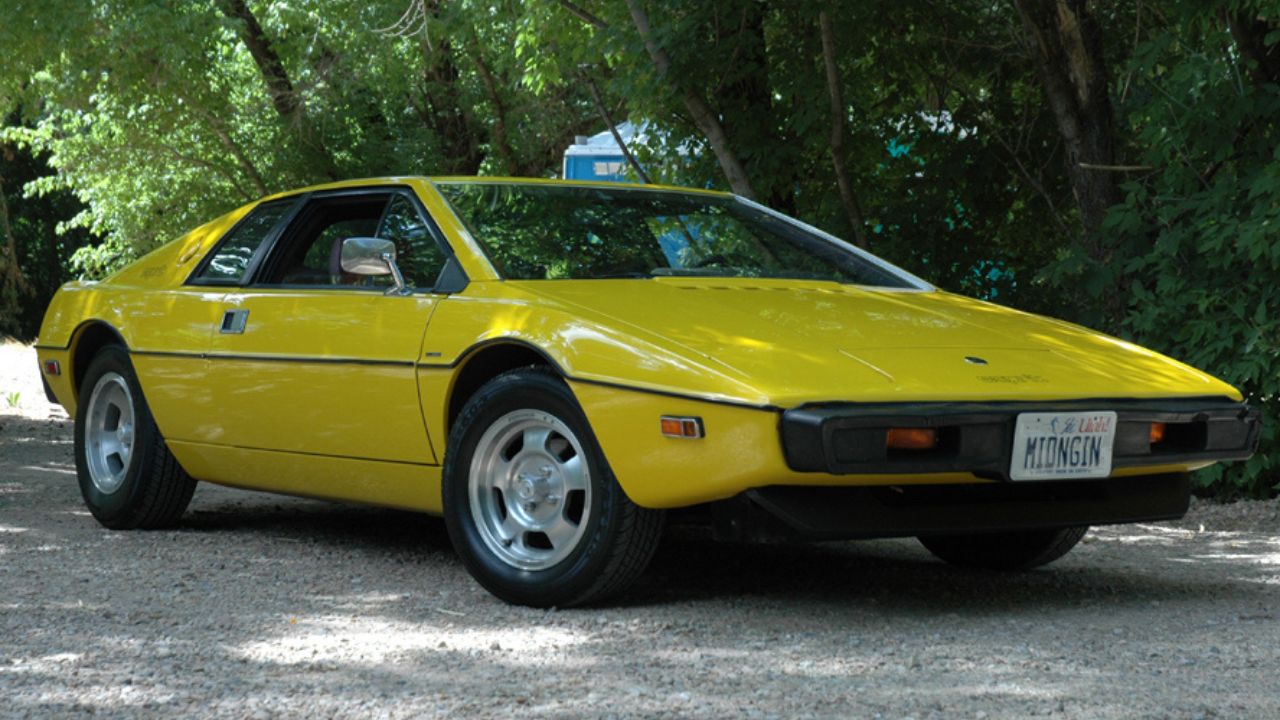
The Lotus Esprit S1 turned heads with its sharp, wedge-shaped design and agile handling. Designed by Giorgetto Giugiaro, it looked like something out of a movie, which made sense, because it literally starred in one: The Spy Who Loved Me. And no, it doesn’t actually turn into a submarine, but that hasn’t stopped fans from dreaming. Its fiberglass body sat atop a steel backbone chassis, keeping weight low and responsiveness high. The manual transmission worked in harmony with the lightweight setup, making the Esprit a scalpel in a world of sledgehammers.
Built with Colin Chapman’s “simplify and add lightness” mantra carved into its DNA, the Esprit S1 stripped away anything that didn’t serve the driving experience. The interior was sparse and focused, more cockpit than lounge, and the result was pure driver immersion. No frills, no fuss, just tight corners and tighter gear changes. Revered today for its purist approach, the Esprit S1 stands as one of Lotus’s most daring and iconic creations, a wedgy reminder that less really can be more… especially if it looks like it belongs in a Bond chase scene.
Ford Escort RS2000
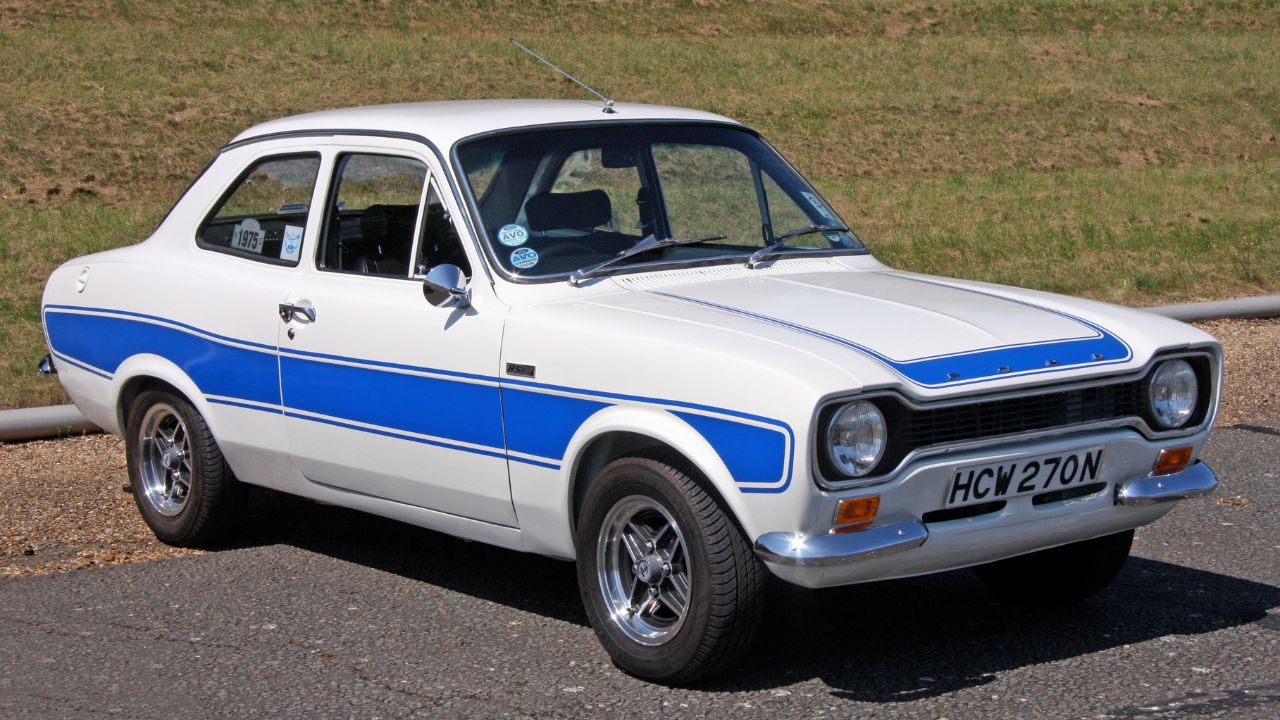
The Ford Escort RS2000 brought rally-bred excitement to the street with a face that said, “Yes, I throw gravel for breakfast.” Born from Ford’s obsession with domination in motorsport, the RS2000 was the fast, flat-cap-wearing uncle of the humble Escort. Under the hood, a torquey 2.0-liter Pinto OHC inline-four engine offered just enough grunt to make backroad blasts feel like a special stage. Paired with a close-ratio manual gearbox, it turned mundane commutes into miniature Monte Carlo rallies.
It was rough, ready, and utterly lovable. If you wanted a luxurious interior, this wasn’t the car for you, it was all about laying down rubber and keeping the revs high. This was a car that encouraged bad behavior in the best way. Nimble handling and a lightweight chassis gave the RS2000 an edge in the corners, while its distinctive front end made sure no one mistook it for just another econobox.
To this day, it remains a blue-collar hero with a motorsport soul, a hooligan in halogen headlights.
Toyota Celica GT
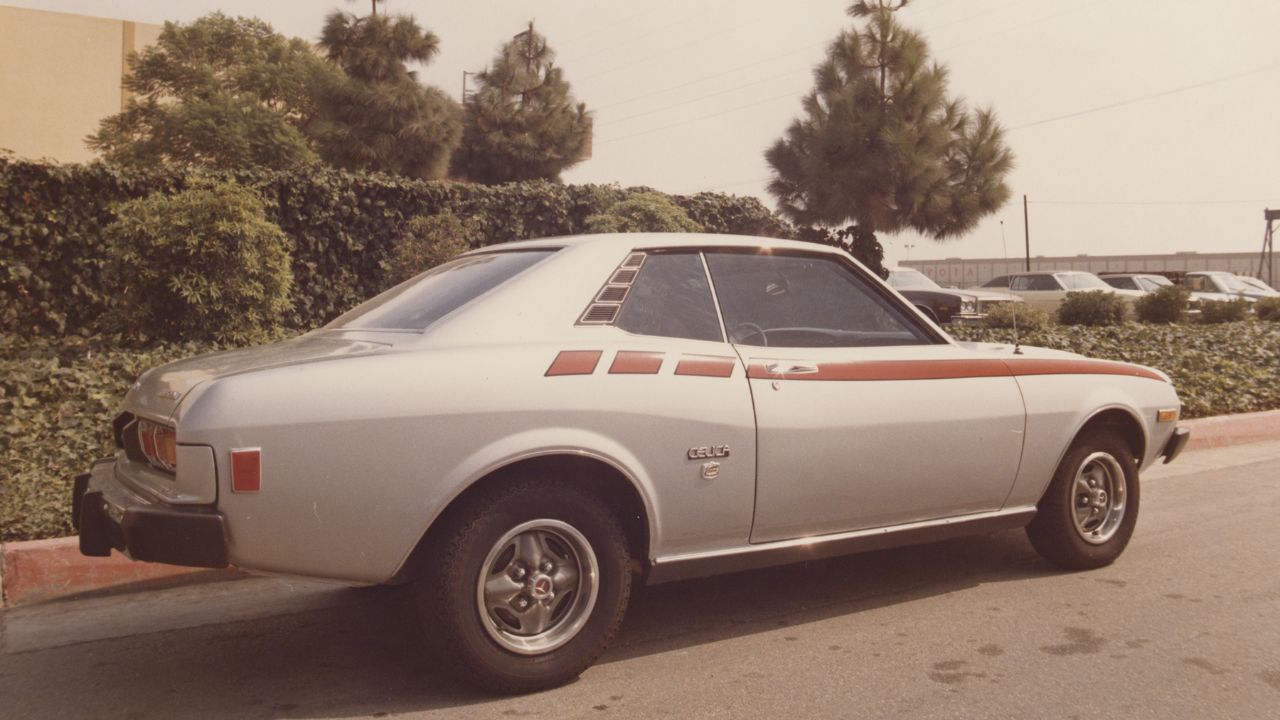
The Toyota Celica GT was Toyota’s answer to the sporty coupe wave, but with a bit more finesse and a lot fewer breakdowns. With its long hood, short deck, and Coke-bottle hips, the Celica looked ready to brawl in a parking lot or cruise the Pacific Coast Highway, depending on your vibe. Its manual gearbox was slick and dependable, mated to a punchy little inline-four that delivered spirited performance without guzzling fuel or setting off alarms.
What made the Celica GT special was its blend of Japanese reliability and sporty attitude. It wasn’t the fastest, but it was consistent, the kind of car that rewarded you for revving it out and rowing through the gears. Inside, it offered a driver-centric layout that felt more upscale than its price suggested. It was also one of the first Japanese cars to truly feel “cool” on the global stage.
It didn’t just show that Toyota could build fun cars, it made people want them.
Triumph TR6

The Triumph TR6 is about as British as fish and chips eaten in the rain. With a raspy straight-six under the hood and a manual gearbox begging to be stirred, the TR6 delivered drama and charm in equal measure. Its squat, muscular stance and squared-off lines gave it a masculine presence, like a pub brawler in a leather driving cap. And when you dropped the top and got it singing down a country road, it didn’t just sound good, it felt good.
Inside, it was all about tactile engagement. Wooden dash? Check. Smiths gauges? Check. Enough wind noise to drown out your passenger’s complaints? Double check. It wasn’t perfect, reliability was always a polite suggestion, but it had soul. Lots of it. The TR6 reminded you that driving isn’t just about getting from A to B. It’s about heel-toeing into a corner, feeling the chassis squirm, and knowing that in that moment, you and the machine are speaking the same language.
It’s still a cult classic for good reason: it makes memories with every mile.
Why You Should Experience These Legends Yourself

Manual cars from the 1970s are more than pieces of automotive history; they are invitations to experience driving in its purest form. Every gear change carries a sense of purpose, making the driver an essential part of the car’s story. These machines demand attention, but they reward it with a connection modern systems rarely match. Have you ever thought about how different a road feels when you are fully engaged with every shift?
That is the magic these cars offer. They invite you to slow down, savor the process, and rediscover the joy of driving. If you ever get the chance, find one, take it for a spin, and feel the difference for yourself. These cars teach you patience, precision, and passion, turning every mile into something memorable.
Which of these classics would you love to row through the gears on a quiet backroad? Maybe it is time to experience driving as it was meant to be, hands on the wheel, feet working in harmony, and a gearbox waiting for your command.