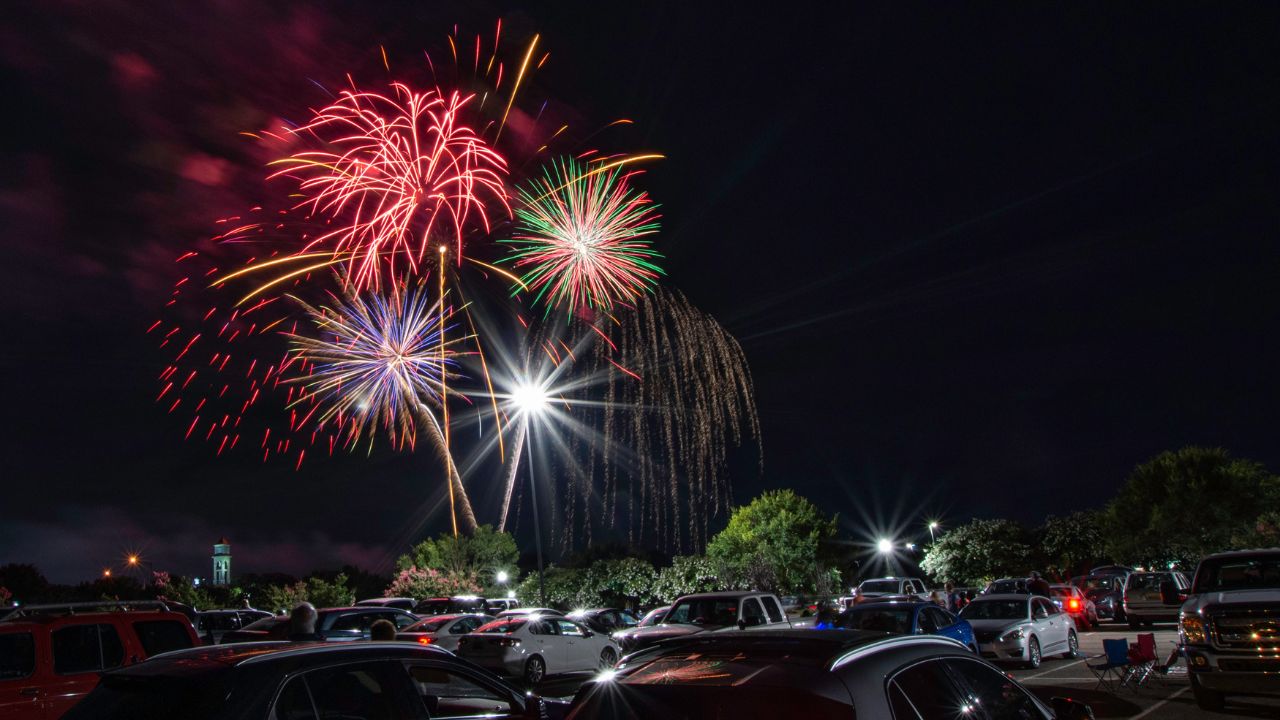
The Fourth of July is all about celebration: barbecues, family, and, of course, fireworks. But while you’re looking up at the sky, your car could be taking a hit. Firework fallout, stray sparks, and parking missteps can all turn a fun night into a frustrating mess for your vehicle.
Whether you’re cruising to a local show or watching from your driveway, here’s how to keep your car safe while you enjoy the show.
How We Picked These Tips
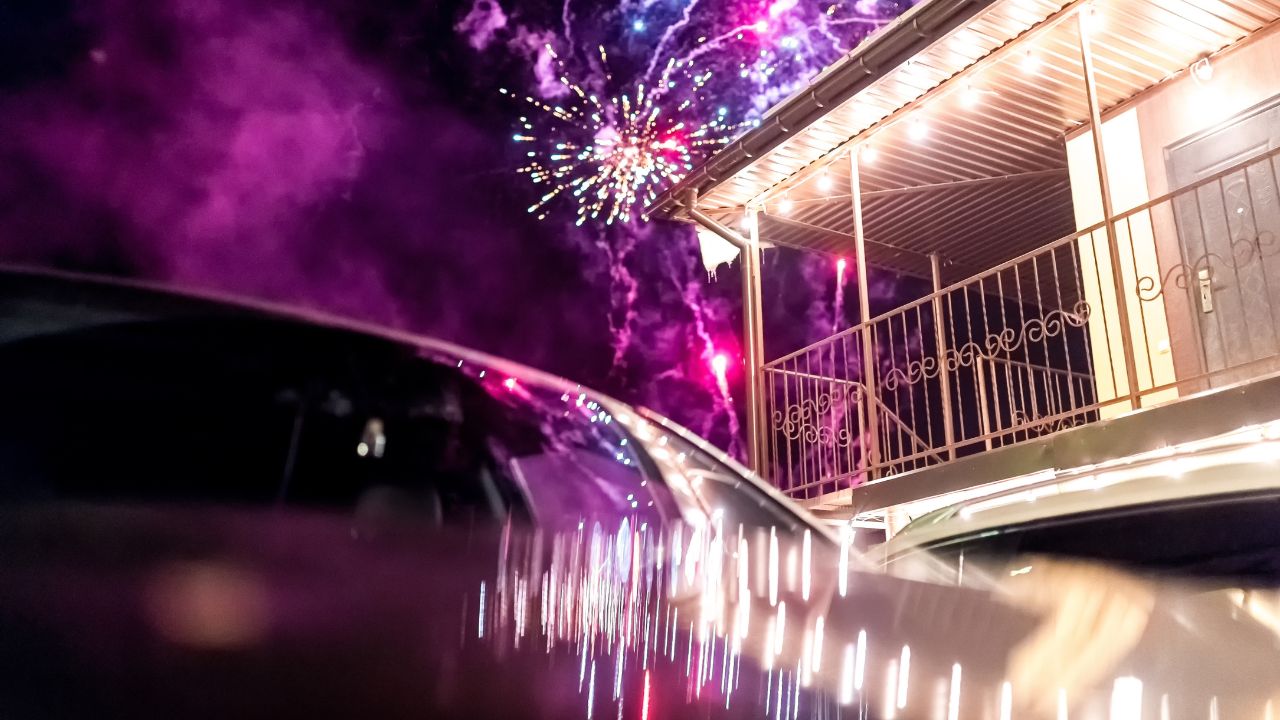
We didn’t consult a fireworks engineer or a paint-protection lab (though we’re not above it). These tips come from years of Fourth of July trial and error, seasoned car lovers, and a healthy fear of bottle rockets near bumpers.
We looked for the kinds of things most drivers don’t think about until it’s too late — like hot ash on sunroofs, melted plastic from falling debris, or that one rogue spark that lands just wrong. Whether you’re team driveway fireworks or headed to a big community show, these car-friendly tips are designed to help you enjoy the red, white, and boom without the post-holiday regret.
Because nothing ruins a celebration faster than discovering your hood doubled as a launchpad.
Don’t Park Under the Show

It might feel like front-row parking for the fun, but the closer your car is to the action, the more likely it is to get hit with hot ash, paper debris, and chemical residue. Firework fallout can burn into the clear coat, pit glass, and leave stubborn stains that don’t rinse off easily.
Even at small local shows, sparks can drift farther than expected, especially on a breezy night. Park upwind and a safe distance away from the launch zone to protect your paint and avoid waking up to a vehicle that looks like it drove through a campfire.
Use a Car Cover — Or at Least a Blanket
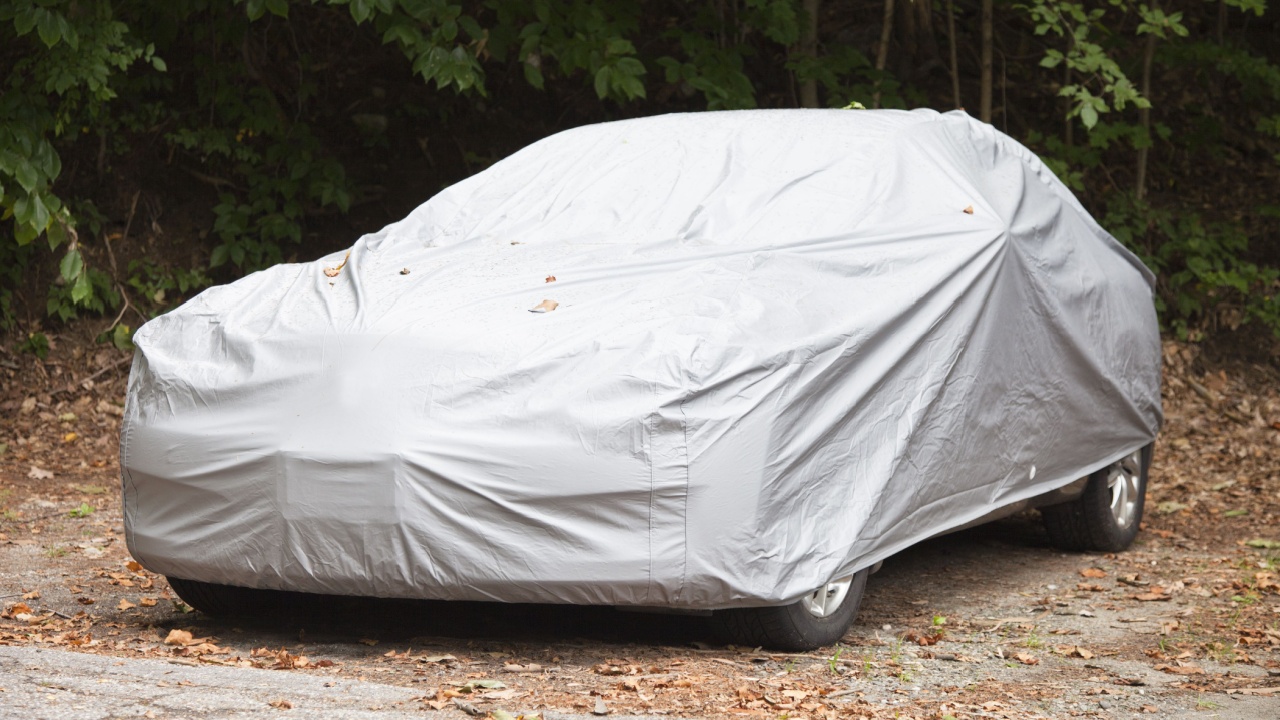
Firework debris might look harmless, but the chemicals and heat can damage your paint if left overnight. A fitted car cover is your best defense, shielding against ash, sparks, and chemical residue while keeping your car cool and clean.
No cover? A thick blanket or old sheet will do in a pinch. Just be sure to anchor it down—tuck it into the doors or use weights—so it doesn’t blow off or catch fire from a rogue ember. Protection is good. Launching unintended fireworks from your roof? Not so much.
Watch Where You Park
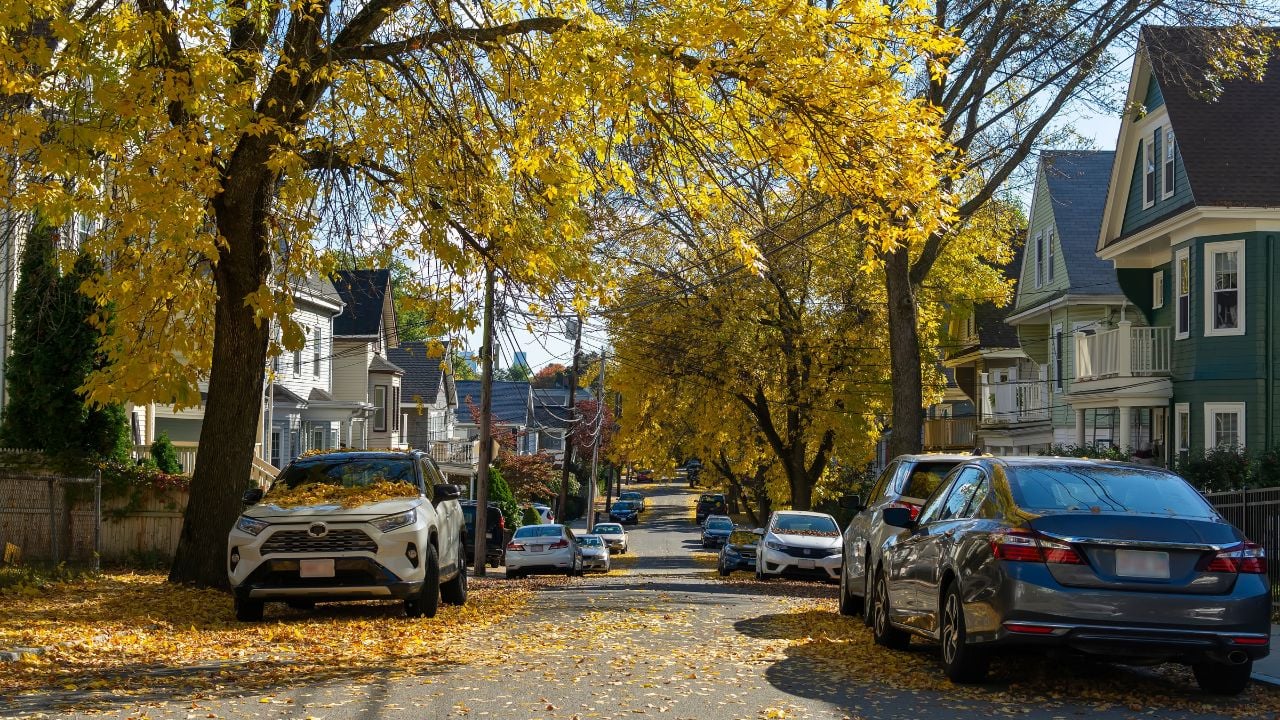
Stray sparks don’t need much to start trouble. Dry grass, loose leaves, or even an overfilled trash bin nearby can turn a harmless firework into a full-blown hazard. If you’re heading to a gathering or fireworks display, skip the roadside pull-offs and look for paved, fire-safe parking.
If you’re hosting the show, map out a clear zone well away from vehicles, launch points, and anything flammable. Fireworks and parked cars don’t mix—especially when the wind shifts or a mortar tips the wrong way.
Keep the Windows Closed

It only takes a small opening for smoke, ash, and firework dust to sneak in, and once it does, your interior absorbs it like a sponge. That means lingering smells, stained fabric, and a not-so-festive reminder every time you drive.
Roll up all the windows and make sure sunroofs and vents are sealed before the show starts. You’ll keep your cabin clean, your upholstery fresh, and your car from smelling like the aftermath of a barbecue.
Rinse It Down the Next Morning

Fireworks leave behind more than just memories—ash, sulfur, and chemical residue can cling to your car’s surface, even if you can’t see it right away. Left untouched, that grime can eat into clear coat and dull your paint over time.
A quick rinse with clean water the next morning helps wash away any invisible fallout before it causes real damage. If you’ve got the time, follow it up with a gentle wash and fresh coat of wax to keep your finish protected for the rest of summer.
Mind the Roof Racks and Truck Beds
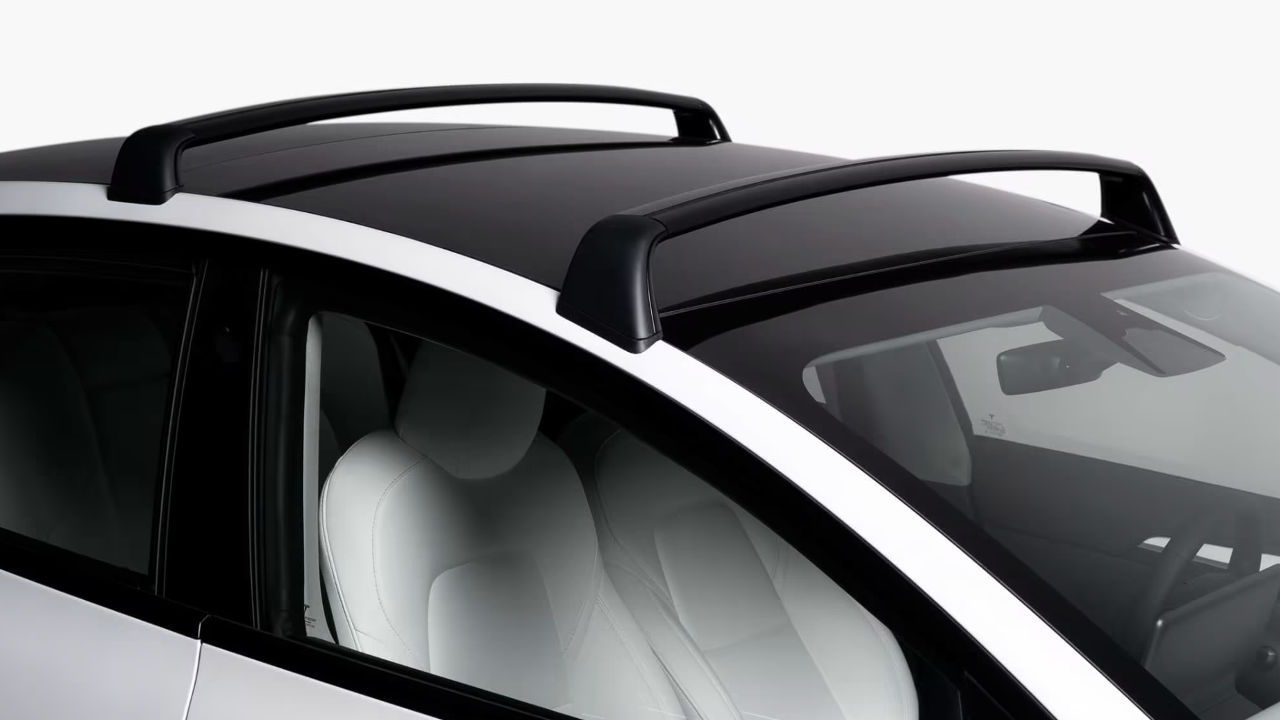
If you’re hauling gear, coolers, or folding chairs, make sure everything is fire-safe and not flammable. Don’t store fireworks in a hot car or truck bed—they can be unstable and dangerous, especially in July heat.
Don’t Let Fireworks Ride in the Passenger Seat
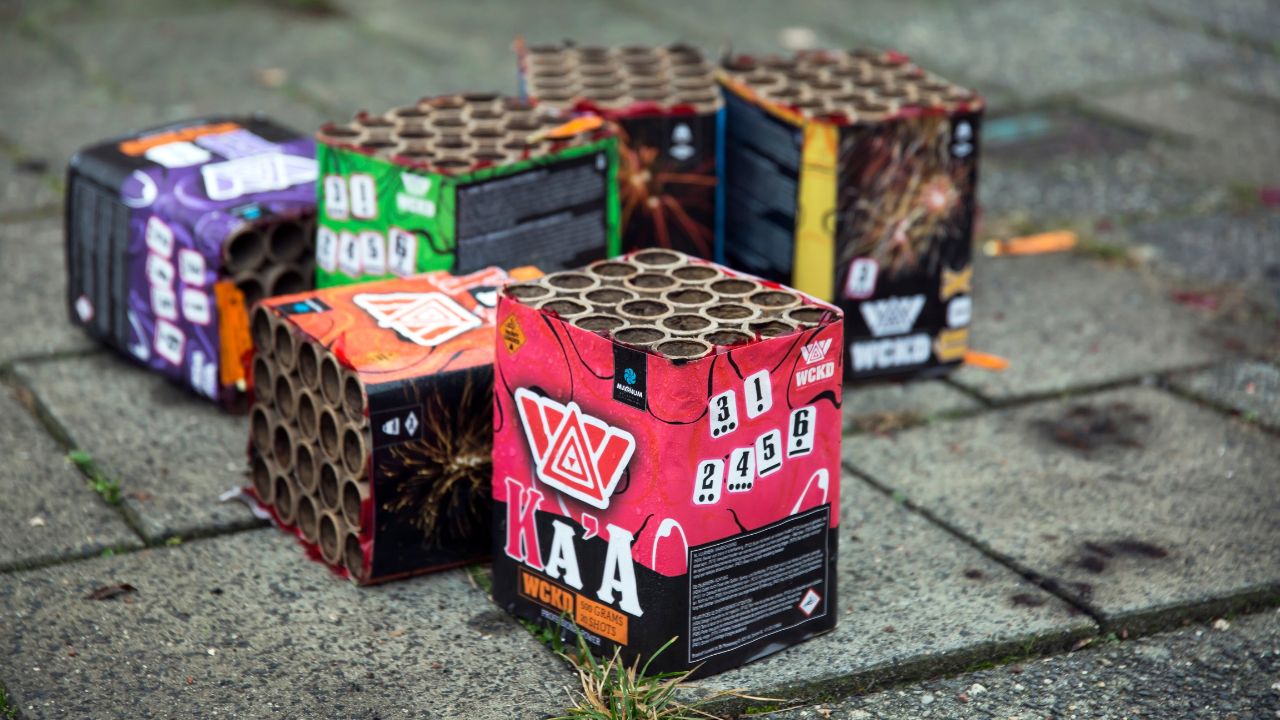
Roof racks and truck beds are handy for hauling chairs, coolers, and party gear—but make sure you’re not turning them into a fire hazard. Avoid packing flammable materials like cardboard, dry fabric, or loose paper near anything that could catch a spark.
And never store fireworks in a hot vehicle. Even unlit, they’re highly sensitive to heat and pressure, and your car’s interior or truck bed can easily top 130°F in the sun. Treat them like explosives—because they are.
Be Mindful of Pets in Cars
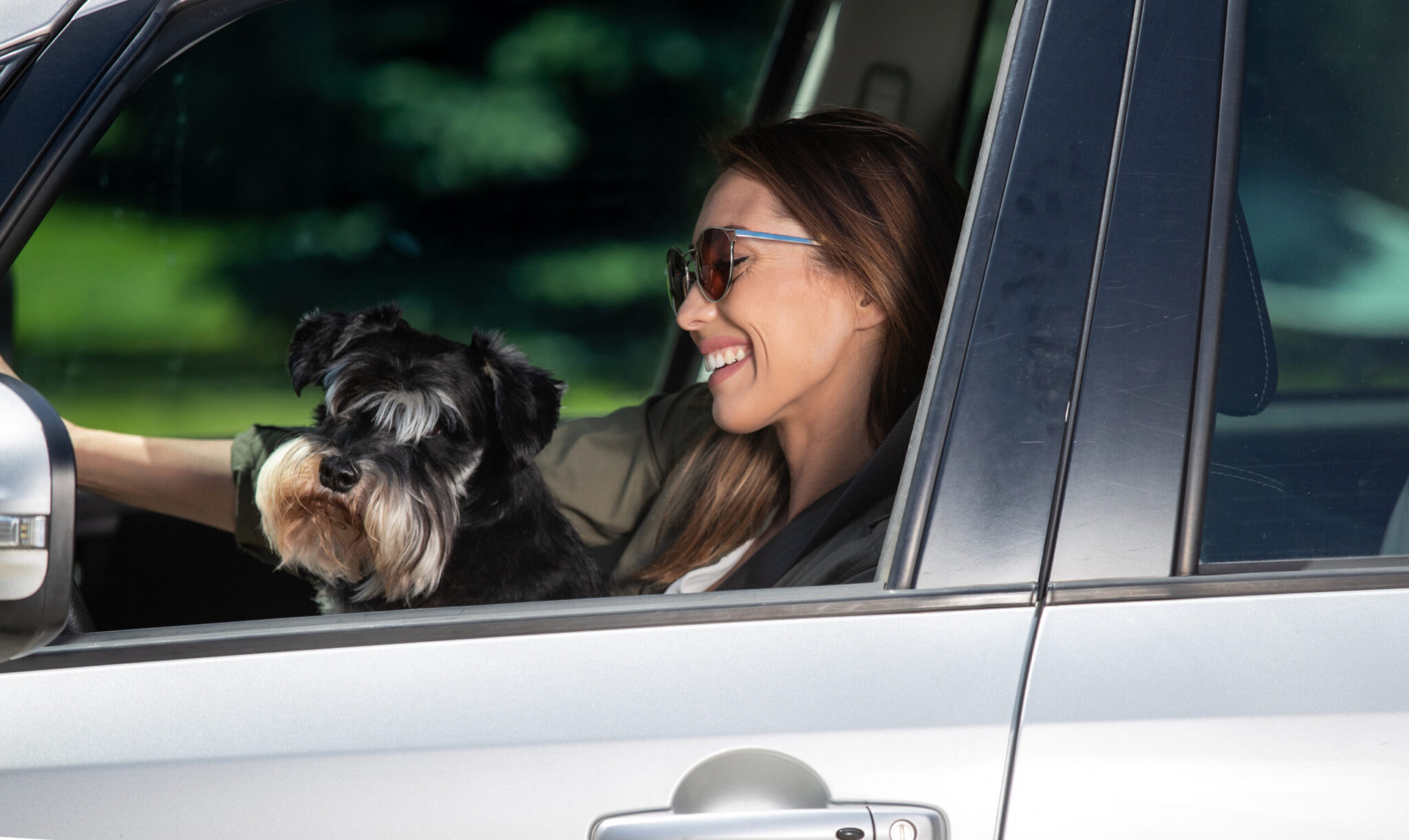
Fireworks may be fun for us, but for pets, they can feel like the end of the world. If your furry friend is riding along, keep them safely inside the car with the windows rolled up and doors locked—panicked animals can bolt unexpectedly.
Play soft music or white noise to help muffle the explosions, and never leave pets unattended, even for a short time. A calm, secure environment can make all the difference when the sky starts to boom.
Check for Burn Marks or Residue After the Show
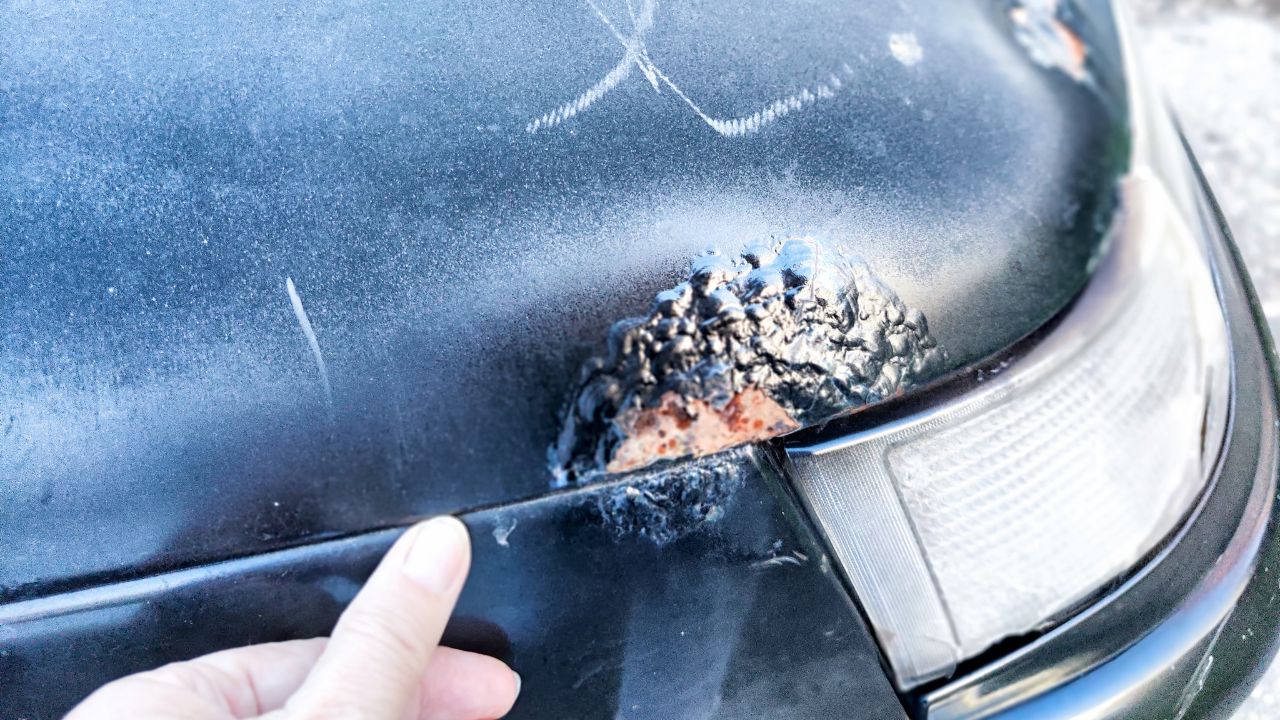
After the smoke clears, take a moment to inspect your vehicle. Look closely for small scorch marks, melted plastic, or bits of firework debris lodged in vents, around the windshield, or under the wipers.
Even minor residue can be acidic or abrasive, and if left alone, it can etch into paint or plastic trim. Catching it early makes cleanup easier—and helps you avoid unpleasant surprises later.
Be Wary of Overhead Power Lines
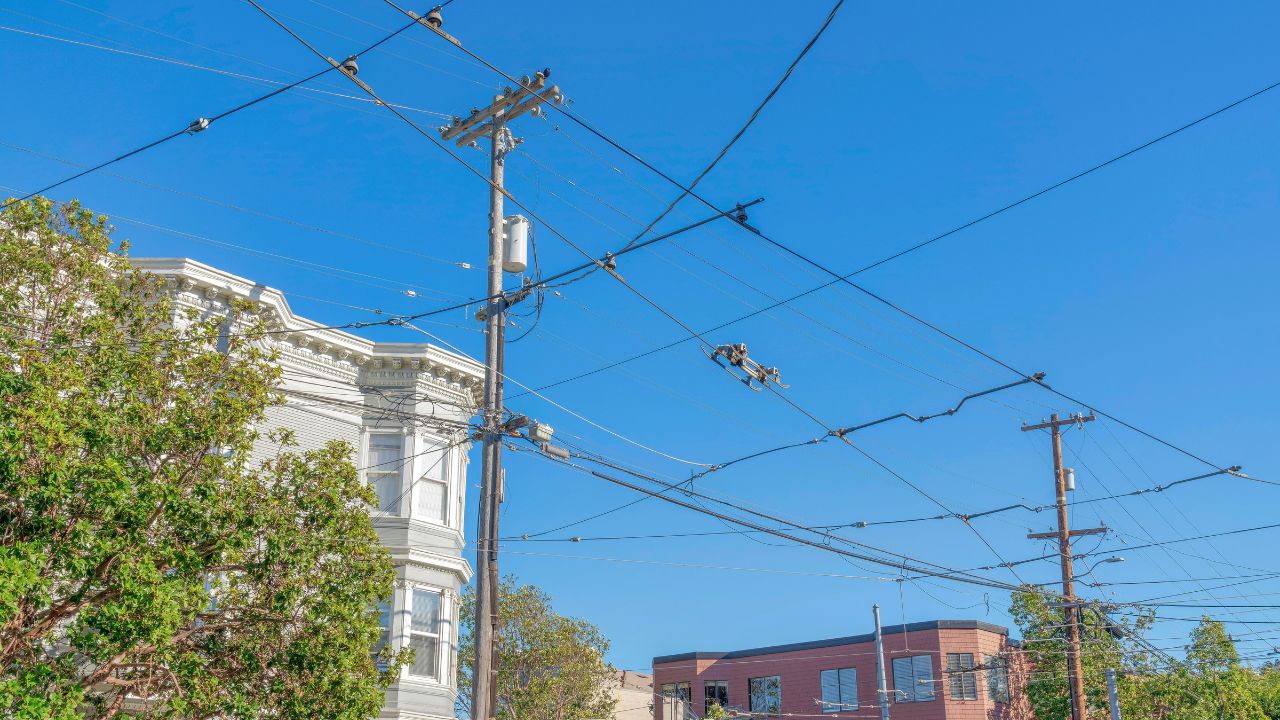
Whether you’re parking for a show or setting up your own fireworks (legally and safely, of course), take a moment to scan the sky. Overhead power lines and fireworks are a dangerous mix—especially near vehicles full of electronics and fuel.
A single stray spark can lead to electrical arcing, damage to your car, or worse. Play it safe and steer clear of anything hanging overhead. Fireworks should light up the sky, not the utility pole next to your bumper.
Avoid DIY Firework Launches Near Your Garage
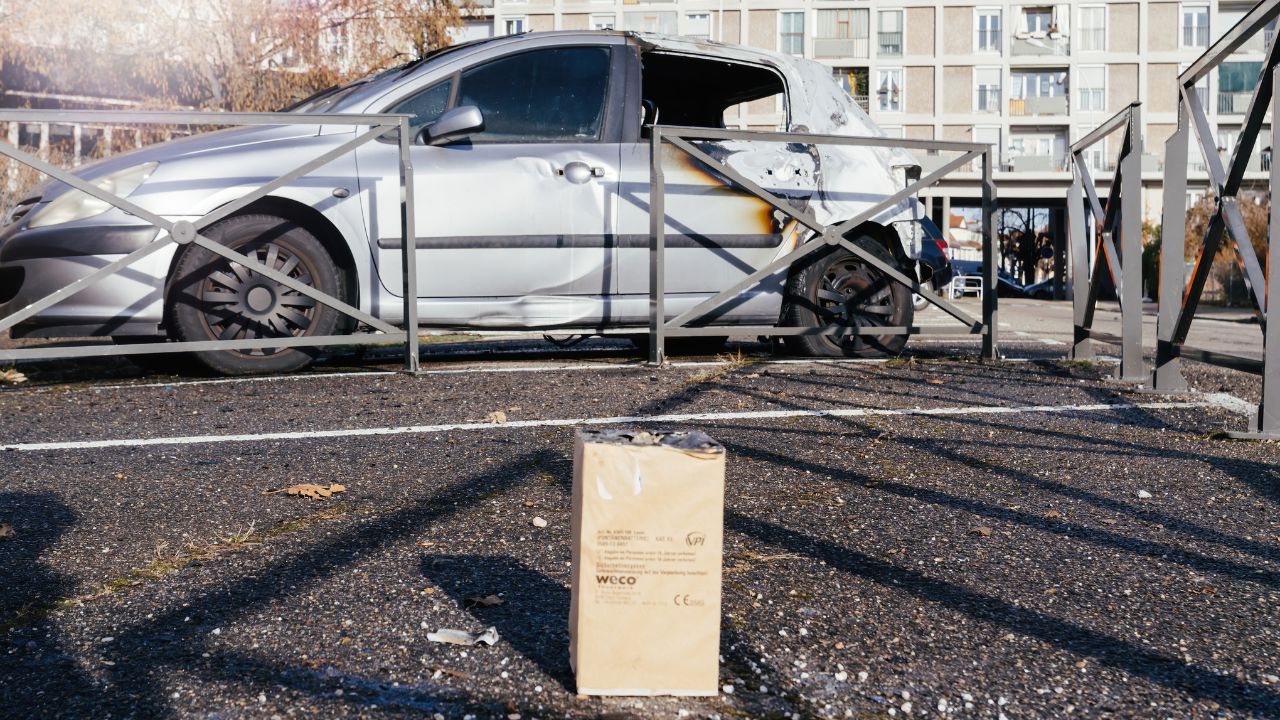
Your driveway might seem like a convenient launch site, but even small fireworks can spray sparks in unpredictable directions—straight into your garage, under a car, or onto stored fuel and supplies. That’s a recipe for disaster.
Keep launch zones far from garages, carports, and parked vehicles. If you’re setting off your own fireworks, treat your driveway like a no-fly zone and give your gear—and your garage—the distance it needs to stay safe.
Don’t Use Your Hood as a Picnic Table
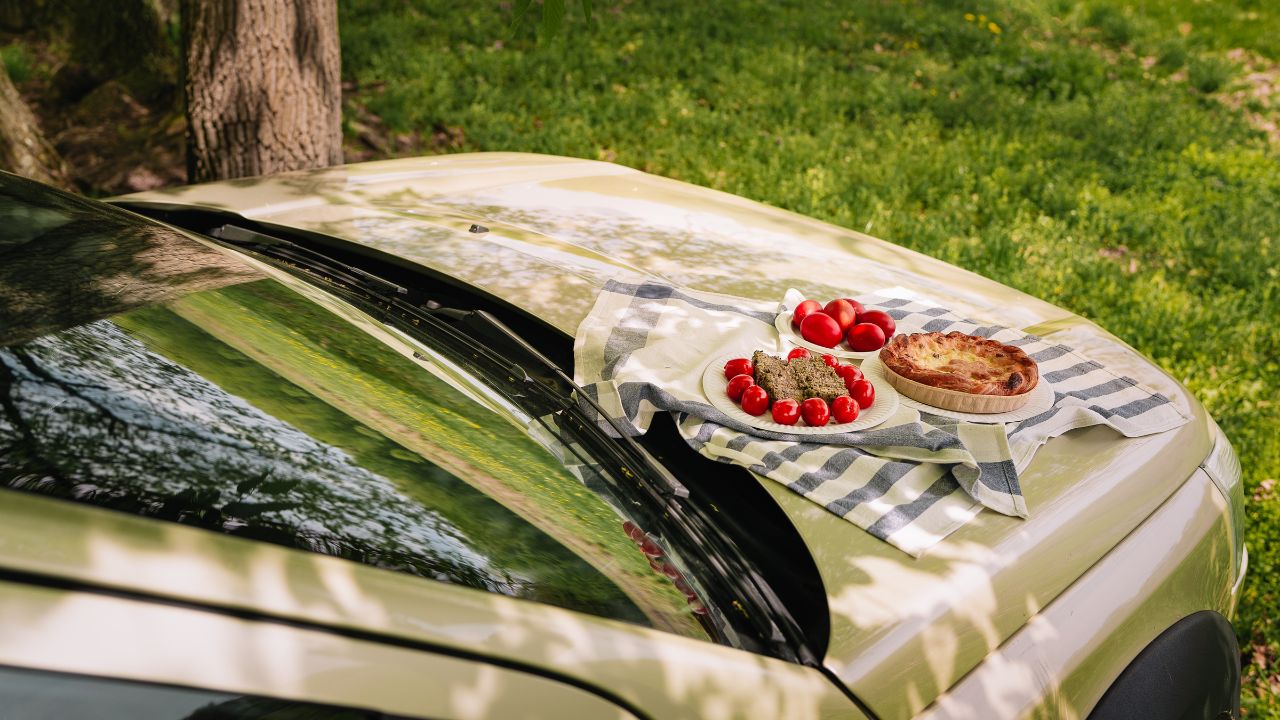
Watching fireworks from the hood might seem like classic summer fun, but it comes with risks. Falling ash, sparks, or debris can scorch paint, melt trim, or ruin a perfectly good blanket. Worse, it could burn you, too.
Instead, grab a lawn chair and set up a few feet away. You’ll stay safer, your car will stay cleaner, and your back will thank you by the finale.
Check Your Windshield Wipers
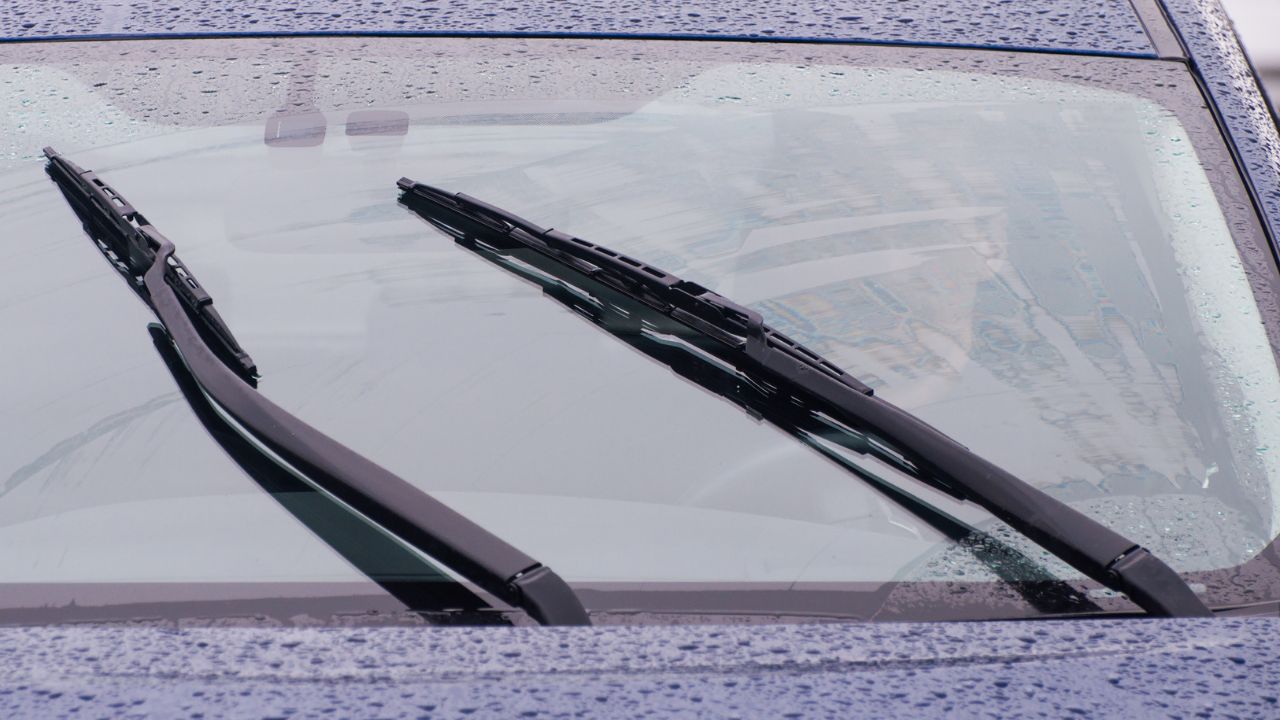
Firework debris may look like harmless dust, but it often contains grit and fine particles that can scratch your windshield if swept across the glass. Running your wipers without rinsing first can turn that dust into permanent damage.
Before you hit the switch, give your windshield a quick rinse or wipe-down. It’s a small step that can save you from streaks, scratches, and a costly repair.
Park Facing Away From the Launch Site
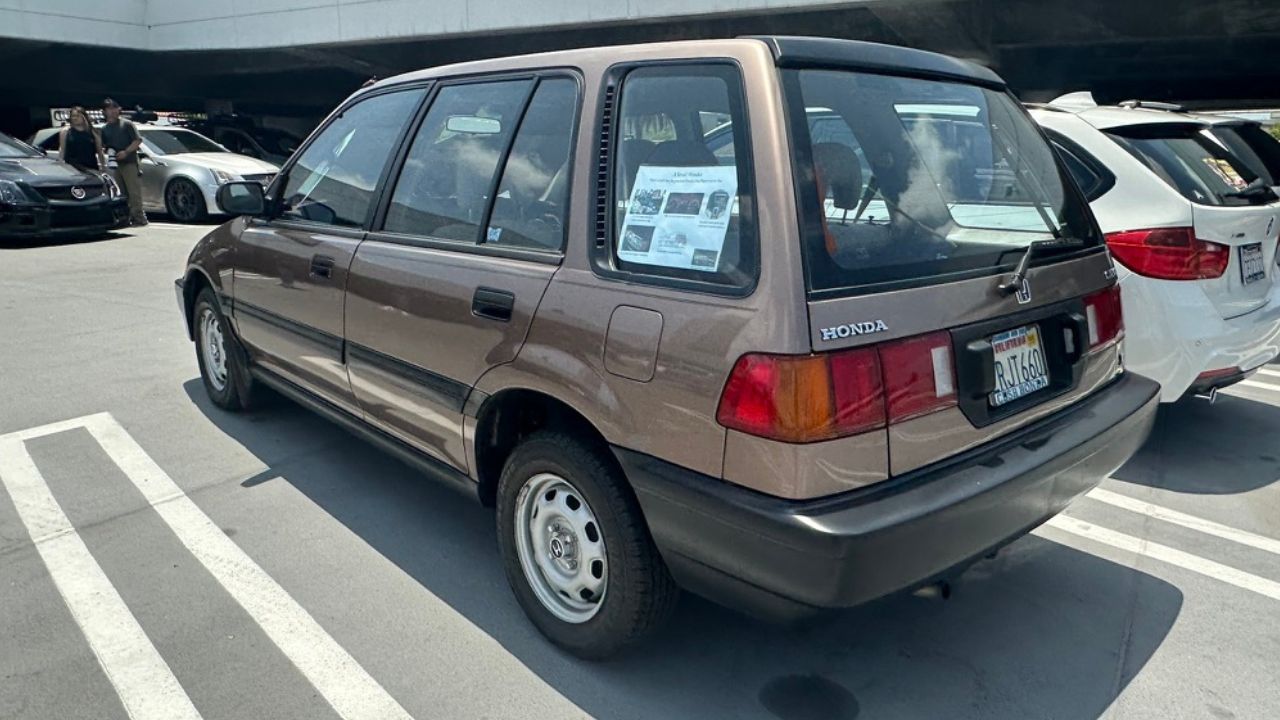
Most firework debris falls forward and down from the blast, meaning the front of your car is more likely to take the hit. Ash, sparks, and burnt paper can land directly on your windshield, hood, and grille—places you don’t want scorched or scratched.
To play it safe, back into your spot or park at an angle with your rear facing the show. It’s a simple shift that can spare your paint, protect your glass, and make cleanup a whole lot easier.
Fire Extinguisher? Good Idea.
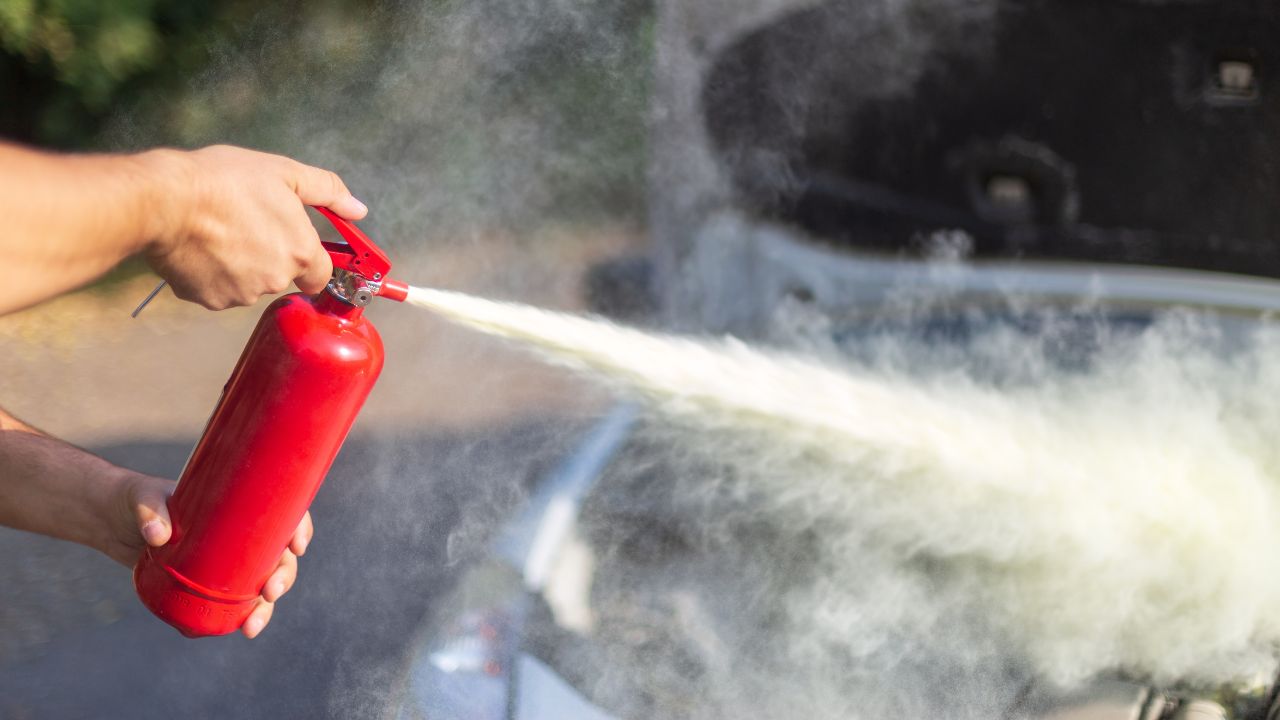
You hope you’ll never need it, but if you’re parked near folks lighting their own fireworks, having a fire extinguisher on hand is just smart planning. One stray spark near dry grass, a tailpipe, or a leaking cooler can turn dangerous fast.
Keep a compact, car-rated fire extinguisher in your trunk or under a seat. It’s cheap insurance, takes up little space, and could be the difference between a close call and a real emergency.
Sparks in the Sky, Not on Your Car

Fireworks are for celebrating, not for scorching your fenders or fogging up your interior. A little prep goes a long way toward keeping your vehicle safe from ash, heat, and holiday mishaps.
Park smart, cover up, and keep a safe distance from the launch zone. That way, when the smoke clears, your car still looks like the star of the summer, not the casualty of the celebration.