
Not every “American” car is truly made here. Plenty of vehicles wear badges from Detroit but are built elsewhere, while some foreign brands have quietly become major employers on U.S. soil. If you care about supporting American manufacturing, you’ll want to know which cars are actually assembled here, by American workers in American factories.
These models weren’t just designed for our market; they’re built for it, right here at home. From pickups to electric SUVs, here are the cars that are genuinely Born in the USA.
What Makes a Car Truly American-Made

To create this list, we focused on vehicles that are assembled in the United States by American workers. Final assembly location was the key factor, since that’s where the bulk of labor and factory operations happen. While many cars today use globally sourced parts, we gave priority to models that also rank high on the Cars.com American-Made Index, which evaluates U.S. production based on factors like domestic parts content, engine and transmission sourcing, and factory location.
We also included both American and international brands to highlight that being built in the USA isn’t limited to Detroit’s Big Three. In fact, some of the most “American-made” cars on the market come from companies like Honda, Toyota, and BMW, whose U.S. plants employ thousands of workers and contribute significantly to local economies.
Each vehicle on this list is actively assembled in the U.S., with a focus on mass-market relevance, availability, and economic impact, not just nameplate heritage.
Tesla Model Y | Fremont, California & Austin, Texas

One of the most American-made vehicles you can buy, the Tesla Model Y is assembled at both the Fremont Factory in California and the state-of-the-art Gigafactory Texas in Austin. Tesla handles much of its own supply chain in-house, including battery production, drivetrain assembly, and software development, which helps the Model Y achieve one of the highest domestic content scores in the industry.
In fact, the Model Y consistently ranks at or near the top of the annual Cars.com American-Made Index, which measures how much of a vehicle’s manufacturing footprint — parts, labor, and sourcing — happens within U.S. borders. Beyond just final assembly, Tesla’s vertical integration means more American jobs and less dependence on foreign components. For drivers looking to go electric and support American manufacturing, the Model Y delivers on both fronts.
Honda Accord | Indiana Auto Plant, Indiana
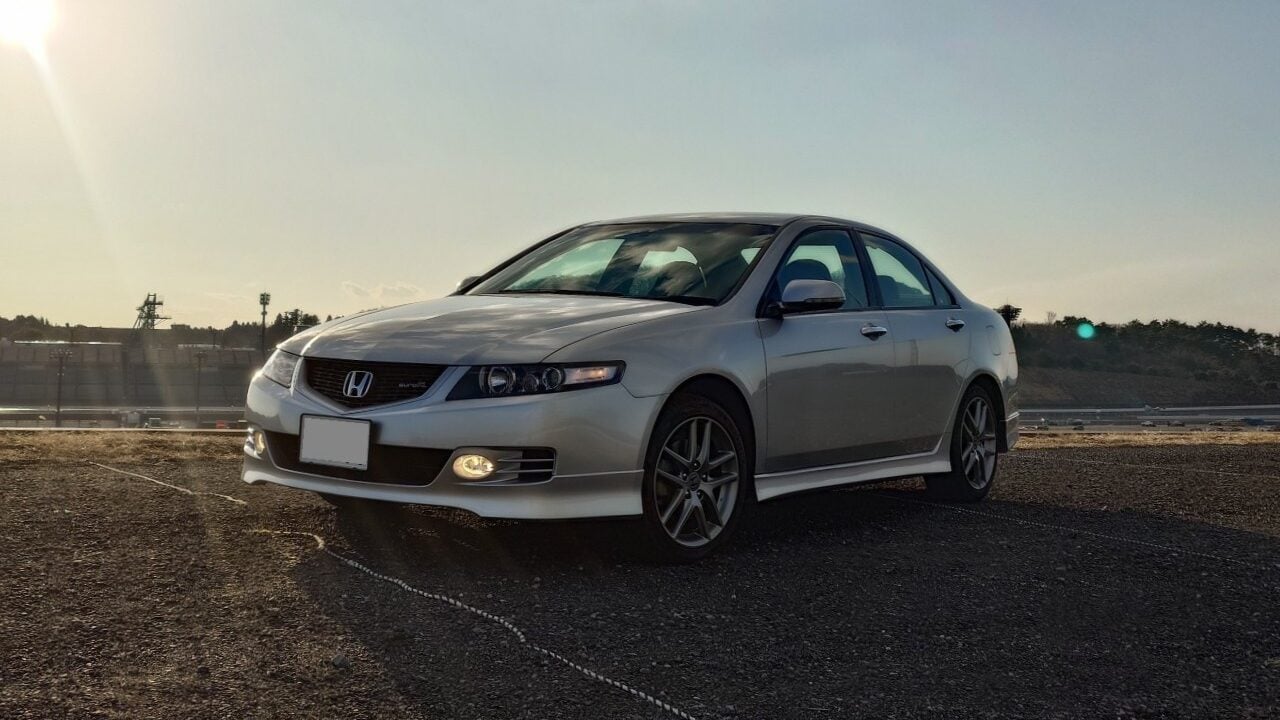
Honda was the first Japanese automaker to build cars in the United States, beginning its manufacturing legacy in Marysville, Ohio, back in 1982. Today, the Accord continues that tradition from Honda’s Indiana Auto Plant in Greensburg, where it’s assembled by thousands of American workers with the same commitment to quality and precision that made it a household name.
Over the decades, the Accord has earned its reputation as one of the most trusted and best-selling sedans in America. Known for its reliability, fuel efficiency, and refined driving experience, it remains a staple of U.S. roads. Honda’s continued investment in American manufacturing—first in Ohio and now in Indiana—helped set the standard for how global automakers could thrive while building cars proudly on American soil.
Toyota Camry | Georgetown, Kentucky

The Toyota Camry has been built in Georgetown, Kentucky, since 1988, making it one of the longest-running foreign-brand vehicles produced in the U.S. Today, Toyota Motor Manufacturing Kentucky (TMMK) is the company’s largest vehicle plant in the world, employing over 8,000 people and producing hundreds of thousands of vehicles each year.
Despite its Japanese origins, the Camry regularly ranks near the top of the Cars.com American-Made Index thanks to its high percentage of U.S.-sourced parts and domestic assembly. It’s a go-to family sedan known for its reliability, comfort, and value, but it’s also a major player in American manufacturing. For drivers who want to support U.S. jobs without sacrificing quality or affordability, the Camry proves you don’t need an American badge to buy American-built.
Chevrolet Corvette | Bowling Green, Kentucky

Few cars carry the spirit of American performance quite like the Chevrolet Corvette. Built exclusively in Bowling Green, Kentucky, since 1981, every Corvette—from the classic Stingray to the fire-breathing Z06 and hybrid E-Ray—is hand-assembled by skilled American workers. The factory even offers buyers the chance to watch their car being built or to assemble their own engine at the Performance Build Center, located on-site.
More than just a symbol of speed, the Corvette is a point of pride for General Motors and American craftsmanship. It showcases what U.S. engineering and manufacturing can achieve, combining cutting-edge technology with iconic design. While other sports cars might come from Italy, Germany, or Japan, the Corvette remains unapologetically homegrown—both on the road and on the factory floor.
Ford F-150 Dearborn, Michigan & Claycomo, Missouri

The Ford F-150 isn’t just a best-seller; it’s a cornerstone of American manufacturing. Assembled in both Dearborn, Michigan, and Claycomo, Missouri, the F-150 supports tens of thousands of jobs across its production and supply chains. The Dearborn Truck Plant is part of Ford’s historic Rouge Complex, a symbol of industrial might since the early 20th century, while the Kansas City Assembly Plant in Claycomo is one of the most productive auto plants in the country.
Every F-150, from the workhorse XL to the luxurious Platinum and even the all-electric Lightning, reflects the evolution of American ingenuity. Despite growing global supply chains, Ford continues to prioritize U.S. assembly for its flagship truck. For many buyers, driving an F-150 isn’t just about utility—it’s about backing American workers and a legacy of blue-collar pride.
Jeep Grand Cherokee | Detroit, Michigan

A symbol of rugged capability and American design, the Jeep Grand Cherokee is proudly built in Detroit at the newly developed Detroit Assembly Complex – Mack. Opened in 2021, this facility marked the first new auto plant in the city in nearly 30 years and brought thousands of jobs back to the heart of the Motor City.
Long known for its blend of off-road strength and on-road comfort, the Grand Cherokee has become a staple in American driveways. With its production rooted in Detroit, it also represents a renewed commitment to U.S. manufacturing by Stellantis (formerly Fiat Chrysler). From family road trips to off-the-grid adventures, the Grand Cherokee continues to deliver—and it does so with American labor, materials, and know-how behind every model.
BMW X5 | Spartanburg, South Carolina
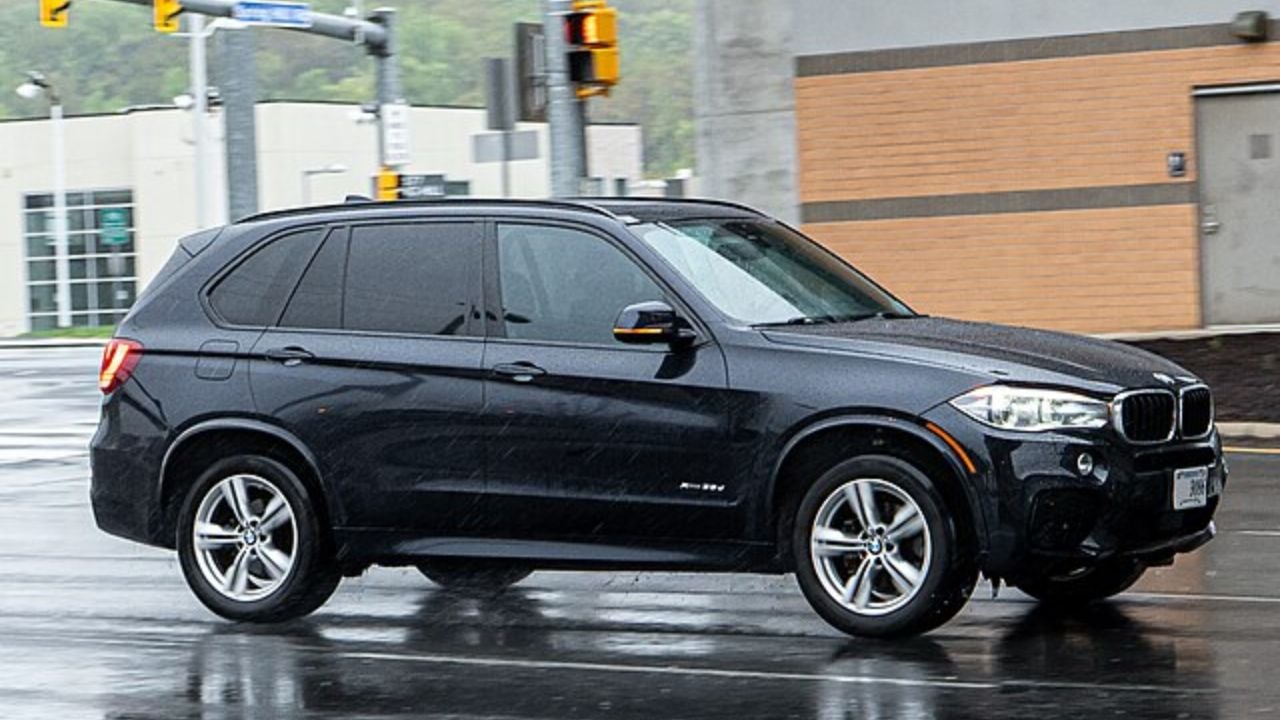
It may wear a German badge, but the BMW X5 is made right here in the U.S., and not just for American buyers. Every X5 sold worldwide is built at BMW’s Spartanburg plant in South Carolina, a sprawling facility that’s become the company’s largest global production site. Opened in 1994, the plant now produces over 1,500 vehicles a day and supports more than 11,000 jobs.
BMW’s investment in American manufacturing is substantial, with billions spent expanding operations and sourcing from local suppliers. The X5, along with other BMW SUVs like the X3, X6, and X7, has helped turn Spartanburg into a global export hub. It’s a prime example of how foreign automakers can bring serious manufacturing muscle—and economic impact—to American soil.
Hyundai Santa Fe | Montgomery, Alabama
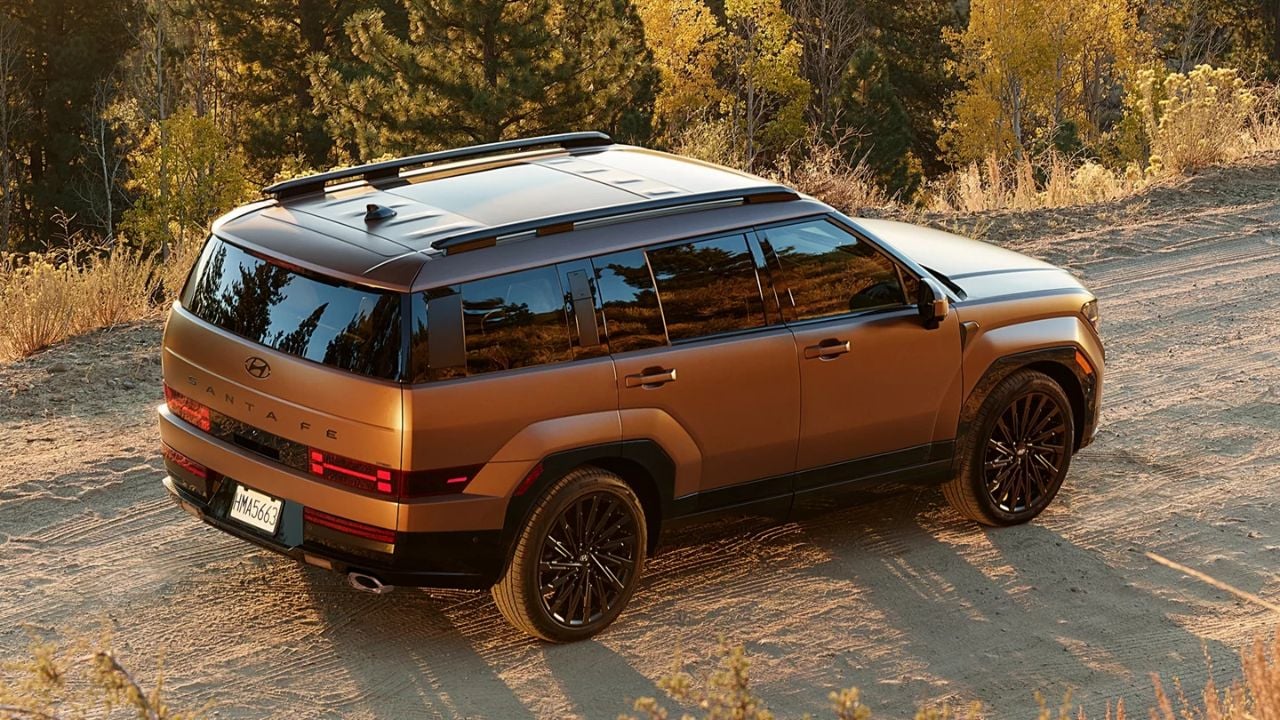
Hyundai may be based in South Korea, but the Santa Fe is proudly assembled in Montgomery, Alabama, at Hyundai Motor Manufacturing Alabama (HMMA). Since opening in 2005, this facility has produced millions of vehicles for American roads and has become one of the largest private employers in the state.
The Santa Fe, a popular midsize SUV, is built alongside the Tucson and the Santa Cruz compact pickup. Hyundai’s Alabama plant not only handles final assembly but also includes an engine manufacturing facility on-site, helping boost its domestic content. With consistent investments in U.S. jobs, training programs, and local suppliers, Hyundai is a perfect example of how global brands are deeply rooted in American communities.
Toyota Tundra | San Antonio, Texas

Big, bold, and built in Texas: the Toyota Tundra is assembled at the San Antonio plant, a facility that opened in 2006 and now employs thousands of workers. The plant was designed specifically for full-size truck production and sources a significant portion of its parts from nearby suppliers, many of which set up shop right next to the factory.
The Tundra was developed with American drivers in mind, and its assembly location reflects that commitment. Whether you’re hauling equipment, towing a trailer, or just commuting in comfort, the Tundra combines Toyota’s reputation for reliability with the kind of toughness Texans — and truck buyers everywhere — expect. It’s a global brand, but this full-size pickup is all-American when it comes to where and how it’s built.
Honda Odyssey, Passport & Ridgeline | Lincoln, Alabama
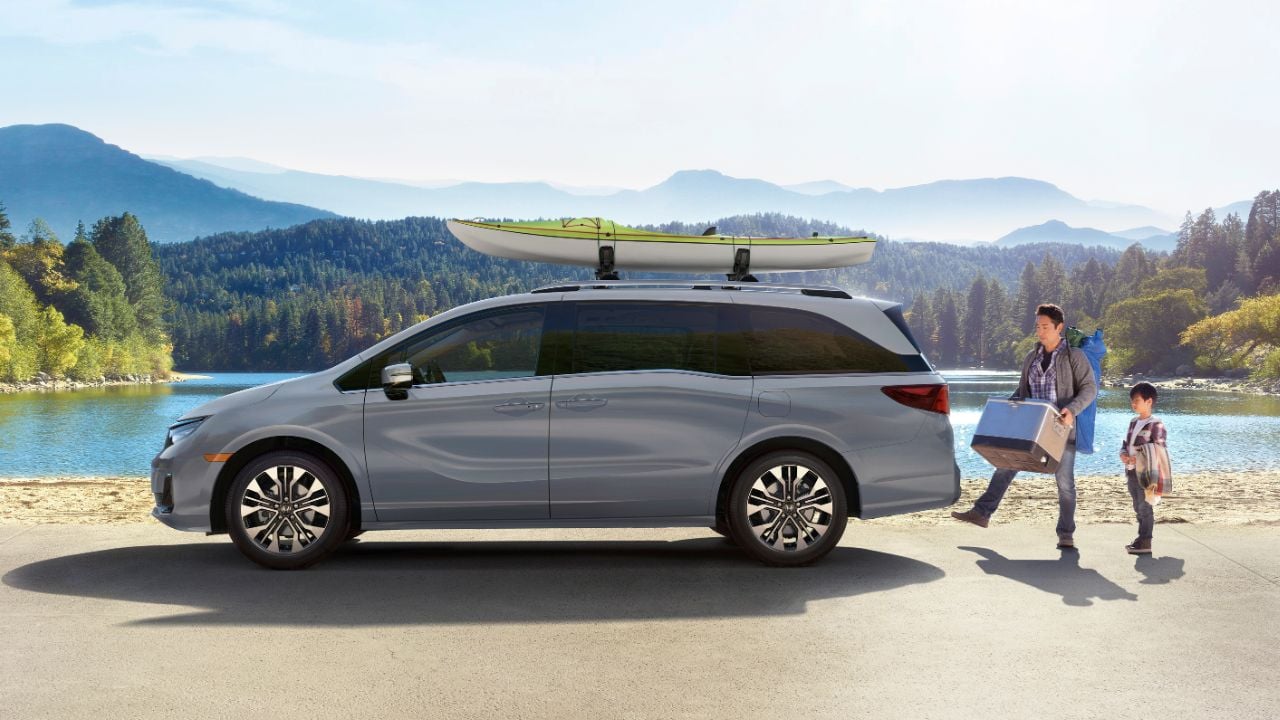
Honda’s plant in Lincoln, Alabama, is a powerhouse of American manufacturing, assembling three key vehicles for the U.S. market: the Odyssey minivan, the Passport SUV, and the Ridgeline pickup. This facility has been in operation since 2001 and has produced millions of vehicles, employing thousands of local workers and supporting a broad network of U.S.-based suppliers.
Each of these models is tailored to American lifestyles. The Odyssey remains a favorite among families for its space and safety features, the Passport offers rugged utility in a two-row midsize SUV, and the Ridgeline provides truck capability with car-like comfort. Built together under one roof, these vehicles show how Honda continues to invest deeply in the American South—and in the American consumer.
Jeep Gladiator | Toledo, Ohio

Built in the city where the Jeep brand was born, the Gladiator pickup is assembled in Toledo, Ohio, alongside its sibling, the Wrangler. Jeep’s Toledo Assembly Complex has been producing vehicles for more than eight decades and remains one of the longest-running automotive plants in the country.
The Gladiator combines the off-road DNA of the Wrangler with the utility of a midsize pickup, making it one of the most versatile trucks on the market. From its removable roof and doors to its trail-rated hardware, it’s engineered for adventure — and built by American hands in a city that’s been shaping the Jeep legacy since World War II. For many fans, that heritage is just as important as the hardware.
Volkswagen ID.4 | Chattanooga, Tennessee

Volkswagen’s electric future is taking shape in Chattanooga, Tennessee, where the ID.4 electric SUV is now being built for the North American market. The Chattanooga plant, which opened in 2011, was expanded and retooled specifically to support EV production, including an on-site battery pack assembly facility.
The ID.4 is VW’s first fully electric vehicle assembled in the U.S., marking a major milestone for both the brand and American EV manufacturing. By shifting production stateside, Volkswagen reduced its reliance on imports, shortened supply chains, and created hundreds of new jobs. For drivers looking to go electric while still supporting American workers, the Chattanooga-built ID.4 offers a smart, spacious, and domestically assembled option.
Built with Pride, Right at Home

Buying American isn’t just about waving a flag or picking a familiar badge — it’s about knowing where your vehicle is actually built, and who’s building it. From legacy brands like Ford and Jeep to global automakers like Toyota, Honda, and BMW, thousands of vehicles are assembled every day right here in the United States by American workers.
These cars, trucks, and SUVs represent more than just horsepower or hauling capacity. They support local communities, create jobs, and keep the American manufacturing tradition alive. So, whether you’re after an electric crossover, a reliable sedan, or a rugged pickup, you’ve got options that are truly born on American soil — and built with pride.