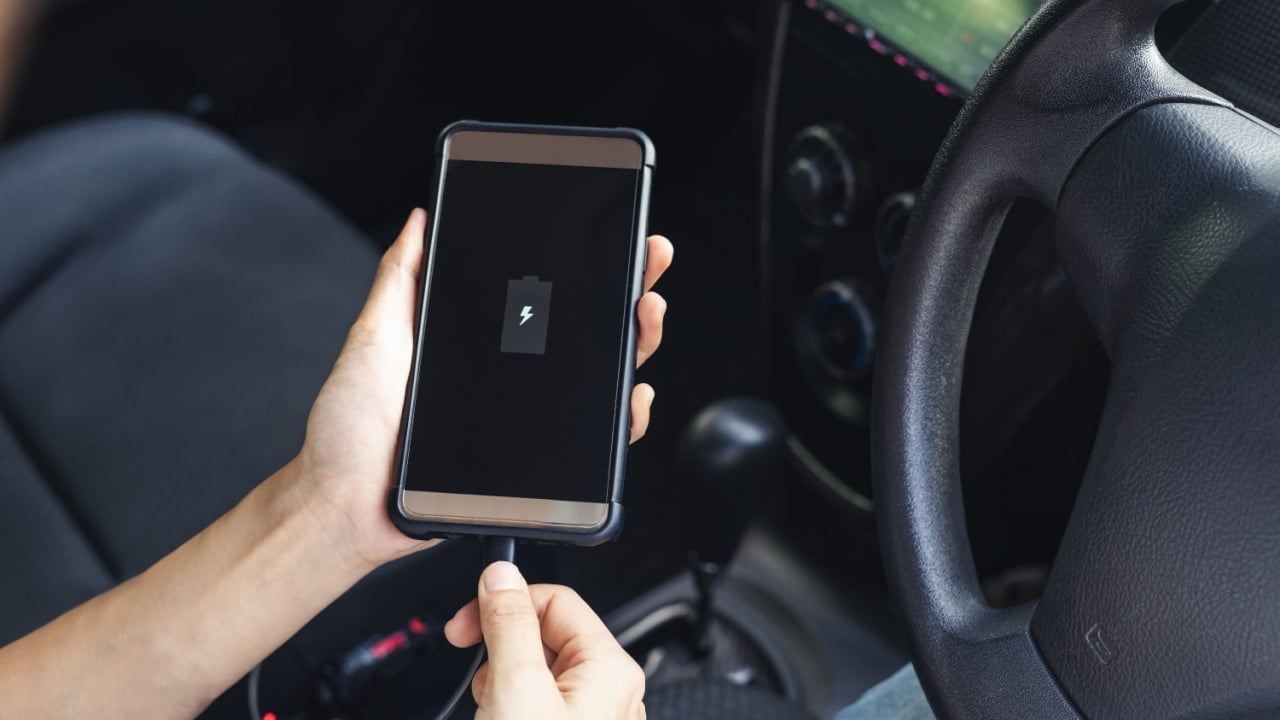
When the power goes out, most people scramble for flashlights, candles, or that one dusty camping lantern in the garage. But what many overlook is one of the most reliable tools sitting in the driveway: your car.
Today’s vehicles are rolling batteries, backup shelters, and mobile charging stations. Whether you’re dealing with a downed power line or an extended blackout after a storm or heatwave, your car might be the most prepared member of your household.
Here are the car features that can make all the difference when the grid goes dark.
What Makes These Features Essential
To build this list, we focused on vehicle features that offer real-world value during power outages, especially those caused by storms, natural disasters, or grid failures. We prioritized equipment commonly found in newer vehicles, whether standard or optional, as well as affordable add-ons like power inverters that can be used with older cars. We also looked at owner manuals, emergency preparedness guides, and automotive safety resources to ensure everything we included could provide genuine utility when the power goes out.
These are practical, accessible features that can keep your phone charged, help you stay warm or cool, and even give you critical access to news and navigation when you need it most.
Built-In Power Outlets
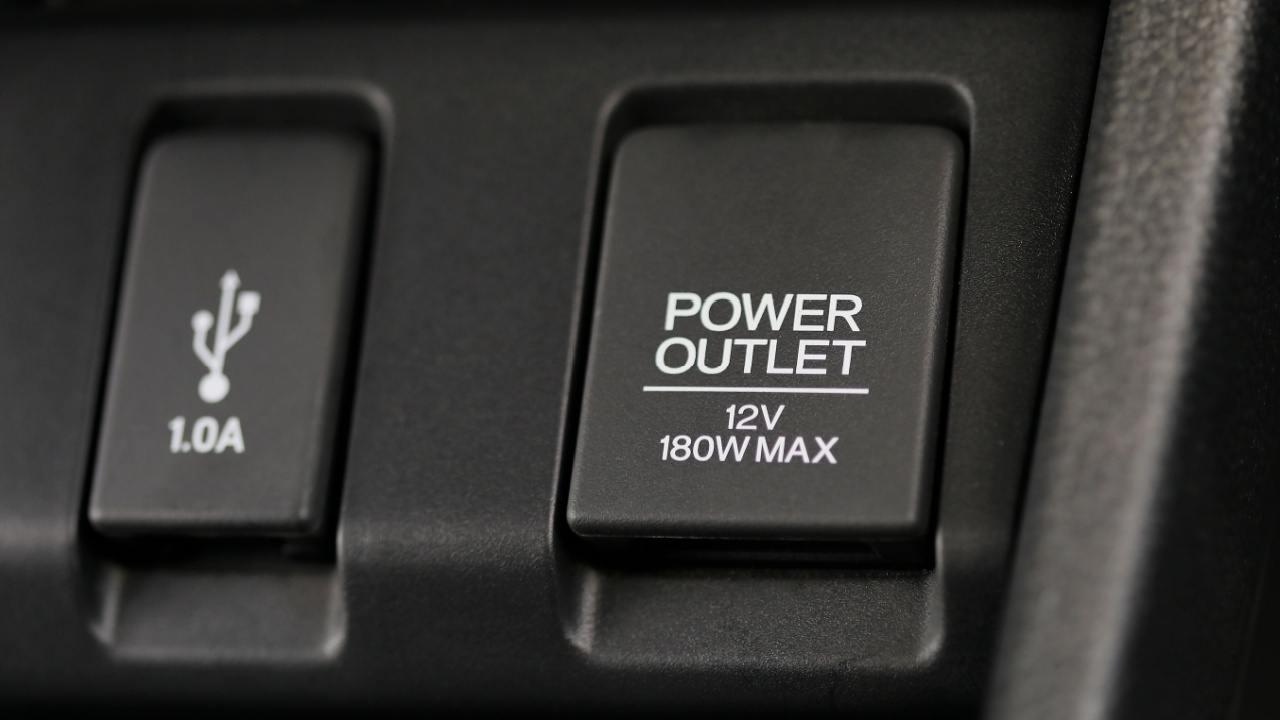
Many newer vehicles offer 12-volt power ports, and some trims include a household-style AC outlet (often listed as 115V in the owner’s manual). Availability varies by trim and model year, so check your feature list or manual.
These features might seem like a luxury on a road trip, but during a power outage, they can be a real lifeline. You can use them to charge phones and tablets, power a laptop, run a small fan, or keep a rechargeable lantern going through the night. Most factory in-car AC outlets are low-wattage (commonly 150W), great for charging electronics, but often not suitable for high-draw or high-startup appliances. Always check the outlet’s rating and restrictions in your owner’s manual.
If your vehicle has an AC outlet and multiple charging ports, it can serve as a useful low-power backup for keeping essential electronics running during an outage. It’s especially helpful if you need to work remotely during a blackout or keep kids entertained with charged devices. To reduce the risk of draining the battery, run the vehicle periodically. If you’re running the engine for heat/AC or power, follow safety guidance: ensure the tailpipe is clear and open a window slightly to reduce carbon monoxide risk.
USB Ports
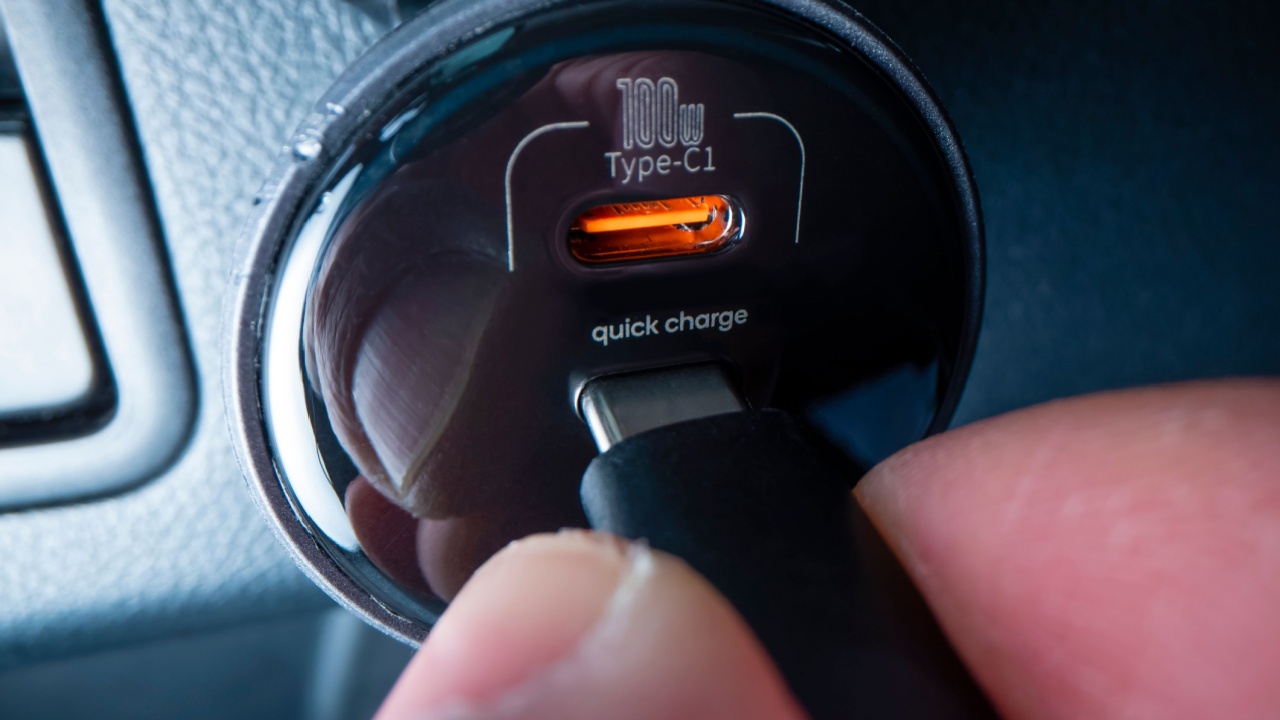
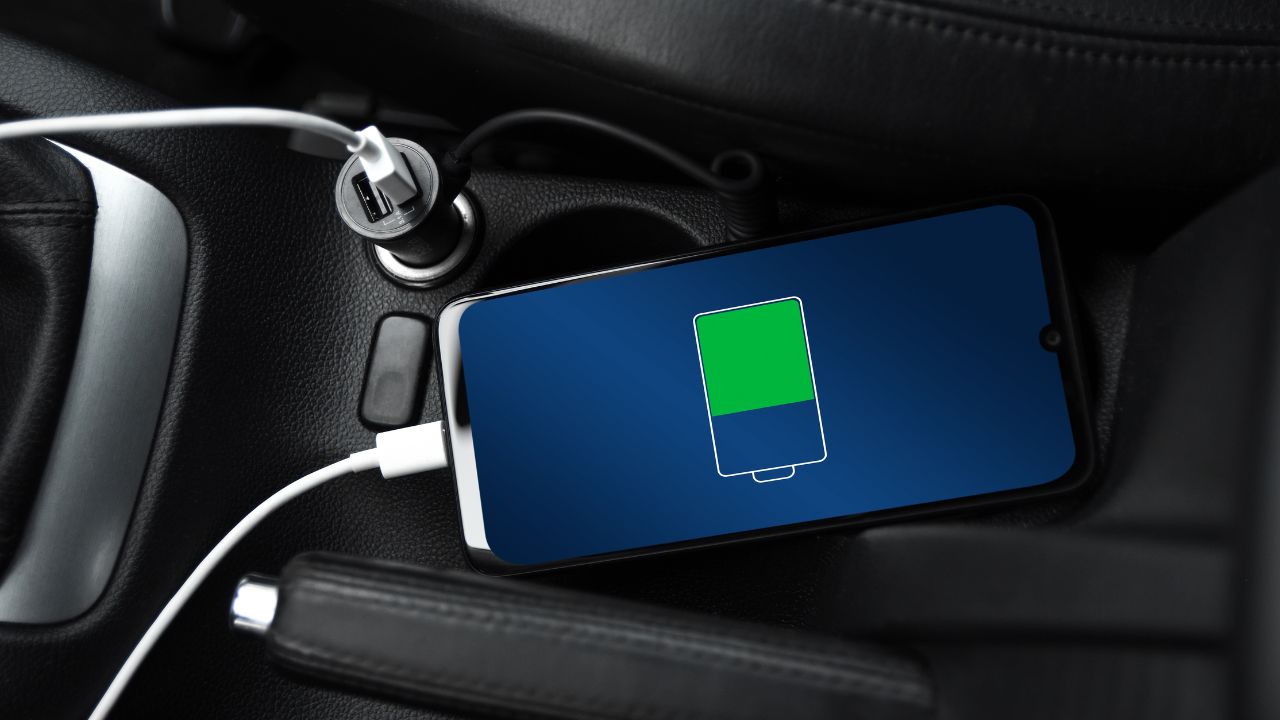
It might seem like a basic feature, but multiple USB ports can make a big difference when the power goes out. In a blackout, your phone becomes your lifeline for news updates, emergency alerts, weather forecasts, and staying in touch with loved ones. Having a car with built-in USB ports means you can keep essential devices charged without scrambling for backup batteries.
Some newer vehicles include both USB-A and USB-C ports, offering faster charging for modern devices. If your car has ports for rear passengers, even better, it means the whole family can stay connected at once. Paired with your vehicle’s Bluetooth or Wi-Fi hotspot (if equipped), USB ports help your car double as a communication hub during emergencies. It’s a small feature that can keep you plugged in when it matters most.
Car Battery + Inverter Compatibility
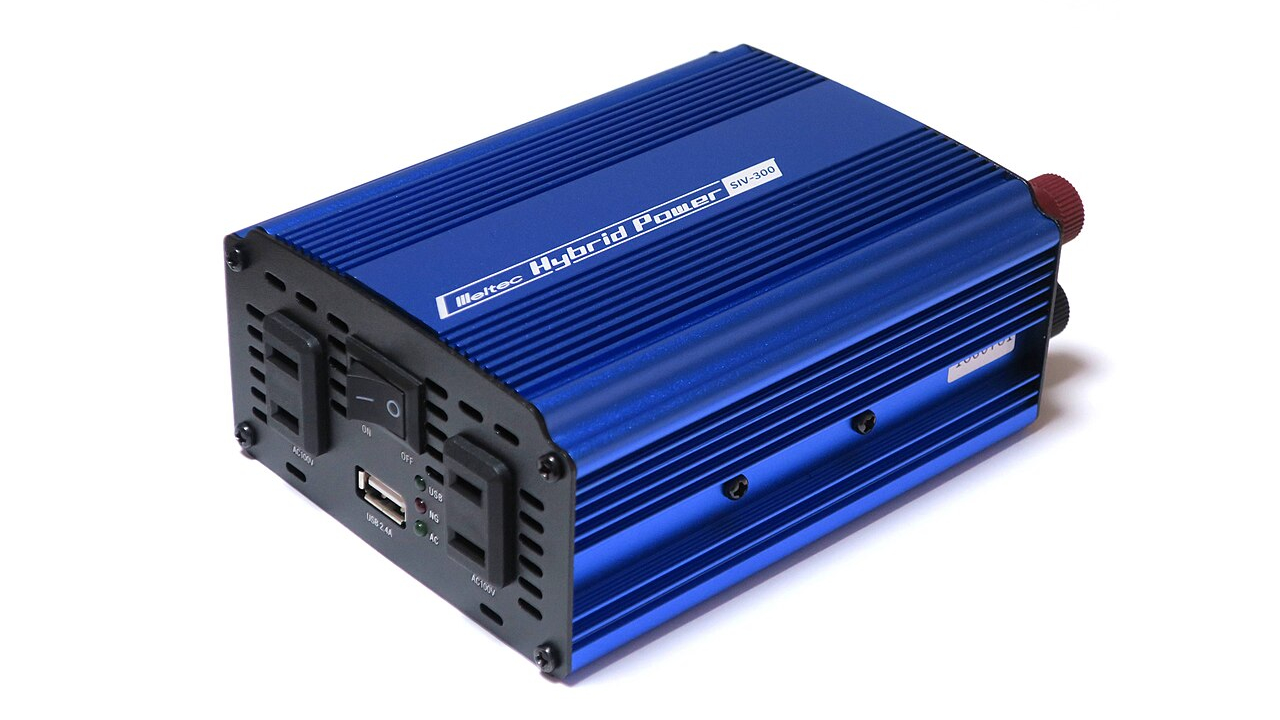
If your vehicle doesn’t have built-in outlets, don’t worry! A basic power inverter can fill the gap. Small inverters that plug into a 12V accessory port are limited by the vehicle circuit (often around 150W or so). That’s great for charging devices, but it may not support higher-draw equipment. If you need to power a medical device like a CPAP, confirm the device’s wattage and follow the manufacturer’s power guidance. Once during a longer outage, I was even able to charge my laptop from an inverter.
Inverters come in different wattages, so it’s important to choose one that fits your needs without overloading your car’s electrical system. For charging electronics, a small inverter is often enough, but the practical limit depends on your vehicle’s 12V outlet/fuse and the inverter’s efficiency. If you need more power, some higher-capacity inverters can be connected directly to your car battery with clamps, but that setup requires a bit more know-how.
Whichever type you use, be mindful of your battery. To avoid draining it completely, run the engine periodically, especially if you’re powering larger devices. Used safely, an inverter can turn just about any car into a temporary power source during an emergency.
Heated Seats and Climate Control
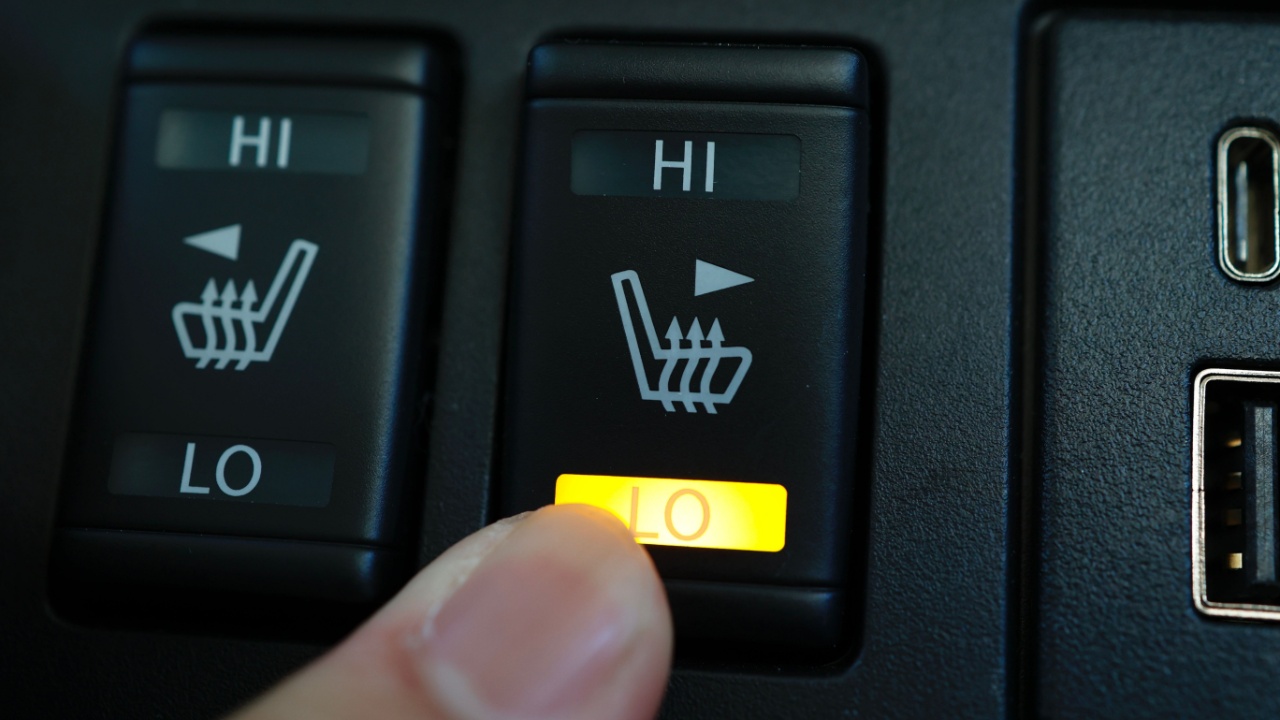
When the power goes out during extreme weather, your car can offer a safe, climate-controlled escape. In the winter, heated seats and a reliable cabin heater can provide instant relief from freezing temperatures, especially helpful for seniors, children, or anyone with limited mobility. Even if your home loses heat, your vehicle can become a cozy retreat where you can warm up between blankets and battery-powered lanterns indoors.
In summer, your car’s air conditioning can be just as valuable. During a heatwave, sitting in a cooled vehicle for a short time can help prevent overheating and reduce the risk of heat-related illness. It’s also a good space to cool down pets for a few minutes, though they should never be left inside unattended.
Just be cautious with fuel usage and ventilation. If you plan to run the engine for warmth or cooling, crack a window and make sure the tailpipe is clear of snow or debris to prevent carbon monoxide buildup. With the right precautions, your car can provide much-needed comfort when your home can’t.
Satellite Radio or HD Radio

When the power’s out and cell towers are overloaded or offline, your car’s radio might be one of the few ways left to get information. Satellite radio services like SiriusXM primarily receive broadcasts from satellites (and, in some areas, terrestrial repeaters), so they don’t depend on your home internet. Reception still requires vehicle power and a relatively unobstructed signal, which means they can continue broadcasting national news, weather alerts, and emergency updates even during large-scale outages. If your vehicle has a subscription, it’s a solid backup for staying informed when internet and TV are down.
HD radio, available on many newer vehicles, also gives you access to multiple digital channels from local stations, some of which may carry emergency broadcasts or community updates. It’s not just about music or talk shows. In a disaster scenario, having a steady stream of reliable information can help you make safer decisions, find local resources, or know when it’s time to evacuate.
Whether you’re stuck at home or sheltering in your vehicle, your radio may be one of the most dependable tools you have. HD Radio still depends on local stations continuing to broadcast, so it’s helpful when local infrastructure is operating, but it isn’t the same as a national satellite feed.
Navigation and Built-In Wi-Fi

When the power’s out, chances are your home internet is, too, and that can make it tough to access maps, news, or emergency services. Fortunately, some vehicles come with built-in Wi-Fi hotspots that run off a cellular data plan. As long as your car can get a signal, you can connect your phone, tablet, or laptop to the internet and stay in touch with the outside world.
Even if you don’t have a data plan, your car’s onboard navigation system may still work. Many systems use preloaded maps and GPS satellites, so they don’t rely entirely on cell service. That’s a big help if you need to find a hospital, evacuation route, or gas station during an emergency, especially in rural or storm-affected areas where service can drop out.
Combined, built-in Wi-Fi and GPS give your car the power to help you stay oriented, informed, and connected when your home setup is offline. It’s one more reason your vehicle might be your best backup plan in a blackout.
All-Wheel Drive and Off-Road Modes

When a major storm hits or a wildfire forces an evacuation, road conditions can go downhill fast, literally and figuratively. Flooded streets, fallen branches, mud, snow, or debris can make it difficult for standard vehicles to get through. That’s where all-wheel drive (AWD), four-wheel drive (4WD), and off-road modes come in handy. These systems provide extra traction and stability, helping you navigate rough or slippery terrain that might leave others spinning their wheels.
If your vehicle has selectable drive modes, like mud, snow, or sand, it can automatically adjust throttle response, shifting, and traction control to better suit the conditions. It’s not just about off-roading for fun; it’s about reaching safety when staying put isn’t an option.
Bonus points if your vehicle has good ground clearance, tow hooks, or underbody protection! And if you keep emergency supplies like blankets, water, jumper cables, or a first-aid kit in the back, you’ll be even more prepared to face the unexpected. Your car can’t stop the disaster, but it can help you drive through it.
Sunroof or Panoramic Roof
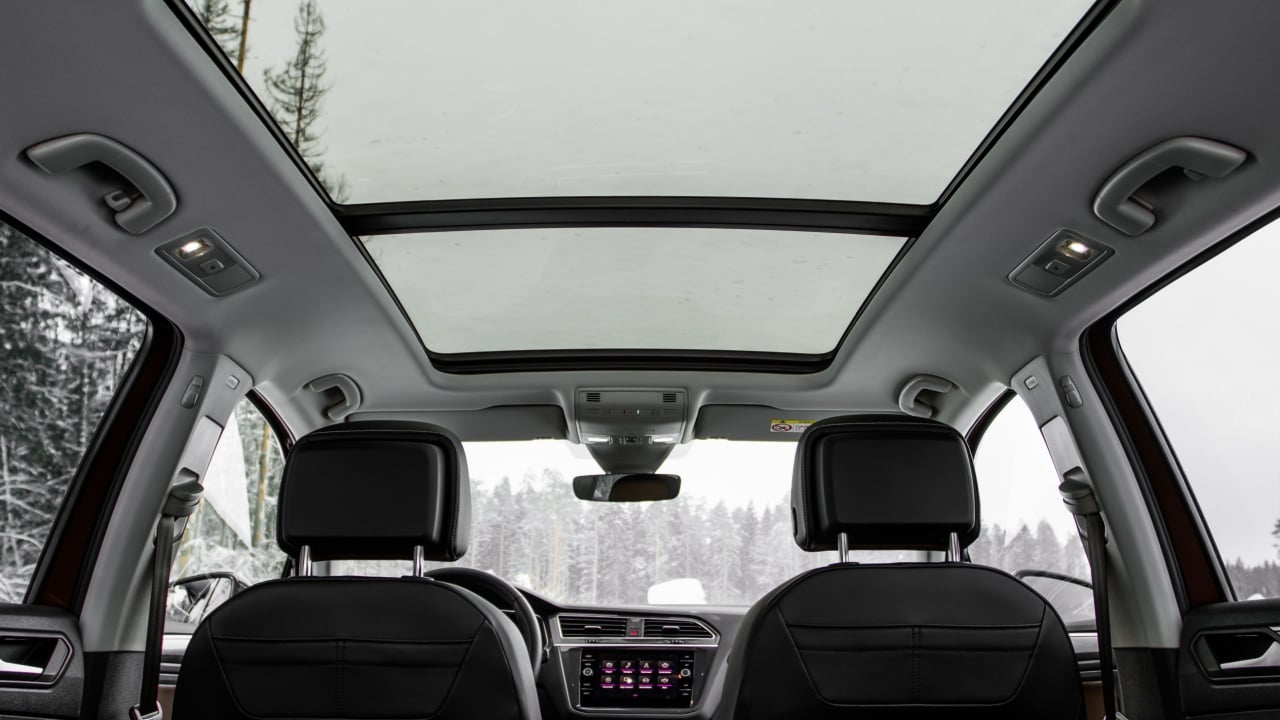
It may not seem like a critical feature, but a sunroof or panoramic roof can make a surprising difference during a power outage. When your home gets stuffy and dark, especially if there’s no breeze or your windows don’t open well, your car can offer a breath of fresh air. Crack open the sunroof and you’ve got instant ventilation, helping circulate air without needing power-hungry fans. Or, you know, just open the doors.
In the daytime, a panoramic roof can also let in natural light, making the space feel more open and less claustrophobic if you’re using your car as a temporary hangout or charging station. It’s a small comfort, but when you’re riding out hours or days without electricity, little things like airflow and daylight can lift your mood and help you stay more comfortable.
Interior Lighting and Dome Lights
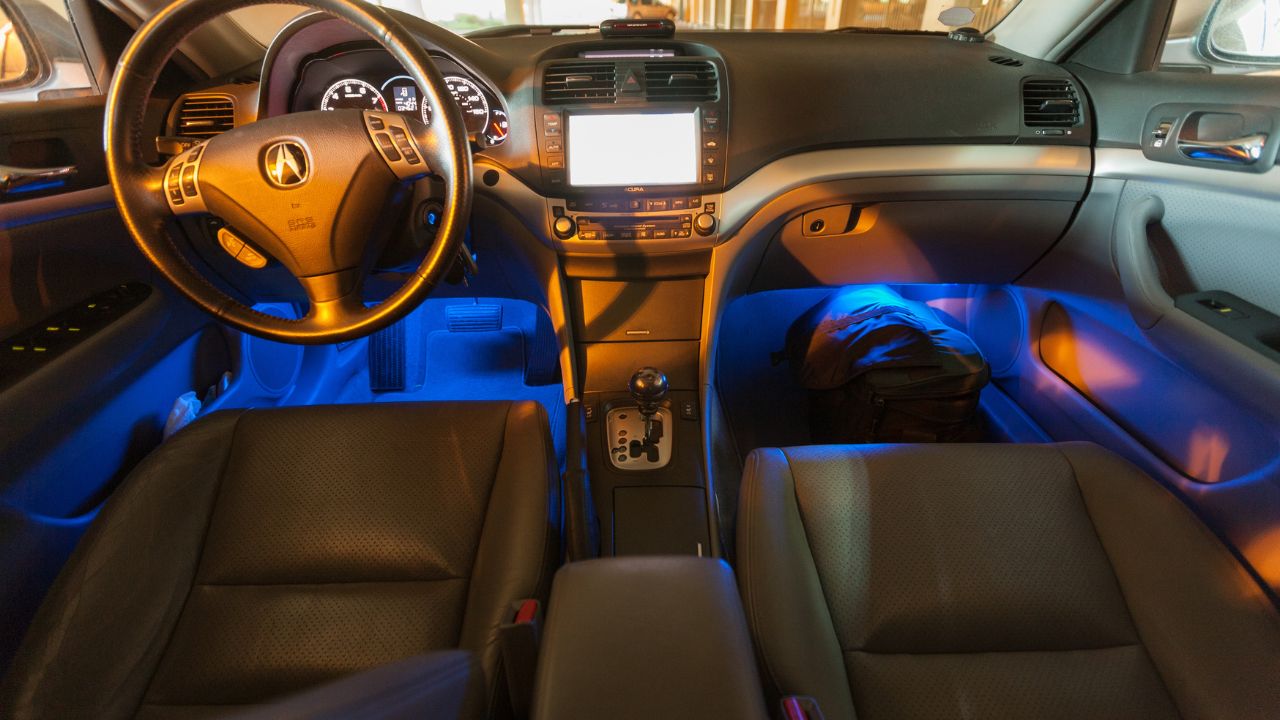
When the power’s out, even small light sources become valuable. Your car’s built-in dome lights, map lights, and even ambient lighting can help you see clearly without burning through flashlight batteries. Some vehicles let you adjust the brightness or keep certain lights on while the engine is off. It’s a simple way to read, organize supplies, or just avoid sitting in the dark.
For even more flexibility, consider keeping a USB-powered LED light in your glove box; it’ll plug right into your car’s port and give you hours of hands-free illumination.
Large Cargo Space for Emergency Gear
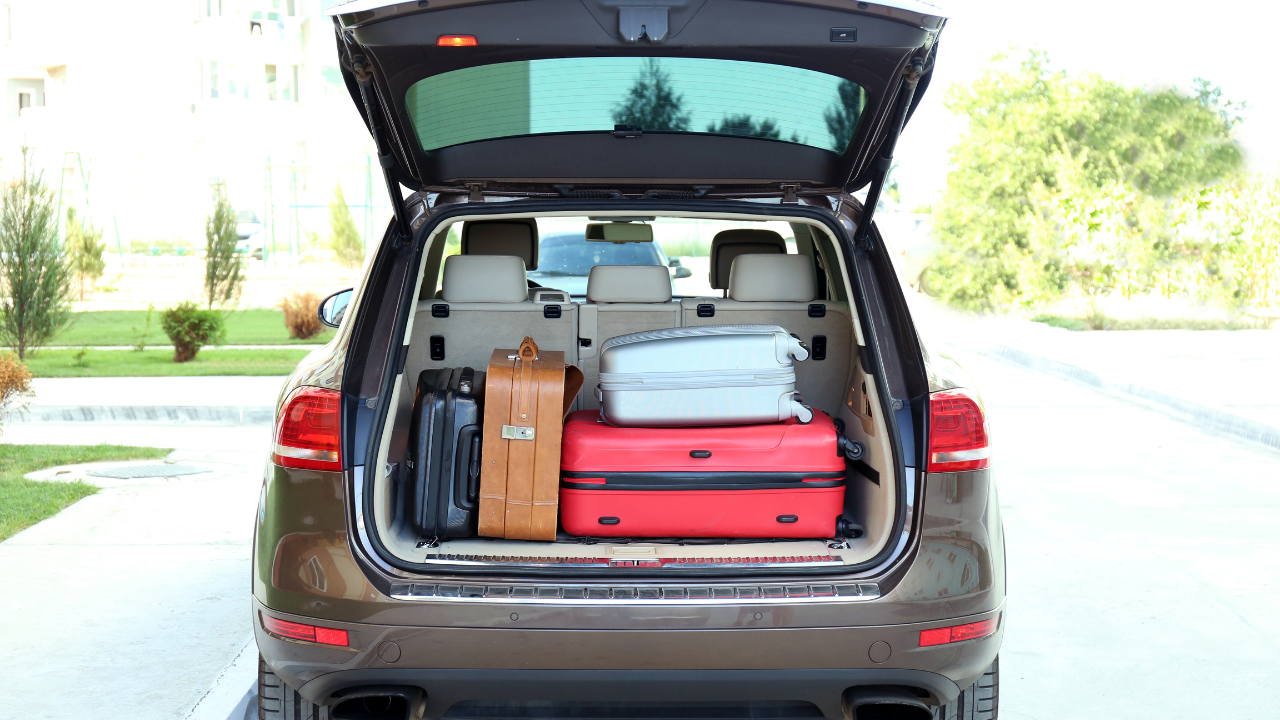
A roomy trunk or cargo area isn’t just great for groceries, it’s a major plus during a power outage. If you’ve packed an emergency kit, water jugs, blankets, or even a portable stove, your vehicle can double as a mobile base of operations. SUVs, wagons, and hatchbacks make it easy to load up and go, especially if you need to evacuate quickly.
Even in place, your car can become a storage hub for supplies you don’t want cluttering your house. Having essentials already stashed in your vehicle saves time, reduces stress, and keeps you a step ahead when the unexpected hits.
Your Car as an Emergency Backup Plan
No one buys a car expecting it to double as an emergency shelter, but in a power outage, that’s exactly what it can do.
It’s already equipped with power, light, climate control, and connectivity. Add a few simple accessories, like a power inverter, extra charging cables, and maybe a flashlight or two, and you’ve got yourself a mobile command center.
Unlike many emergency backups that require setup or special storage, your car is already parked and ready. It’s self-contained, weatherproof, and mobile. Whether you need to charge devices, warm up, cool down, or just feel like you have a plan when everything else feels uncertain, your vehicle is there to support you. With a little preparation and a full tank of gas, it can offer the kind of calm and comfort that really matters when the lights go out.