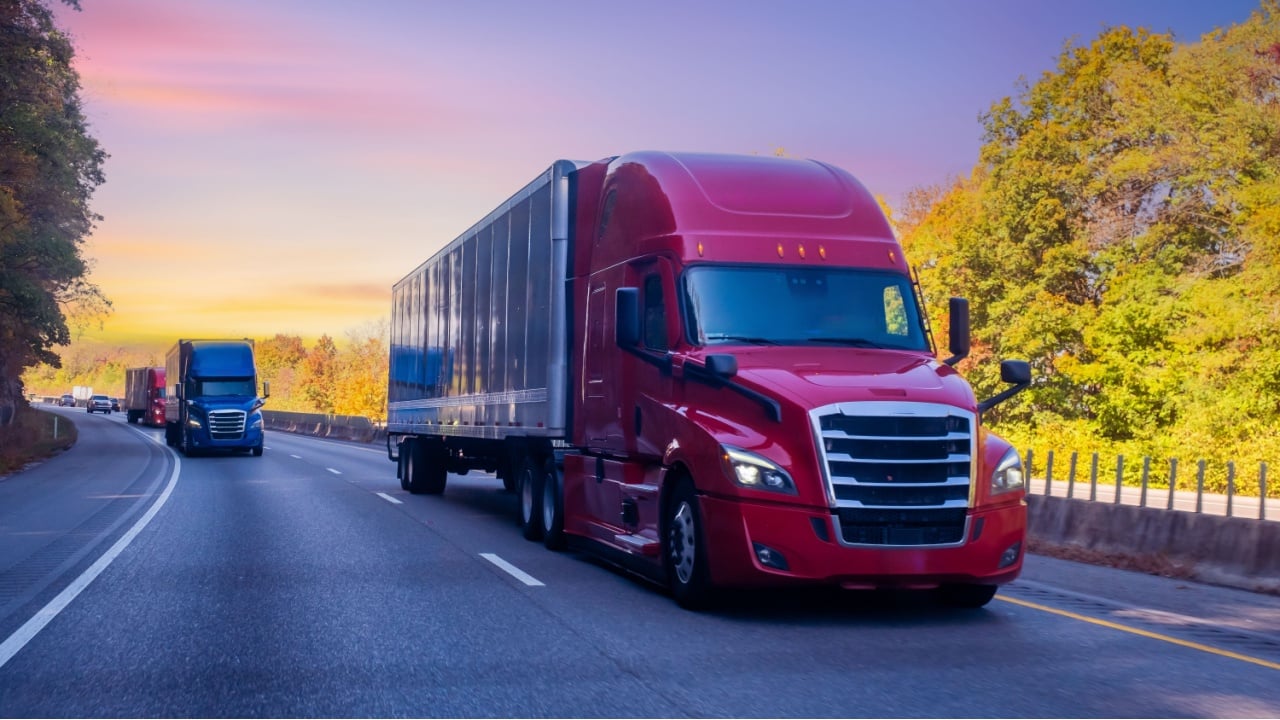
Picture this: you’re cruising down I-45 between Dallas and Houston, and a massive freight truck glides past — without a driver. Sounds like sci-fi, right? Well, that future is pulling into reality, and Aurora is behind the wheel or, rather, the code.
They just released their 2025 Driverless Safety Report, laying out how they’re preparing to launch fully autonomous trucks. This is not just a flashy tech milestone. It’s a big step toward reshaping how freight moves, and how we all stay safe on the road.
What Makes This So Groundbreaking?
The heart of it is the Aurora Driver, a self-driving system packed with high-tech sensors and smart software. It “sees” using a combination of radar, cameras, and lidar — including Aurora’s custom-built FirstLight lidar, which can detect objects over 450 meters away. That’s more than a quarter mile of foresight at highway speeds.
But it’s not just about spotting obstacles. Aurora blends artificial intelligence with real-world rules, so their trucks don’t just avoid danger; they drive with the calm, predictable confidence of a seasoned pro.
So, What’s the Real Impact?
Here’s where it gets really interesting. Aurora simulated thousands of real crash scenarios — including fatal ones from the Dallas-Houston corridor — and found their trucks could have avoided them. They don’t get tired. They don’t get distracted. They react faster than any human possibly could.
This isn’t about replacing drivers tomorrow — it’s about reducing the kind of crashes we all dread. And with freight demand rising, a scalable, always-on trucking solution could be a game-changer for supply chains and safety alike.
Not Without Its Roadblocks
Of course, no system is perfect. Aurora knows it. That’s why they’ve built in layers of backup, from redundant braking and steering systems to remote support teams on standby. Weather, unpredictable traffic, and cybersecurity threats are all part of the equation.
But they’re not sweeping those risks under the rug. They’ve structured their entire rollout around a “safety case framework,” borrowed from industries like aviation and nuclear energy. Every route, every feature, every update has to pass strict safety thresholds before it hits the road.
Why It Matters for the Road Ahead
Aurora’s approach might just set the standard for how autonomous tech rolls out responsibly. If this works for freight — and all signs suggest it’s close — it could unlock a broader shift in how we think about driving, delivery, and road safety.
It’s not just about removing the driver. It’s about creating a driving system that’s constantly improving, always alert, and designed from the ground up to avoid the most dangerous moments we face on the road.