Dialing in the fun factor is a significant selling point for any carmaker. But at what expense? Fun comes with its risks, no matter what you drive.
Naturally, sports cars deliver the biggest thrill ride. As speed grows, a sense of danger creeps in, elevating your adrenaline levels. Where fun becomes danger can be a balancing act, but we all want to try it.
To make things even more dangerous, even some big-name manufacturers have gotten the fast car formula wrong in the past. Flawed vehicles or those with low safety features are cause for concern. Fun is fleeting, but the danger is never far away.
How We Created This List
This list focuses on production cars that balance sheer driving enjoyment with real-world risk. We prioritized vehicles known for raw performance, limited safety systems, unpredictable handling, or reputations for being difficult to control at the limit. The selections span classic, modern, and exotic categories, drawing from enthusiast forums, expert reviews, and first-hand driving impressions.
Whether due to flawed engineering or relentless power delivery, each car featured here is known for offering thrills — sometimes at the expense of control. This isn’t about hating on these cars. It’s about acknowledging how dangerously fun they really are.
TVR Sagaris
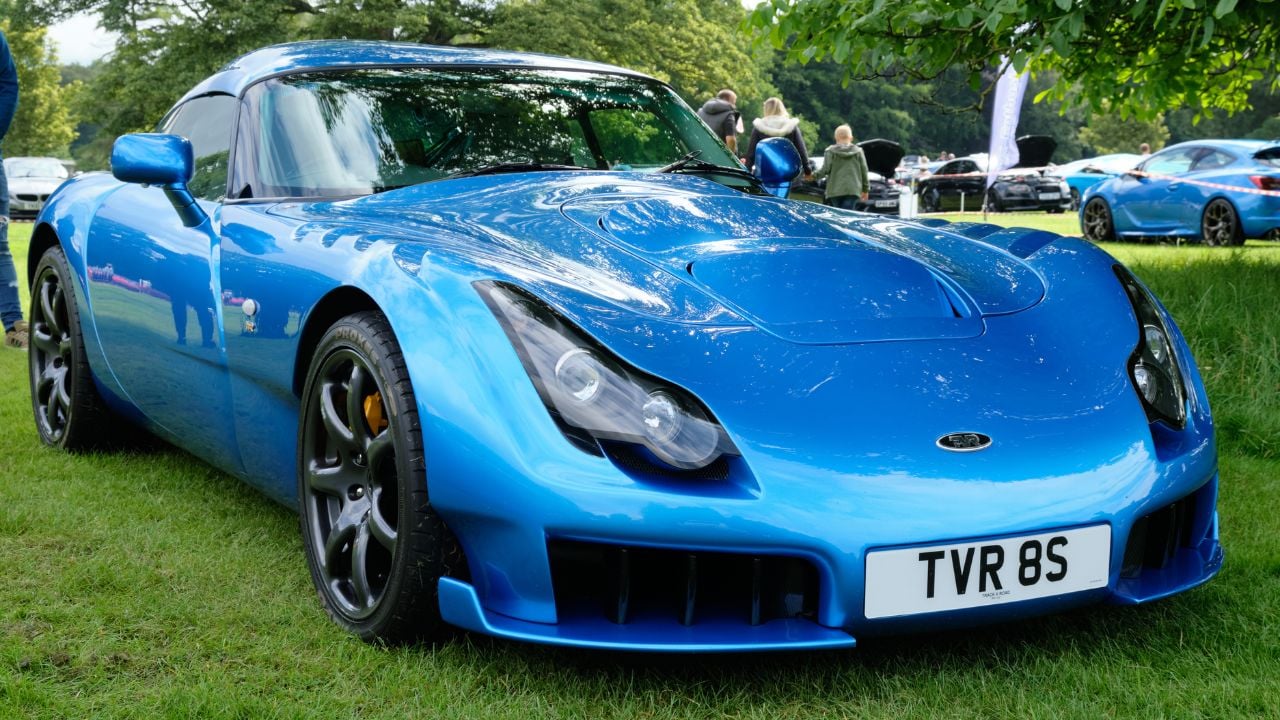
Britain’s answer to the muscle car, the TVR Sagaris is a no-holds-barred speed machine that demands your attention. In truth, any TVR requires the utmost respect. The Sagaris is one of those cars that demands to be driven hard, urging drivers on with a wailing soundtrack.
Now, this may be the best-handling TVR model ever, but don’t be fooled. Unlike its peers, TVRs are built for square-jawed, hairy-chested drivers that laugh in the face of danger, so they lack safety features. That’s right, The Sagaris was not fitted with ABS, traction control, or airbags. However, the wail of TVR’s SpeedSix engine is intoxicating and gets better as the speed grows, as does the risk of binning it if you overstep the mark.
Porsche 930 Turbo
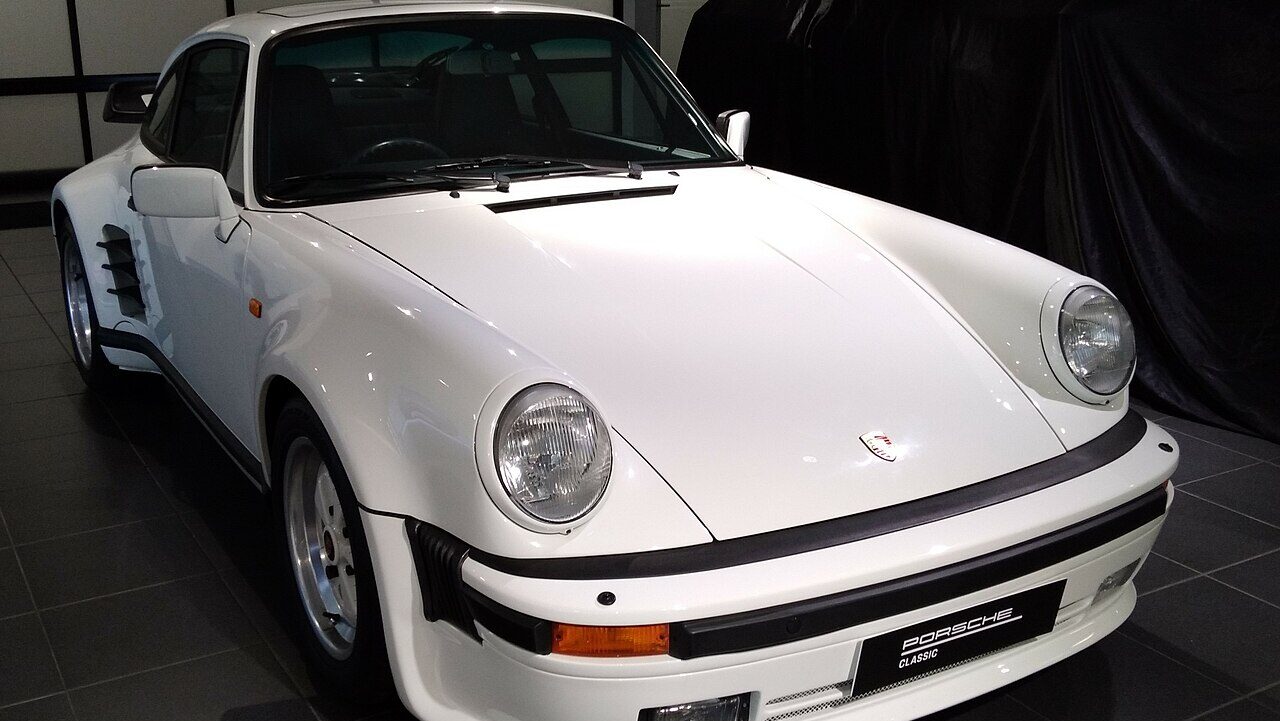
As motoring style icons go, the original 911 or 930 Turbo was a masterpiece of form and function. Porsche worked tirelessly with their 3.3-liter flat-six to boost power output, notably by using a KKK turbocharger commonly referenced as the K26 / 3LDZ on 3.3-liter 930 Turbos. Forcing more air in equates to more power coming out. Unfortunately, significant power gains come with a potentially deadly drawback.
Early turbochargers suffer from lag, and the 930 is no different. Step on the gas pedal in the wrong gear, and a lengthy spoiling up or lag will catch you out. On a good day, you’ll enjoy the surge of power only a 911 Turbo can deliver. On a bad one, it’ll send you backwards off a cliff. After sending bankers and stock brokers to an early grave, the original Turbo Porsche earned its “Widow-maker” nickname, and wore it like a badge of honor.
Lancia Stratos HF

Lightning-fast reflexes are essential to getting the most out of the Stratos. WRC regulations dictated the car’s razor-sharp handling, which means the difference between hero and zero. It is excellent for blasting from corner to corner, sending clouds of gravel airborne, but less so on public roads, especially in the wet.
Think of the Stratos as a short-wheelbase Ferrari. Under the diminutive body lies a Ferrari Dino V6 cranking out 190 hp, coaxing the 2,161 lb two-seater to 60 mph in 6.8 seconds. Around town, you’ll struggle to see what the fuss is about. On the open roads, it is a different animal that only the most skilled drivers can tame.
Caparo T1

Every gearhead dreams of racing a single-seater, but few will ever realize the dream. Fortunately, Caparo, a niche British sports car maker, was listening and engineered the T1. At first sight, the T1’s enclosed-wheel race-car-style body resembles a prototype you’d expect in Gran Turismo. In reality, that’s not far from the truth. At the rear, there’s a 3.5-liter F1-style V8 punching out 575 hp. Caparo claimed the T1 would crack 60 mph in 2.5 seconds and run on to a top speed of 205 mph.
Only a handful of T1s exist for a good reason. Early testing had serious incidents: one demonstrator caught fire during filming, and in another test a floor panel came loose at speed. However, lucky owners who got a fully working T1 were quickly shocked by the brutal performance available, and it soon turned out that it had to be driven like an F1 car to offer any grip in the corners — unless the surface is wet, then it’ll send you flying sideways.
Morgan 3 Wheeler
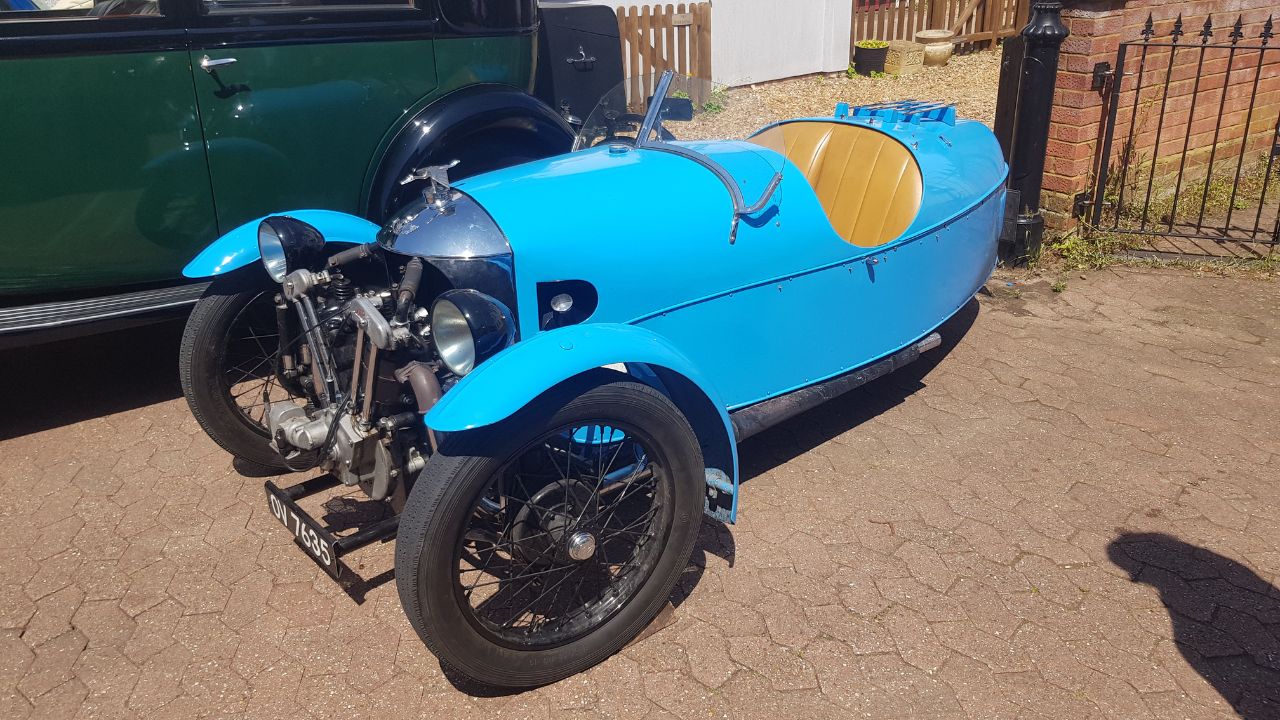
Wind in the hair driving thrills don’t come any better. Morgan built three-wheelers starting in 1911, and the modern 3 Wheeler was introduced in 2011 and ended production in 2021. It’s a simple, lightweight two-seater pared back to the bare essentials and fun to drive.
Most notably, you only get three wheels: two upfront to control direction and a single drive wheel at the back to get you there. While it’s undeniably fun to chuck around, lacking a fourth wheel produces some alarming handling traits. Added to the stability issues, It uses a two-litre S&S V-twin mounted ahead of the front axle.
Dodge Viper (SR)

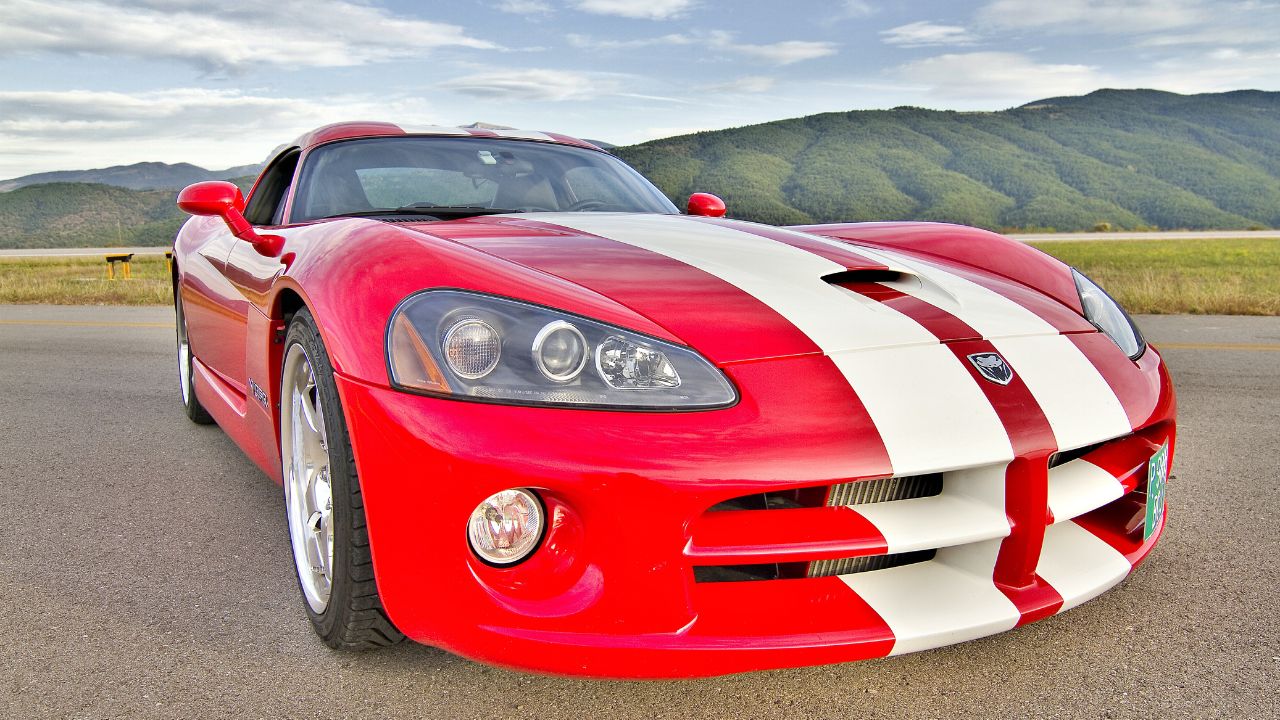
Every car enthusiast knows about the Dodge Viper. This model was too extreme for most, and the unassisted chassis and drivetrain scared the life out of those who dared drive one. In fact, some owners will tell you they’ve overheard their Viper planning death threats when parked in the garage. Over time, Dodge addressed some concerns, but it was still a giant V10-engine monster. In fact, by the time the Viper bailed out, displacement grew from 8.0 to 8.4 liters; the final generation’s 8.4L V10 made 645 hp (including the ACR).
Despite a scary reputation, gearheads still appreciate the Viper for what it represented. It delivered supercar performance with a front-engine, rear-wheel-drive layout—and very little forgiveness.
Opel Speedster
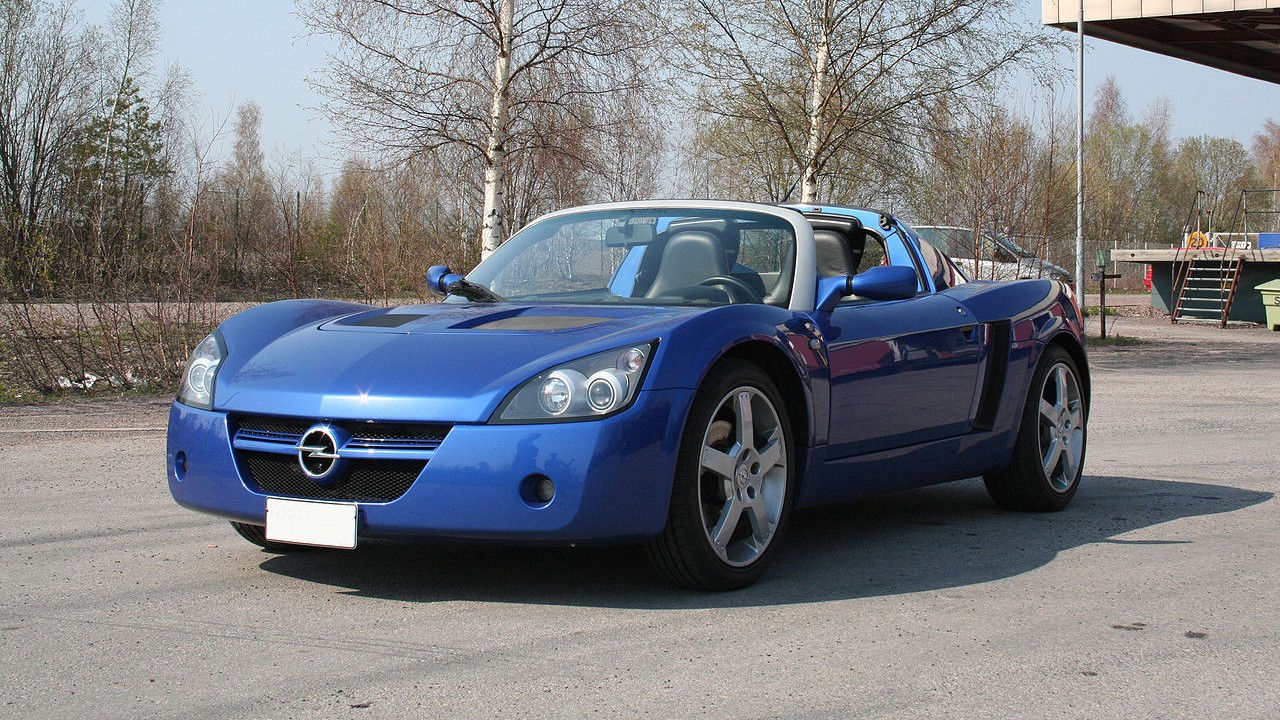
The Opel Speedster should have been a winner. It boasts more fun and performance than an Elise. The two cars are very similar except for the different body styles and engines. In place of Rover/Toyota engines, Opel chose the Z20LET and turbocharged it to good effect.
At 2,050 lbs, the Speedster is a featherweight rear-drive sports car sporting 200 hp and quoted at 0–100 km/h (0–62 mph) in about 4.9 seconds. It sounds ideal in perfect conditions, but anything other than a mirror-smooth, dry surface exposes the Speedster’s weakness. Push too hard, and the mid-engine chassis, with little warning, would have the rear end trying to overtake the front.
Toyota MR-2 Spyder

For the final generation of Toyota’s mid-engined, rear-wheel-drive model, the Japanese carmaker switched tactics and chose a Spyder body as the sole option. On appearances, gearheads were not immediately impressed. However, getting past the visuals, the MR-2 Spyder was scintillating to drive thanks to Toyota’s 1.8-liter 1ZZ-FE engine.
Now for the bad news. Like all mid-engined cars approaching the chassis limits of grip, the MR-2 Spyder does not provide much of a warning as to what can happen next. Push a little too hard, and snap-oversteer will quickly pitch you into a spin and have you facing the direction you came from.
Dodge Challenger

Bad news for muscle car fans: the Dodge Challenger, as fun as it can be, is flawed. Admittedly, the allure of a 6.4-liter V8 pumping out 485 hp is hard to ignore. The soundtrack is undoubtedly one of the greatest ever made.
Power and speed without control can end badly. Underneath the skin, a modern-sounding 5-link independent suspension set-up keeps the Challenger’s 245/45ZR20 tires in contact with the tarmac. However, poorly specified damper and spring rates are underwhelming, especially when pushed hard in the corners.
AC Cobra

The unmistakable V8 burble of the Cobra is enough to tempt any gearhead. Succumbing to the two-seater roadster might be the most fun you ever have on four wheels. Designed as a no-hold-barred track-inspired road car, the Cobra boasts a big V8, delivering bucket loads of torque to the rear wheels. In between, traction control only exists in your right foot.
Delving deeper, I see that the odd weight balance of the Cobra should be a cause for warning. Several hundred pounds of Ford V8 make the Cobra front-heavy, making it surprisingly easy to light up the rear tires. Too much gas too soon, and the back end will come unstuck. Bill Cosby was associated with Shelby Cobra Super Snake CSX3303 (one of two Super Snakes commonly cited). The car was later sold on, and a later owner, Tony Maxey, was killed when the car went off a cliff into the Pacific.
Ferrari 599 GTO

Anything adorned with the prancing horse is high on the wishlist for gearheads. The Ferrari 599 GTO is a track-focused variant of an already fast and demanding car. Capable of delivering a sucker punch to anyone who dares to select the Manettino to off. Off translates to you’re on your own.
What makes the 599 GTO so tempting is the 661-hp front-mounted 6.0-liter (5,999 cc) V12. With no clever AWD, the rear tires face a herculean task of keeping things in check. All too often, the immense power overwhelms the tires, sending the car and driver sideways at the first opportunity.
Renault Clio V6
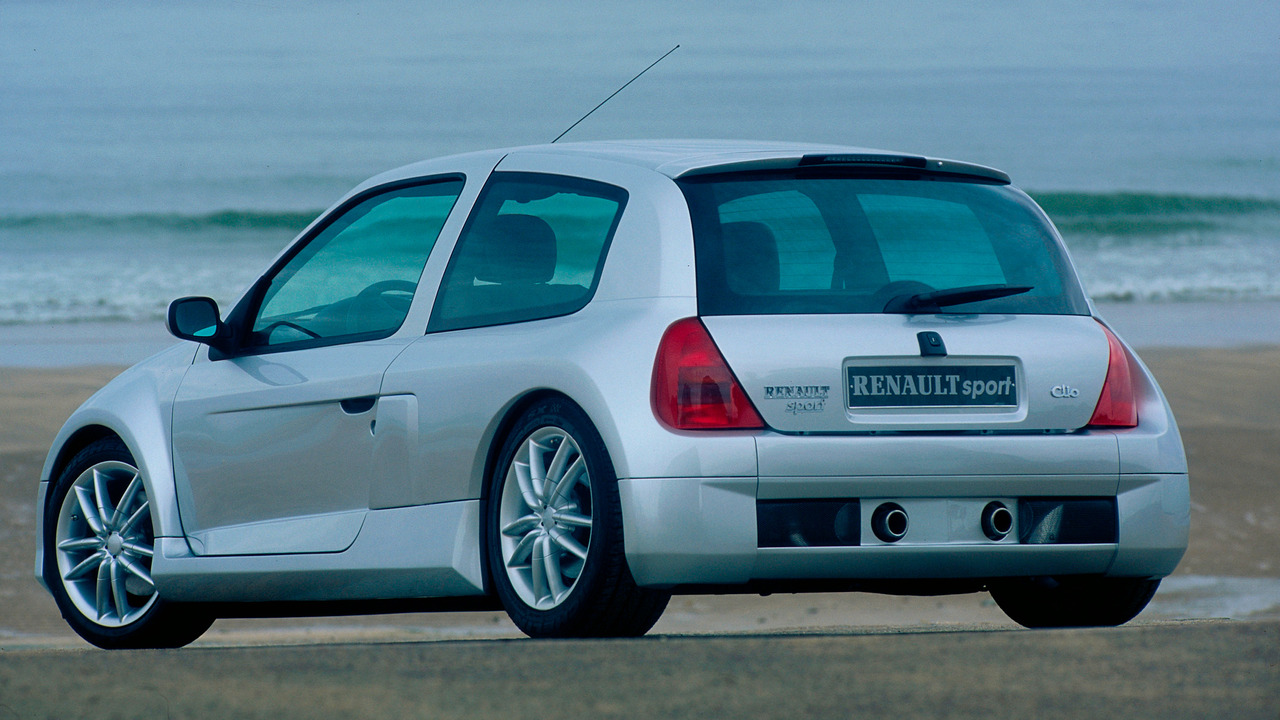
Take a tiny front-wheel-drive hatchback, give it a mid-mounted 3.0-liter V6, and remove all sense of restraint — that’s the Clio V6. It looks like a cartoon, drives like a rally stage on wheels, and scares the living hell out of anyone who expects it to behave like a regular Clio.
The short wheelbase and rear-heavy weight distribution make for unpredictable handling when pushed. It’s one of the most unintentionally dangerous hot hatches ever made, but also one of the most entertaining. You’ll either be laughing maniacally… or wondering how you ended up backward in a ditch.
Caterham Seven 620R
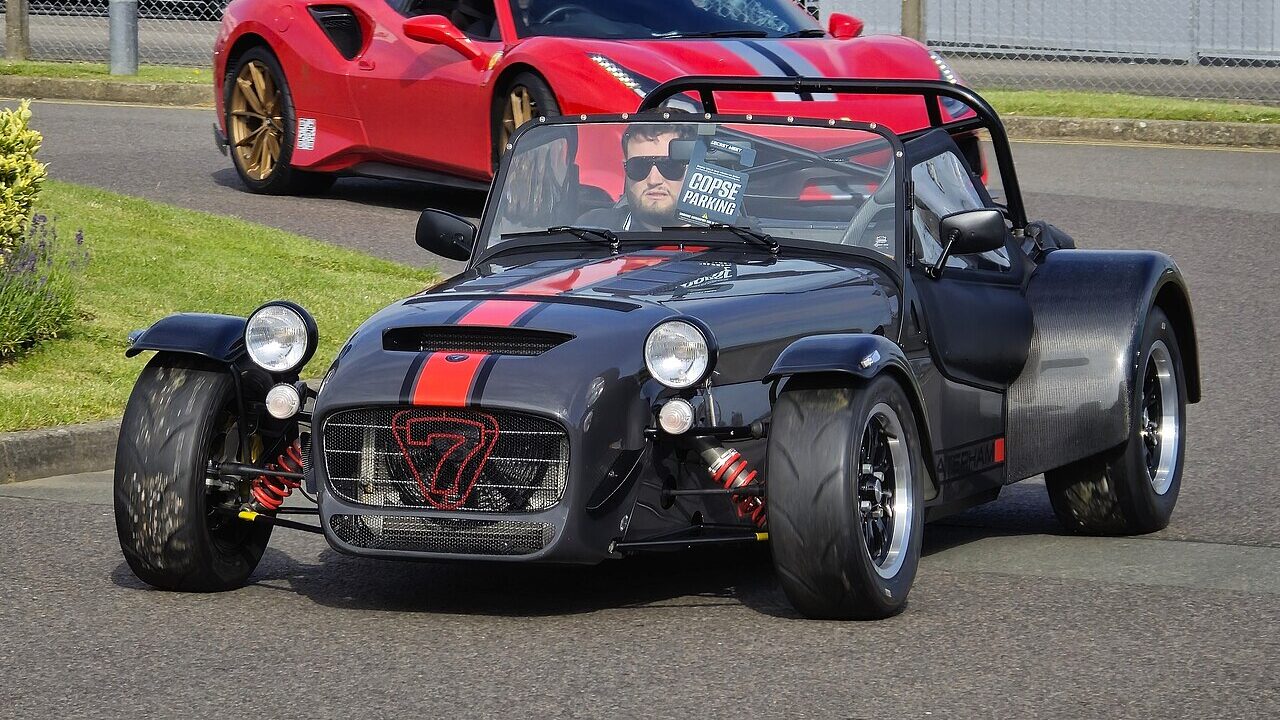
The Caterham 620R is one of the rawest street-legal cars money can buy. There’s no roof and very few electronic driver aids — just you, four tires, and a supercharged 2.0-liter Ford Duratec engine making 310 bhp. That might not sound extreme until you realize the car only weighs aorund 1,350 pounds.
The result? 0–60 mph in 2.8 seconds, and the kind of steering feedback modern cars can only dream of. It’s intoxicating, but also unforgiving. One wrong move on a damp backroad and the 620R will remind you how thin the line between fun and frightening really is.
Highway To The Danger Zone
Driving can be a thrill, and for some of us, that’s the whole point. But that thrill often comes with consequences, especially when you’re behind the wheel of a car that doesn’t forgive mistakes. The vehicles we just covered are loved because they’re dangerous, not despite it.
They ask more of the driver, demand full attention, and return an experience that can’t be replicated by safer, smarter, or more sterile machines. Just remember: the most dangerous thing in any car is still the person holding the steering wheel — especially when they’re having a little too much fun.