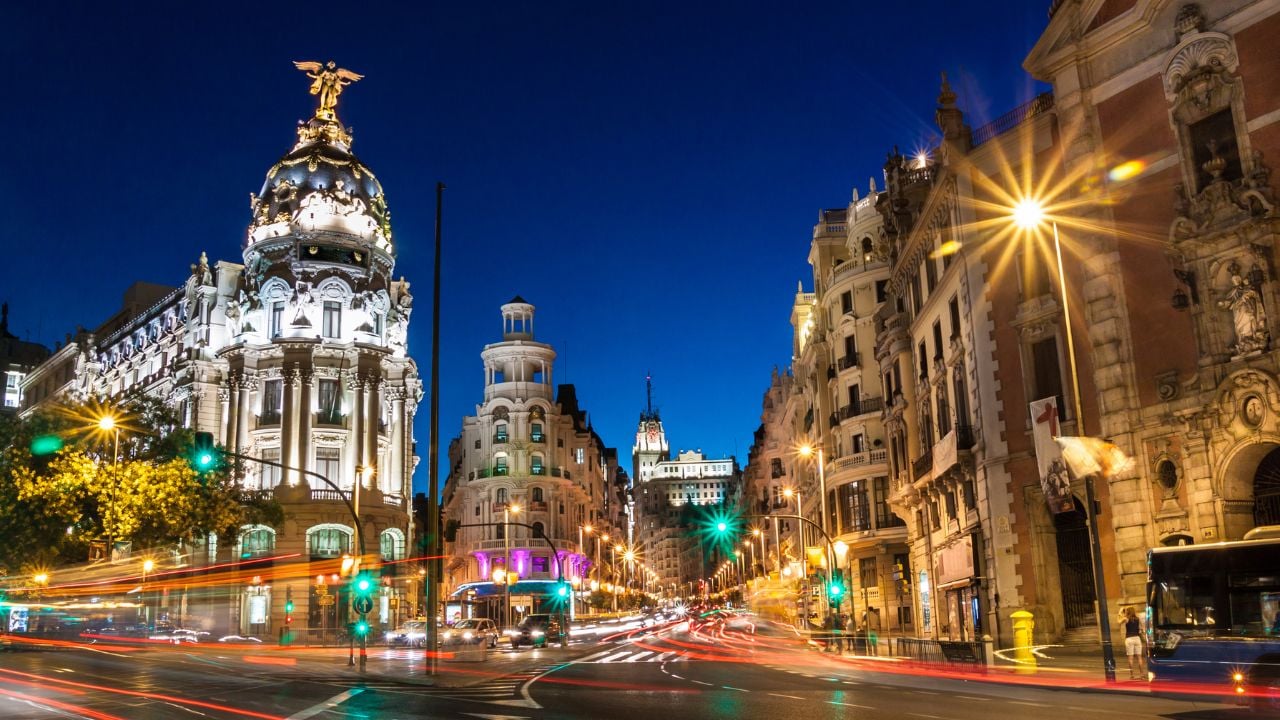
On a short city break, a rental car can create the problems travelers were trying to avoid. Central parking can take longer than a museum visit, taxis become expensive after several neighborhood jumps, and a hotel beyond the rail network can add transfers before breakfast and after dinner.
Build a no-car itinerary around three checks: the nearest station to the hotel, the ticket or pass that covers the rides planned, and a daily route that keeps nearby sights together. London, Paris, and Tokyo cover long cross-city jumps with dense rail networks. Singapore, Vienna, Berlin, Copenhagen, Madrid, and Prague give visitors passes or city cards that simplify short stays.
The details change the trip before the first attraction. Berlin visitors flying into BER or visiting Potsdam need ABC fare coverage, not just AB. Copenhagen’s City Pass Small covers zones 1 to 4, including Copenhagen Airport and the city center. Madrid’s Zone A Tourist Travel Pass covers Metro Zone A with the airport supplement, but it excludes the yellow Airport Express bus.
Walking still belongs in every city below. Transit should cover airport links, cross-town rides, hill-heavy sections, late returns, and routes between districts that do not belong in one long walk.
1. London, England

London’s main visitor areas sit across several districts, not around one compact center. Transport for London says a Visitor Oyster card can be used for pay-as-you-go journeys on buses, the Tube, trams, DLR, London Overground, the Elizabeth line, River Bus, and most National Rail services in London.
That coverage connects Westminster, the British Museum, Tower Bridge, the South Bank, Covent Garden, Kensington, Camden, Shoreditch, and Greenwich without a rental car. The Tube and Elizabeth line handle longer rides. Buses keep transfers above ground on routes through Westminster, Trafalgar Square, Oxford Street, the City, and other landmark-heavy areas.
Airport routing belongs before hotel booking. TfL lists pay-as-you-go options for Heathrow, Gatwick, and other airport-linked services, but the best route depends on the airport, terminal, rail line, and final hotel area. A hotel near the right Tube, Elizabeth line, Overground, or National Rail station can remove one transfer on arrival and departure.
A cheaper room outside the center can cost time every day if the nearest station is a long walk away. First-time visitors should check the exact station name, line, and walking distance before booking.
2. Paris, France
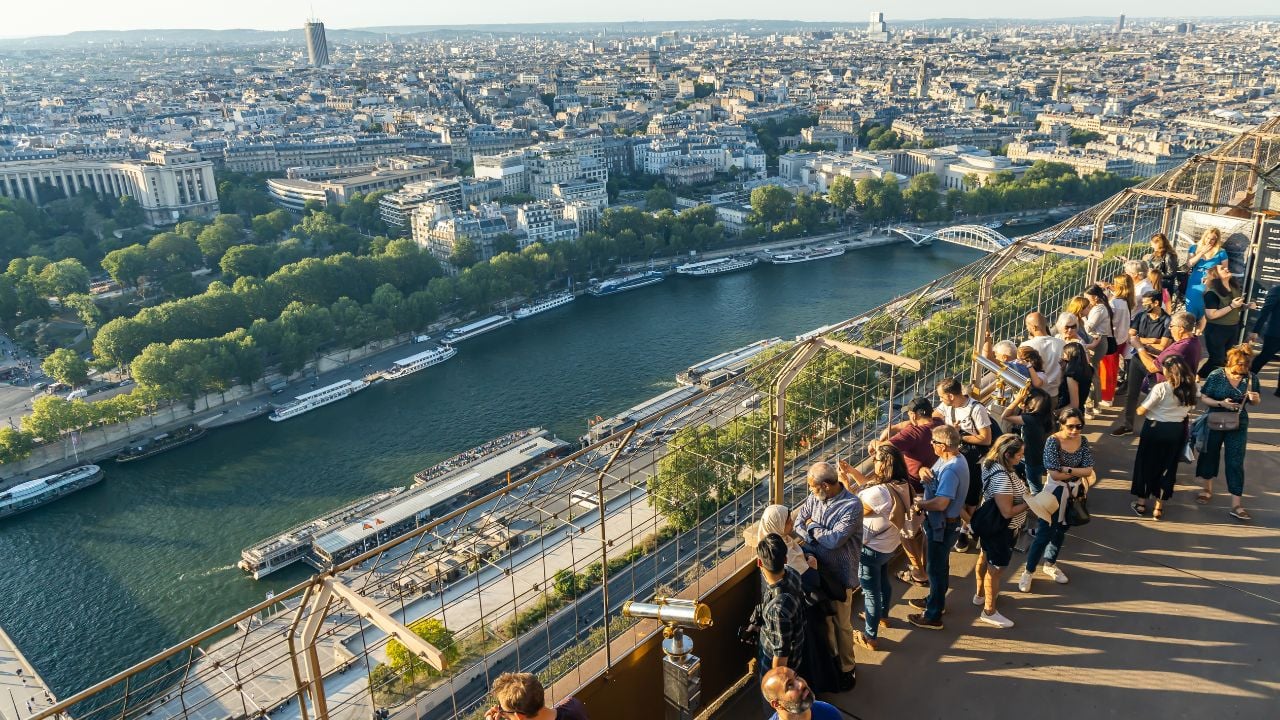
Paris gives visitors 16 metro lines and more than 300 stations, according to the city’s official tourism site. The same public transport guidance points visitors toward metro, RER, tram, bus, and pass options for moving around Paris and the wider region.
The Eiffel Tower, Louvre, Montmartre, Latin Quarter, Marais, Musée d’Orsay, Gare du Nord, and Gare de Lyon should not be treated as one long walk. Rail should cover the longer sections between those areas. Walking belongs along the Seine, around museum districts, through the Marais, and inside compact neighborhood routes.
RATP says the Paris Visite travel pass covers metro, tram, bus, C1 cable, RER, and SNCF Transilien services during the selected validity period. Travelers planning airport rides, Versailles, Disneyland Paris, or several busy transport days should compare pass zones and duration before buying.
Station exits change the walk after the train. At large interchanges, travelers should check the line number, direction, destination station, and exit name before leaving the platform area.
3. Tokyo, Japan
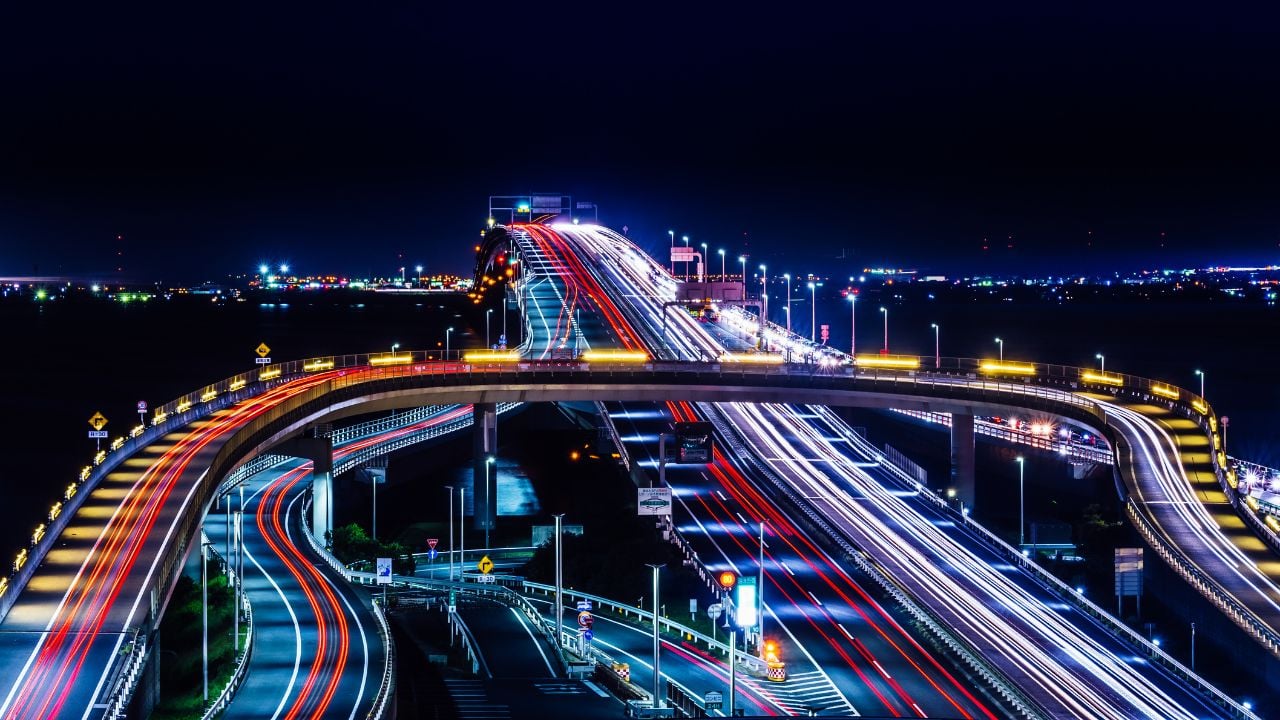
Tokyo itineraries should be grouped by district before travelers choose train routes. The official Tokyo travel guide says visitors can use IC cards, travel passes, or individual tickets for subways, buses, and waterbuses. JR East says Welcome Suica can be used on train lines in the Tokyo metropolitan area, as well as subways, buses, and the Tokyo Monorail between Haneda Airport and Tokyo.
Shibuya and Harajuku can share one outing. Ueno and Asakusa pair better with each other than either does with Shinjuku. Tokyo Station, Ginza, and the Imperial Palace area can form one central day. Shinjuku can take an evening if the plan includes dinner, observation decks, or nightlife.
Tokyo routes may involve Tokyo Metro, Toei Subway, JR lines, private railways, airport rail, buses, and waterbuses. Travelers should check the operator, platform number, train type, direction, and final destination before boarding. Some trains skip stops or continue onto lines that use different names.
Taxis are better for luggage, late nights, or short point-to-point rides after rail service becomes inconvenient. Trains and subways handle most daytime movement between Shibuya, Shinjuku, Ginza, Asakusa, Ueno, Tokyo Station, and airport-linked areas.
4. Singapore

Singapore’s MRT and bus network connects the areas most first-time visitors use. The official Singapore Tourist Pass site says the pass is an EZ-Link card that gives tourists unlimited travel on basic bus services, MRT trains, and LRT trains during the pass validity period.
Visitors can use MRT and bus routes for Marina Bay, Gardens by the Bay, Chinatown, Little India, Kampong Gelam, Orchard Road, Clarke Quay, and Sentosa-linked trips. The pass suits travelers planning several short rides in one day instead of one or two point-to-point journeys.
Public-space rules are visible across the transit system and major visitor areas. Travelers should read signs for food, drink, smoking, littering, queue behavior, and restricted areas in stations, parks, hawker centers, and public walkways.
Group stops before choosing the day’s route. Marina Bay and Gardens by the Bay belong in one plan. Little India and Kampong Gelam can share one outing. Chinatown can connect with Clarke Quay or the riverfront.
5. Vienna, Austria
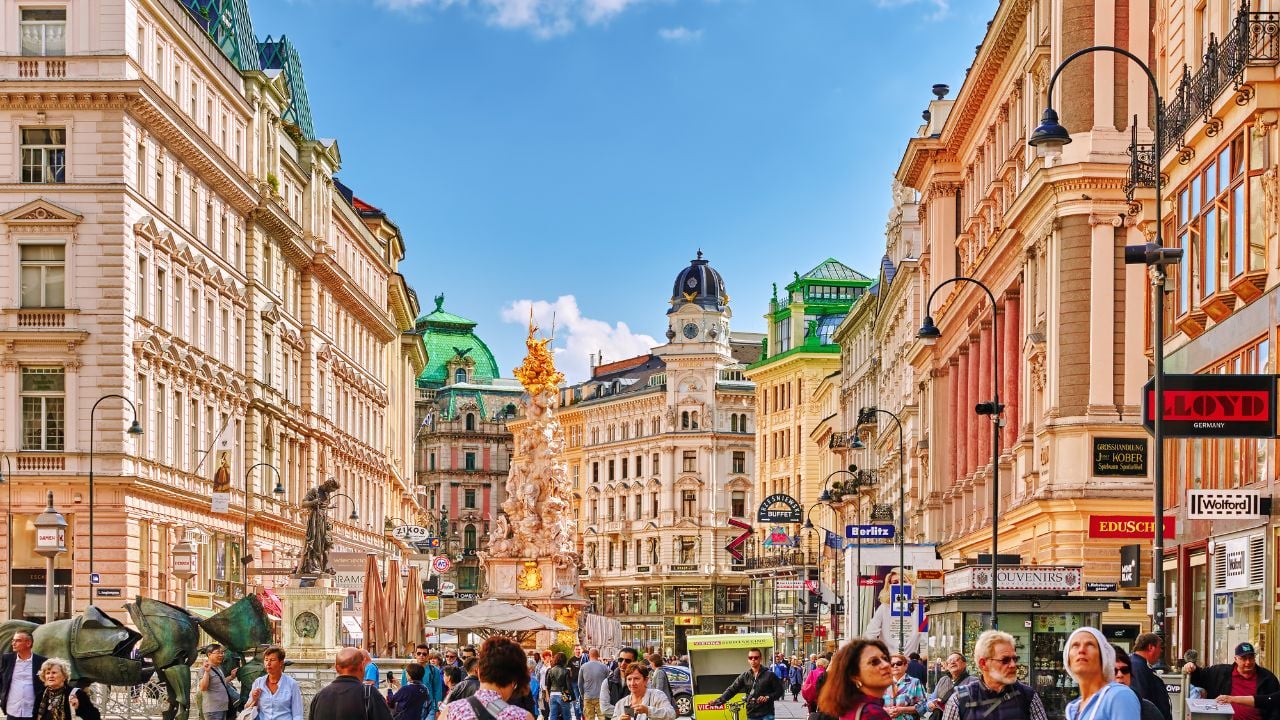
The Vienna City Card includes travel on public transport in Vienna and discounts at museums, tourist attractions, and other partners during the selected validity period. The official tourism site lists 24-hour, 48-hour, 72-hour, and 7-day versions.
Stephansplatz, Graben, Kärntner Strasse, Hofburg, and the Ringstrasse can be handled partly on foot. Schönbrunn Palace, Belvedere, Prater, outer districts, and some concert venues usually require U-Bahn, tram, or bus travel.
Trams suit above-ground movement around central areas and Ringstrasse-linked stops. The U-Bahn is better for faster rides between the center, palace areas, major stations, and outer neighborhoods. Buses fill gaps where rail or tram stops do not sit close enough to the destination.
A hotel near a U-Bahn station or inside the Ringstrasse area cuts transfer time on a two- or three-day visit. A hotel far outside the core adds cross-city rides before museum visits, coffeehouse stops, and evening events.
6. Berlin, Germany
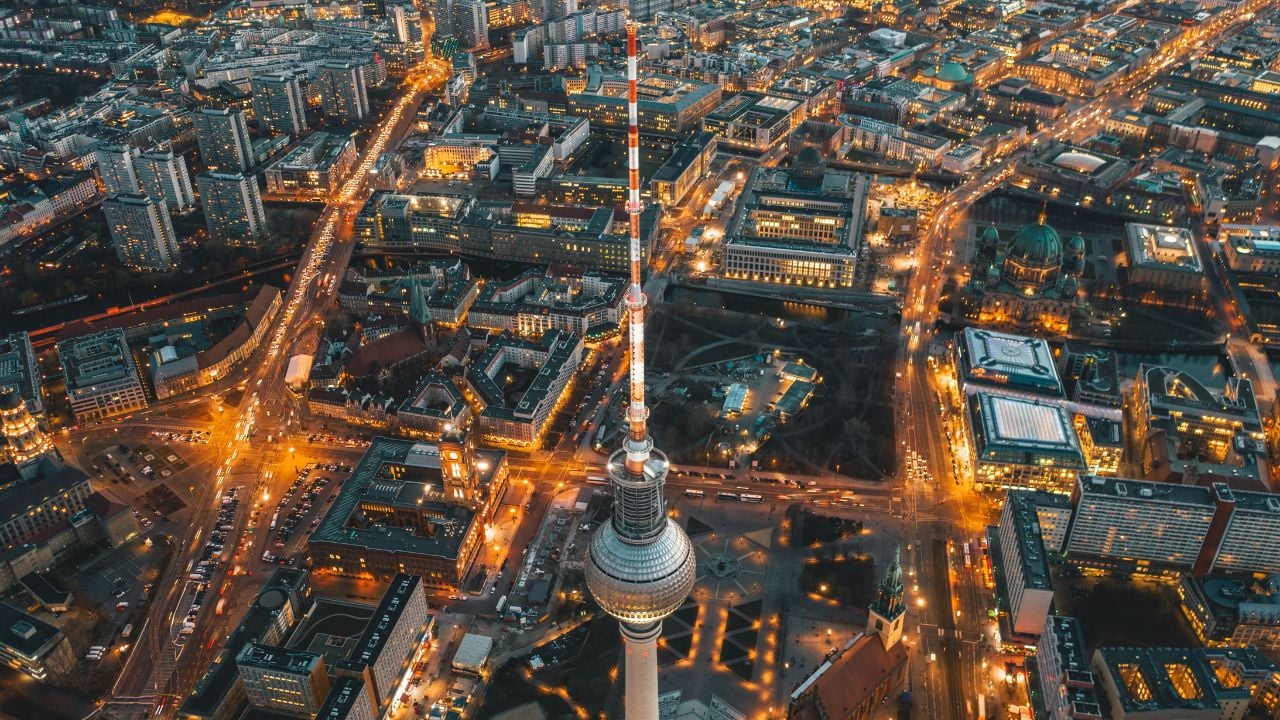
Berlin WelcomeCard buyers must choose the correct fare area before travel. Berlin’s official public transport page says the Berlin WelcomeCard includes unlimited public transport for zone AB or zone ABC. AB covers the city center, while ABC covers the city center plus surrounding areas, BER Airport, and Potsdam.
Travelers flying through Berlin Brandenburg Airport or planning Potsdam need ABC. Travelers staying inside central Berlin and visiting major city sights usually use AB.
Museum Island, Brandenburg Gate, and the Reichstag area can share one day. Kreuzberg, Friedrichshain, and East Side Gallery can form another. Charlottenburg, Prenzlauer Berg, and Potsdam pull the route in different directions and should not be casually added to the same afternoon.
S-Bahn lines handle longer cross-city movement and some regional connections. U-Bahn lines cover many inner-city routes. Trams are important in parts of former East Berlin. Buses fill gaps between rail corridors.
7. Copenhagen, Denmark

Visit Copenhagen says the City Pass Small gives unlimited access to buses, trains, metro, and harbour buses in zones 1 to 4, including the city center and travel to and from Copenhagen Airport. The City Pass Large covers zones 1 to 99 for wider trips across the region, including Roskilde and Elsinore.
The City Pass Small can cover airport arrival, Nyhavn, Kongens Nytorv, Christianshavn, Tivoli, food markets, museum areas, and waterfront stops. Travelers planning Roskilde Cathedral, Kronborg Castle in Elsinore, or other regional stops should check City Pass Large instead.
Harbour buses are scheduled public transport routes on the water. Use them only when the departure point, stop, and timetable match the day’s route. They are not a substitute for a canal tour or private sightseeing boat.
Visitors who do not want to ride bikes can still use the metro, buses, trains, harbour buses, and walking routes. A hotel near a metro stop keeps airport arrival, central sightseeing, and evening returns on the same network.
8. Madrid, Spain

Madrid’s official tourism site says the Tourist Travel Pass for Zone A covers Metro Zone A, the €3 airport supplement, blue EMT city buses except the yellow Airport Express shuttle, Cercanías trains in zones 0 and A, and Metro Ligero ML1. Validity options include 1, 2, 3, 4, 5, or 7 days.
Zone A covers most standard first-visit routes: the Prado, Retiro Park, Puerta del Sol, Gran Vía, the Royal Palace area, Salamanca, Atocha, La Latina, and central food markets. Travelers can combine metro, bus, Cercanías, and walking instead of using taxis between every district.
Airport transfer choice affects ticket planning. The Zone A Tourist Travel Pass includes the metro airport supplement, but the same official page excludes the yellow Airport Express shuttle from its blue EMT bus coverage. Travelers using the Airport Express should plan that ride separately.
Madrid’s summer heat can turn long walks between museums, plazas, parks, and dinner areas into wasted energy. Metro and buses should cover the longer sections so walking time stays focused on Retiro paths, museum corridors, market stops, shopping streets, and evening neighborhoods.
9. Prague, Czech Republic

The official Prague Visitor Pass includes unlimited travel by metro, tram, city buses, trolleybuses, and ferries throughout Prague, including public transport from the airport and back. Prague City Tourism also says the pass covers monuments, museums, galleries, guided tours, a Vltava River cruise, and unlimited public transport throughout Prague.
The pass or e-Pass must stay available during travel because it serves as the transport ticket when checked. The Prague Visitor Pass public transport page says it is valid in the metro, trams, city bus and trolleybus lines, and ferries, but not on suburban buses and trains.
Use walking for Old Town, Charles Bridge, riverside streets, and central squares. Use trams or metro before the route turns into repeated uphill sections toward Prague Castle, Malá Strana viewpoints, or neighborhoods outside the Old Town core.
Travelers who are not buying the Prague Visitor Pass should check airport transport and ordinary public-transport tickets separately before arrival. Prague’s old center is walkable, but airport transfer, castle-side climbs, and cobblestone-heavy days need more than a walking plan.