Beach towns sell a very specific fantasy. You picture easy parking, clean sand, a breezy boardwalk, and the kind of coastal day that feels almost effortless. Yet that image can break down fast when a famous shoreline is crowded, dirty, loud, or simply harder to enjoy than the marketing promised.
That is what makes complaint data useful, even when it needs careful framing. In 2025, Cloudwards analyzed negative TripAdvisor feedback across 200 popular beaches and found that some of America’s best-known beach destinations drew repeated complaints about dirtiness, overcrowding, long waits, and noise. Because those beaches are often the main reason people visit in the first place, disappointment there can color how travelers remember the whole trip.
That does not mean these places are failures across the board. Most are famous for a reason, and several are still promoted heavily by their own tourism offices as marquee coastal escapes. What the review pattern suggests is narrower, but still useful: in some beach towns, expectations run so high that even a pretty good day can feel underwhelming when the reality is packed, messy, or logistically annoying.
Read this list that way. It is not a verdict that these towns are worthless. It is a reminder that famous beaches often carry famous-beach problems, and that those problems hit hardest in destinations sold as effortless coastal perfection.
1. Honolulu / Waikīkī, Hawaii

Waikīkī Beach is one of the most recognizable beach districts in America, and Hawaiʻi’s official tourism site says it draws more than four million visitors a year. That scale helps explain the appeal. The water is photogenic, Diamond Head frames the scene, and the neighborhood is built for visitor convenience in a way many beach destinations are not.
The downside is that the same popularity shows up loudly in complaints. Cloudwards ranked Waikīkī Beach first overall in its global complaint analysis, with overcrowding dominating the negative feedback. For travelers who arrive expecting a roomy, relaxed tropical beach day, the reality can feel much more like a high-traffic urban spectacle than a quiet island escape.
2. Venice, California
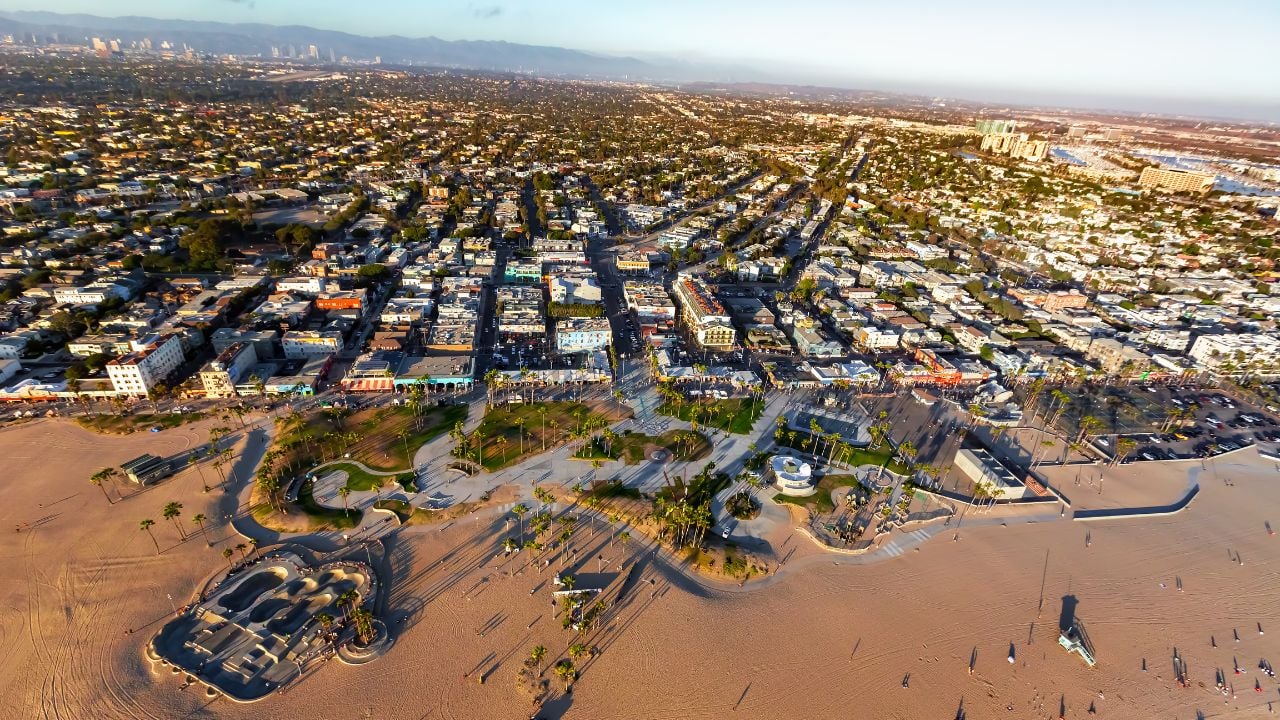
Venice has never pretended to be a quiet hideaway. Los Angeles tourism sells the boardwalk on people-watching, performers, shops, and nonstop character, which is exactly why plenty of visitors love it. The problem is that some travelers still arrive chasing a glossy California beach dream rather than the rough-edged spectacle Venice actually offers.
That mismatch shows up clearly in the review pattern. Cloudwards ranked Venice Beach second overall worldwide, and cleanliness was the dominant complaint theme. For people expecting a polished coastal day, the place can feel less like a dream beach town and more like a famous attraction whose energy does not quite hide its grime.
3. Clearwater, Florida
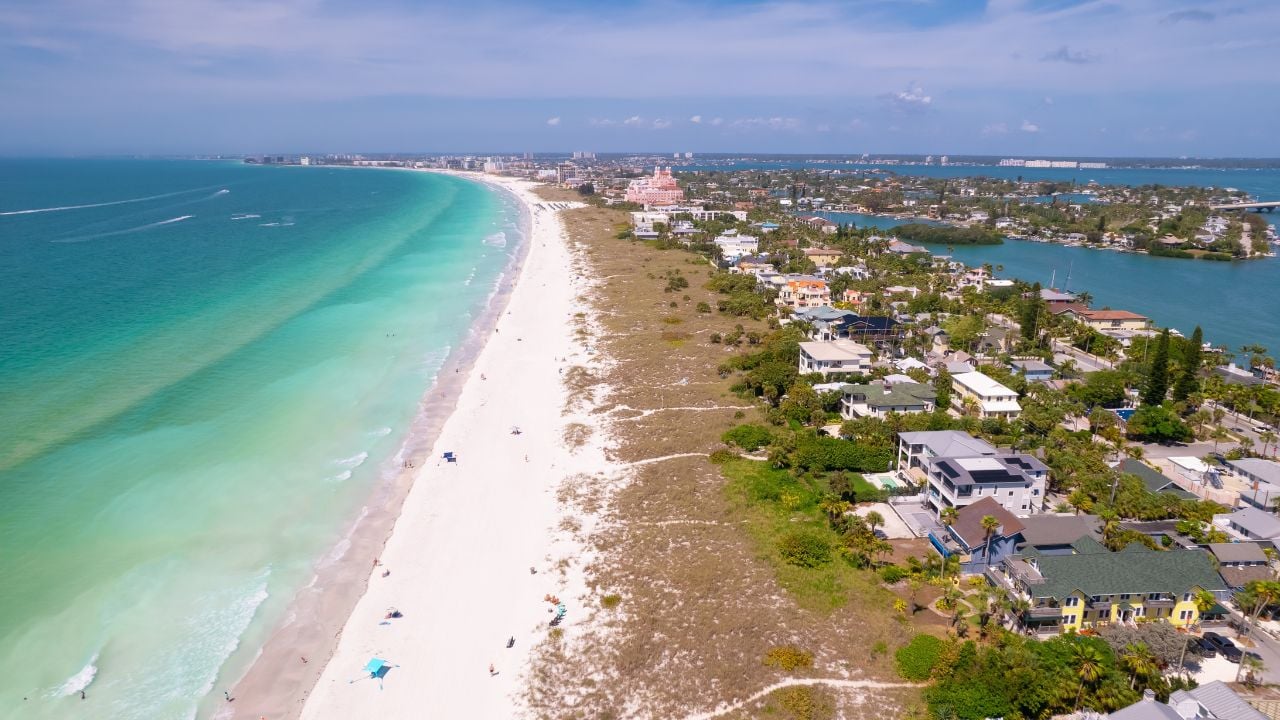
Clearwater Beach is marketed almost exactly the way people want a Gulf Coast beach trip to feel: sugary sand, emerald water, Pier 60 sunsets, and hotels and restaurants within easy reach. The tourism office even notes that a lower-key day can sometimes mean walking north, where the crowds thin out a bit.
That qualifier is revealing. In the Cloudwards analysis, Clearwater Beach ranked fourth overall, with overcrowding standing out as the biggest complaint by far. In other words, the scenery is usually not the problem. The problem is often how many people are trying to enjoy the same postcard at the same time.
4. La Jolla, California
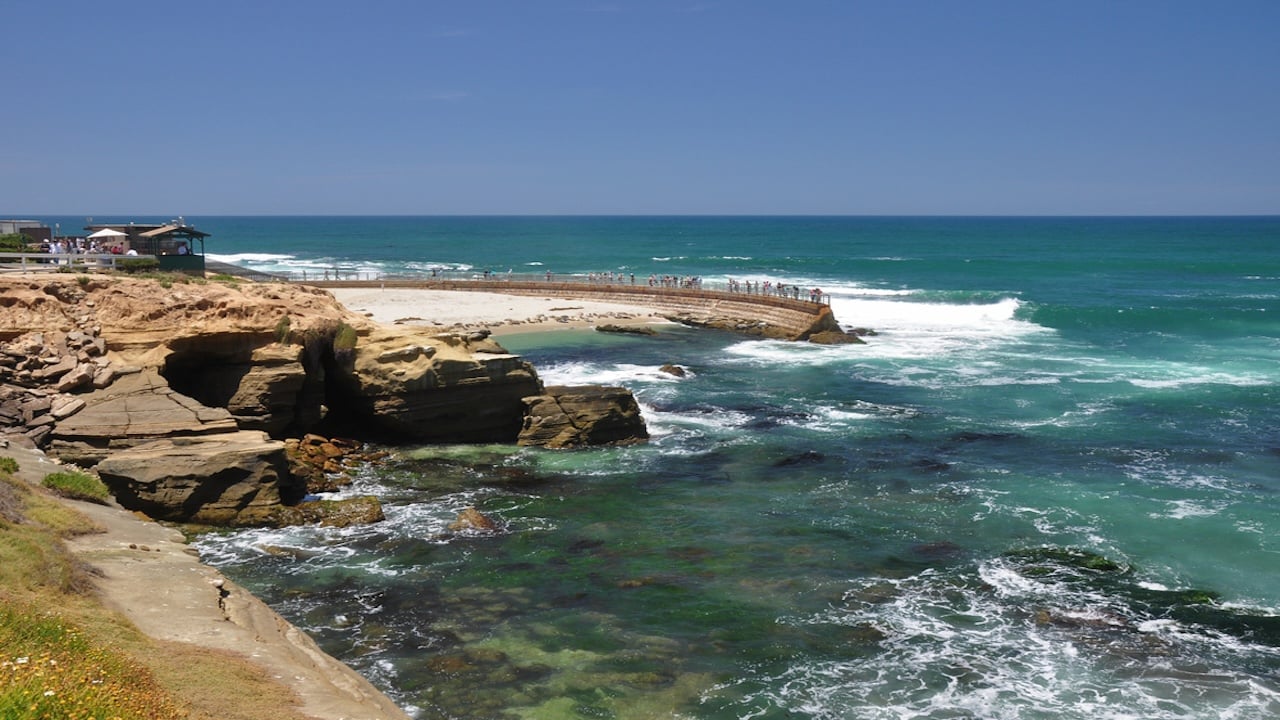
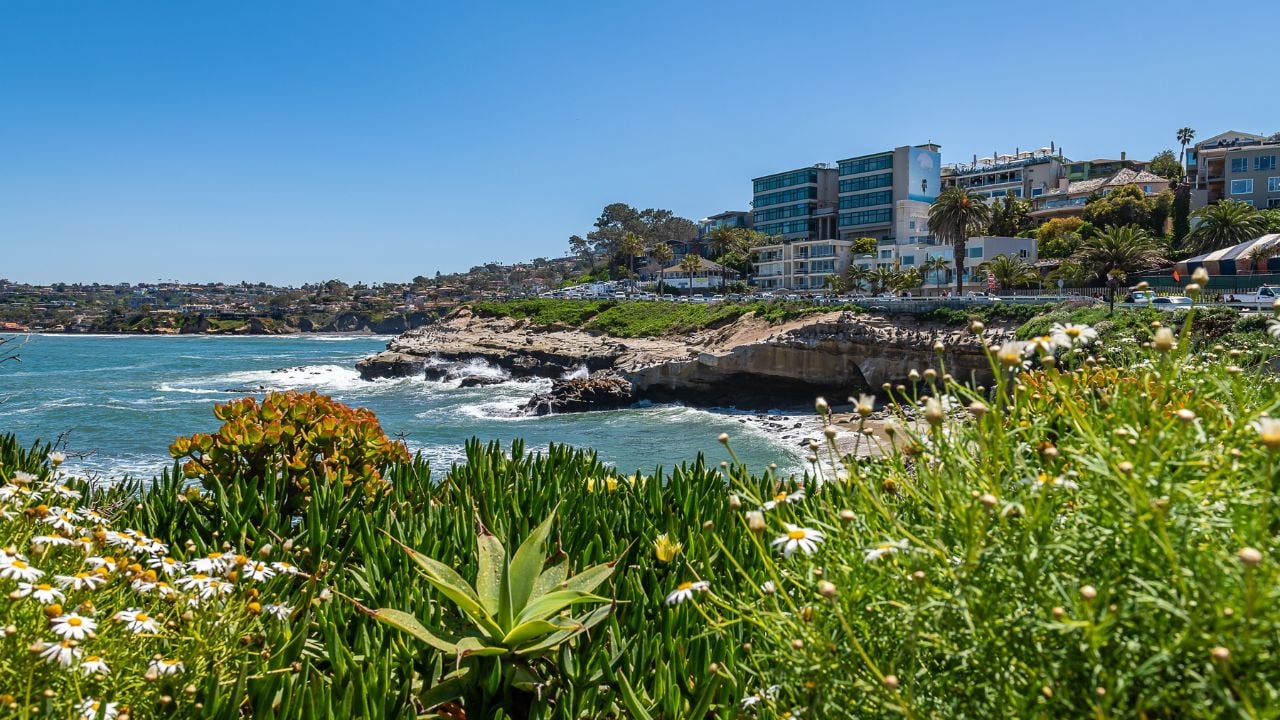
La Jolla sets an almost unfair standard for itself. San Diego tourism calls it “the jewel” of the city, and the City of San Diego describes La Jolla Cove as a very small beach tucked between sandstone cliffs and one of the most photographed beaches in Southern California. That combination of beauty and scale creates enormous expectations before anyone even arrives.
Cloudwards suggests that beauty does not protect it from disappointment. La Jolla Cove ranked high in the overall complaint list and was one of the worst beaches in the study for cleanliness-related complaints. When a place is both tiny and famous, even moderate problems can feel much bigger than they would on a broader, less-hyped stretch of coast.
5. Panama City Beach, Florida
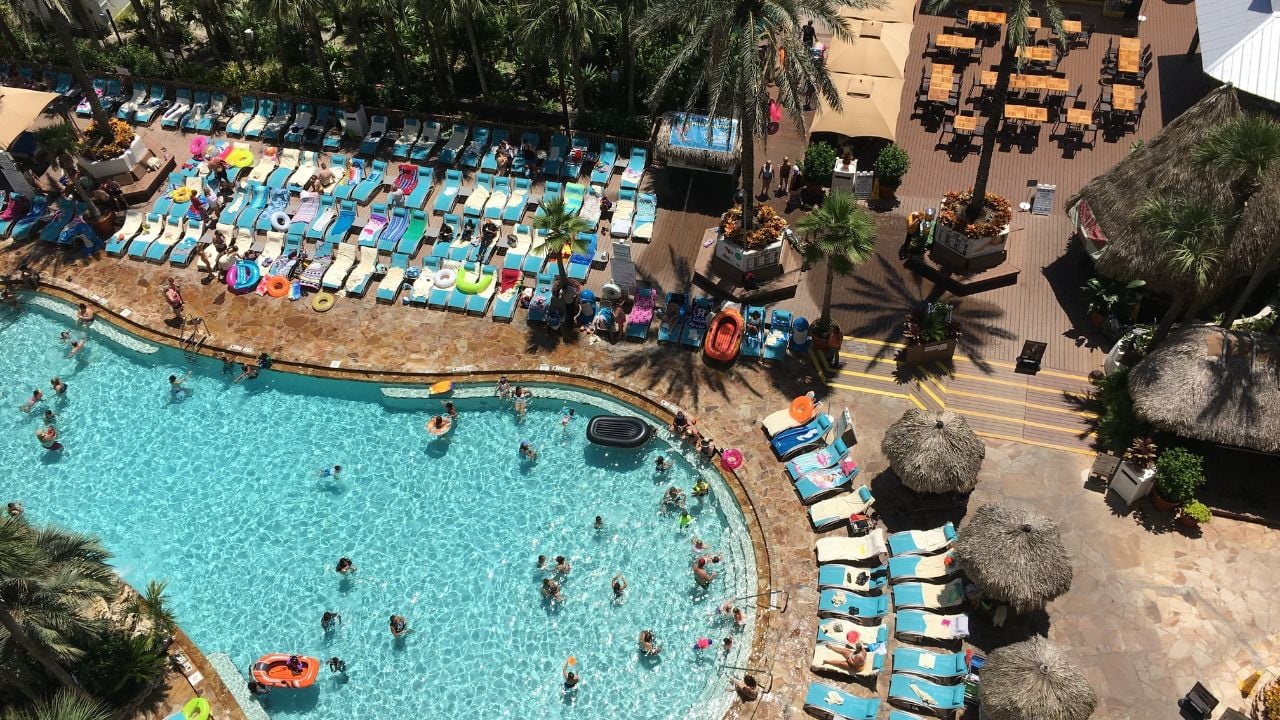
Panama City Beach still sells the bright, easy promise many Florida beachgoers want. Official destination marketing leans hard into 27 miles of white sand, turquoise water, and nonstop beach-town energy, while St. Andrews State Park is promoted as one of the area’s prize coastal escapes.
Yet the complaint pattern suggests that waiting can become part of the experience. In the Cloudwards report, St. Andrews State Park made the top ten globally for queue-related complaints. That does not make it a bad place. It does mean that a destination sold on easy beach fun can feel less breezy once lines, entry bottlenecks, and peak-time friction start shaping the day.
6. Ocean City, Maryland

Ocean City remains one of the East Coast’s most established family beach towns. Its official tourism site highlights 10 miles of coastline, the boardwalk, and the sort of broad seasonal energy that has kept the place popular for generations. For travelers who want a classic Mid-Atlantic beach trip, that abundance is part of the draw.
The tradeoff is obvious enough. A place built around boardwalk buzz, rides, nightlife, and a packed summer calendar will not always feel gentle on the senses. Cloudwards flagged Ocean City Beach for noise and disruption complaints, which makes sense for a destination that is charming precisely because it is lively. The catch is that lively and restful are not the same thing.
7. Koloa / Poʻipū, Hawaii
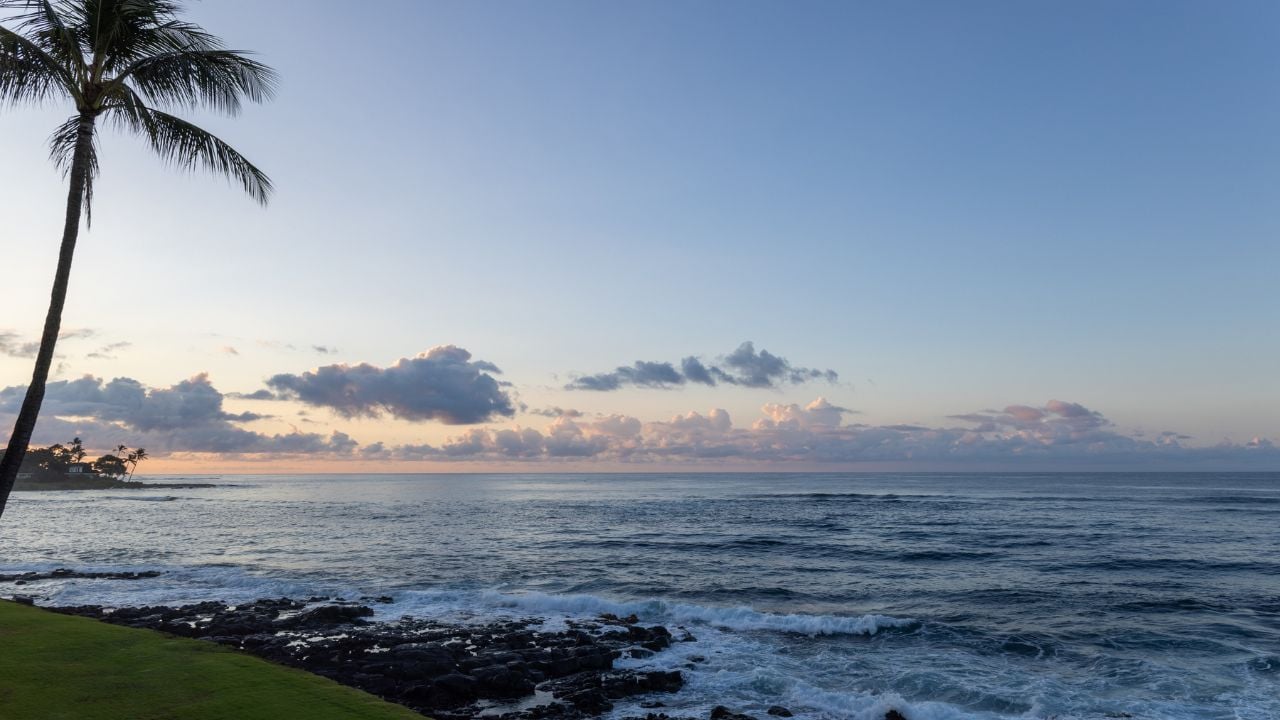
Poʻipū Beach Park has the sort of reputation that raises expectations quickly. Hawaiʻi’s official tourism site presents it as one of Kauaʻi’s most popular beaches, with calm areas for families, lifeguards, snorkeling, and even the occasional monk seal sighting. It sounds exactly like the kind of beach that should deliver a smooth, sunny island day.
According to Cloudwards, popularity is also the source of the friction. Poʻipū Beach Park appeared twice in the study’s global top ten for overcrowding complaints, likely reflecting different sections of the same beach. In plain terms, that means many unhappy reviews were not about scenery at all. They were about too many people showing up to enjoy it at once.
The takeaway is not that these destinations are overrated in every possible way. It is that some of America’s most famous beach towns are easiest to enjoy when you arrive with realistic expectations, smarter timing, and a willingness to look beyond the single signature beach that built the town’s reputation in the first place.