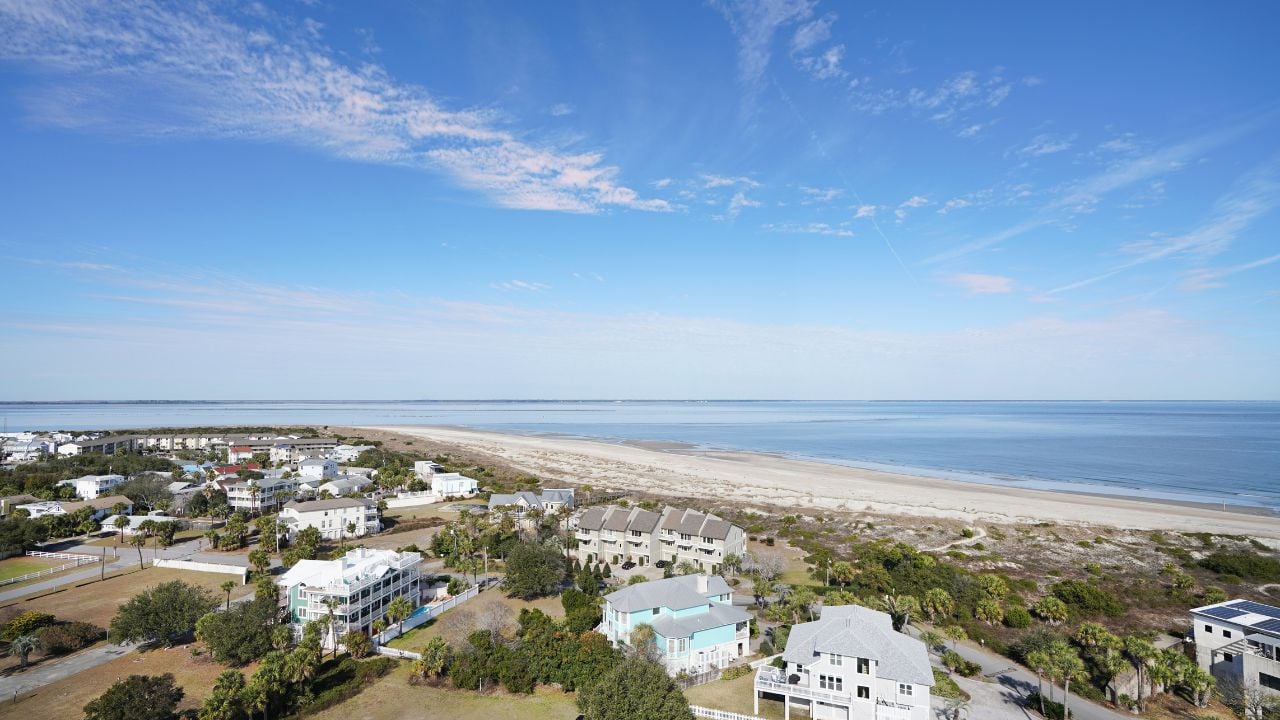
A beach town can look perfect from a distance. Clear water, open sand, sunset bars, seafood restaurants, and cute streets make it easy to imagine a relaxed escape. The real trip can bring traffic, noise, packed beaches, rising prices, parking problems, and residents who feel daily life has become harder.
Visitors do not need to avoid every crowded coastal place. Many of these towns and islands are still beautiful, but they need better timing, legal lodging, quieter behavior, and more awareness of local limits.
The pressure is now visible through spring-break crackdowns, beach-access rules, rental caps, cruise limits, traffic controls, illegal-rental inspections, and extra police planning around major events.
These seven beach towns and coastal hotspots remain popular, but visitors should not treat them as casual playgrounds with no permanent community behind the view.
1. Miami Beach, Florida

Miami Beach has spent years trying to separate its beach image from the chaos of peak spring break. The city has sand, Art Deco hotels, nightlife, restaurants, and warm weather, but March now comes with stricter rules in the busiest areas.
The city’s official spring break beach rules say that every Thursday through Sunday throughout March 2026, Ocean Drive beach entrances are limited to 5th, 7th, 8th, 10th, 12th, and 14th streets, with security checkpoints for prohibited items. The same page lists coolers, glass containers, inflatable devices, tents, tables, loud music, cigarettes, and similar items among the beach restrictions.
The rules make the city’s message clear. Miami Beach wants visitors, but it does not want the beach and nearby streets treated like an unregulated party zone.
Travelers who want an easier trip should avoid peak spring-break weekends, follow posted beach rules, and remember that South Beach is surrounded by homes, hotels, workers, and local routines. A beach weekend goes better when visitors do not arrive expecting the city to absorb unlimited noise and crowding.
2. Palma and Playa de Palma, Mallorca
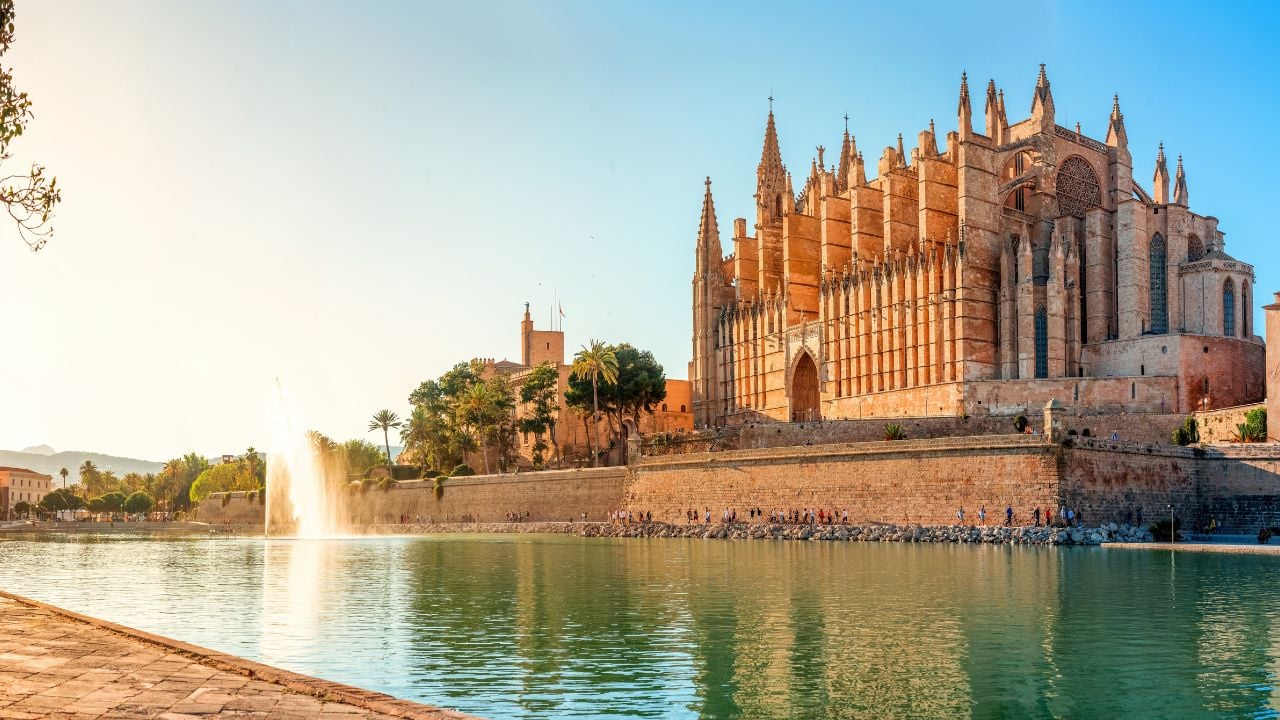
Mallorca has become one of Europe’s clearest examples of residents pushing back against beach overcrowding. The island has coves, resorts, old towns, mountain roads, and Mediterranean water, but heavy visitor demand has changed how many locals experience their own coast.
The beach-management debate reached the sand itself in 2025. The Independent wrote that Palma was removing 1,644 loungers from four beaches, with Playa de Palma reduced from 6,000 sunbeds to 4,436.
Housing pressure adds another layer. In a June 2025 AP account of Spain’s coordinated tourism protests, around 5,000 people were described as gathering in Palma, with demonstrators blaming mass tourism for soaring housing costs.
The issue is not one visitor enjoying a beach day. The pressure comes from thousands of short stays, holiday rentals, party behavior, crowded streets, and local services shaped around visitor demand. Travelers can reduce friction by booking legal lodging, avoiding party-heavy areas, visiting outside peak months, and spending money in local businesses beyond the beachfront strip.
3. Santorini, Greece

Santorini is not a classic beach town, but it is one of the world’s most famous coastal vacation spots. The island’s cliffside lanes, caldera viewpoints, and sunset corners are small, while global demand remains huge.
The Municipal Port Fund of Thira’s 2025-2026 cruise policy says the maximum number of cruise passengers visiting Santorini on the same day will not exceed 8,000 passengers or visitors in 2026.
A cap does not remove crowd pressure from the narrowest parts of the island. Short cruise windows can send large numbers of visitors toward Fira, Oia, cable cars, and sunset viewpoints within the same few hours.
Visitors who want a calmer Santorini trip should stay overnight, check the port’s cruise schedule, walk early, and spend time beyond the most repeated Oia photo route. Pyrgos, Akrotiri, Imerovigli, and the black-sand beach areas can give the island more room than the most crowded caldera corners.
4. Positano and the Amalfi Coast, Italy
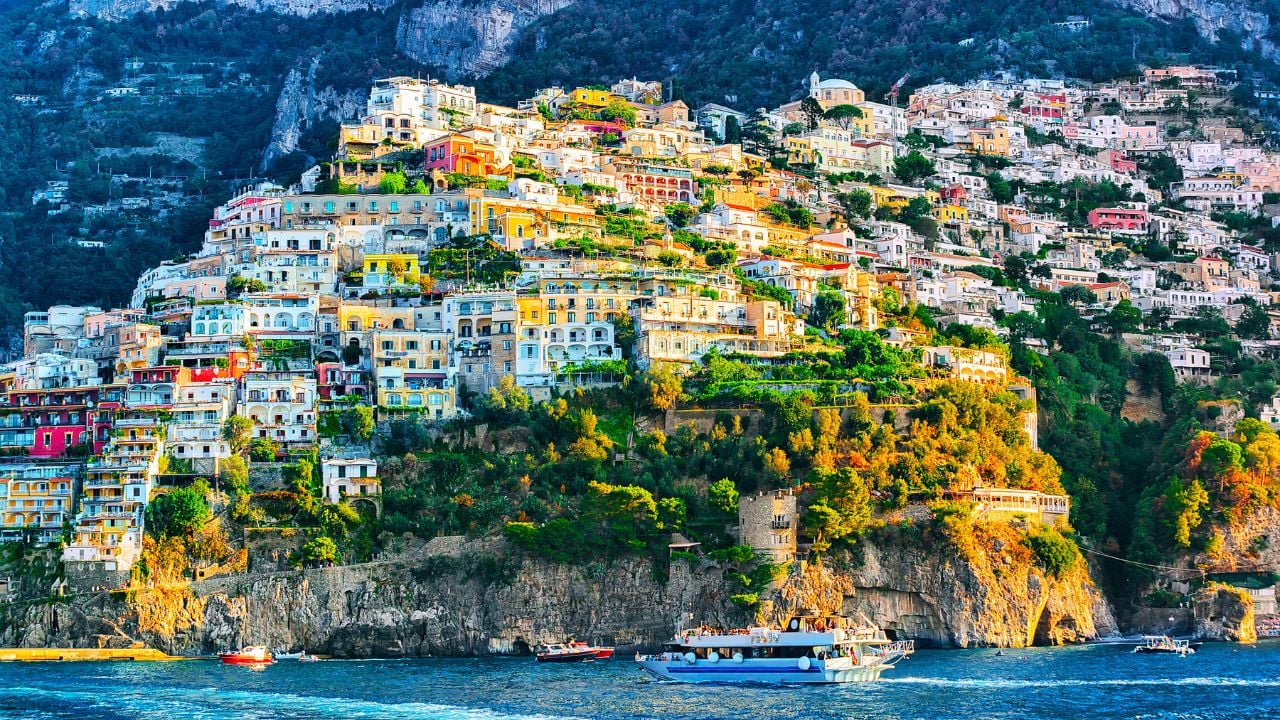
Positano looks dreamy online, with pastel houses stacked above the sea and beach clubs tucked below the cliffs. The hardest part is movement: the coast depends on narrow roads, small villages, limited parking, buses, scooters, taxis, luggage, and day-trippers using the same corridor.
The Amalfi Coast District’s 2025 traffic regulation describes an alternating license-plate system on the SS163 Amalfi Coast Drive from Positano to Vietri sul Mare during busy periods. The same document says vehicles longer than 10.36 meters are banned from 6:30 a.m. to midnight all year, with certain exemptions.
The rule exists because the road has limited space. A traveler who imagines an easy spontaneous drive can end up spending more time in traffic than on the beach or at a viewpoint.
A better Amalfi Coast plan uses ferries where practical, avoids peak driving windows, confirms road rules with lodging, and spends more than a few rushed hours in one town. Positano is easier to enjoy when visitors stop treating the coast as a quick photo loop.
5. Byron Bay, Australia

Byron Bay built its reputation on surf, wellness, beaches, music, and a relaxed creative scene. The same reputation helped turn it into one of Australia’s most pressured coastal towns.
Byron Shire’s official short-term rental accommodation guidance says that from September 23, 2024, a 60-day-per-year limit applies to non-hosted short-term rental accommodation across most of the shire for new registrations. The council notes that mapped precincts in Byron Bay and Brunswick Heads are exempt from that 60-day cap.
The rule shows how tourism pressure has moved beyond crowded beaches. When visitor rentals compete with long-term housing, locals feel the change in weekly rent, worker availability, neighborhood stability, and basic community life.
Travelers may still find the Byron they came for, but the town is not the sleepy escape many people imagine. Booking legal accommodation, staying longer, eating and shopping locally, and avoiding loud party behavior helps reduce the strain on a small coastal community.
6. Ibiza, Spain
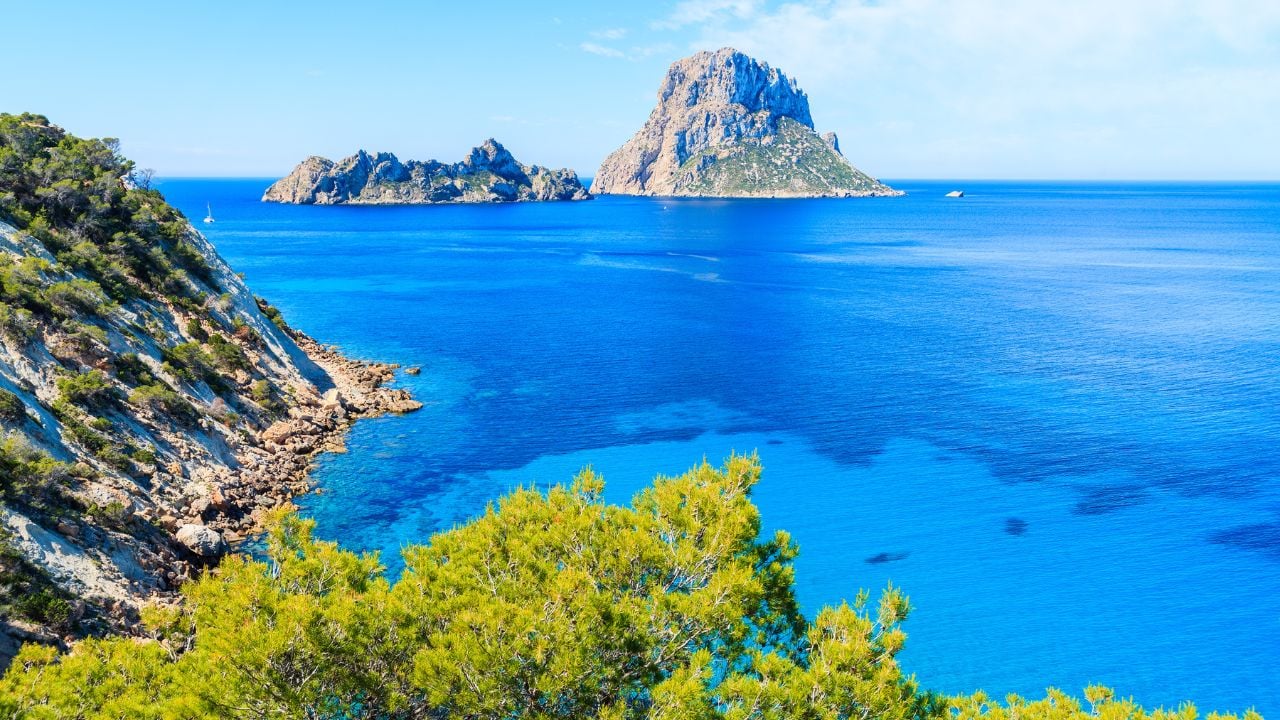
Ibiza has beaches, coves, whitewashed villages, nightlife, and one of the world’s strongest party reputations. For many residents, the same mix has created pressure around housing, noise, illegal rentals, and crowded public spaces.
The island’s official tourism site says Ibiza’s Crash Plan Against Illegal Holiday Homes, approved in November 2024, has increased controls and inspection resources for illegal tourist accommodation. The same page connects clandestine holiday homes with pressure on service quality, destination reputation, accessible housing, and overcrowding.
The backlash is part of a wider southern European movement. Reuters described coordinated June 2025 protests against tourism levels planned across Spain, Portugal, and Italy, including Spanish destinations such as Palma and Ibiza.
Ibiza can feel very different away from the loudest nightlife zones, but visitors should not ignore the island’s housing and behavior debates. Legal lodging, quieter beaches, local restaurants, and respect for residential areas matter more than a cheap unlicensed rental near the party strip.
7. Tybee Island, Georgia

Tybee Island is a small beach community near Savannah, and its size becomes a major issue during large events. The island can feel relaxed on a normal day, but spring gatherings have created years of tension around traffic, safety, trash, and crowd control.
An AP report on Orange Crush said weekend crowds of up to 48,000 people a day had overwhelmed the 3-mile island, leading to emergency calls about gunfire, drug overdoses, traffic jams, and fights. The same account described roadblocks and added police as part of the island’s response.
That kind of pressure changes the visitor experience for everyone. A town with roughly a few thousand residents cannot absorb a huge crowd the same way a large city can.
Travelers who come for the beach should plan around official event rules, avoid leaving trash, respect neighborhoods, and expect traffic controls during major weekends. Small islands have limited roads, limited parking, limited emergency capacity, and limited tolerance for visitors who treat the town like a disposable party site.