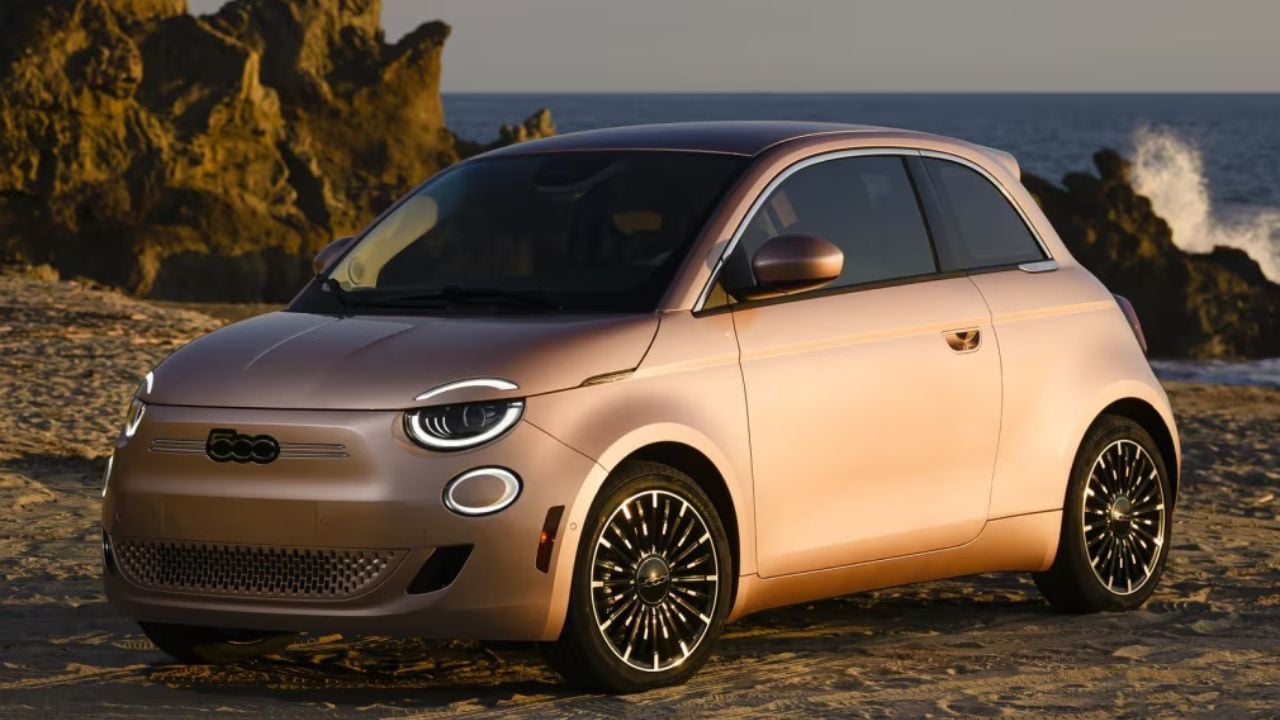
The price of a small battery-powered city car rarely captures broad attention, but the Fiat 500e shows how unpredictable the market can be when high pricing meets limited demand.
Fiat, part of the Stellantis group, introduced this fully electric hatchback in March 2020 with the ambition of attracting urban buyers looking for style and sustainability. The reality of the U.S. market, however, has been much tougher. Sales have often run below expectations, to the point that production has been temporarily paused more than once.
Even so, the model survives, and it remains the only Fiat currently offered in the United States. Just 1,141 examples were sold during 2025. That represented a 17.6% increase, but it still left the 500e far behind once familiar small car names such as the Nissan Versa and Mini Cooper.
A Noticeably Higher Price For 2026
Fiat is bringing an updated version for the 2026 model year, but one change could make the small EV’s market position even more difficult. The price is going up significantly.
The base version now starts at $35,700, while the more expensive variant costs at least $37,700. That represents a jump of about $5,200 compared with the previous year.
For a car this small, that increase matters. The 500e has always relied heavily on personality, design, and city-friendly dimensions. At this price level, however, buyers are likely to compare it with larger electric vehicles, hybrids, and even compact crossovers that offer more space, more range, or stronger performance.
Subtle Styling Updates And Familiar Cabin Tech
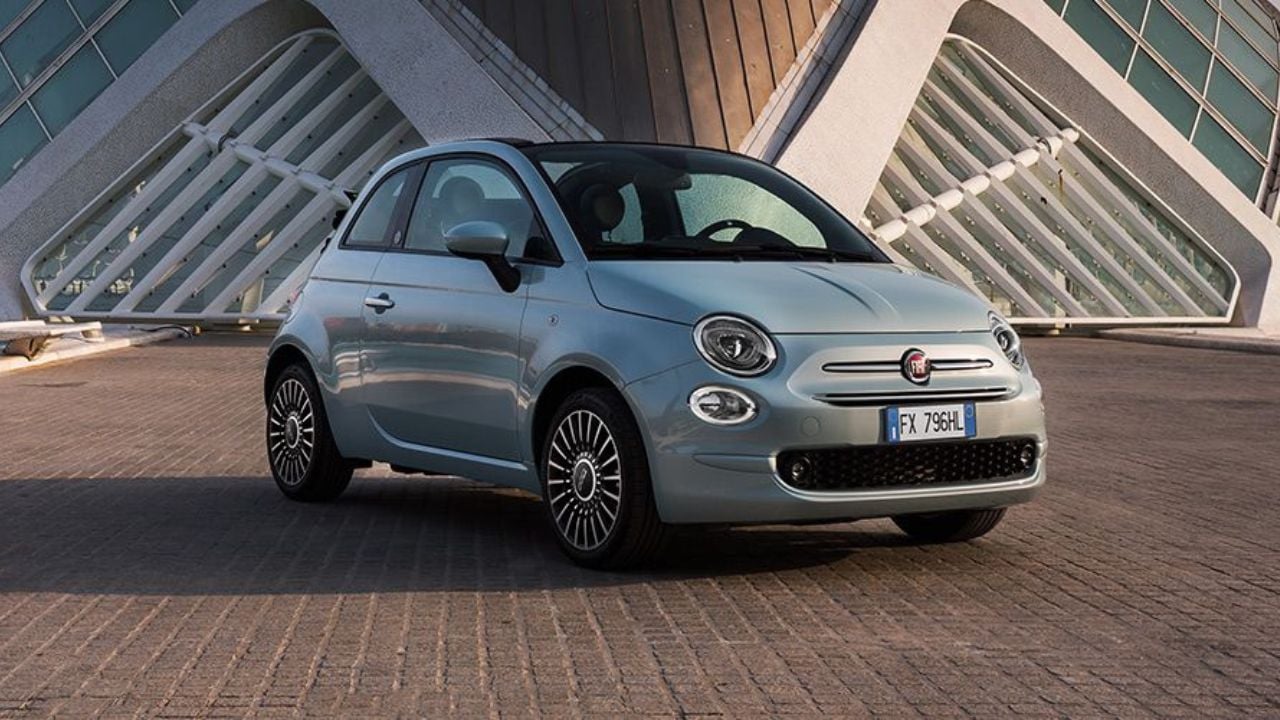
The visual changes are subtle but noticeable. Fiat has expanded the color palette with a new shade called Miami Sunset, which joins the existing gold and green options.
Inside, the 500e stays loyal to a modern minimalist approach. The cabin features a 7-inch digital instrument cluster and a 10.25-inch central touchscreen.
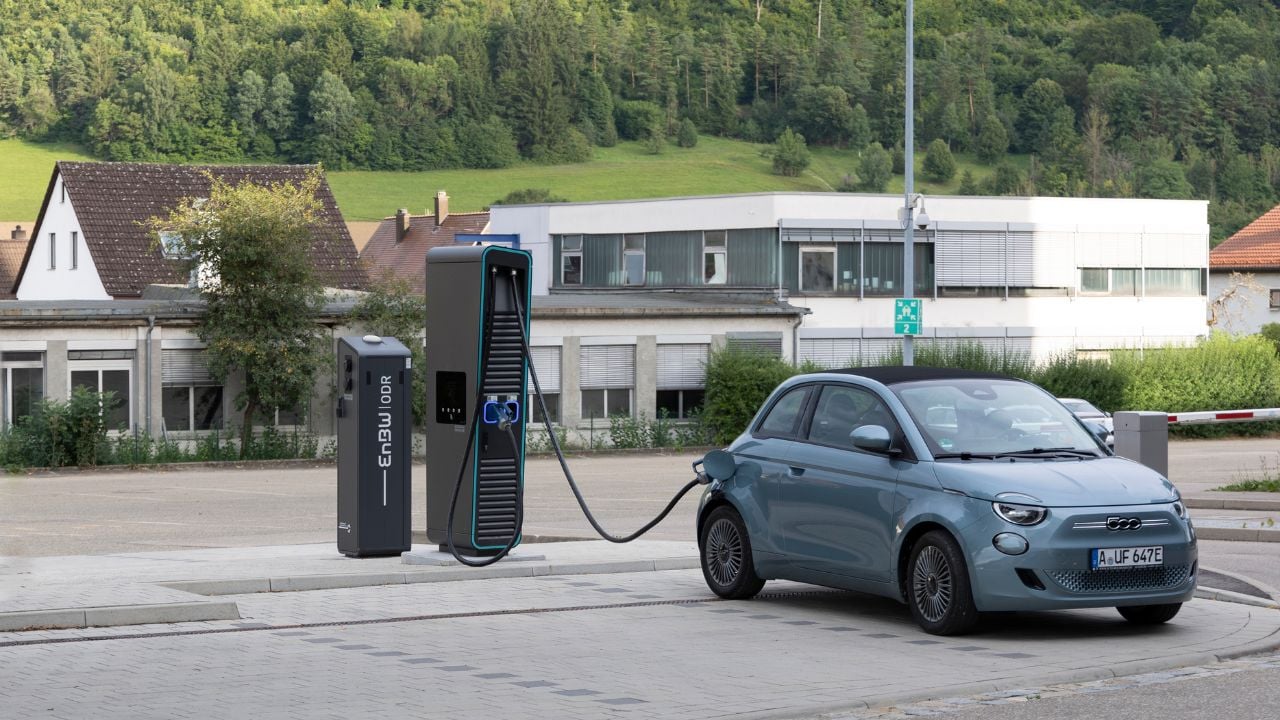
One of the more interesting updates is compatibility with the Tesla Supercharger network through the use of a NACS adapter. That could make the car easier to live with in the United States, where charging access often plays a major role in an EV purchase decision.
For a small urban electric car, broader charging access helps reduce one of the most common concerns among potential buyers. Even if most owners use the 500e mainly around town, access to a larger charging network still improves confidence.
The Mechanical Package Stays The Same

Mechanically, the Fiat 500e remains unchanged. Its electric motor produces 119 hp and 162 lb ft of torque, which is enough for relaxed city driving and quick movement through traffic.
The 42 kWh battery provides about 149 miles of range. Acceleration from 0 to 60 mph takes 8.5 seconds, which is perfectly acceptable for urban use, but far from sporty.
That is where the challenge becomes clear. The 500e is charming, compact, and easy to place in tight city streets, but the market is increasingly unforgiving. For more than $35,000, many buyers expect a longer range, more cabin space, or stronger performance.
A Charming Car Facing A Tough Market
In that context, the Fiat 500e remains more of an emotional purchase than a purely rational one. It appeals to buyers who like its design, heritage, and distinctive personality, rather than those who are simply looking for the most EV per dollar.
Fiat is clearly counting on charm, style, and brand identity. The question is how long that will be enough.
As battery-electric cars become more competitive and more affordable, the small Italian hatchback faces a serious test. In a market where buyers are increasingly shopping with calculators instead of their hearts, the 500e now has to justify a price that is anything but small.
This article originally appeared on Autorepublika.com and has been republished with permission by Guessing Headlights. AI-assisted translation was used, followed by human editing and review.