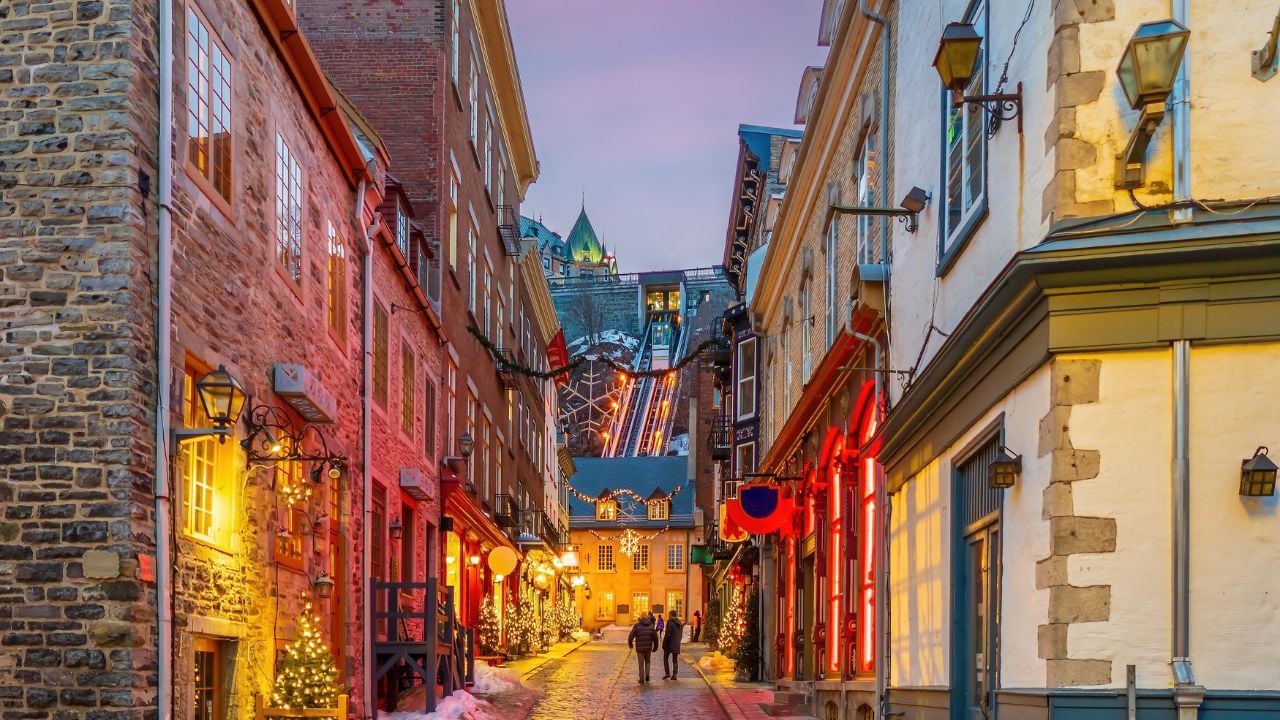
A destination can prove itself quickly when the first usable route sits close to the hotel. Coffee, a market street, a river, a beach, a park, a plaza, or a waterfront dinner should be reachable without turning the opening day into a transport project.
Porto gives travelers the Douro, Ribeira, Miragaia, Galeria de Paris, Rua Miguel Bombarda, and Vila Nova de Gaia in a city built on steep but compact routes. Ljubljana puts Prešeren Square, Triple Bridge, the Ljubljanica River, the market area, cafés, and castle access inside a small capital center.
Charleston can divide a short stay between the historic district and nearby beach towns such as Folly Beach, Sullivan’s Island, Isle of Palms, Kiawah Island, and Seabrook Island. Québec City gives visitors Old Québec, fortifications, cobblestone streets, cafés, terraces, and river views inside a compact historic district.
San Diego can split the trip between Balboa Park, beaches, downtown, Little Italy, the harbor, and coastal neighborhoods. Santa Fe can use the Plaza and Downtown area for restaurants, galleries, museums, bookstores, and the Palace of the Governors before adding Canyon Road as a separate block. Copenhagen connects harbor routes, public transport, cycling, food, design, and neighborhood restaurants without requiring a car.
1. Porto, Portugal

Porto’s opening route should start high and finish by the river. Visit Portugal recommends spending time around Ribeira, Miragaia, Galeria de Paris, Rua Miguel Bombarda, Parque da Cidade, the beaches and café terraces near the mouth of the Douro, and the riverfront. That range gives travelers food streets, art areas, river views, and evening routes without sending them far from the city.
A practical walk can start near São Bento, continue toward the Cathedral, drop through old streets to Ribeira, cross Dom Luís I Bridge, and end with views from Vila Nova de Gaia. The downhill route is easier than the return, so dinner location, taxi options, or a metro connection should be decided before the evening climb.
Miragaia and Ribeira suit a slower riverside block, while Galeria de Paris and Rua Miguel Bombarda point the day toward cafés, shops, bars, galleries, and design stops. Travelers should choose one of those directions after lunch instead of trying to cover the riverfront, beaches, art streets, and nightlife in one loop.
Porto’s main warning is terrain. Stone streets, steep lanes, bridge crossings, and hotel location can change how long a short route feels. A central stay near São Bento, Aliados, Trindade, Ribeira, or a convenient metro stop reduces unnecessary climbing with luggage.
2. Ljubljana, Slovenia
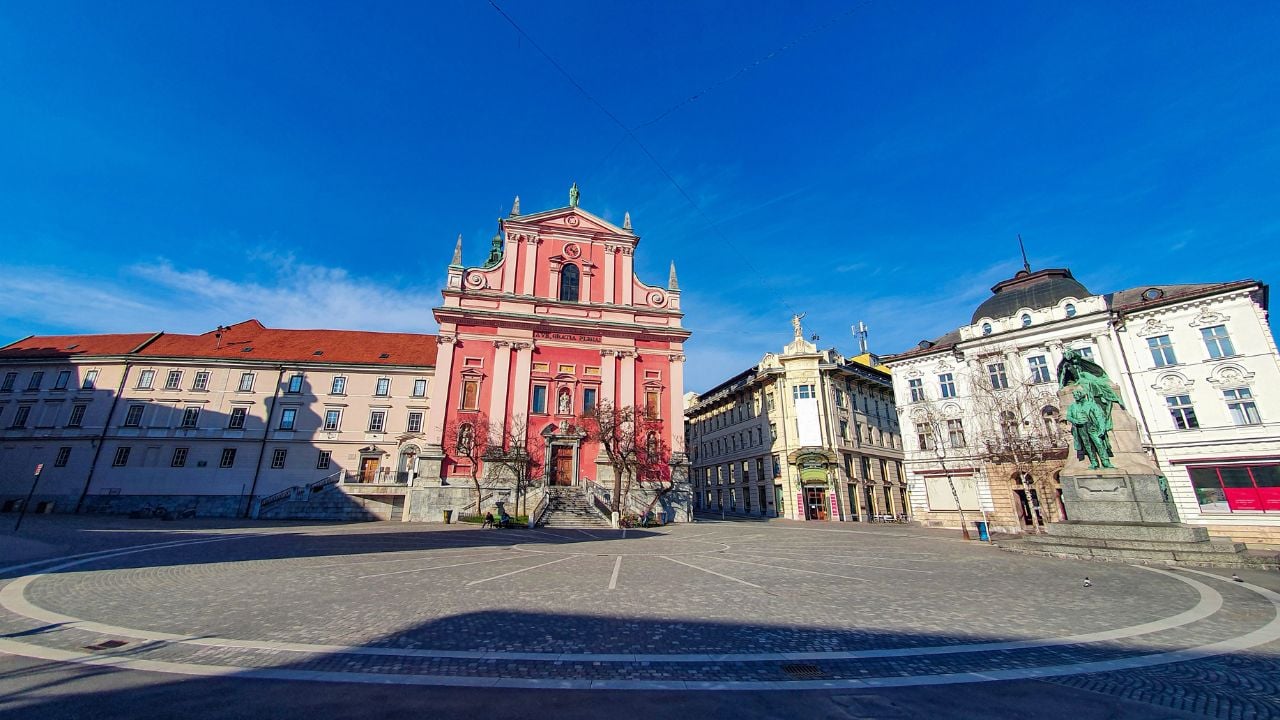
Ljubljana gives travelers a small capital route with a clear starting point. Visit Ljubljana’s Old Town walking tour begins at Prešeren Square and highlights Triple Bridge as the connection between the historic Old Town and the modern city center over the Ljubljanica River.
A short stay can use that same structure without booking a formal tour. Prešeren Square, Triple Bridge, the riverfront, Central Market, Dragon Bridge, riverside cafés, old streets, and the castle funicular can fit into one central plan.
The city center also removes regular car traffic from the main visitor area. Visit Ljubljana says the center has been closed to motor traffic since 2007 and includes 20 hectares of pedestrian zones, described as the largest car-free area in the European Union.
Regional trips should stay separate from the capital’s central route. Lake Bled, caves, Alpine drives, and the coast need different timing, while Ljubljana’s old center can carry a full day through the river, bridges, market, castle access, and dinner nearby.
3. Charleston, South Carolina

Charleston’s best short-stay decision is whether to sleep downtown or near the beach. The official Charleston tourism site lists historic inns, beachside resorts, hotels, beach rentals, sights, and attractions across the area. A downtown base suits restaurants, historic streets, harbor walks, and house museums. A beach base shifts more time toward sand, driving, and coastal meals.
The beach side of the trip needs its own block. Charleston’s tourism site lists five area beach towns: Isle of Palms, Kiawah Island, Seabrook Island, Sullivan’s Island, and Folly Beach. Folly Beach, Sullivan’s Island, and Isle of Palms work better as planned beach outings than as quick add-ons after a full historic-district day.
Downtown can carry a separate route through King Street, the Charleston City Market area, Waterfront Park, Rainbow Row, church streets, restaurants, and house museums. Dinner reservations should be made before busy weekends, especially when the hotel is not within walking distance of the restaurant.
A split trip should not overload the same afternoon. Fort Sumter, harbor cruises, plantation or museum visits, beach towns, and downtown dinner all need different travel times. A clean weekend plan gives one block to the historic district and another to the water.
4. Québec City, Canada
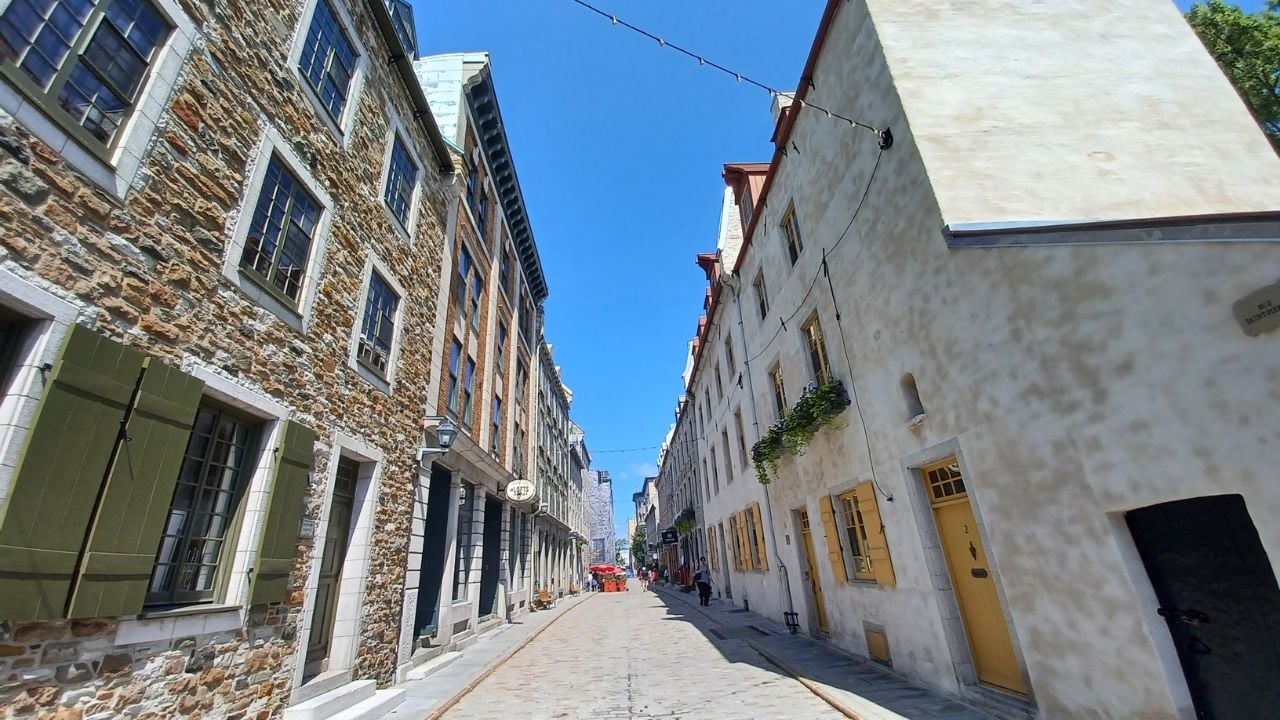
Québec City gives travelers a defined historic core instead of a spread-out first route. Québec City Tourism describes Old Québec as the only fortified city north of Mexico and tells visitors to wear comfortable shoes and follow their own path through its architectural streets.
A central route can include Château Frontenac, Dufferin Terrace, the fortifications, church stops, shops, cafés, Place Royale, the Old Port, and river views. The old-city portion does not require a car when the hotel sits close to Upper Town or Lower Town.
Québec City Tourism also describes Old Québec as a UNESCO World Heritage treasure that is walkable and safe, with cobblestone streets and more than 400 years of history. That compact layout suits a weekend plan focused on walking, meals, viewpoints, and historic streets.
The terrain is the main planning issue. Upper Town and Lower Town involve hills, stairs, cobblestones, winter ice, and elevation changes. Travelers with mobility concerns should check the exact hotel street before booking, not just the phrase “near Old Québec.”
5. San Diego, California

San Diego needs a day-by-day split between park, coast, and downtown or harbor time. The San Diego Tourism Authority says Balboa Park covers 1,200 acres and includes 18 museums, gardens, and the San Diego Zoo, with a location only blocks from downtown hotels.
Balboa Park can take a full block with museums, gardens, zoo time, architecture, and dinner nearby. Trying to combine it with La Jolla, Coronado, and a long beach afternoon on the same day creates unnecessary movement across different parts of the city.
The coast should be planned separately. La Jolla gives travelers coves and coastal walks, Coronado brings beach and bay time, and Pacific Beach or Mission Beach can serve a more casual beach day. A downtown hotel can still work, but coastal movement may require rideshare, a rental car, or a planned transit route.
Parking should be checked before driving to beaches or Balboa Park on weekends, holidays, and summer afternoons. A short stay works better with one park block, one coastal block, and one downtown, harbor, Little Italy, or Gaslamp Quarter block.
6. Santa Fe, New Mexico
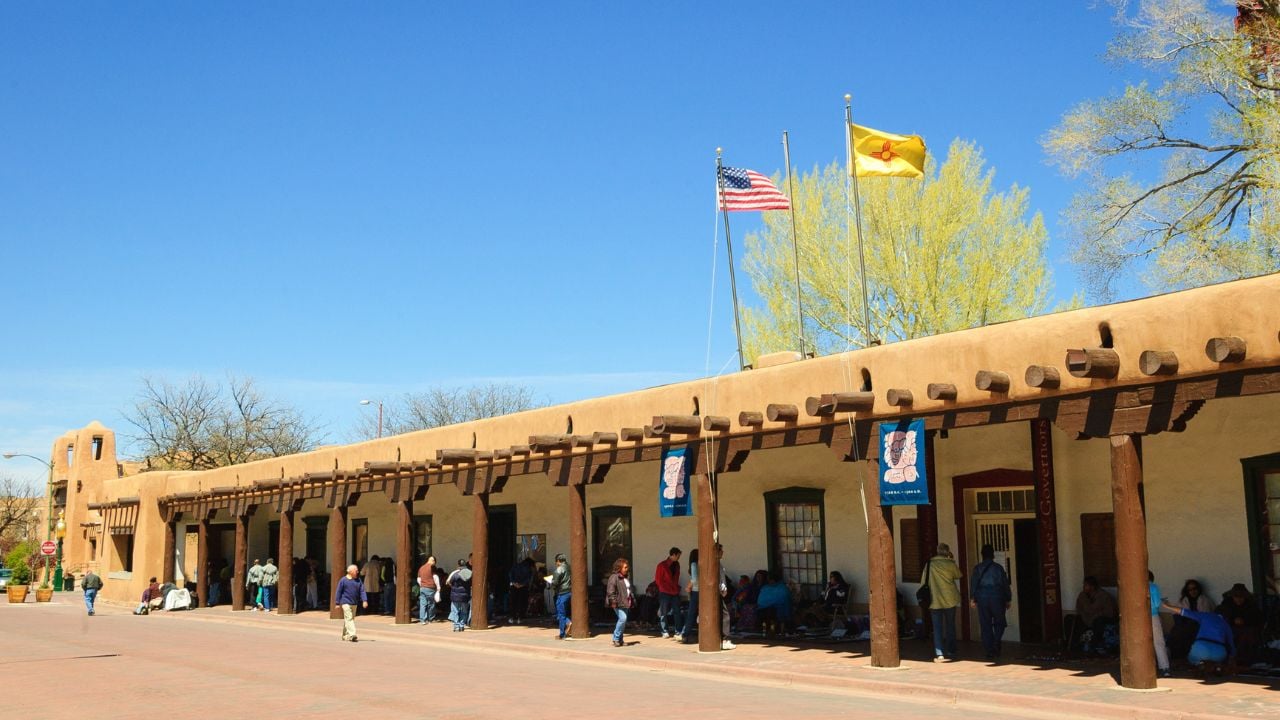
Santa Fe’s first route should stay close to the Plaza and Downtown area. Tourism Santa Fe describes Plaza and Downtown as the original city center, with the historic Plaza, the Palace of the Governors, classic architecture, restaurants, galleries, boutiques, bookstores, museums, and hotels nearby.
A Plaza-based plan can include Palace Avenue, the Palace of the Governors area, the Cathedral Basilica area, central galleries, restaurants, and nearby museums. A hotel near the Plaza reduces driving between dinner, shops, galleries, and museum stops.
Canyon Road needs a separate half-day. Tourism Santa Fe says Canyon Road has more than 100 galleries along a half-mile, tree-lined, pedestrian-friendly stretch. Travelers who want galleries, courtyards, studios, adobe buildings, and restaurants should give that area enough time instead of treating it as a short stop after downtown.
Outdoor plans around Santa Fe need altitude, sun, weather, and drive-time checks. Hikes, spa stops, high-desert scenery, and regional drives should not be stacked onto the same day as a full Plaza-and-Canyon-Road plan.
7. Copenhagen, Denmark

Copenhagen gives travelers several ways to move without relying on taxis. Visit Copenhagen says biking and public transport are the two easiest and fastest ways to get around, with the metro connecting the city.
A central plan can start near the harbor, continue toward shops or museums, and end in a neighborhood restaurant. Nyhavn, Christianshavn, Vesterbro, Nørrebro, and the harbor areas all offer different routes, so travelers should choose one part of the city for each block instead of crossing town repeatedly.
Visitors using bikes should check the route before joining commuter traffic. Copenhagen’s bike culture is efficient, but lane direction, signals, rush periods, and parking rules still require attention. Travelers who do not want to cycle can use metro, buses, trains, harbour buses, and walking routes.
A hotel near a metro stop makes the trip easier on arrival and at night. Airport access, dinner areas, harbor walks, and neighborhood routes all become simpler when the room sits close to transit rather than far from the center.