
A three- or four-day trip leaves little room for wasted movement. One long transfer can cut into a museum visit, dinner reservation, beach afternoon, or scenic drive. A long-weekend destination needs a central base, short routes between major stops, enough restaurants for several meals, and at least one half-day option outside the main walking area.
Charleston can divide a weekend between the historic district, harbor views, restaurants, and a beach or barrier-island outing. Savannah keeps River Street, City Market, restored buildings, public squares, restaurants, and monuments inside the Historic Landmark District. Santa Fe can build three days around the Plaza, Canyon Road, downtown museums, chile-focused restaurants, and nearby high-desert drives or trails.
New Orleans can split three days between the French Quarter, Frenchmen Street, food, museums, the Garden District, City Park, and the riverfront. In San Diego, one day can go to Balboa Park, another to the coast, and the remaining time to downtown, the harbor, Little Italy, or the Gaslamp Quarter. Québec City puts Old Québec, fortifications, cafés, river views, and a walkable historic core within a short flight from New York or Toronto.
Asheville can divide a weekend between downtown food and music, Biltmore, the River Arts District, and nearby Blue Ridge Parkway drives. Each destination still needs hotel research, restaurant reservations, seasonal checks, and realistic daily routing.
1. Charleston, South Carolina

A Charleston weekend can start in the historic district, then add harbor time, restaurants, inns, and a beach-town outing. The official Charleston tourism site lists historic inns, beachside resorts, hotels, beach rentals, sights, and attractions across the area. Travelers can choose a downtown-focused stay, a beachside stay, or a split plan.
A first day can stay inside the historic core. King Street, the Charleston City Market area, Waterfront Park, Rainbow Row, church streets, house museums, and restaurant reservations can form a walking-focused route. Travelers should book dinner in advance on busy weekends, especially for restaurants in the historic core.
Discover South Carolina describes downtown Charleston as a weekend getaway built around award-winning restaurants, attractions, architecture, and historical sites. A second day can add Fort Sumter, a harbor cruise, a plantation or museum stop, or a beach outing at Folly Beach, Sullivan’s Island, or Isle of Palms.
Choose the base before booking. A downtown hotel reduces driving for restaurants, historic streets, and harbor walks. A beach stay adds sand and sunrise time, but it creates more driving when dinner, museums, or historic-district walks are the priority.
2. Savannah, Georgia

Savannah keeps much of a long-weekend route inside the Historic Landmark District. Visit Savannah says the district includes River Street, City Market, restored 18th- and 19th-century homes, museums, monuments, boutiques, restaurants, and 23 park squares. Those squares divide a walking day into short sections instead of one long route.
A first day can run from Forsyth Park through the squares toward City Market and River Street. Chippewa Square, Oglethorpe Square, Ellis Square, and nearby streets give travelers shade, monuments, benches, and short detours between food stops and historic buildings. The route stays manageable if visitors do not add Tybee Island or Bonaventure Cemetery on the same afternoon.
Visit Savannah’s guide to squares and parks says 23 of the original 24 squares remain today. With the squares inside the district, a weekend can include walking, lunch, a museum or house tour, dinner, and an evening ghost tour without constant transportation decisions.
Tybee Island, Bonaventure Cemetery, and farther-out restaurant reservations need separate time blocks. Travelers who want a no-car weekend should stay in or near the Historic District and use rideshare, a tour, or a planned transfer for stops outside the central grid.
3. Santa Fe, New Mexico
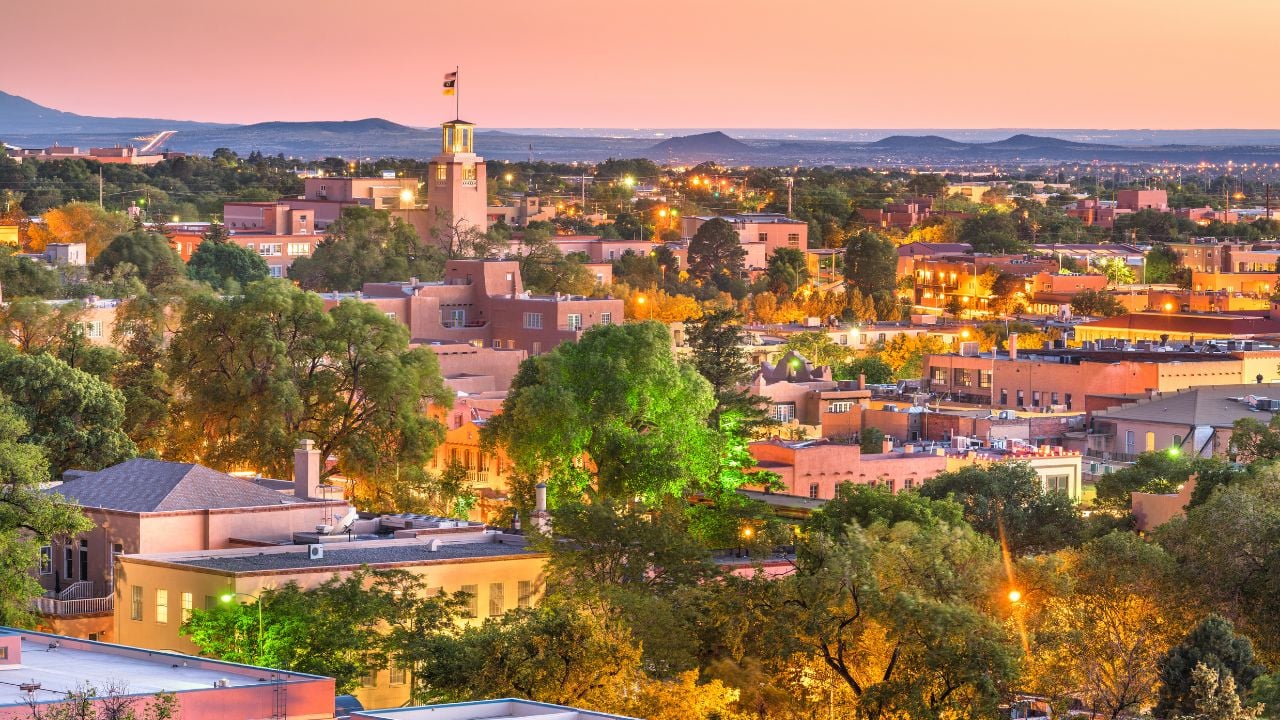
Start Santa Fe near the Plaza and Downtown area. Tourism Santa Fe describes the Plaza and Downtown area as the original city center, with the historic Plaza, the Palace of the Governors, classic architecture, restaurants, galleries, boutiques, bookstores, museums, and hotels nearby.
A first day can stay near the Plaza. Travelers can visit the Palace of the Governors area, walk past adobe storefronts, eat near downtown, and add the New Mexico Museum of Art, which the museum says is located at 107 West Palace Avenue, just off the downtown Plaza.
Use Canyon Road for the second day’s art route. Tourism Santa Fe says Canyon Road has more than 100 galleries along a half-mile, tree-lined, pedestrian-friendly stretch. Travelers can spend a half-day moving between galleries, courtyards, studios, restaurants, and adobe buildings without building the day around one formal museum visit.
A third day can go toward a spa, a food-focused plan, a nearby trail, a scenic drive, or the Railyard area. Travelers should check altitude, sun exposure, and driving distances before adding outdoor stops, because Santa Fe sits at high elevation and regional scenery can take more time than the downtown map suggests.
4. New Orleans, Louisiana
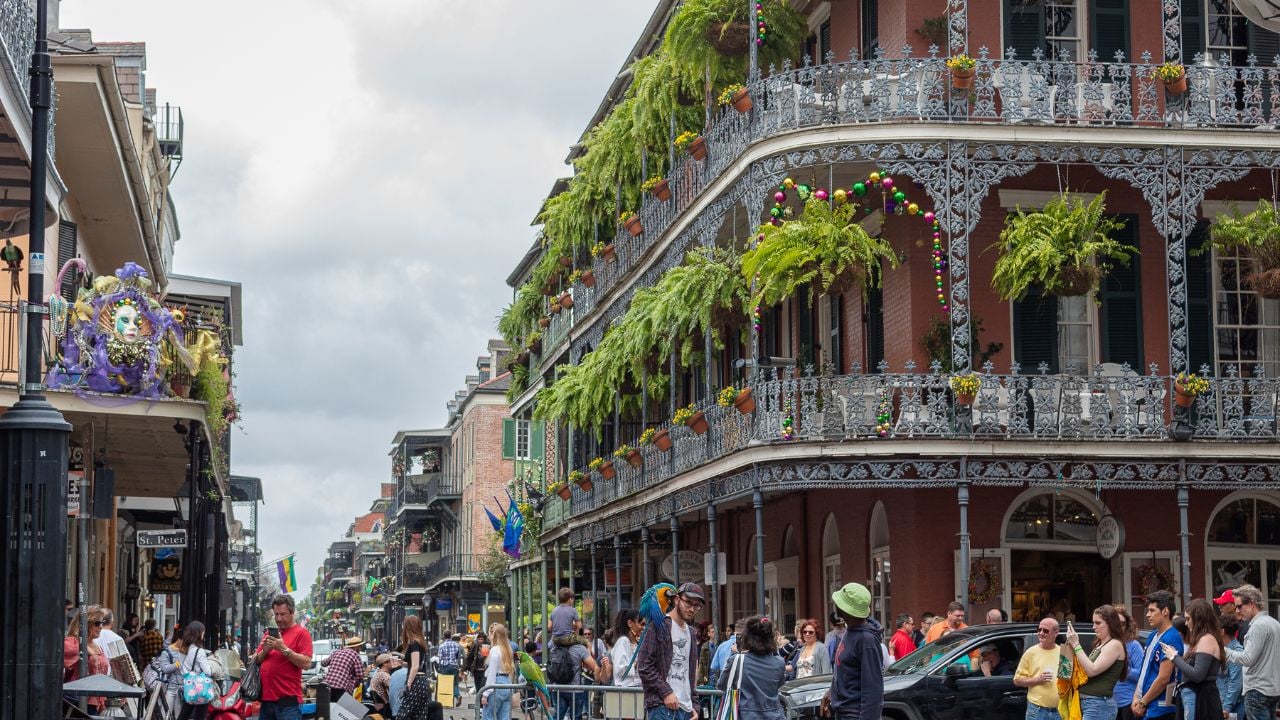
A three-day New Orleans plan should separate the French Quarter, Frenchmen Street, food stops, museums, and neighborhood walks. The official New Orleans tourism site highlights jazz in the French Quarter, Creole architecture, cuisine, festivals, oak-lined walks, beignets, and second line parades. Those activities can involve different streets, venues, neighborhoods, and event dates, so the weekend should be divided by area.
The first day can stay in the French Quarter with Jackson Square, Decatur Street, Royal Street, restaurants, bars, courtyards, and riverfront time. Bourbon Street should not be treated as the whole neighborhood. Travelers who want live music should also check Frenchmen Street, which New Orleans & Company describes as one of the city’s best streets for live music.
Use the second day for the Garden District, Magazine Street, museums, City Park, or a food-focused plan outside the Quarter. A third day can add a swamp tour, a riverfront stop, a neighborhood brunch, or a festival event if the timing fits.
The local calendar affects hotel prices, crowds, and neighborhood access. Visit The USA lists Mardi Gras, French Quarter Festival, and New Orleans Jazz & Heritage Festival among the city’s major celebrations. Travelers should check event dates before booking flights, especially for spring weekends.
5. San Diego, California
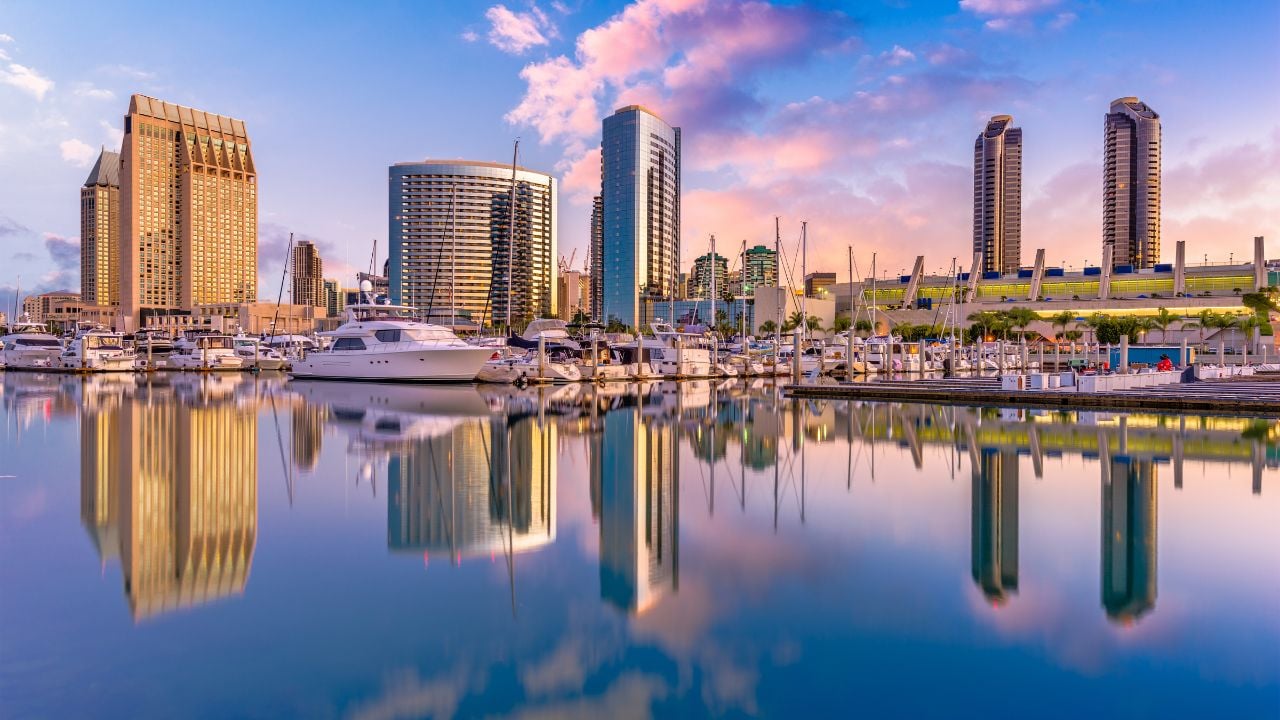
For a long weekend in San Diego, separate park, coast, and downtown or harbor time. The San Diego Tourism Authority says Balboa Park covers 1,200 acres and includes 18 museums, numerous gardens, the San Diego Zoo, and a location only blocks from downtown hotels. A full Balboa Park day can include museums, gardens, zoo time, and dinner nearby.
A first day can focus on Balboa Park, downtown hotels, Little Italy, the harbor, or the Gaslamp Quarter, depending on arrival time. Travelers should not stack Balboa Park, La Jolla, Coronado, and a long beach afternoon into the same day. Those areas sit in different directions and need separate blocks.
The coast can take the second day. La Jolla has coves and coastal walks, Coronado has beach and bay time, and Pacific Beach or Mission Beach can take a more casual beach-focused day. A rideshare or rental car can be useful for coastal movement if the hotel is downtown.
A third day can use the San Diego Zoo, a museum stop, a harbor cruise, tacos, a neighborhood walk, or sunset time at the coast. Travelers should check parking details before driving to beaches or Balboa Park, especially on weekends, holidays, and summer afternoons.
6. Québec City, Canada

Québec City gives travelers a defined old-city route for a long weekend. The official tourism site says the city is about 2.5 hours by car from Montreal or a 1.5-hour flight from New York or Toronto. Those travel times suit a Friday-to-Monday itinerary for travelers starting from those cities.
A first day can stay inside Old Québec. Québec City Tourism describes Old Québec as a UNESCO World Heritage Site and the most intact fortified town north of Mexico, with colonial architecture retained for more than 400 years. Château Frontenac, Dufferin Terrace, the fortifications, cafés, shops, Place Royale, and the Old Port can sit inside one walking-focused plan.
UNESCO describes the Historic District of Old Québec as an urban area of about 135 hectares, with Upper Town on Cap Diamant and Lower Town around Place Royale and the harbour. The Upper Town and Lower Town split affects hotel choice because hills, stairs, cobblestones, winter ice, and elevation changes can affect every outing.
A car is unnecessary for the old-city portion of the trip if the hotel is central. Drivers should confirm parking before arrival, then use walking, shuttles, taxis, or local transit for areas outside the core.
7. Asheville, North Carolina

Asheville needs separate blocks for downtown, Biltmore, and scenic driving. Explore Asheville points visitors toward food, art, music, nature, events, hotels, trip ideas, and outdoor activities. Travelers should choose one main focus per day instead of trying to cover downtown, Biltmore, hiking, and the Parkway before dinner.
Use the first day for downtown restaurants, breweries, galleries, shops, live music, and the Grove Arcade area. The River Arts District can take another block of time if visitors want working studios and galleries rather than a standard downtown walk. Parking and ride timing should be checked before dinner on busy weekends.
Biltmore requires its own half-day or full-day slot. The estate describes itself as America’s Largest Home on an 8,000-acre estate in the Blue Ridge Mountains of Asheville. Travelers should check ticket times, parking, estate hours, and dining plans before adding it casually between other stops.
A Blue Ridge Parkway drive needs a road-status check before departure. The National Park Service says the Blue Ridge Parkway is 469 miles long and posts current road status and closures. A short Asheville stay should use one nearby overlook, one manageable drive, or one hike instead of treating the Parkway as an open-ended side trip.