There is no single authoritative global ranking for the world’s “most dangerous” islands, so the most reliable way to build a list like this is to avoid folklore and focus on places with clearly documented hazards or strict official restrictions. That makes the category narrower, but also much more defensible.
The islands below stand out because government, scientific, or official tourism sources explicitly warn about serious danger from active volcanism, venomous wildlife, extreme remoteness, or legally enforced exclusion. In other words, these are not places included because of spooky reputation alone. They are places where the risk is named directly by institutions with a reason to be careful about the wording.
It also helps to be clear about what “dangerous” means. On one island, the threat is eruption and volcanic gas. On another, the danger is a legal no-go zone created to protect an isolated Indigenous community from outside contact. Elsewhere, the main risks come from highly venomous snakes, large predatory reptiles, or the brutal combination of distance, weather, ice, and active geology.
That means these islands are dangerous in different ways, not on one simple scale. Some are effectively off-limits. Some can be approached only under strict conditions. A few are theoretically visitable, but only if you take the official warnings seriously instead of treating them as background noise.
1. North Sentinel Island, India

North Sentinel Island is dangerous in a way that goes beyond landscape or wildlife. The issue here is not a volcano or a predator. It is the deliberate exclusion of outsiders in order to protect both the Sentinelese and anyone reckless enough to try to land there. Government restrictions and official travel guidance make clear that contact is forbidden and that violations can lead to arrest.
That legal barrier exists for good reason. The Sentinelese are one of the world’s most isolated Indigenous peoples, and outside contact carries serious health and cultural risks even before you get to the obvious personal danger of approaching an island whose inhabitants have made it clear they do not want visitors. This is one of the rare places where “dangerous” also means “you should not be there at all.”
2. Whakaari / White Island, New Zealand

Whakaari is a clear example of a place where dramatic beauty comes with constant geological danger. GeoNet, New Zealand’s official volcano monitoring service, lists hazards including eruptions, flying rocks, pyroclastic density currents, volcanic gas, landslides, tsunami, and earthquakes. That is not a warning with much ambiguity built into it.
The island belongs on this list because the danger is active, monitored, and still fundamentally unpredictable. Even when the volcano appears visually calm, the threat is not gone. It is simply part of the island itself, which is why access remains heavily restricted and why Whakaari remains one of the clearest examples of a beautiful place that can turn catastrophic very quickly.
3. Taal Volcano Island, Philippines

Taal Volcano Island often looks calm in photographs, but the official wording is blunt. PHIVOLCS designates the island as a Permanent Danger Zone and states that permanent habitation must not be allowed. It also strongly advises against entry. That classification alone explains why the island belongs here.
This is exactly the kind of place that can fool people who trust scenery more than science. A volcanic island inside a lake can appear serene right up until it does not. When the official hazard designation itself is built around permanent danger, there is no sensible reason to treat it like a casual adventure stop.
4. Ilha da Queimada Grande, Brazil
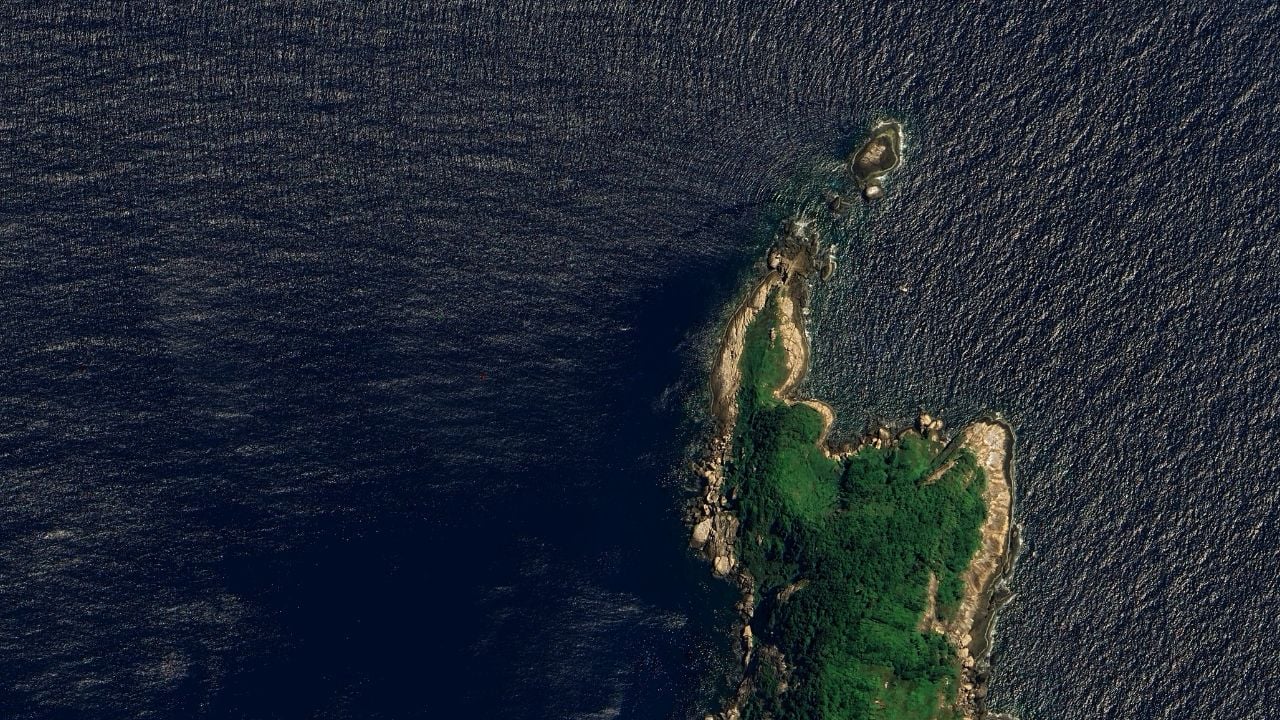
Ilha da Queimada Grande, widely known as Snake Island, is not just internet myth packaged as travel lore. Local official sources and authorities have long reinforced that landing is prohibited, and the reason is tied both to legal protection and to the island’s association with the highly venomous golden lancehead snake.
That is what makes this island different from a normal “wild place” story. The risk is not theoretical and the ban is not decorative. It is one of the few islands where the reputation and the official access restrictions point in the same direction: this is not a place for casual landing, curiosity trips, or social-media bravado.
5. Heard Island, Australia

Heard Island stands out not because of one single hazard, but because of how many extreme conditions combine in one place. Australian official material describes an island marked by severe climate, ice, enormous remoteness, and an active volcano. Even by subantarctic standards, it is a hard environment.
That kind of danger is quieter than a headline-grabbing eruption or a venomous snake bite, but it can be just as serious. Distance amplifies every mistake. Weather limits options. Rescue is not simple. Heard Island is dangerous because the environment itself is hostile, and because almost everything about reaching it makes a bad situation much harder to fix.
6. Komodo Island, Indonesia

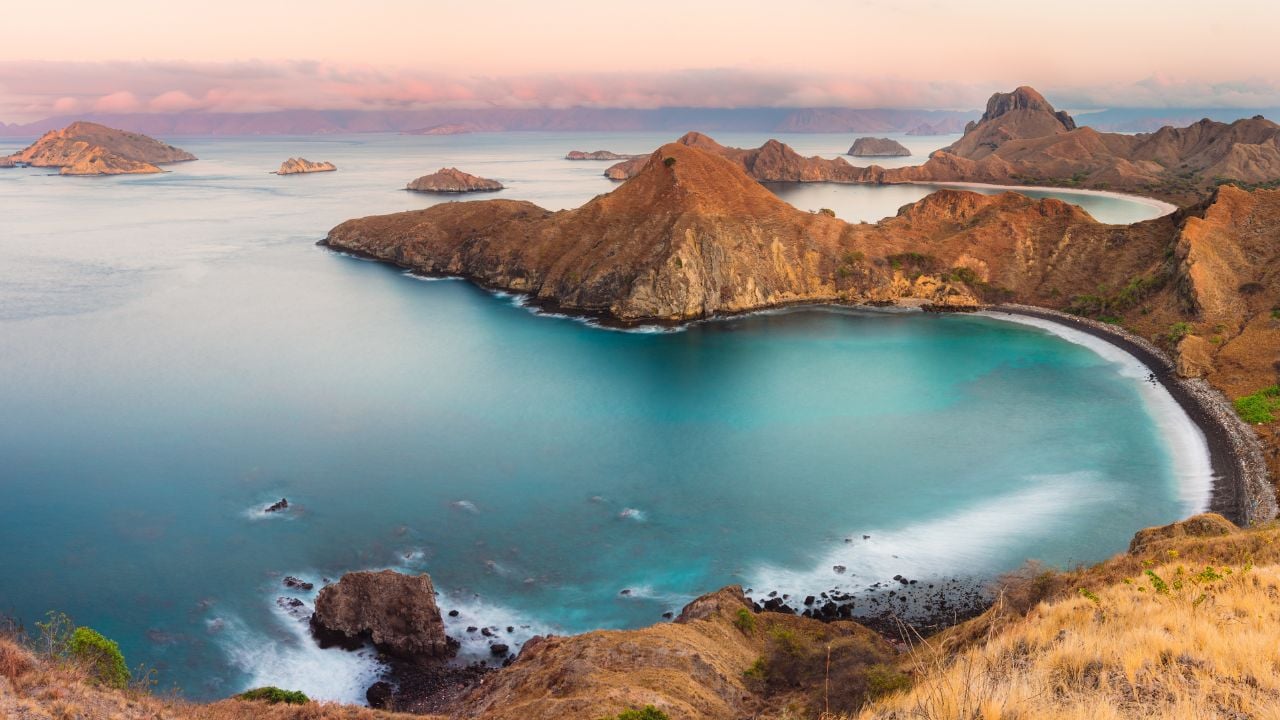
Komodo Island is the most accessible place on this list, but that does not make it harmless. Indonesia’s official tourism guidance says visitors should be accompanied by an experienced ranger because of the behavior of Komodo dragons, and it warns that caution is needed even near beaches because the animals move freely across the island.
The surrounding waters add another layer of risk, especially for inexperienced divers dealing with strong currents. Komodo is the best example here of an island that is genuinely visitable, yet still dangerous in a very real and practical sense. You can go, but only if you respect the conditions instead of treating them like background color.
7. Anak Krakatau, Indonesia

Anak Krakatau remains one of the region’s most active and closely watched volcanic islands. The Smithsonian’s Global Volcanism Program, citing Indonesia’s PVMBG, notes the current eruption period and records continuing official warnings to keep the public away from the crater zone.
The island also carries the memory of how quickly volcanic danger can scale outward. The 2018 flank collapse and eruption triggered a deadly local tsunami, which is why Anak Krakatau belongs so high in any serious conversation about dangerous islands. It is not just active. It has already shown how devastating that activity can become.
The wider lesson across all seven places is that “dangerous island” should never be reduced to clickbait mystery. Sometimes the danger is obvious, sometimes it is bureaucratic, and sometimes it looks deceptively beautiful right until it turns violent. In every case, the official warning exists for a reason, and treating it casually is usually the most dangerous mistake of all.