There is no single official list of the “most dangerous” countries in Central and South America, so the safest way to build one is to use a clear benchmark. Here, that benchmark is the 2025 Global Peace Index, which ranks 163 countries by overall peacefulness.
Using that index, and limiting the field to sovereign states in Central America and South America only, the seven least peaceful countries are Colombia, Venezuela, Brazil, Ecuador, Honduras, Nicaragua, and Guatemala. Mexico is not included because it is in North America, and Haiti is not included because it is in the Caribbean.
A national ranking cannot tell you how safe every neighborhood, resort strip, or historic center will feel on a given day. It can show which countries perform worst on a major international peace-and-security measure. Several of the countries below also carry serious U.S. travel warnings, which gives the pattern more weight than a raw table would on its own.
The U.S. State Department’s advisory system adds that second layer. Level 3 means “Reconsider Travel” because of serious safety and security risks. Level 2 means “Exercise Increased Caution.” Put next to the peace index, those advisory levels help separate the broad regional picture from the practical questions travelers actually need to ask.
1. Colombia
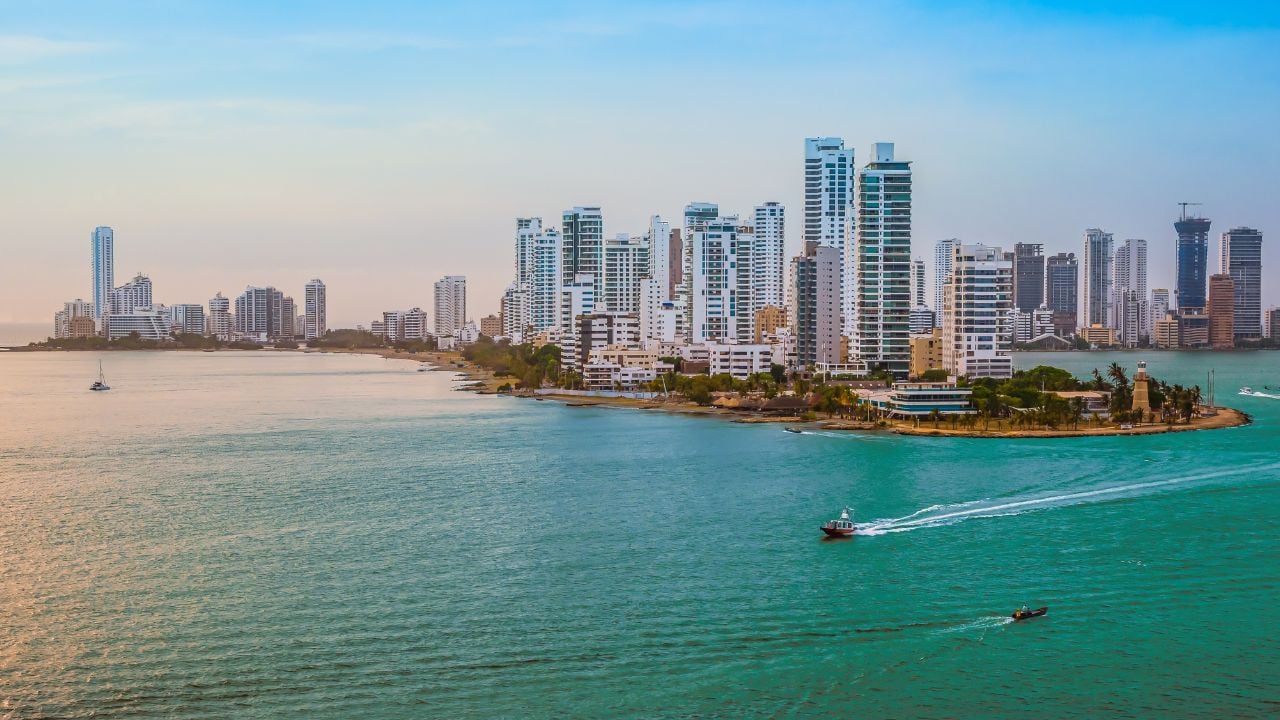
Colombia sits at 140th globally on the 2025 Global Peace Index, the weakest position in South America. The report says the country has held that spot in the region for five consecutive years. For a place with heavy tourist traffic and strong global recognition, that is not a small detail. It means the security picture remains troubling enough to outweigh the country’s visibility and tourism appeal in a major international index.
The current U.S. travel advisory for Colombia is Level 3: Reconsider Travel because of crime, terrorism, civil unrest, kidnapping, and natural disasters. The advisory also draws harder lines inside the country, with some departments and the Colombia-Venezuela border zone carrying stronger warnings than better-known visitor areas. Anyone planning a trip there needs to read beyond the country name and look carefully at the exact region involved.
2. Venezuela
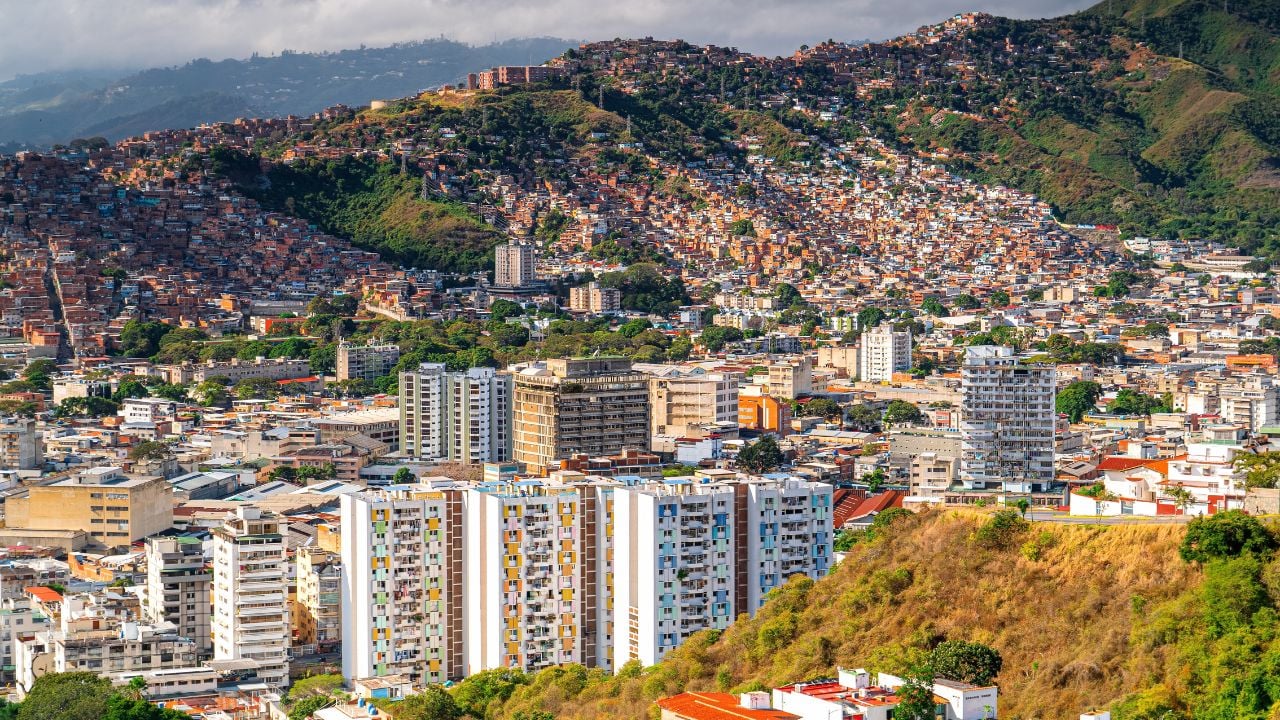
Venezuela follows at 139th globally, only one place above Colombia and still deep in the bottom tier for the subregion. It no longer dominates travel discussion the way it once might have, but the underlying security picture remains poor enough to keep it near the very bottom of this list.
The current U.S. travel advisory for Venezuela is Level 3: Reconsider Travel because of crime, kidnapping, terrorism, and poor health infrastructure. Washington lowered the advisory from Level 4 in March 2026, but that should not be read as a broad recovery story. A softer label than before still leaves Venezuela in one of the most serious warning categories the State Department uses short of Do Not Travel.
3. Brazil
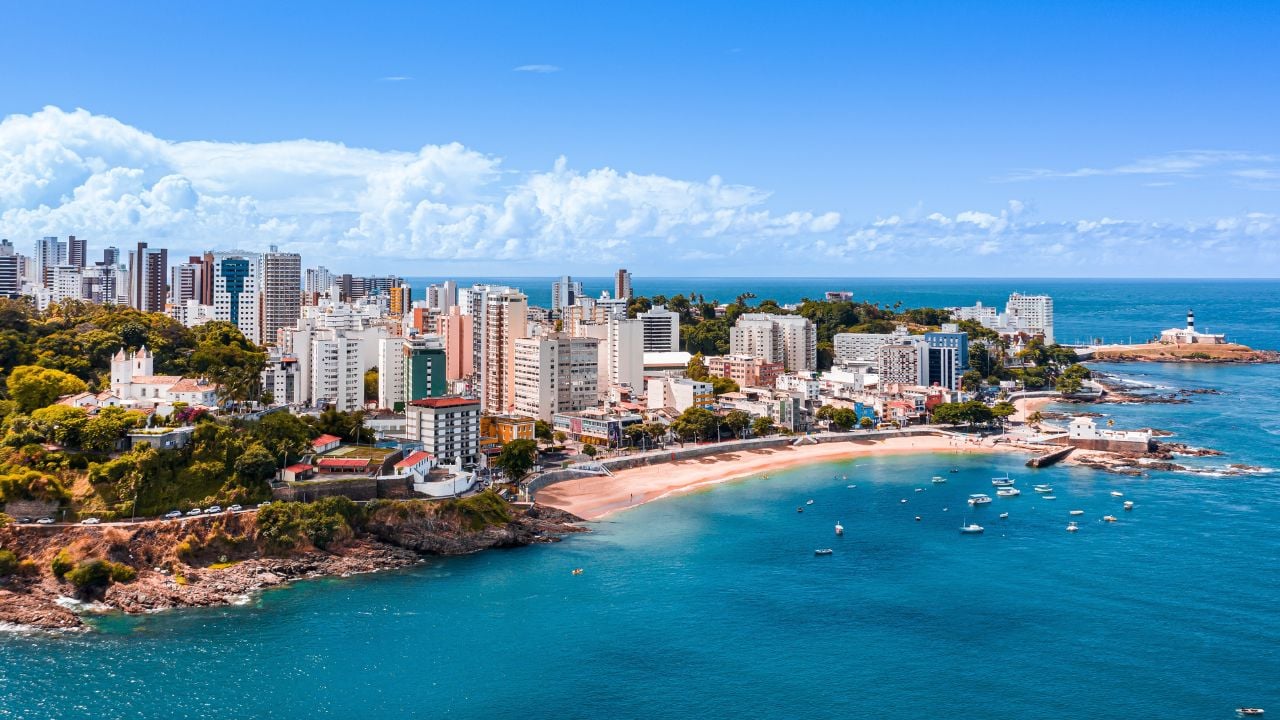
Brazil places 130th globally, which puts it third on this regional list. A country of this size will always contain sharper local contrasts than a smaller state, but a finish this low still matters. Rio, Salvador, São Paulo, and the beach circuit may shape the image abroad, yet the broader peace-and-security score remains weak by South American standards.
The U.S. State Department lists Brazil at Level 2: Exercise Increased Caution due to crime and kidnapping, with some areas under stronger warnings. Brazil is the clearest example here of a country that performs badly in a long-range peace index without landing in the same advisory tier as Colombia or Honduras. In practical terms, that means travelers need to think less in terms of “Brazil” as one unit and more in terms of specific cities, corridors, and neighborhoods.
4. Ecuador
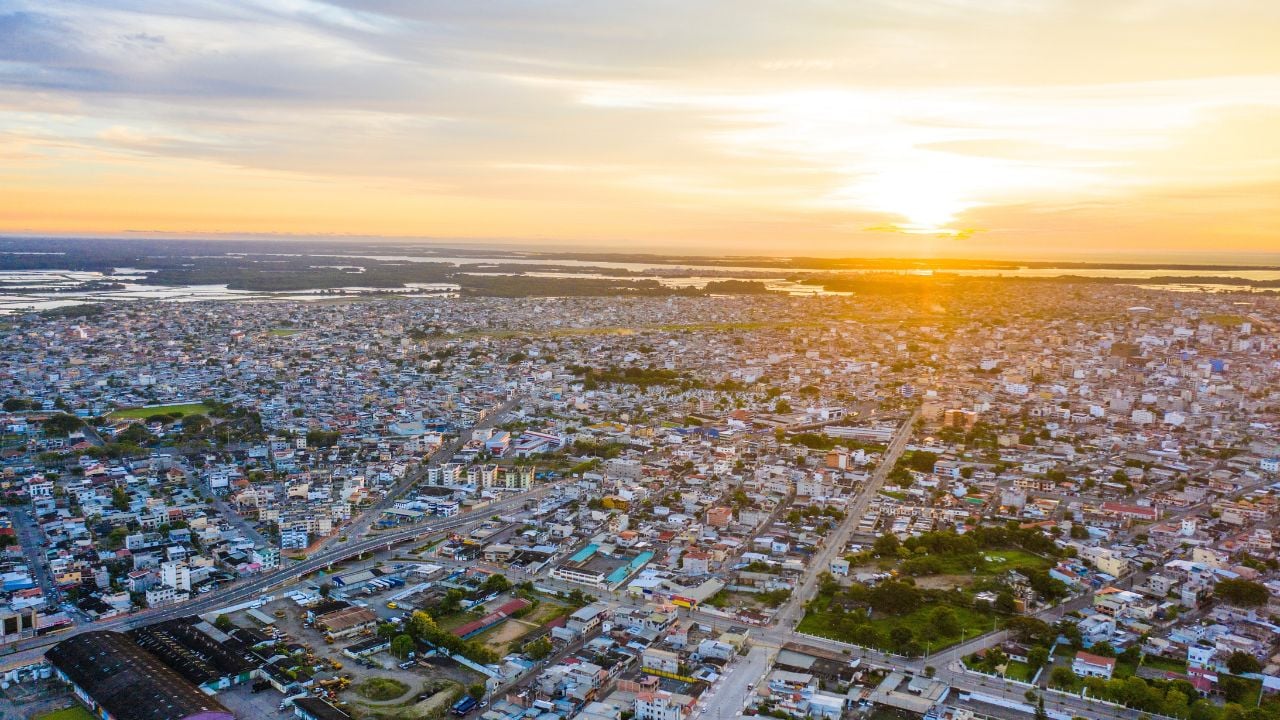
Ecuador comes in at 129th globally, just above Brazil and well inside the weakest group for this part of the world. Quito, Cuenca, the Amazon, and the Galápagos continue to draw travelers, but the wider national picture has deteriorated enough to keep Ecuador near the bottom of the regional table.
The current U.S. advisory for Ecuador is Level 2: Exercise Increased Caution because of crime, terrorism, unrest, and kidnapping, with some areas marked Reconsider Travel or Do Not Travel. Ecuador rewards precision. A trip can still go smoothly there, but only if you pay close attention to where the stricter warning zones actually are instead of treating the whole country as one uniform travel environment.
5. Honduras
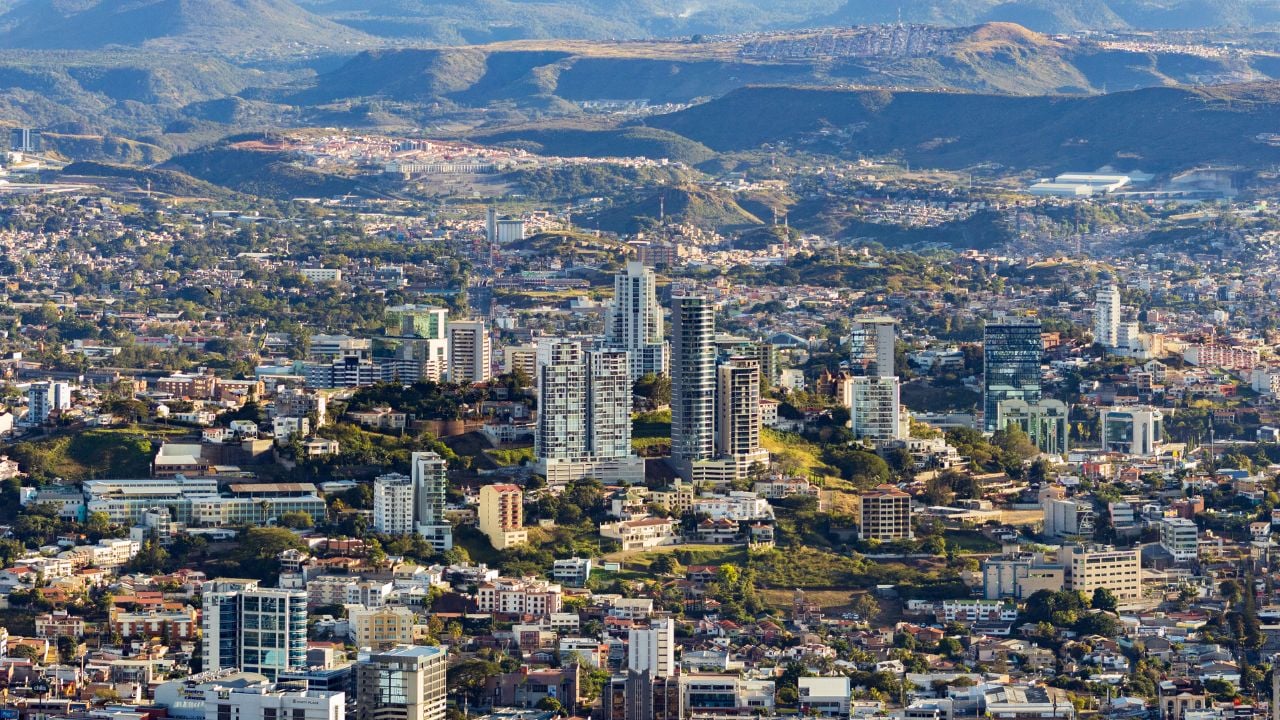
Honduras stands at 124th globally, the lowest position of any Central American country in this group. Tourism does not disappear because of that. The Bay Islands and Copán keep the country firmly on the travel map. Even so, the national security profile remains poor enough to drag Honduras below its regional neighbors on the peace index.
The U.S. advisory for Honduras is Level 3: Reconsider Travel due to crime, and the State Department says violent crime, armed robbery, kidnapping, and gang activity remain common. It also notes that the Bay Islands, including Roatán and Utila, have a higher concentration of law enforcement resources. Honduras makes the regional point clearly: a tourist-friendly pocket can exist inside a country whose overall risk picture still looks rough.
6. Nicaragua
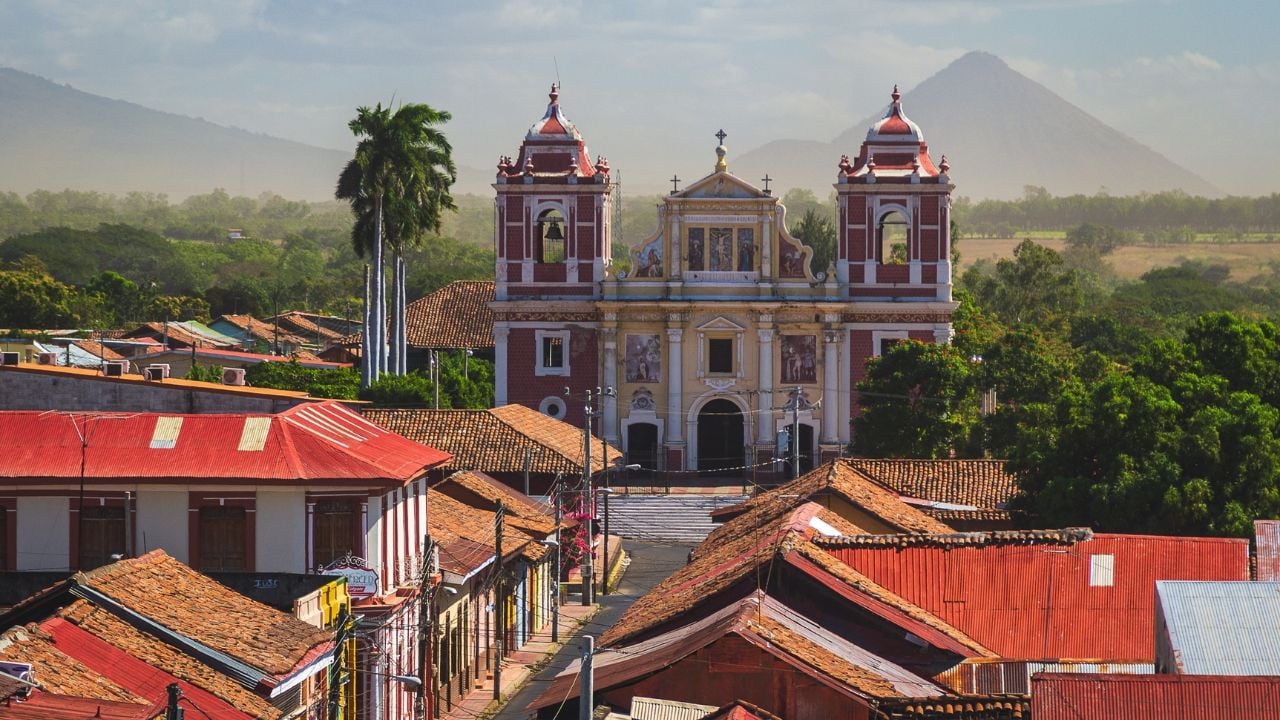
Nicaragua ranks 111th globally, placing it sixth among the least peaceful countries in Central and South America. Street violence does not dominate its profile in the same way it does in parts of Honduras or Colombia, but the country still sits low enough in the index to remain part of this bottom regional cluster.
The U.S. State Department lists Nicaragua at Level 3: Reconsider Travel because of arbitrary enforcement of laws, the risk of wrongful detention, and limited healthcare availability, while also warning about crime. Nicaragua’s main travel risk reads more legal and institutional than scenic or urban marketing would suggest. Visitors need to think about state power, healthcare access, and legal vulnerability alongside ordinary personal-safety concerns.
7. Guatemala
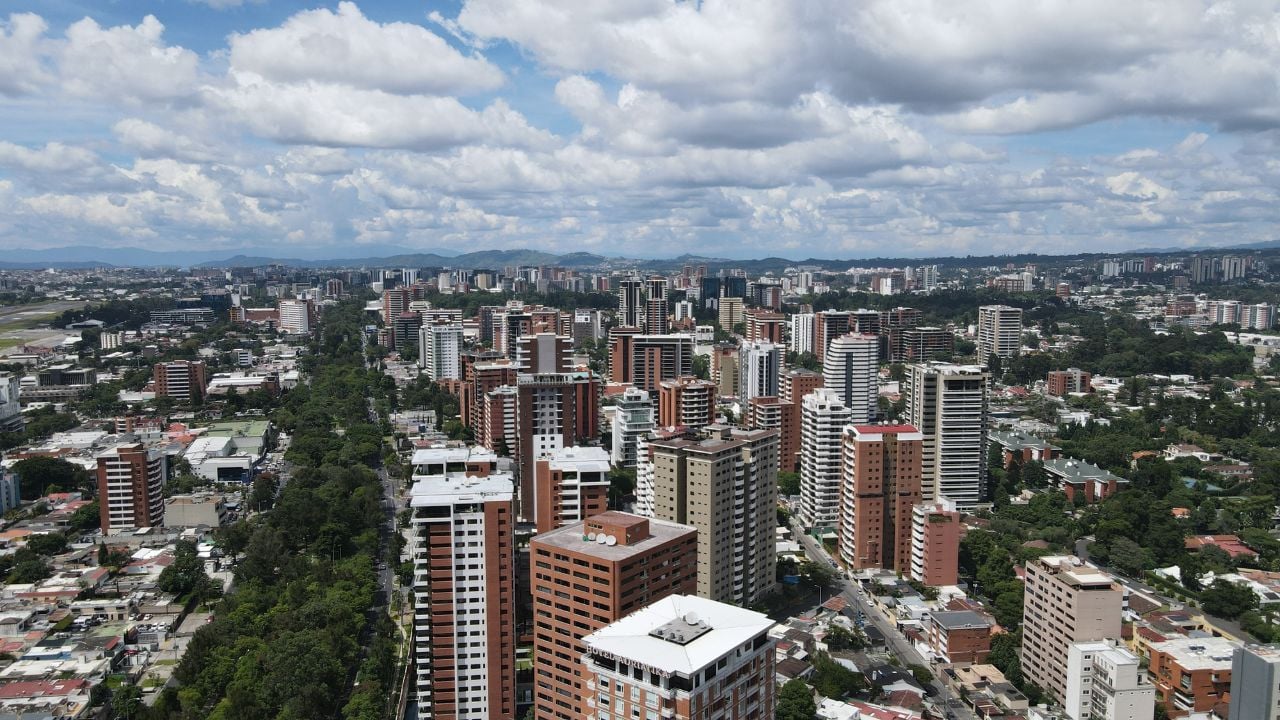
Guatemala ranks 108th globally and closes out this seven-country list. Antigua, Lake Atitlán, and Maya heritage sites keep the country highly visible in Central American travel planning, but the broader security environment remains serious enough to keep Guatemala in the weakest bracket for the subregion.
The U.S. advisory for Guatemala is Level 3: Reconsider Travel because of crime and terrorism, with some areas carrying Level 4 warnings. Travel conditions there vary sharply by region. Well-trodden visitor zones can feel manageable. Other parts of the country carry much harsher official guidance. Anyone planning a trip needs to think in corridors and specific destinations, not in broad national averages.
Using the 2025 Global Peace Index alone, the order is clear: Colombia, Venezuela, Brazil, Ecuador, Honduras, Nicaragua, and Guatemala.
For actual travelers, the picture is more mixed. Colombia, Venezuela, Honduras, Nicaragua, and Guatemala currently sit at Level 3 with the U.S. State Department, while Brazil and Ecuador are at Level 2. A weak peace score matters, but real trip planning still comes down to geography, current advisories, and whether your destination sits inside a better-managed pocket or a more volatile one.