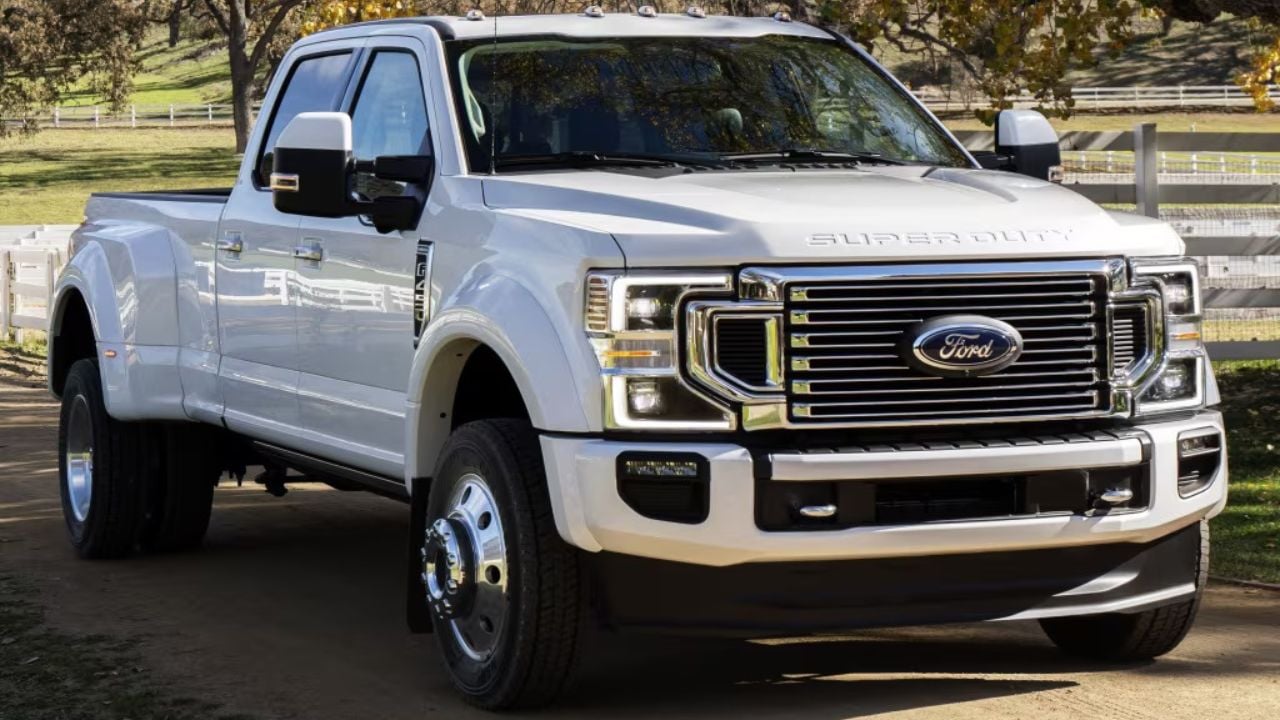
When Ford talks about the future of the F-150 and Super Duty, it is no longer talking about a routine redesign. It is talking about a full reset of how its most important trucks will be engineered, built, and updated.
That shift now has a date attached to it: by 2029, Ford says the next generation of the F-150 and F Series Super Duty will arrive as part of a much broader portfolio renewal.
Just as important, the company is changing the way it organizes itself behind the scenes.
Ford has folded its EV, digital, and design work into a new product creation and industrialization organization led by Kumar Galhotra, a move that signals the company no longer wants separate worlds for gas models and electrified ones. The goal now is one scalable system that can support trucks, software, and future profit at the same time.
One Truck Strategy
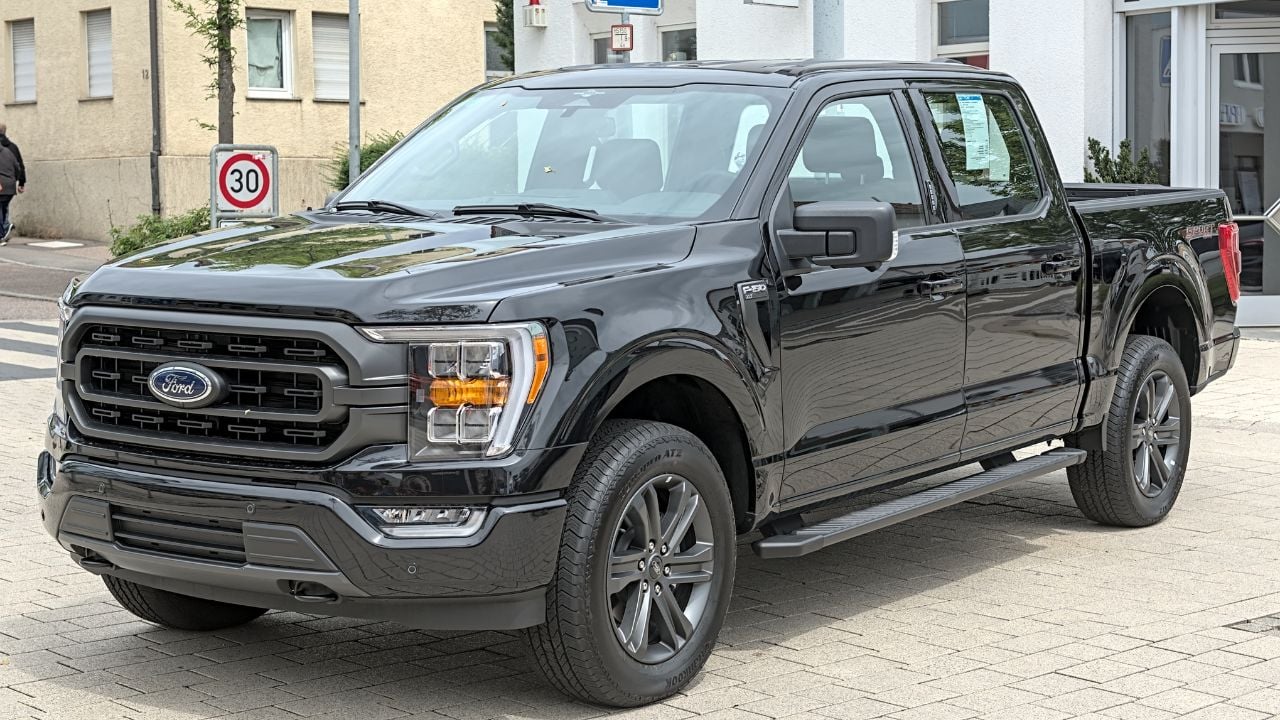
Ford says this reorganization is meant to support one of the biggest product, software, and services rollouts in its history. The company plans to refresh 80% of its North American lineup by volume and 70% of its global lineup by volume by 2029, with the next F-150 and Super Duty specifically included in that plan.
That matters because these trucks sit at the center of Ford’s business. A change here is never just about styling or trim packages, especially when the company is using them as anchors for a much larger manufacturing and technology reset.
In practical terms, Ford is trying to stop treating electrified vehicles as a side project. The company’s new structure is designed to connect advanced development directly with engineering, purchasing, and manufacturing, which should make it easier to scale new technology into high-volume products like the F Series.
Software Joins The Fight
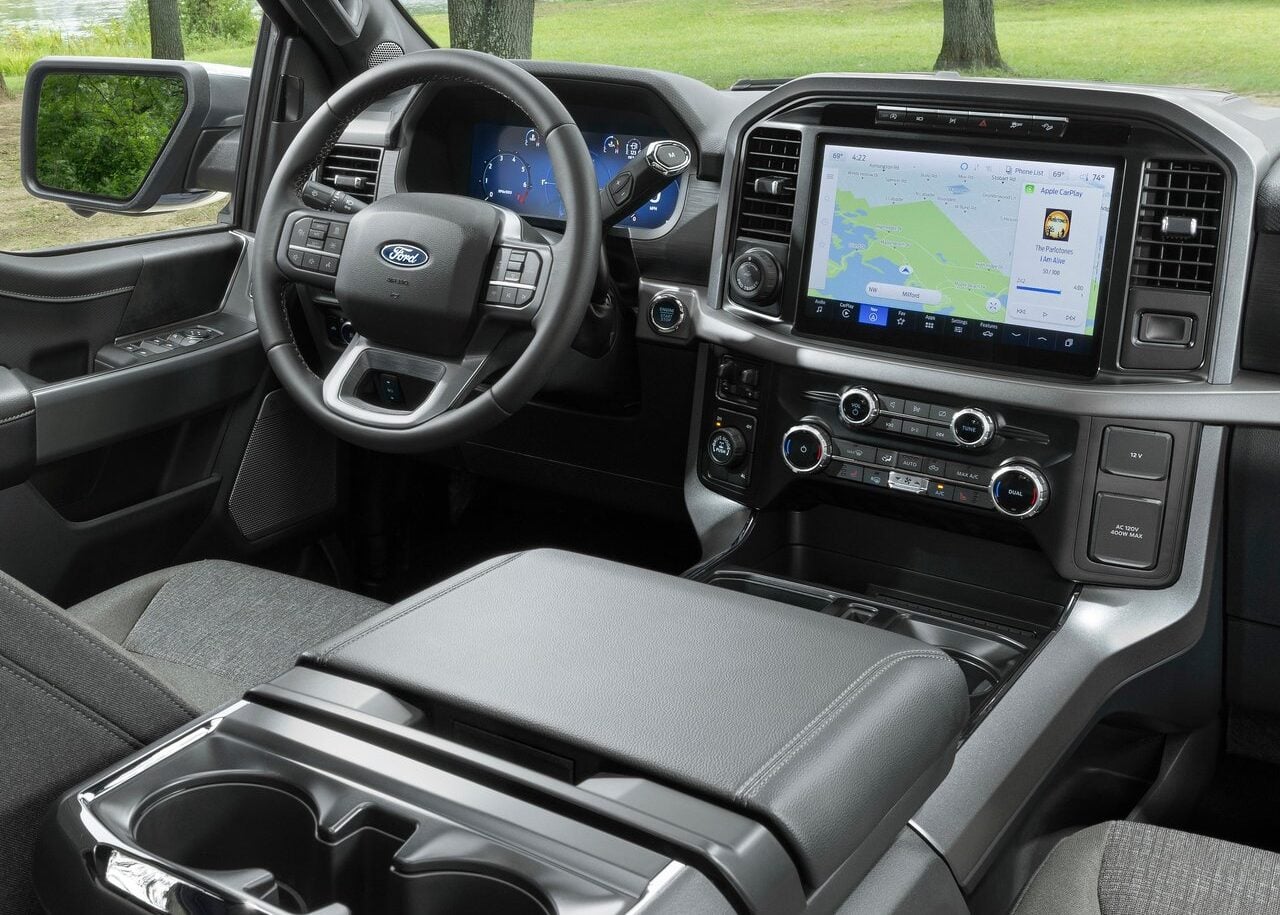
Ford’s internal targets show how deep the shift goes. By 2030, the company says 90% of its vehicles by volume will use updated electrical architectures, next-generation over-the-air capability, and in-house digital systems that can support continuous updates over time.
Ford also says nearly 90% of its global nameplates will offer electrified powertrains by 2030, including hybrids, extended-range EVs, and full battery electric vehicles. That is a broader and more flexible target than the earlier EV first message many automakers pushed only a few years ago.
The software side is just as important as the powertrain side. Ford says this architecture creates a scalable path for BlueCruise and eventually future Level 3 autonomous driving, which means future F Series trucks are being developed not just as work machines, but as software defined products that can generate revenue after the sale.
A Different Kind Of Hardware

Ford’s universal EV platform is already being used as a test bed for ideas the company wants to spread into higher-volume vehicles. The company says that the project is helping modernize development tools, reduce costs, and bring in new suppliers from outside the traditional auto industry.
That is why some of the more radical next-generation truck rumors deserve attention, even if Ford has not officially confirmed them yet. Autoblog reports that Ford is studying by-wire systems for braking and steering on future F Series trucks, a move that could simplify manufacturing and reduce mechanical complexity if it reaches production.
The same broader engineering direction shows up in production too. Ford has already said its midsize UEV truck program is feeding breakthroughs in zonal architecture and cost modeling, while outside reporting has linked the company’s future truck plans to new large-scale casting methods that could reduce part count and assembly complexity.
Lightning Changes Course
The biggest powertrain shift may be the one Ford already telegraphed last year. Reuters reported in December that Ford will replace the fully electric F-150 Lightning with a new extended-range electric version that uses a gas engine as a generator to recharge the battery, rather than relying on a giant battery pack alone.
That setup is important because it aims directly at the biggest weakness full-size electric trucks still face in the real world: range loss under towing, hauling, or long-distance use. Reuters reported that Ford’s new range extender truck is being targeted at about 700 miles of combined range, or roughly 1,127 kilometers.
In other words, Ford is not abandoning electrification. It is reshaping it around what truck buyers actually seem willing to accept, which is why the company now talks much more openly about hybrids and extended range EVs than about large battery only trucks.
The Risk Ford Is Taking

Ford is also making this move while a major rival stays on a faster schedule. Car and Driver reports that Chevrolet is preparing the next gasoline Silverado for 2027, which means Ford is giving itself more time to rethink the F Series while GM moves sooner on its core full-size pickup.
At the same time, Reuters reported this week that GM has indefinitely delayed its next-generation full-size electric truck program and is now also exploring plug-in hybrids and extended-range EV systems. That tells you Ford is not alone in deciding the old-battery-only truck plan no longer fits the market as neatly as expected.
So 2029 now looks less like a distant date and more like a deadline for a very specific bet. Ford is wagering that truck buyers will still want the same core strengths they always have, but that the winning formula will now also need better software, more efficient manufacturing, and a smarter form of electrification than the industry was promising just a short time ago.
This article originally appeared on Autorepublika.com and has been republished with permission by Guessing Headlights. AI-assisted translation was used, followed by human editing and review.