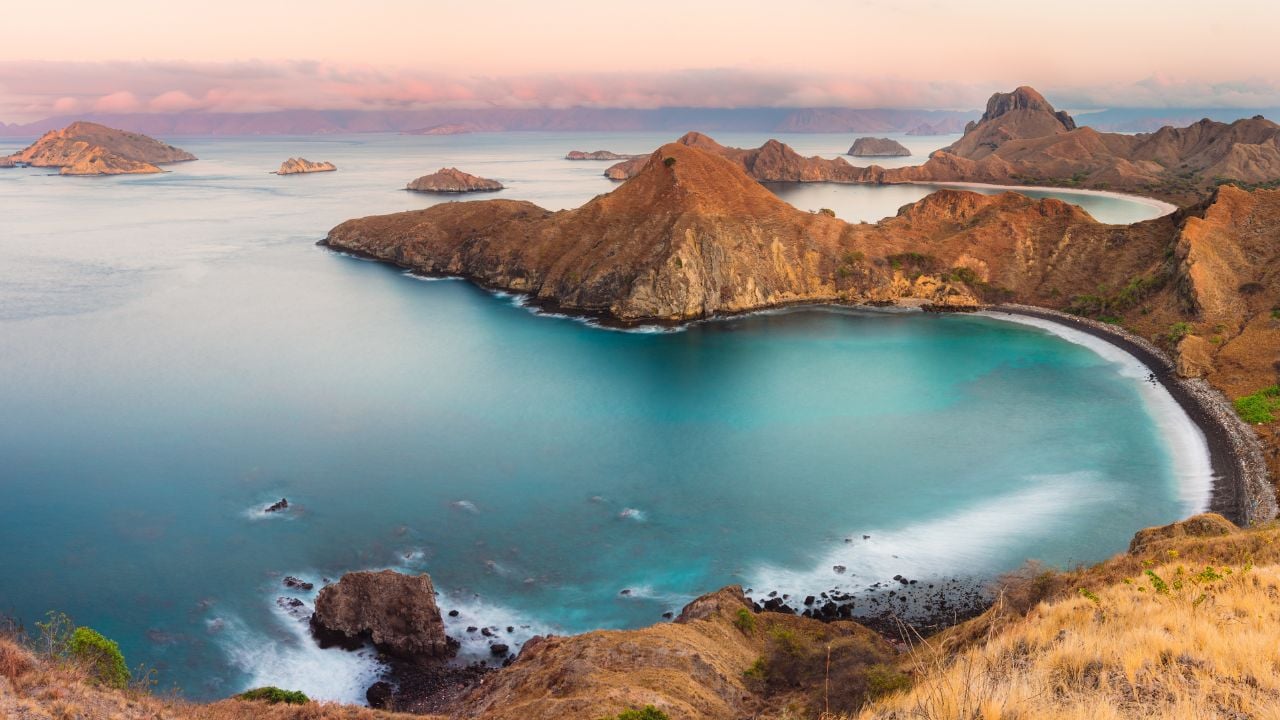
There is no official global ranking for islands people are “too afraid” to visit, so the safest way to handle a title like this is to stick to islands with clear, documented reasons travelers stay away. In some cases, governments forbid landings outright. In others, hazard agencies warn about eruption risk, or the environment is so remote and severe that even scientific visits are tightly controlled.
Fear also does not come from one kind of danger. One island is closed off to protect an isolated Indigenous community. Another remains an active volcano where landings have stopped. Another has become notorious because local authorities openly warn about venomous wildlife and ban normal shore access.
The islands below are not here because of internet myth or recycled travel-list drama. Each one comes with an official reason to keep your distance, whether that reason is law, geology, conservation, or the basic reality that a bad decision there can turn serious very quickly.
For readers, this makes the list more useful than a folklore roundup. These are not “scary” islands in a theatrical sense. They are places where caution is built into the official guidance.
1. North Sentinel Island, India

North Sentinel Island is probably the clearest example of a place outsiders are not supposed to approach. The U.S. State Department’s India advisory says the Indian government has strictly forbidden anyone from visiting the island to protect both the Sentinelese and travelers. Arrest is a real possibility for anyone who ignores the restriction.
This is not adventure travel dressed up as mystery. The barrier is legal, ethical, and medical at the same time. Outside contact threatens an isolated community with little immunity to common diseases, and it also puts would-be visitors in obvious danger. Few islands on earth come with a clearer message to stay away.
2. Whakaari / White Island, New Zealand

Whakaari still looks dramatic from the air, but the official hazard picture remains serious. GeoNet’s Whakaari / White Island page lists the volcano at Alert Level 2 and describes the current state as moderate to heightened volcanic unrest. It also warns that an eruption may occur at any level because activity can change rapidly.
Tourism guidance reflects the same reality. New Zealand’s official tourism site still promotes scenic flights over Whakaari, but not landings. For most travelers, that says enough. The island remains compelling to look at, but not something the tourism system treats as a normal walk-on destination anymore.
3. Taal Volcano Island, Philippines
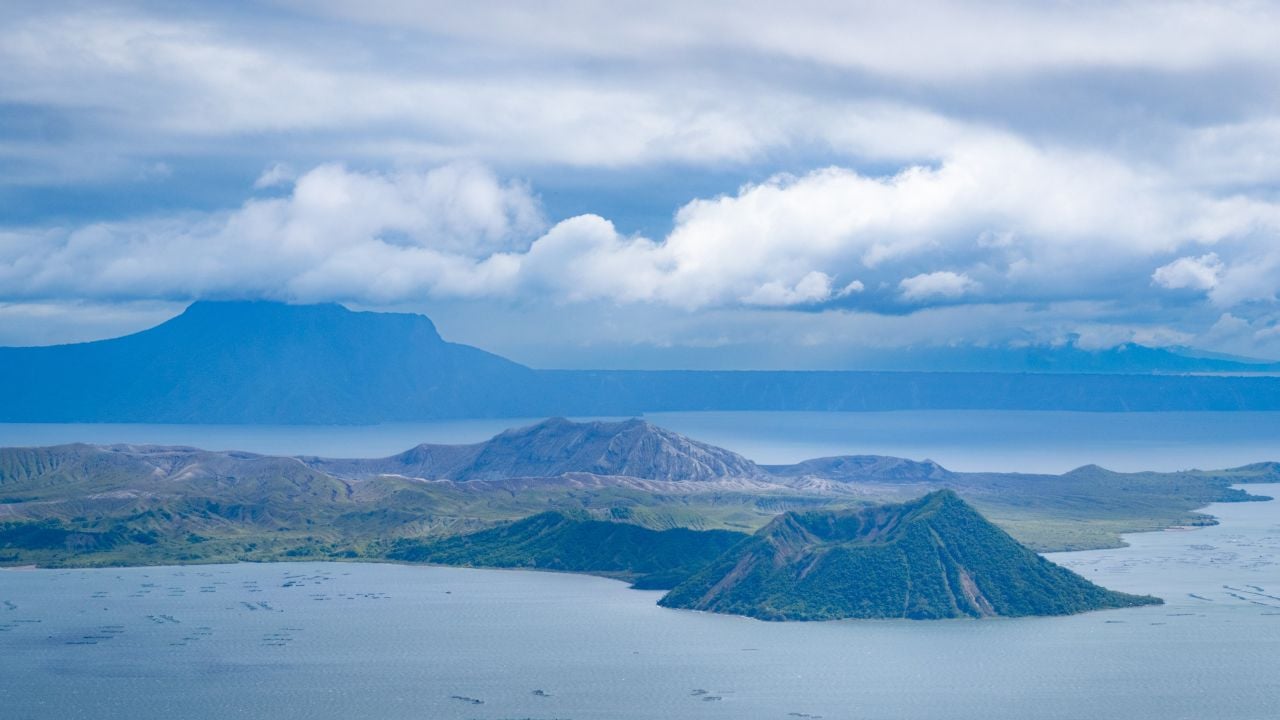
Taal Volcano Island earns its place here because the warning language is unusually direct. Recent PHIVOLCS activity guidance continues to advise against entry into Taal Volcano Island, especially the Main Crater and Daang Kastila fissures. PHIVOLCS’ alert framework also makes clear that permanent habitation on Taal Volcano Island must not be allowed.
This puts Taal in a different category from scenic volcanoes where risk feels abstract to casual visitors. Official bulletins keep repeating the same point because the hazard is persistent, not occasional. Once an agency is still telling people not to enter the island itself, most travelers do not need much more explanation.
4. Ilha da Queimada Grande, Brazil
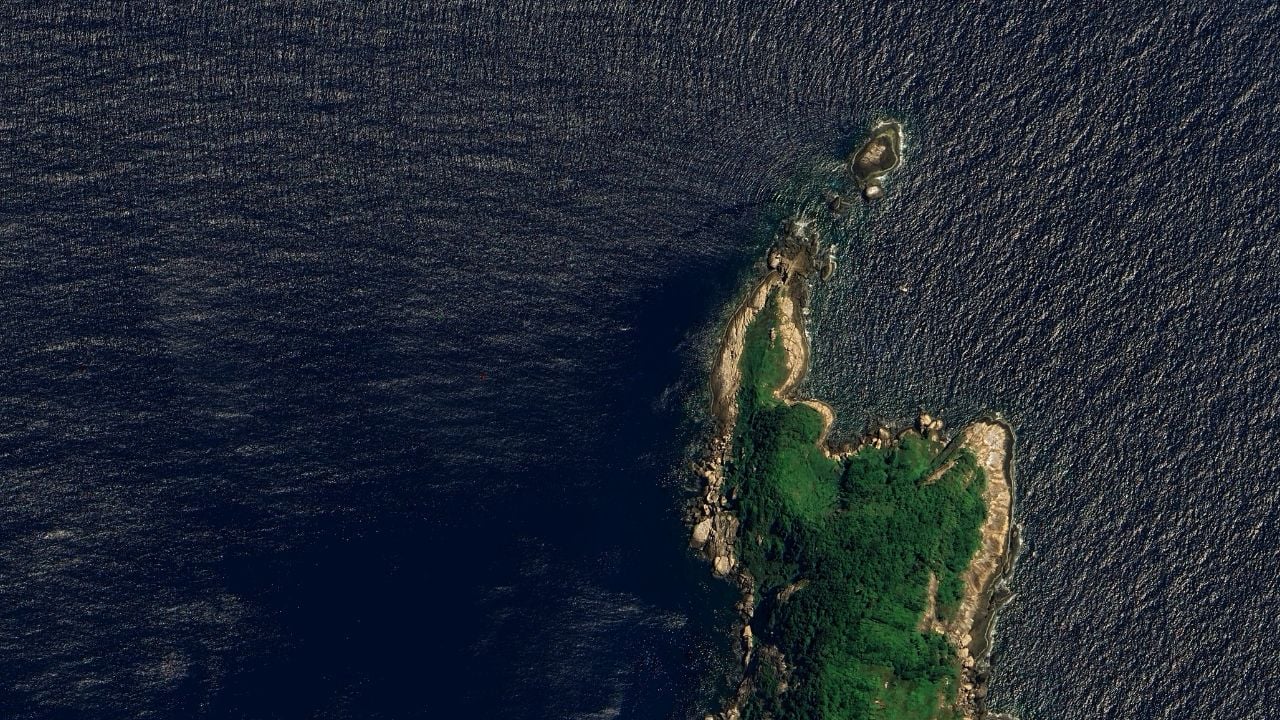
Ilha da Queimada Grande, often called Snake Island, has become famous for exactly the reason many people avoid it. Official tourism material from Itanhaém says disembarkation on the island is prohibited. The same municipal guidance links the restriction to both legislation and the presence of the highly venomous golden lancehead.
Local authorities are not trying to be colorful here. They are being literal. This is one of the rare islands where the reputation and the official warning line up almost perfectly. Travelers can circle it by boat, but a normal tourist landing is not part of the deal.
5. Heard Island, Australia

Heard Island feels dangerous in a colder and harsher way than the islands above. The Australian Antarctic Program’s geography page says the island lies about 4,100 kilometers southwest of mainland Australia, is dominated by Big Ben, an active volcano, and is about 70 percent permanently covered in glaciers. Before you even get to access rules, the place already reads like an endurance test rather than a holiday stop.
Human access is limited for obvious reasons. Official Australian guidance says the islands are unoccupied, the weather is cold, wet, windy, and cloudy, and permits are required for activities there. This is not an island people avoid because of storytelling. They avoid it because almost everything about it is difficult.
6. Anak Krakatau, Indonesia

Anak Krakatau belongs on this list because it remains an active volcanic island with continuing exclusion guidance around it. The Smithsonian Global Volcanism Program’s Krakatau page says the current eruption period began in May 2021. Reports tied to Indonesia’s volcanology agency have repeatedly warned the public to stay at least 5 kilometers away from the crater during Alert Level 3 periods.
This is enough to change how most travelers think about the island. Anak Krakatau is not a dormant icon with a dramatic past. It is an active system with an established eruption history, ongoing monitoring, and standing public-distance warnings. In practical terms, it belongs much closer to “observe from afar” than to any ordinary island-hopping plan.
7. Komodo Island, Indonesia

Komodo Island is the most visitable place on this list, but it still makes plenty of travelers uneasy, and not without reason. Indonesia Travel’s Komodo National Park page says visitors should exercise caution on the beach and in the water because Komodo dragons inhabit the island. The same official tourism guidance strongly recommends coming with an authorized guide or ranger.
The island is not forbidden, but it is a long way from carefree. Once the standard tourism pitch includes predator warnings and guided access, hesitation stops sounding irrational and starts sounding sensible. Komodo is extraordinary, but it is not casual.
Taken together, these islands show that fear usually grows out of something concrete. Sometimes it is law. Sometimes it is geology. Sometimes it is wildlife, and sometimes it is the sheer hostility of the environment.
What they share is simple: official sources give people a very good reason not to treat them like ordinary travel spots.