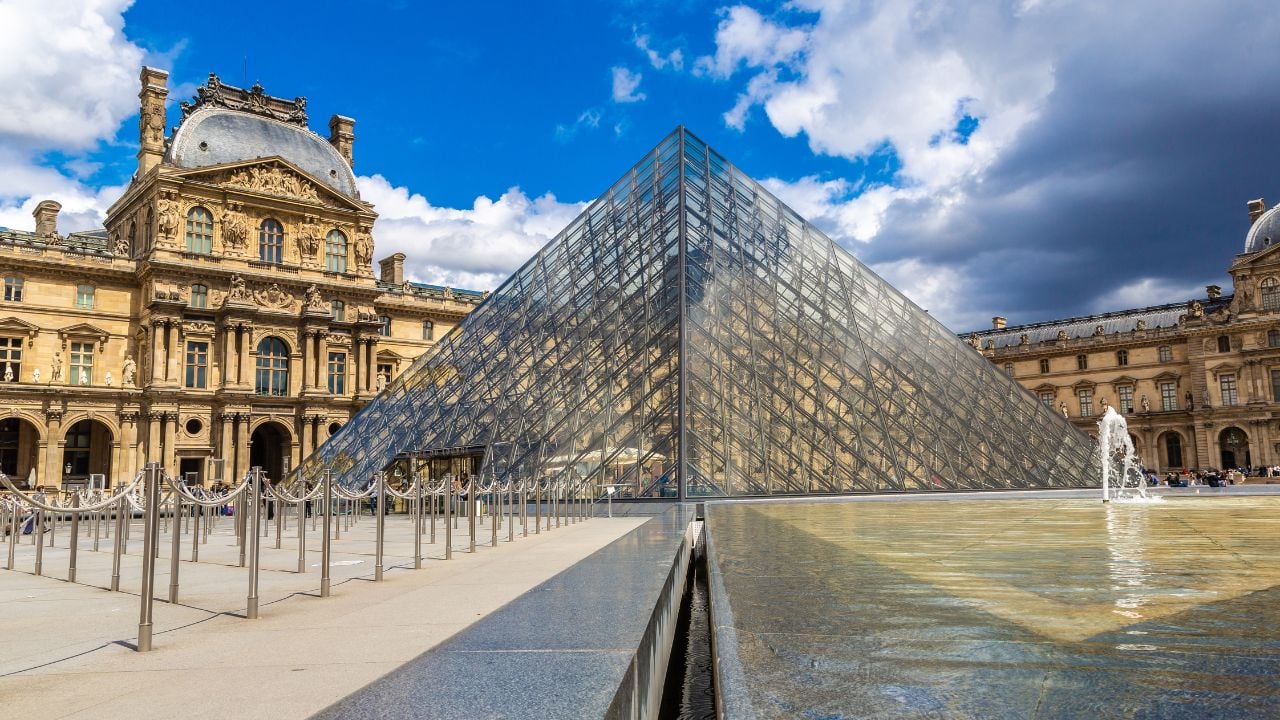
At famous places, the wrong hour can change the whole visit. It can mean standing in a packed lane, reaching a viewpoint under flat midday light, hiking when the heat is already dangerous, or arriving with the wrong ticket for the route visitors actually wanted.
Timing is not only about prettier photos. It affects lines, visibility, weather, crowd flow, ticket rules, parking, and whether the place has enough space to be enjoyed. Venice before the day-trippers, the Louvre on a late-opening night, Yellowstone before the peak traffic wave, and the Taj Mahal before the heat builds are not the same visits as their midday versions.
The places below are famous for good reasons. They also ask for more planning than “show up whenever.” A few hours can separate a memorable stop from a crowded box-checking exercise.
1. Venice, Italy
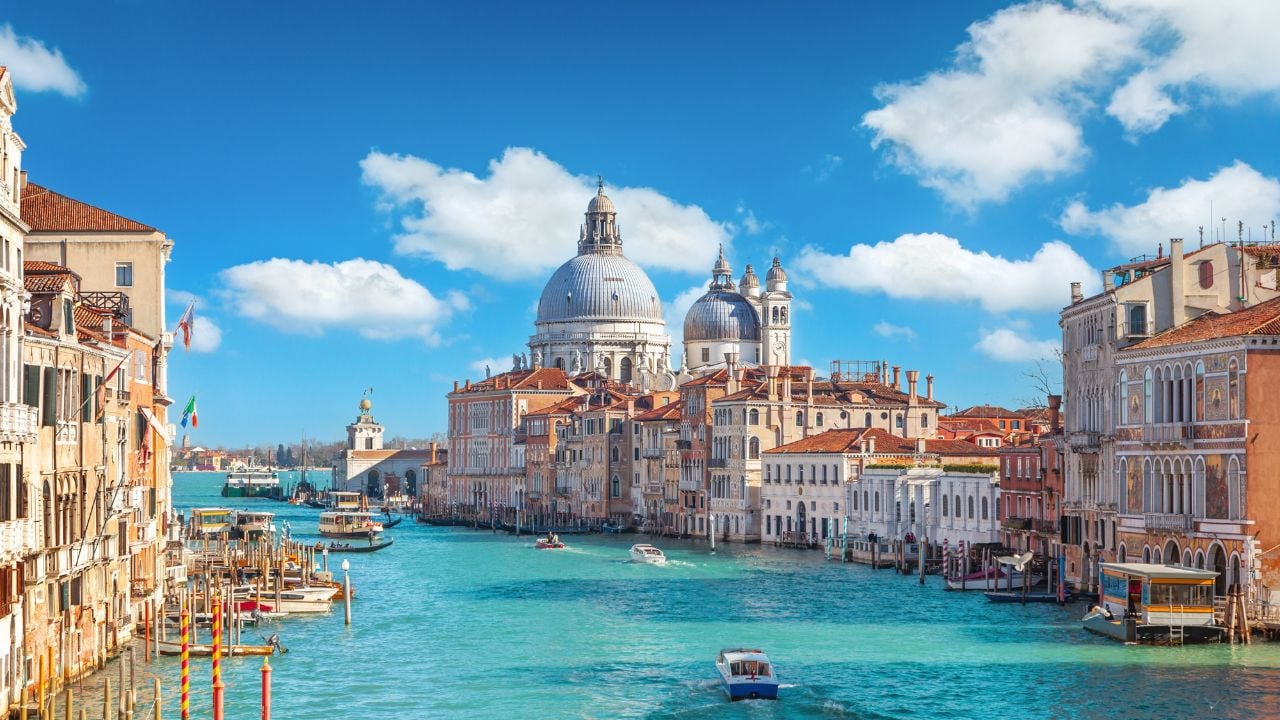
Venice rewards the visitors who see it before the daily crowd thickens. Early morning means delivery boats on the canals, quieter bridges, empty stretches near the water, and shop shutters still down in side lanes. The city still looks famous, but it sounds different.
Late evening can be just as useful. After many day visitors leave, Cannaregio, Dorsoduro, quieter lanes near the Grand Canal, and areas away from St. Mark’s Square become easier to walk without stopping every few steps.
The timing question also has a rule attached. Venice’s official Access Fee site says the 2026 calendar applies only on marked days and during the 8:30 a.m. to 4 p.m. window. On unmarked days, no payment or exemption is required.
For a short visit, arrive early, stay late, or spend the night in the historic center if the budget allows. Venice is still crowded, but the worst version is usually the rushed day trip built around the busiest hours.
2. The Louvre, Paris
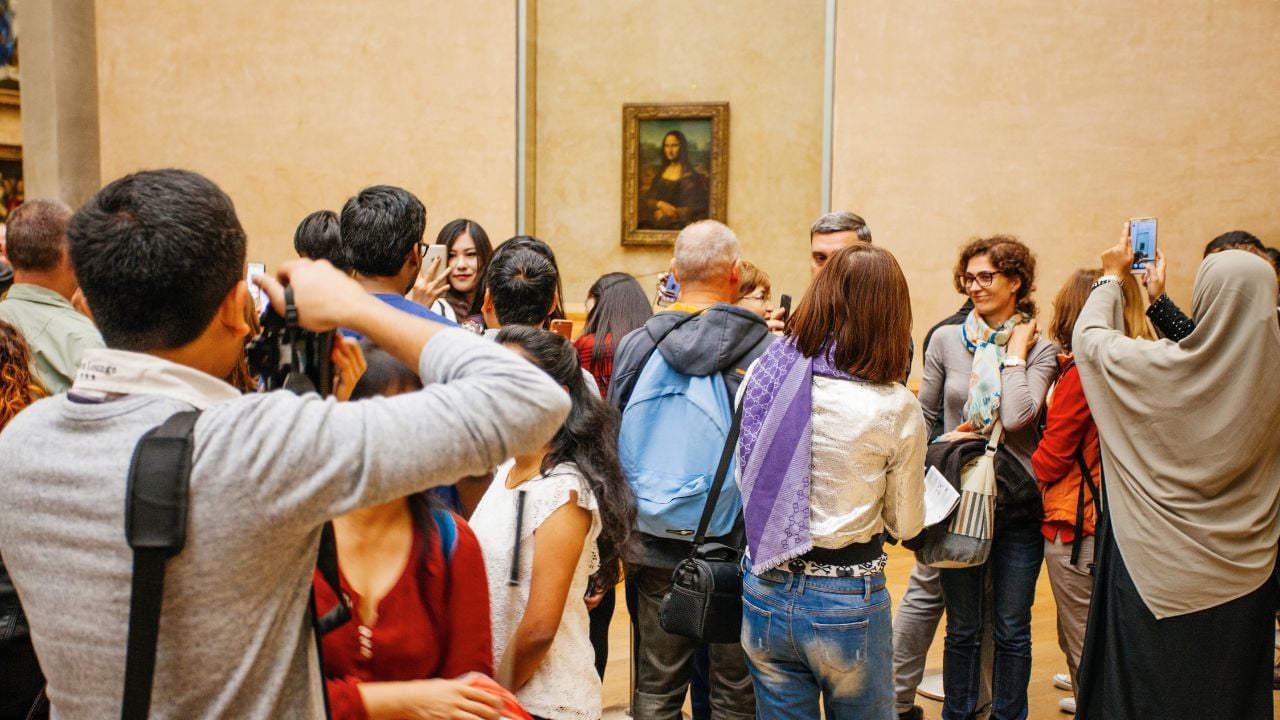
The Louvre is too large for a loose plan. Visitors who enter with only a vague idea of seeing “the highlights” often spend more energy moving between galleries than looking at anything properly. Pick one wing, one period, or a short list of rooms before entering.
The museum’s official schedule gives visitors more options than a standard daytime stop. The Louvre is open from 9 a.m. to 6 p.m. on Monday, Thursday, Saturday, and Sunday, and until 9 p.m. on Wednesday and Friday. Tuesday is the regular closing day, and last entry is one hour before closing.
A Wednesday or Friday evening visit can keep the museum from swallowing the middle of a short Paris day. It also works well for travelers who want the morning for the Seine, the Tuileries, Saint-Germain, or another neighborhood walk.
Do not place the Louvre between three other timed plans. Give it a clear slot, choose the rooms in advance, and leave before the visit becomes a forced march through corridors.
3. Machu Picchu, Peru
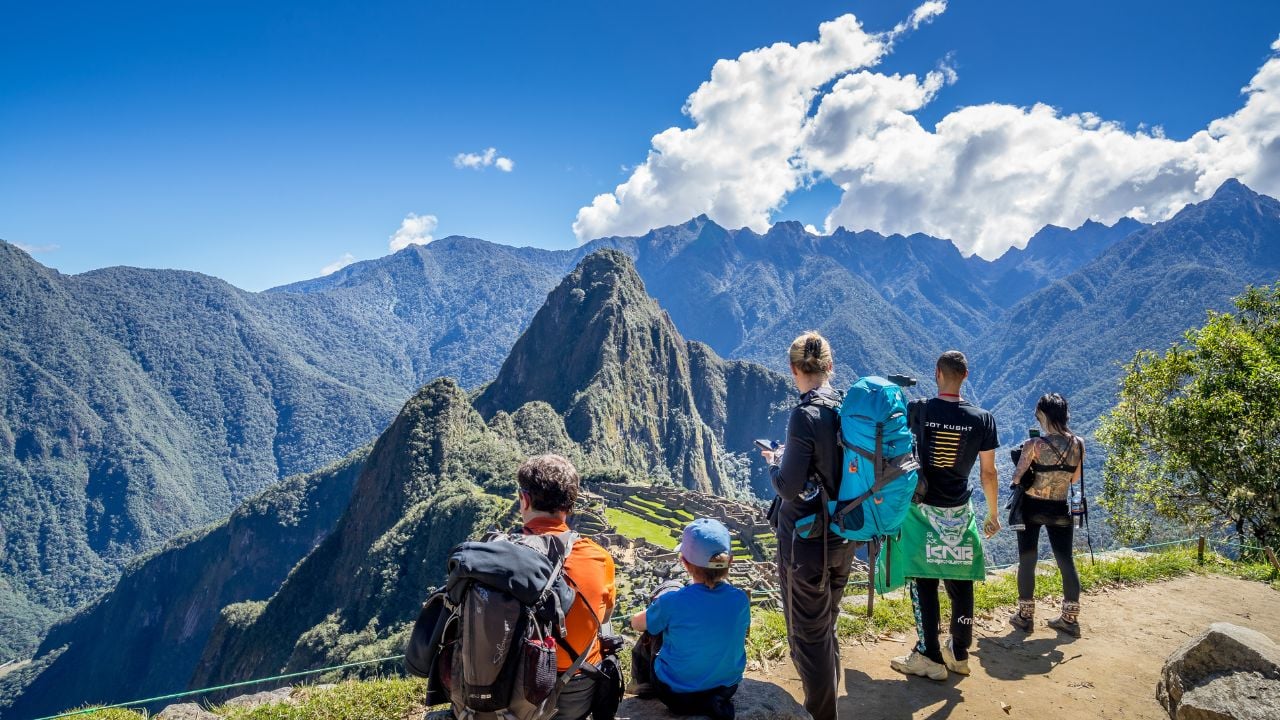
At Machu Picchu, visitors are not only choosing an entry time. They are choosing what kind of visit they will have. The official Machu Picchu site says that since June 1, 2024, three circuits grouping 10 routes have been in effect.
Those circuits shape the actual experience inside the site. Some routes focus on panoramic viewpoints. Others move through classic archaeological areas or mountain options. A traveler who wants the famous view, a fuller ruins route, or a specific climb should not buy the first available ticket without checking the circuit.
Morning slots can bring cooler air and atmosphere, but mist may hide the view. Later slots can have clearer visibility on some days, with more heat and more people. The ticket should match the route and view the traveler cares about most.
Choose the circuit before choosing the hour. At Machu Picchu, the wrong route can disappoint even when the weather cooperates.
4. Grand Canyon South Rim, Arizona

The Grand Canyon does not need perfect timing to impress, but sunrise and sunset give the South Rim more shape. The early and late hours add shadow, cooler air, and sharper depth to the cliffs. Midday can make the canyon look flatter, especially from the busiest viewpoints.
Grand Canyon National Park says reservations are not required for entry and the park does not have timed entry. That flexibility helps, but visitors still need to choose the day’s hardest hours carefully.
The heat difference between rim and river is serious in summer. The National Park Service says summer highs on the South Rim are generally in the 80s, while temperatures near the river by Phantom Ranch typically rise above 100 degrees. A below-rim hike is not the same as a short walk along the overlook path.
Use sunrise, morning, or late afternoon for rim walks and longer outdoor time. Save midday for shuttles, indoor stops, shaded breaks, or short viewpoints unless the weather is mild and the plan is conservative.
5. Kyoto, Japan
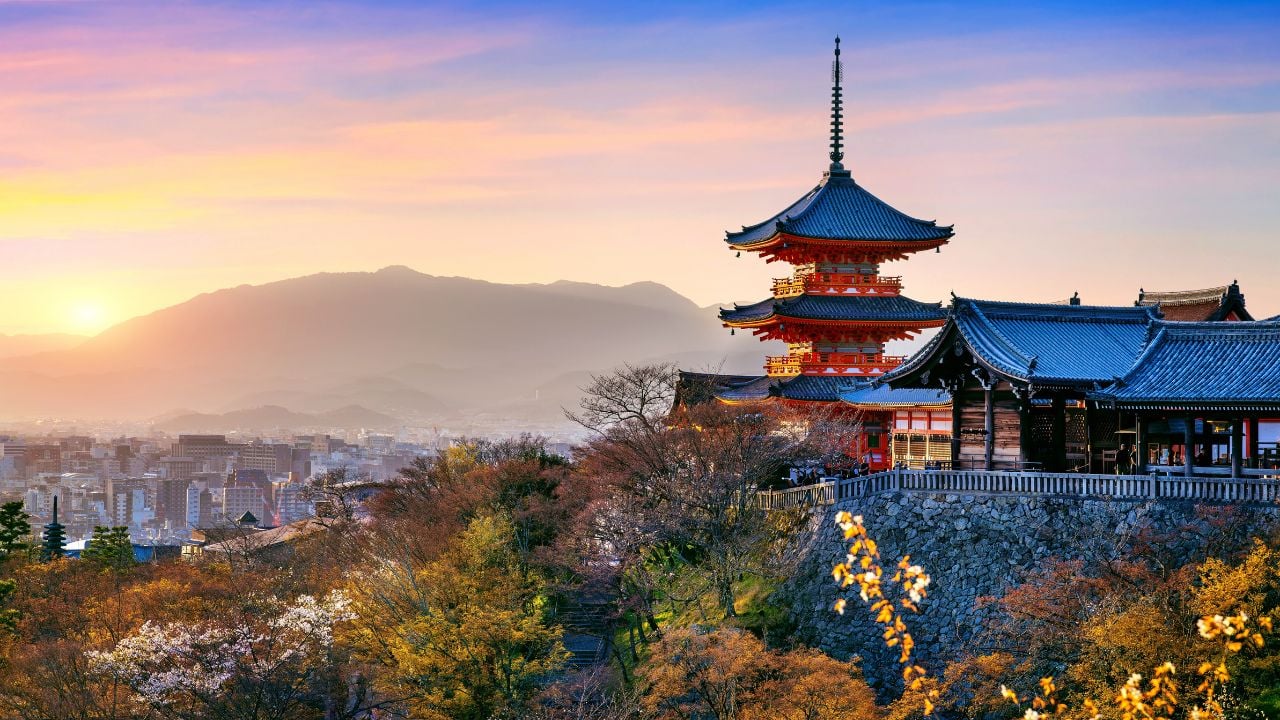
Kyoto’s biggest names are still worth seeing, but they suffer when every visitor arrives at the same hour. Fushimi Inari, Arashiyama, Kiyomizu-dera, and the lanes of Higashiyama can turn into slow-moving lines by the middle of the day.
For Fushimi Inari, go early if the torii-gate walk is the priority. For Arashiyama, reach the bamboo path before the midday crowd builds. For Kiyomizu-dera and Higashiyama, start before the surrounding lanes fill with tour groups and shop traffic.
Kyoto also gives visitors a tool for this exact problem. The city’s travel congestion forecast shows crowd forecasts around popular spots, real-time live-camera information, and suggestions for avoiding crowded times and places.
Check the forecast before leaving the hotel, then split the day between one famous stop and one quieter area. Kyoto becomes much less frustrating when visitors stop chasing the same temple circuit at the same hour as everyone else.
6. Yellowstone National Park, Wyoming, Montana, and Idaho
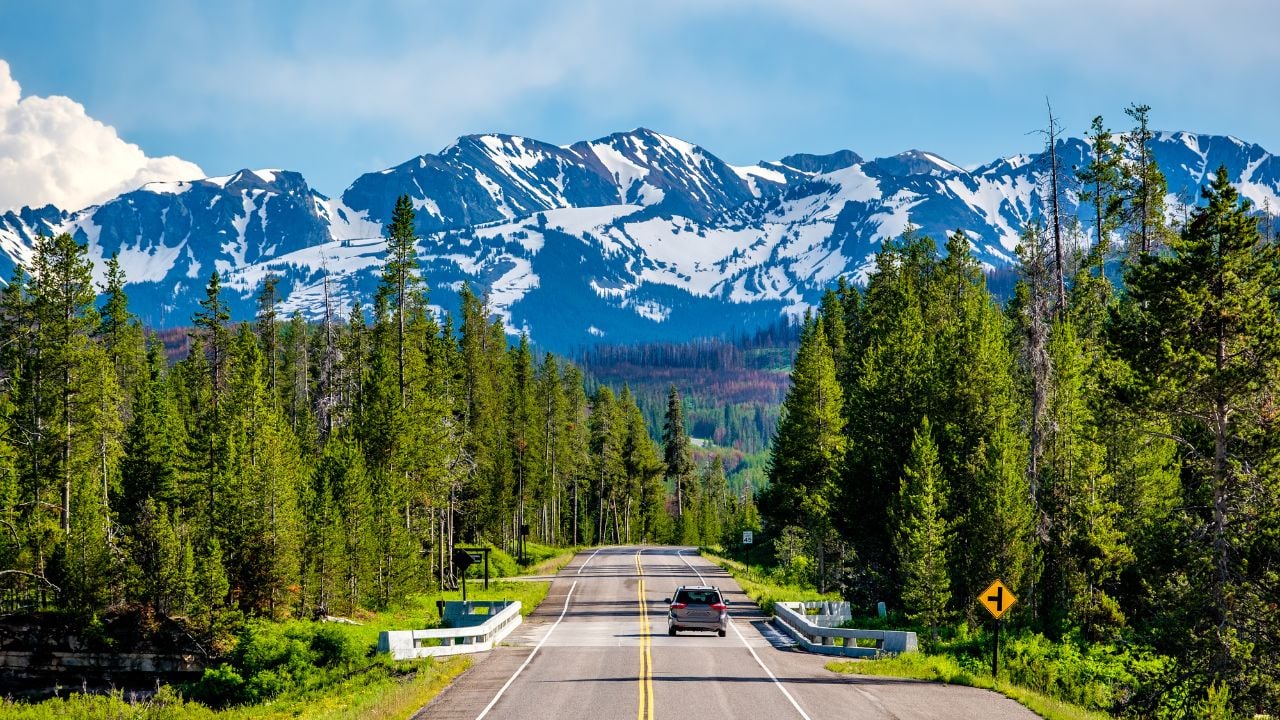
Yellowstone’s timing affects roads, parking, geyser basins, boardwalks, wildlife corridors, and how much patience the day requires. In peak season, areas around Old Faithful, Grand Prismatic Spring, Canyon Village, and other headline stops can slow down between late morning and afternoon.
The National Park Service gives direct summer crowd advice: arrive at a park entrance before 7 a.m. or after noon, and avoid main attractions during peak hours from 10 a.m. to 4 p.m.
An early start can mean open parking, cooler air, steam rising in the morning, and better odds of seeing wildlife movement before traffic builds. Late afternoon can also work well after the main wave of vehicles has moved through.
Use the 10 a.m. to 4 p.m. stretch for food, a quieter trail, a scenic drive away from the biggest lots, or a break near lodging. Yellowstone is too large for a good day built entirely around arriving late at every famous stop.
7. Taj Mahal, India

The Taj Mahal is one of the clearest cases for an early start. Sunrise brings cooler air, softer light on the marble, and fewer people in the main approach areas than the middle of the day. Late afternoon can also work for warm light, but heat and crowds can make the visit heavier in hotter months.
The official Taj Mahal site says the monument opens 30 minutes before sunrise and closes 30 minutes before sunset on normal operating days. It is closed on Fridays for general viewing.
Arrive before the gates open if sunrise is the plan. Security, tickets, bag rules, and the walk from the entrance take time, and the first clear view is easier to enjoy when visitors are not rushing through the approach.
Do not plan the visit for Friday, and do not treat midday heat as a small inconvenience. For most first-time visitors, sunrise gives the cleanest combination of light, temperature, and space.