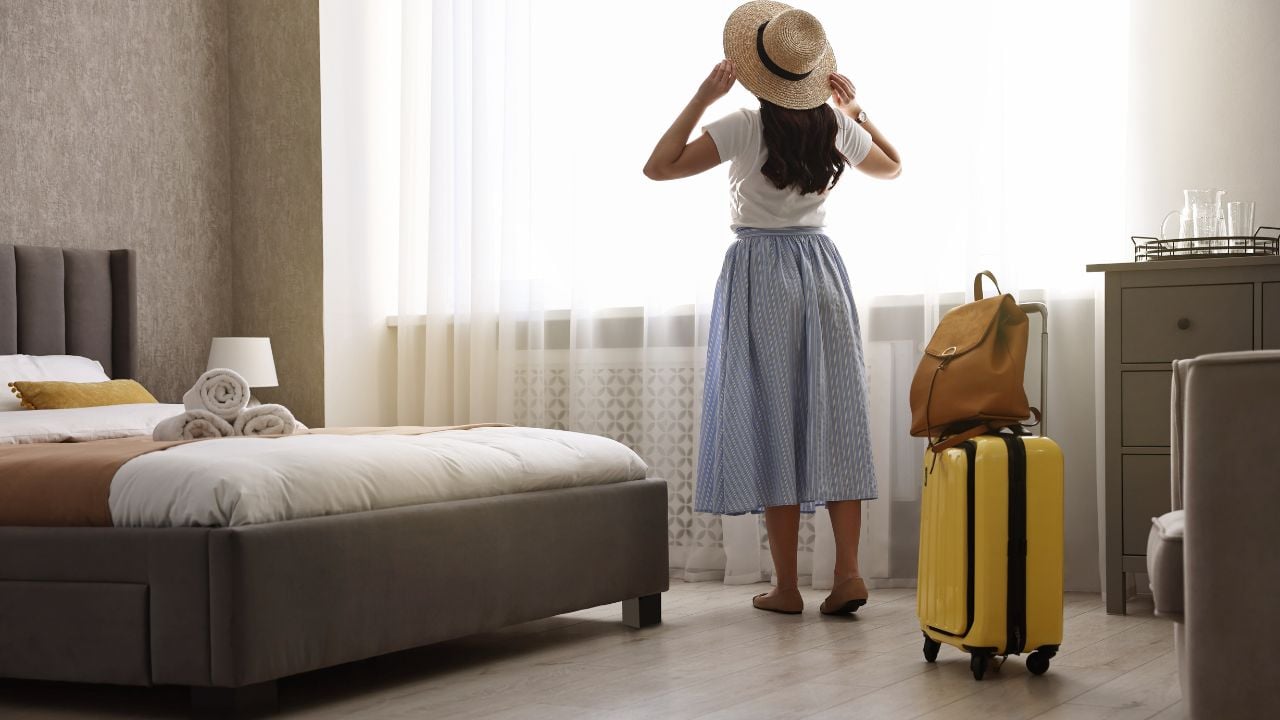
European hotel listings can look simple until the details start doing real work. A “double room” may mean one bed, not two. A four-star rating does not promise American-style floor space. A hotel may ask for passport details at reception. A prepaid room may still have a city tax due at the desk.
Those details do not make European hotels difficult. They make the wording worth reading. Before booking, Americans should check the bed setup, room size, tax notes, cooling, lift access, bathroom layout, plug type, voltage, and the real walk from the station or airport connection.
1. A “Double Room” Usually Means One Bed, Not Two

Room wording is one of the easiest places to make a bad booking. A double room usually means one bed for two people. A twin room usually means two separate beds. A family room may still have a strict guest limit, and a sofa bed may count as one of the listed sleeping spaces.
Travelers who need two real beds should not rely on photos alone. Check the room category, bed wording, occupancy limit, and square footage before paying. If the listing says “double or twin,” ask the hotel to confirm which setup is guaranteed.
A star rating does not tell travelers how much floor space they will have around the bed. Hotelstars Union explains that classification is based on numerous criteria, including room facilities, services, and catering. Its hotelier criteria also cover services, room features, food and beverage, leisure and event facilities, gastronomy, and online or quality activities.
A three-star hotel in a central historic building may have smaller rooms than a U.S. roadside chain. Look for square footage, luggage space, bathroom wording, and exact bed setup before choosing the cheapest room.
2. Reception May Need Passport Details

Hotel check-in can involve more paperwork than a domestic U.S. stay. Some properties may ask for passport details, nationality, address, signature, or a registration form before handing over the key.
Your Europe notes that some EU countries require visitors to report their presence to local authorities. When guests stay in a hotel, a special form is usually enough because the hotel handles the rest.
Keep the passport in a carry-on or personal bag, not at the bottom of a checked suitcase. A U.S. driver’s license may not be enough for hotel identity checks abroad.
If reception needs to scan or record passport details, ask when the document will be returned. A secure digital copy can help if the passport is lost, but the physical passport may still be needed for check-in and official procedures.
3. Tourist Taxes May Be Collected Separately

A prepaid room is not always fully paid. Tourist taxes, city taxes, local charges, breakfast, parking, and extra guest fees may appear in the booking breakdown or at the property.
Paris gives a clear example. The official tourist office says the city’s tourist tax must be displayed at the accommodation and appear on the invoice, but Paris je t’aime notes that it is not always included in the accommodation price. The hotelier, proprietor, or owner may ask the traveler to pay it separately.
The charge may depend on the destination, accommodation type, star category, and number of nights. Before booking, open the full price breakdown and look for “city tax,” “tourist tax,” “local charge,” “taxes and fees,” or “due at property.”
Compare the final stay cost, not the first nightly rate in search results. A room that looks cheaper can lose its advantage once local taxes, breakfast, luggage storage, or parking are added.
4. Air-Conditioning Should Be Written Clearly in the Room Amenities
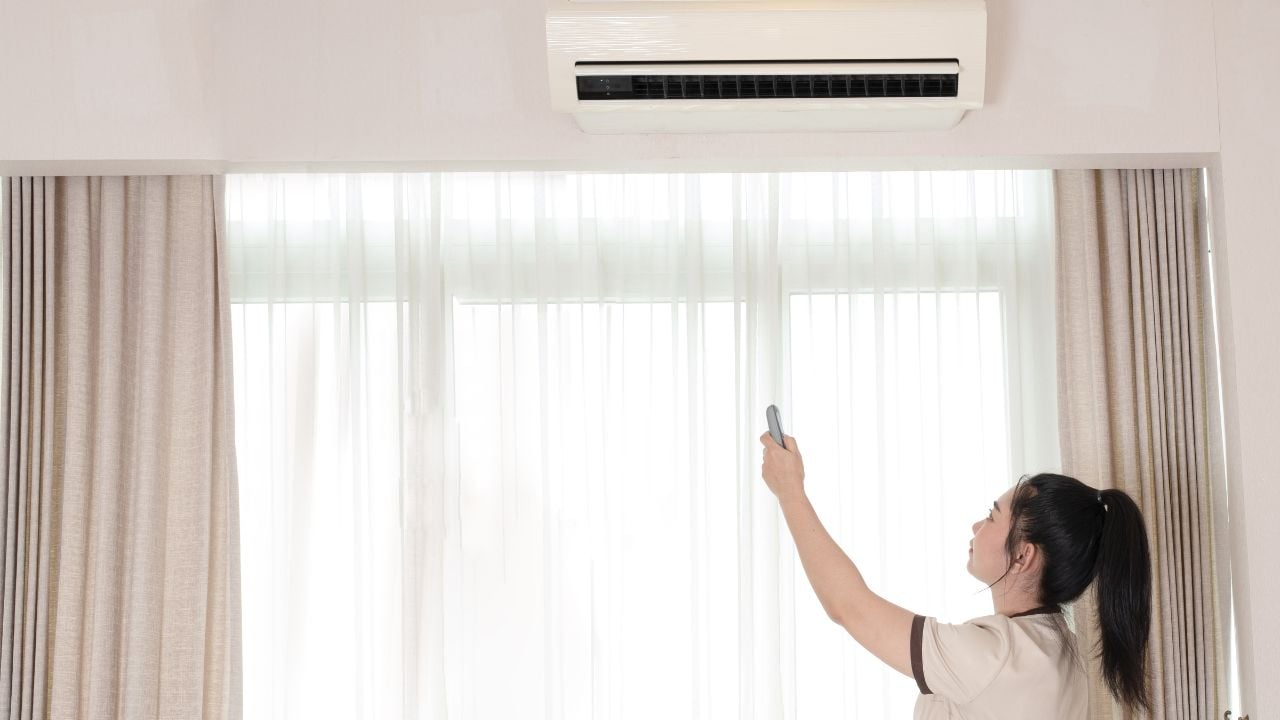
Air-conditioning is not automatic in every European hotel, especially in older buildings, smaller properties, top-floor rooms, and cooler-weather regions. A listing that mentions a fan, ventilation, climate control, or seasonal cooling may not offer the strong room-by-room cooling many Americans expect.
Look for the exact words “air-conditioning” in the room amenities. Then check recent reviews from the same season. A room that feels comfortable in April can stay warm in July, especially under the roof or above a busy street.
Ask whether the booked room has its own cooling, whether the system is available during the travel month, and whether guests can control the temperature. Some hotels may cool only certain rooms or operate air-conditioning only during set seasonal periods.
Light sleepers should also check whether windows open and whether open windows bring street noise, restaurant noise, tram sounds, or early deliveries.
5. A Lift May Not Remove Every Stair
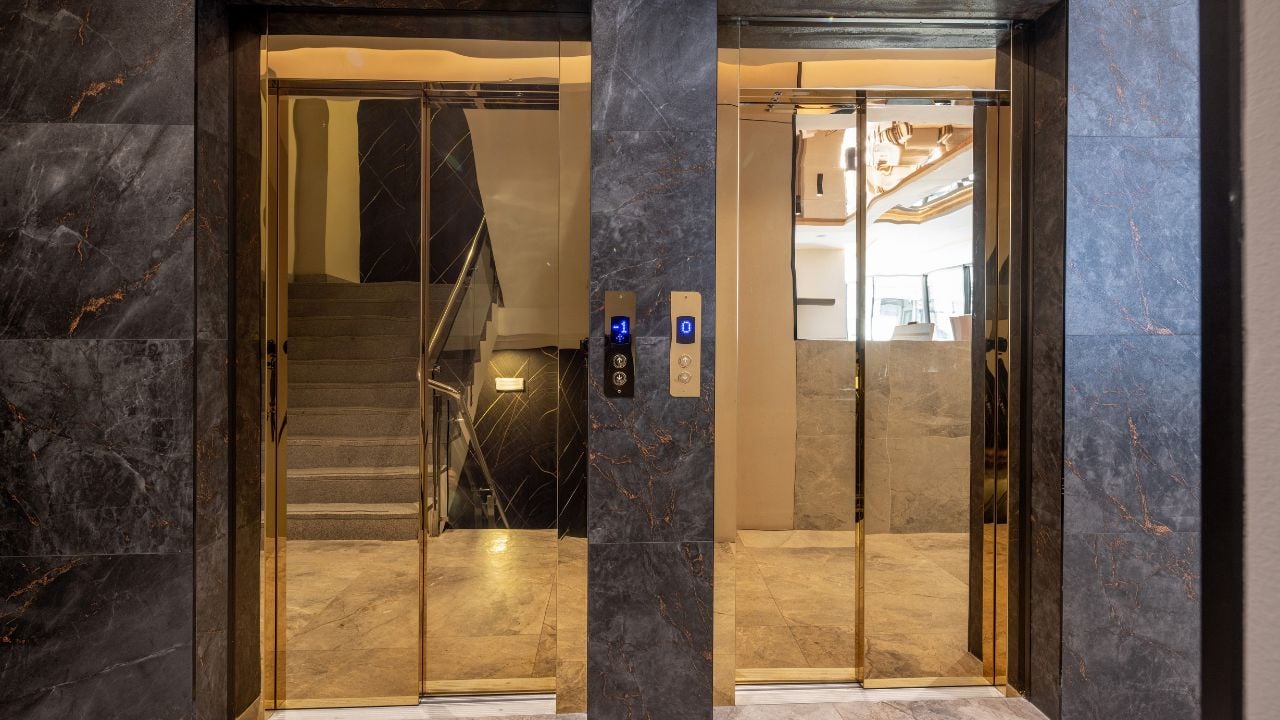
Historic European hotels can have steep staircases, small lifts, split-level corridors, half-landings, narrow halls, and rooms reached by a few extra steps after the elevator. A listing can truthfully say “lift” while still requiring stairs somewhere between the street and the bed.
Heavy luggage makes those details more important. So do children, strollers, knee problems, wheelchairs, walkers, or late arrivals after a long flight.
Bathrooms can also differ from American expectations. Showers may be compact. Tubs may have handheld showerheads. Wet-room floors may stay damp after use. Glass screens may cover only part of the tub or shower area.
Before booking, ask direct questions: Does the lift reach the booked floor? Are there stairs from the street to reception? Are there steps between the lift and the room? Is the shower walk-in or inside a tub? Is the bathroom private and inside the room?
6. A Plug Adapter Is Not a Voltage Converter
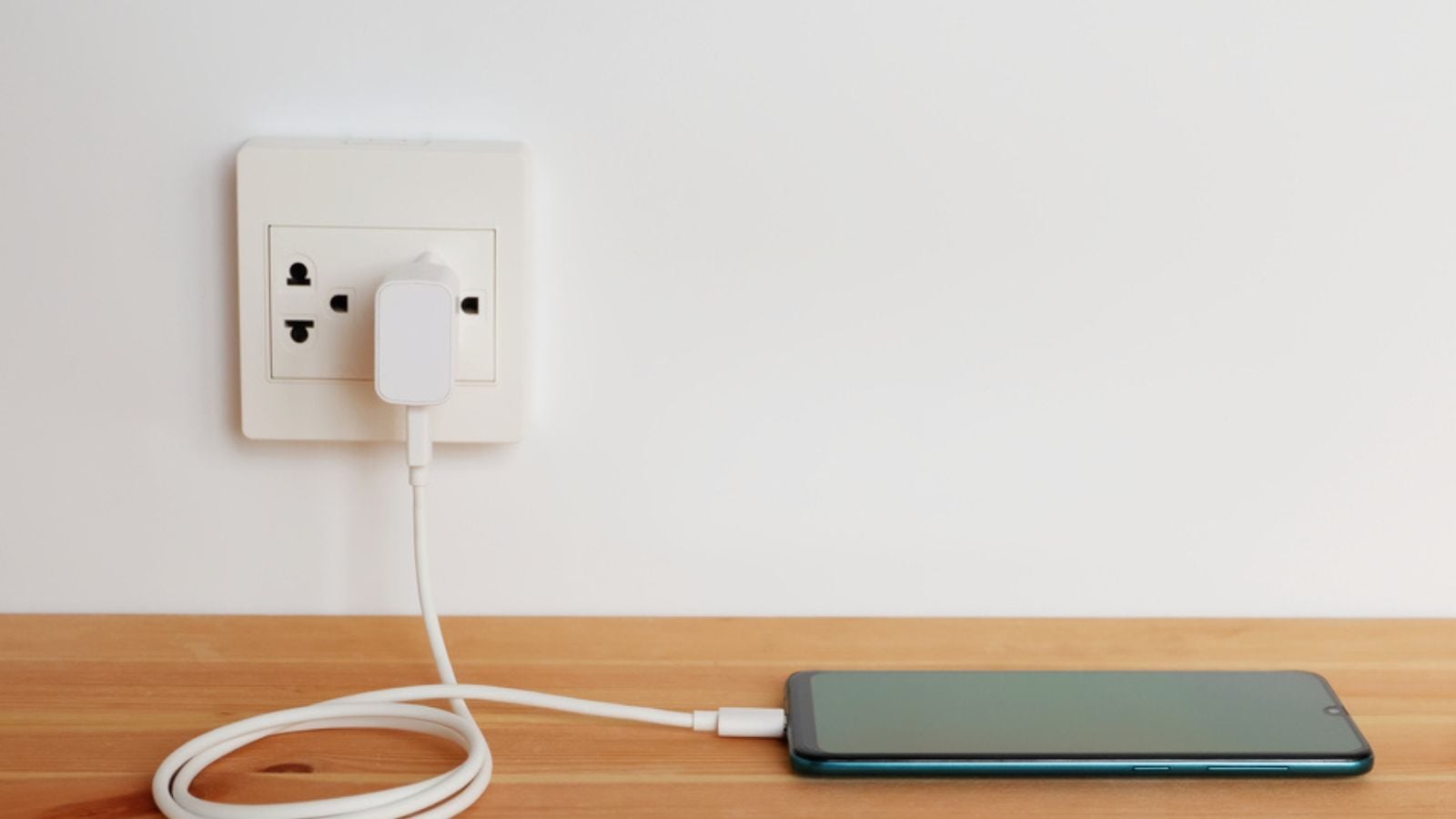
European outlet needs vary by country. The United Kingdom uses Type G plugs, while Switzerland uses Type C and Type J plugs. Many continental European countries use round-pin plug types, but one adapter may not cover every stop on a multi-country trip.
Electrical Safety First says the United Kingdom uses plug type G and operates on a 230V supply voltage at 50Hz. Its Switzerland guidance says Switzerland uses plug types C and J and also operates on a 230V supply voltage at 50Hz.
The same guidance warns that a travel adapter does not convert voltage or frequency. It only changes the plug connection.
Most modern phone and laptop chargers are designed for multiple voltages, but travelers should check the label before plugging anything in. Hair dryers, curling irons, steamers, shavers, and other heat-producing devices can be risky if they are not rated for the local voltage. Use hotel-provided hair tools when possible.
7. “Central” Still Needs a Luggage Test

A hotel can look close to the center on a map and still be awkward on arrival. The walk may include cobblestones, hills, stairs, bridges, underpasses, confusing entrances, or a final block that feels longer with two suitcases.
Check the route from the airport train, main station, ferry port, parking garage, or bus stop to the hotel entrance. Do not rely only on straight-line distance. Look at the actual walking path, elevation, transit changes, and the station exit closest to the hotel.
Then check the return route after dinner. A hotel near a noisy bar street, steep lane, dark park, or last-metro problem may not feel as convenient as it looked during booking.
Recent reviews can reveal what photos hide: stairs, street noise, weak air-conditioning, construction, confusing entrances, luggage drag, or a helpful transit stop nearby. Check the walk from the arrival station with luggage, then check the walk back from dinner after dark.