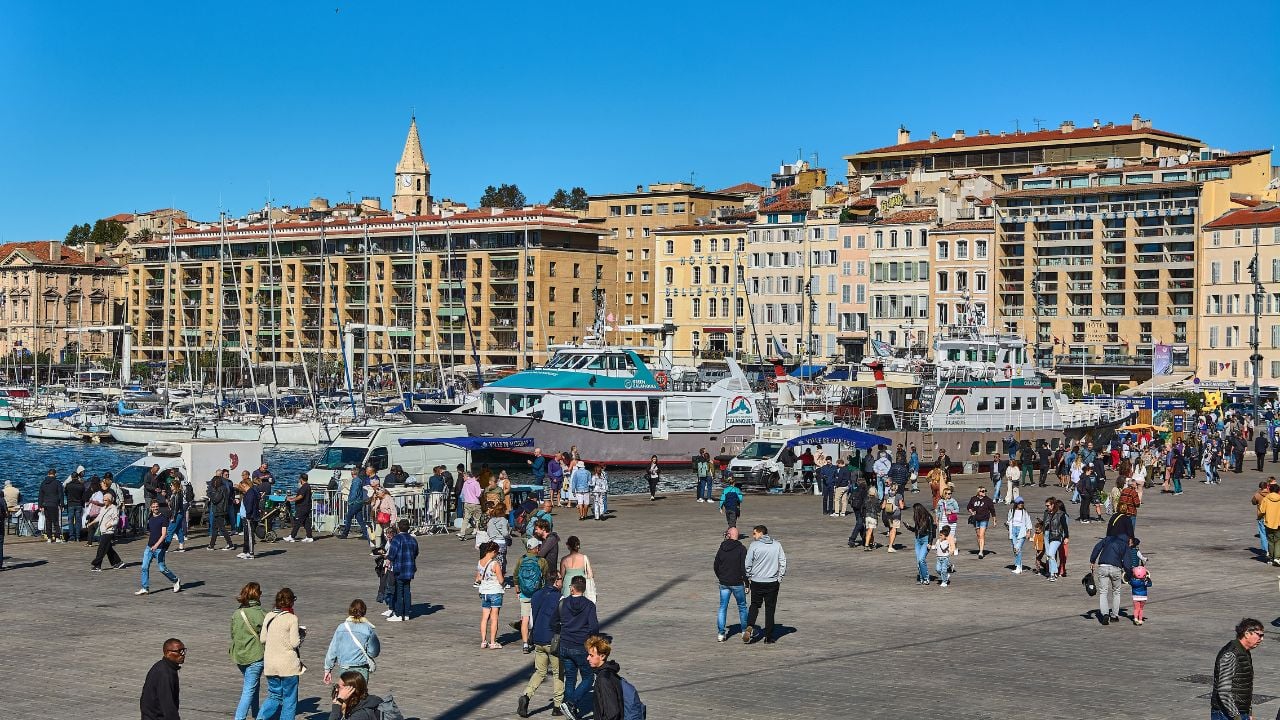
Europe remains one of the world’s easiest regions for independent travel, yet that broad reputation can hide some uncomfortable local realities. A city can have grand architecture, famous museums, busy waterfronts, and strong food culture, then still leave visitors more exposed to theft, street disorder, or opportunistic trouble than they expected.
For this list, the most useful starting point is Numbeo’s current Europe Crime Index, followed by a second check against official travel advisories that describe the kinds of problems outsiders are most likely to face on the ground. Just as important, Numbeo is a perception-based index rather than an official police-crime ranking, so it works best as a traveler warning signal, not as the final word on any city.
As of April 19, 2026, the current Europe table places Marseille, Birmingham, Grenoble, Naples, Coventry, Montpellier, and Lyon near the top. That does not mean every trip to these places goes wrong, and it certainly does not mean they have nothing worth seeing. Several are major cultural cities with genuine appeal.
What it does mean is that a carefree travel style, the one built around wandering with a phone in hand and luggage half-zipped, carries more downside here than in many rival destinations. In most of these urban areas, the main risk to visitors is not dramatic violence but fast, costly disruption through pickpocketing, bag snatching, phone theft, scams, and badly judged late-night movement. For travelers who want a smoother trip, that distinction matters.
1. Marseille
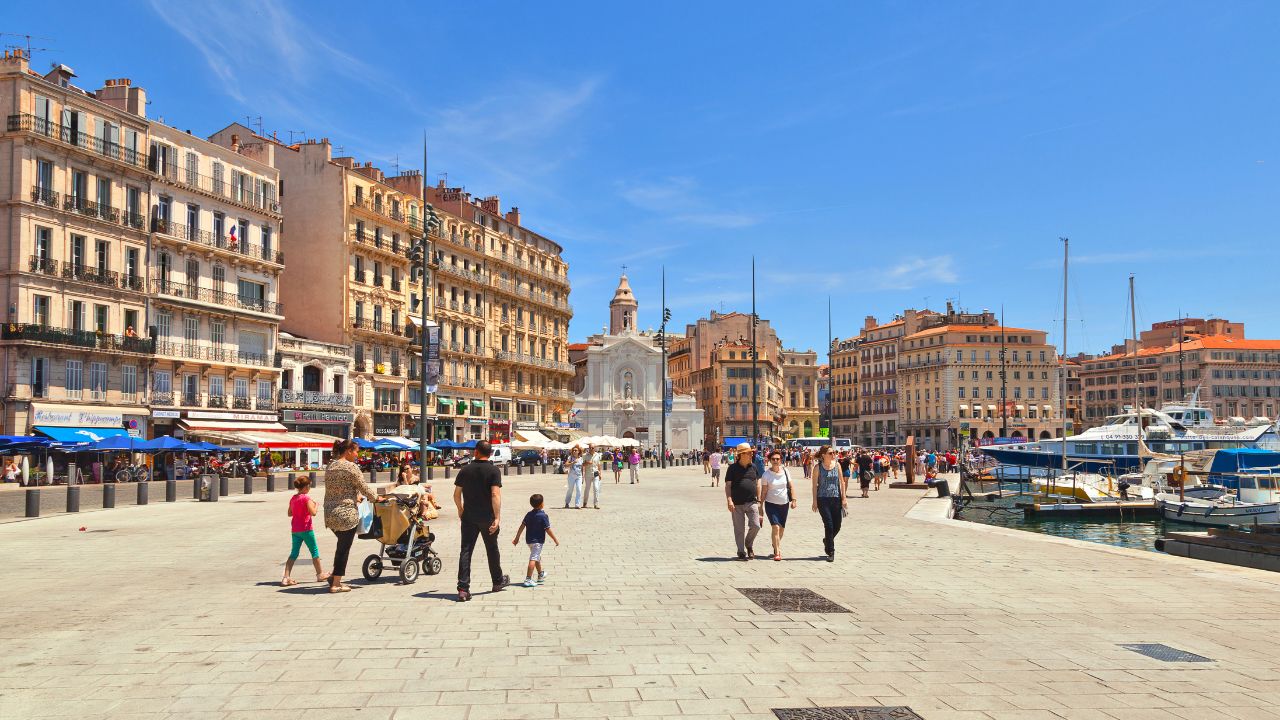
Marseille currently tops Numbeo’s Europe table, which is enough on its own to make cautious travelers pause before booking a loose, spontaneous city break. Official France travel guidance adds practical context by warning that passport theft, pickpocketing, bag snatching, and phone theft are common, especially in busy summer periods and on public transport serving tourist-heavy areas.
That matters because Marseille is exactly the sort of place where many visitors arrive juggling luggage, checking maps, and assuming the Mediterranean setting will keep the experience relaxed.
The city still has real strengths, from its port atmosphere to its food and coastal access, but it rewards a focused visitor more than a dreamy one. Travelers with a clear transfer plan, valuables out of sight, and a stricter approach to late-night movement stand a much better chance of enjoying it.
The trouble here often lives in the in-between moments: outside transport hubs, during distracted walks, or while waiting with bags in public view.
2. Birmingham

Birmingham sits second on the current Europe ranking, which catches many people off guard because the city is more often discussed through shopping, nightlife, football, and major events than through safety concerns.
Yet official United Kingdom travel advice still warns that petty crime is common, including pickpocketing, purse snatching, and theft in restaurants, pubs, bars, and other crowded public settings. That makes Birmingham less of a shocking outlier and more of a place where ordinary lapses can become expensive very quickly.
Most visitors will not face serious trouble if they stay switched on, but the weak points are easy to picture. A rushed evening after a concert, a bag left on the back of a chair, a phone held out while checking directions, or a tired walk back from the station can be enough. Birmingham is far from unvisitable, but it is not the city for sloppy habits.
3. Grenoble
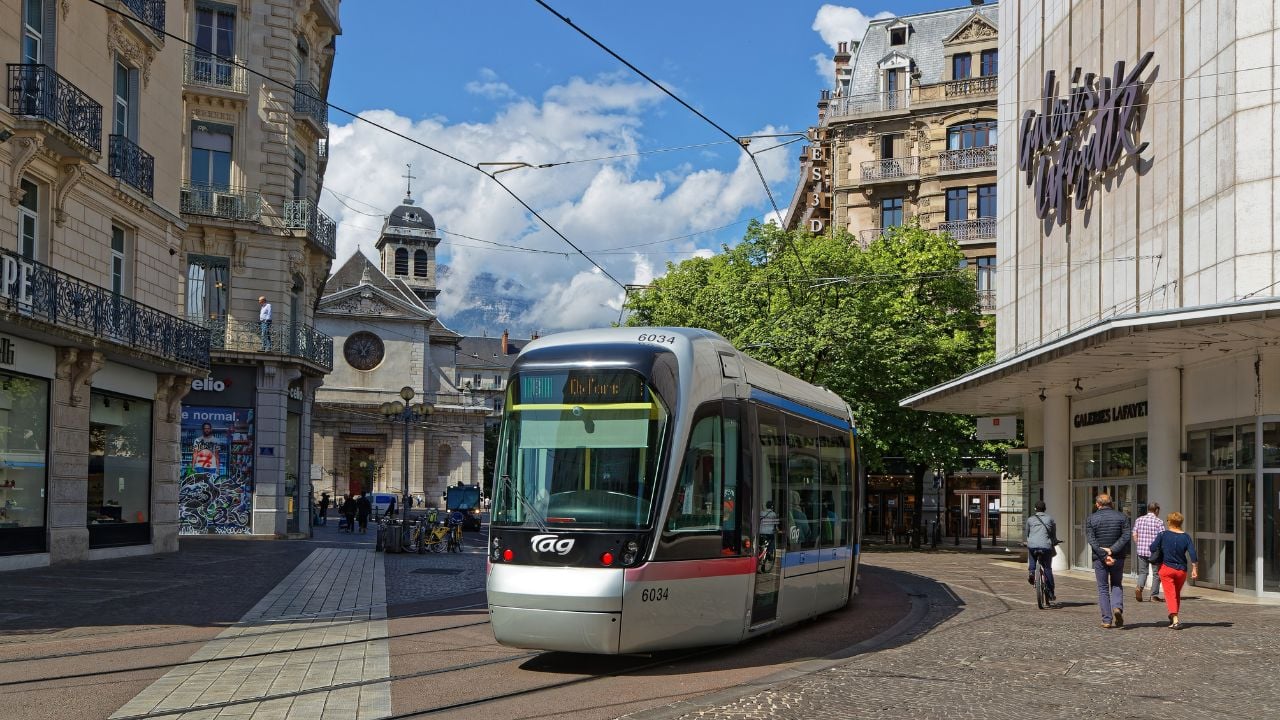
Grenoble ranks third on the current Europe table, which may sound surprising for a place many outsiders associate first with Alpine scenery and outdoor access. That is exactly why perception-based rankings can be useful.
A mountain backdrop can make a destination look orderly and calm, even though travelers still move through stations, tram stops, central streets, and busy public corridors where theft risk does not disappear just because the skyline is attractive.
For visitors, Grenoble can become awkward precisely because it often serves as a transit point before or after time in the mountains. That means more people handling ski bags, hiking gear, cameras, and weekend luggage while mentally focused on the next leg of the trip.
Opportunists love that kind of distracted body language. If you are using Grenoble as a base, arrival and departure hours are the moments to treat most carefully.
4. Naples
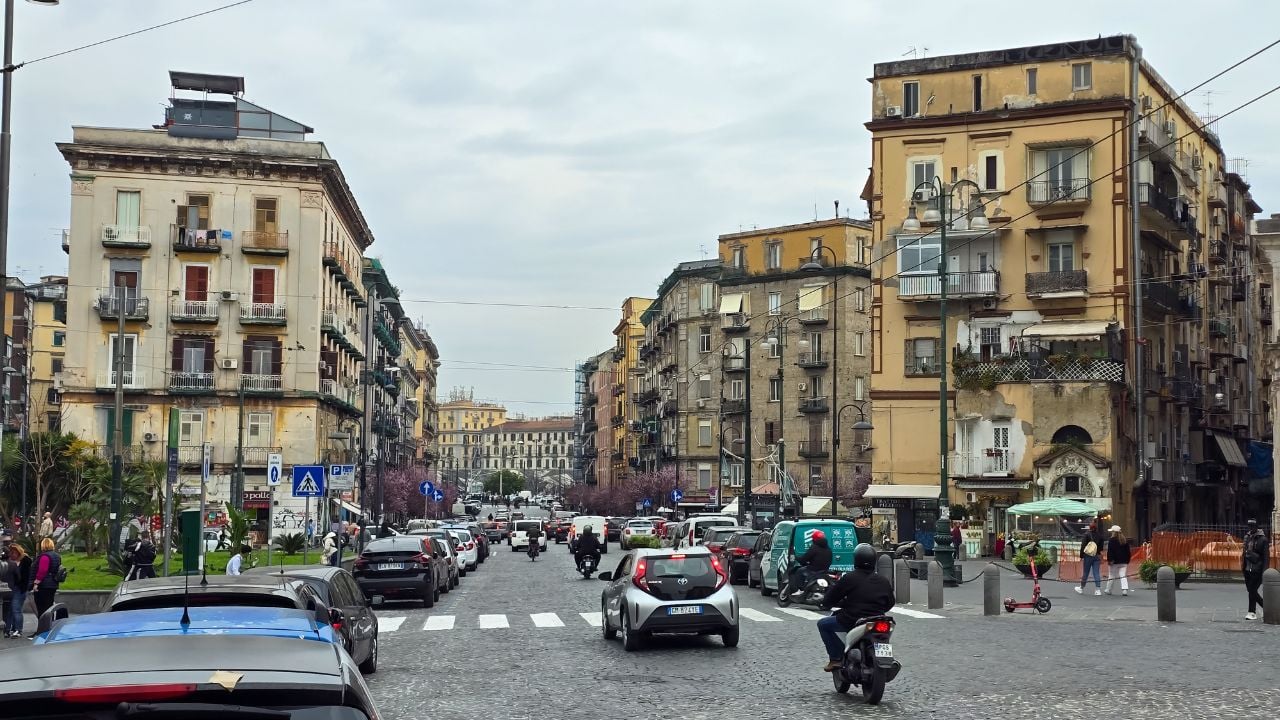
Naples holds fourth place on the current Europe Crime Index, and that fits neatly with long-running official warnings about petty theft in Italy. U.S. travel guidance for Italy says pickpocketing is common on public transport and in crowded areas, while other official advisories stress the same problems around city centers, tourist sites, and major train stations.
That description feels especially relevant in Naples, where first impressions often happen in fast-moving, crowded spaces that can overwhelm first-time arrivals.
None of this erases Naples’s strengths. The city has thrilling energy, unforgettable food, layered history, and a personality many polished European breaks simply cannot match.
Still, it punishes careless travel behavior more harshly than more buttoned-up Italian favorites do. If you arrive organized, move with purpose, and treat station areas as logistics zones rather than sightseeing space, the odds improve considerably.
5. Coventry

Coventry ranks fifth on the current list, which is exactly why it deserves more attention than it usually gets in travel writing. Unlike a headline city such as Naples or Marseille, Coventry does not arrive with a dramatic international reputation, so some visitors may drop their guard too quickly. Comparative data suggests that would be a mistake. A place does not need cinematic notoriety to produce a stressful, costly travel day.
The broader United Kingdom guidance still matters here because it warns that theft is common in public venues and that criminals often use distraction techniques to steal belongings. That risk is especially relevant for people coming in for matches, concerts, university events, or quick weekend visits.
The issue in Coventry is not that every street feels threatening. It is that ordinary settings can tempt travelers into acting as though nothing can go wrong.
6. Montpellier
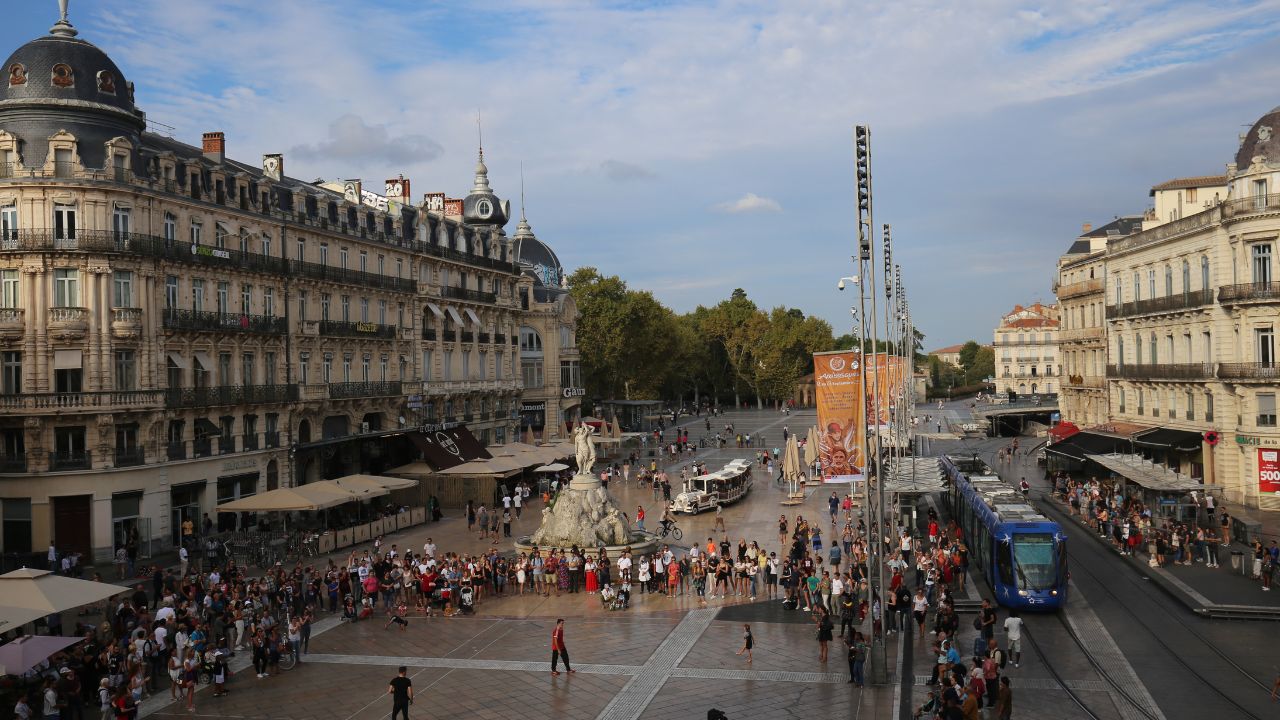
Montpellier stands sixth in the current Europe ranking, ahead of many bigger and better-known names. That can feel counterintuitive because the city is often imagined through sunshine, student life, handsome streets, and a polished southern mood.
Yet the same Franch safety guidance keeps stressing the familiar weak spots: phone theft, pickpocketing, bag snatching, busy transport routes, and crowded urban settings where people let their guard down too easily.
Summer makes that mismatch sharper. More nightlife, more outdoor social life, and more people drifting casually through busy central zones create ideal conditions for quick grabs.
A relaxed dinner city can still become a frustrating place to lose a wallet, phone, or passport holder in one distracted moment. Montpellier may charm visitors quickly, but it is not a destination where loose habits are likely to be forgiven.
7. Lyon
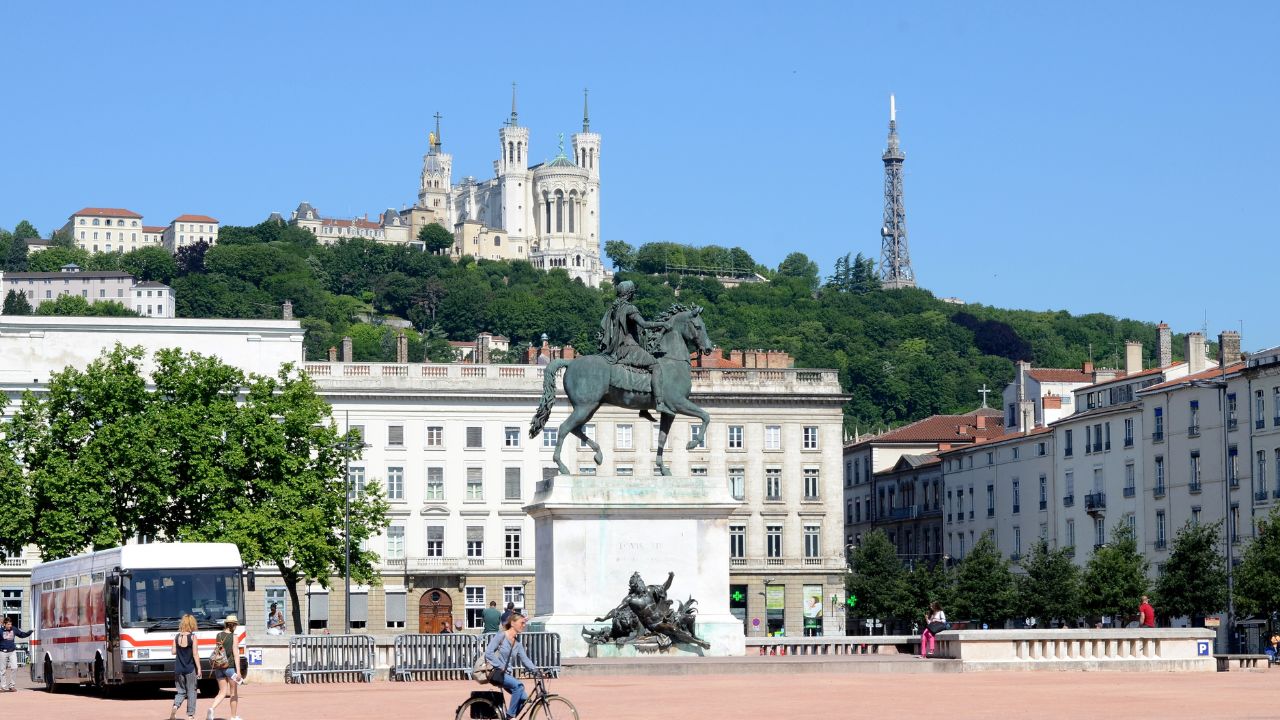
Lyon rounds out this list in seventh place, a notable result given how often it is praised as one of France’s most refined urban escapes. The city is celebrated for gastronomy, elegant neighborhoods, and strong cultural credentials, so many travelers approach it in a completely different mental category from rougher-sounding names. Current perception data suggests that confidence should be tempered. Polished surroundings can create a false sense of ease.
That is often where the trouble begins. Someone who feels comfortable in a smart dining district may become less careful on the tram, less alert outside a rail hub, or less protective of a bag placed beside a café chair. Lyon still offers plenty to like, but it is best for visitors who pair good taste with street awareness.
The real takeaway is not that these cities are unvisitable. It is that some European destinations demand a more deliberate travel style than their image suggests. When you know the main risk is fast-moving theft and opportunism rather than some cinematic idea of danger, you can plan better, move better, and keep a worthwhile trip from turning into an expensive hassle.