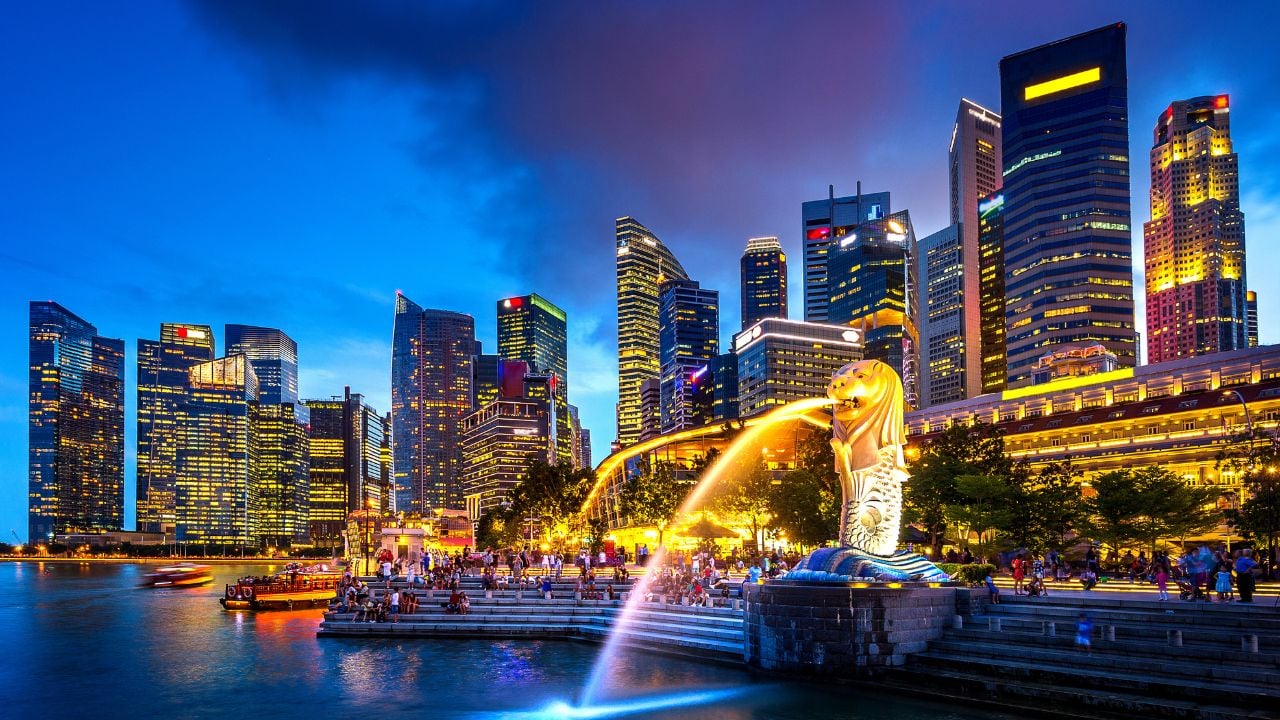
Some cities cost visitors time before the first real stop of the day. A bad hotel location can turn every outing into a transfer. Poor parking can make a rental car feel like a burden. Spread-out sights can leave travelers spending more time checking maps than seeing the place they came for.
The cities below remove some of that friction. Copenhagen gives visitors useful bike routes and a metro that reaches key areas. Vienna’s subway, tram, and bus network makes a palace-and-museum itinerary possible without a car. Ljubljana’s car-free center lets travelers move between the river, bridges, market, cafés, and castle area on foot.
Singapore is the cleanest example of a large city where transit does a lot of work for the traveler. Vancouver pairs downtown transit with waterfront walking and cycling routes. Portland, Maine, keeps much of its weekend appeal around the Old Port, while Québec City puts its historic core, viewpoints, shops, and cafés close enough for a walking-focused trip.
None of these places removes the need to choose the right base. A hotel far from transit can make Vienna or Singapore less convenient. A car-free Portland plan works best near the Old Port, not far outside town. In Québec City, hills and winter weather can change how easy a walking day feels.
1. Copenhagen, Denmark
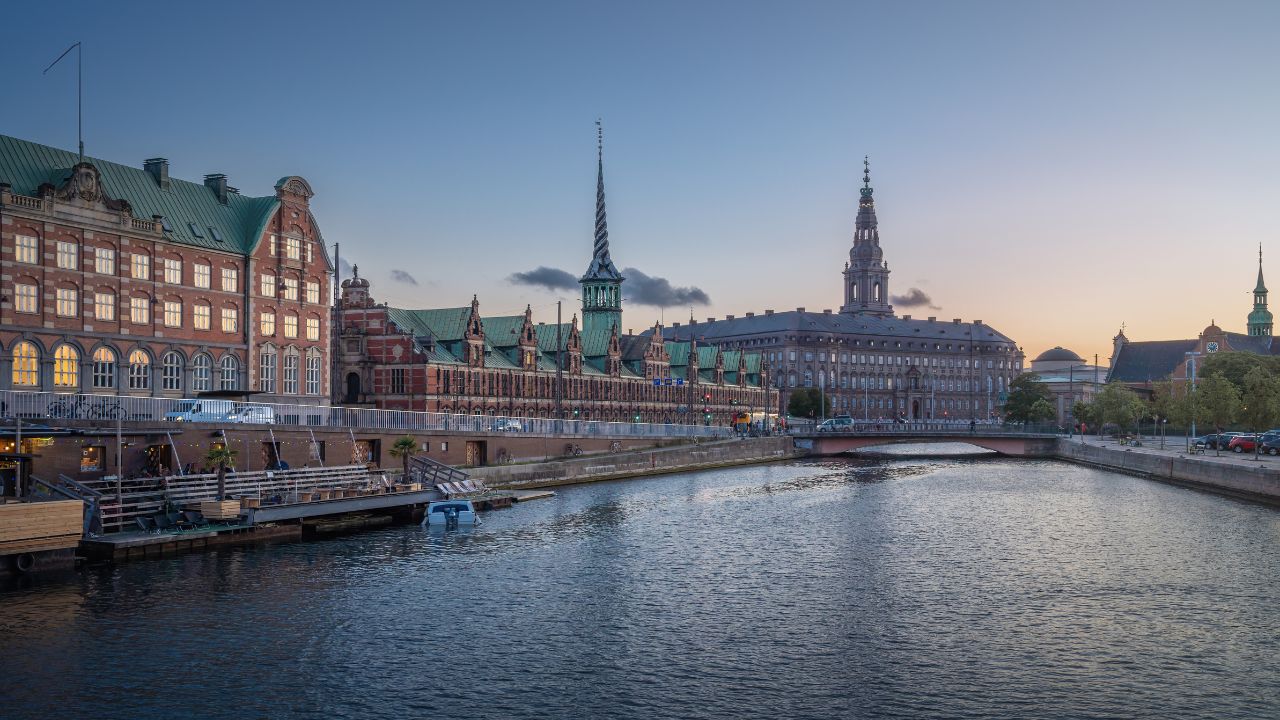
Copenhagen does not force visitors to choose between walking forever and paying for taxis. The city’s official tourism site says biking and public transportation are among the easiest and fastest ways to get around, and it points to the metro as a system that connects the city. That gives travelers a practical way to combine harbor walks, museums, shopping streets, food halls, and canal areas in one day.
The first useful decision is hotel location. Staying near a metro station, Nyhavn, Kongens Nytorv, Nørreport, or the central waterfront keeps short rides and walks realistic. A traveler can start around the old harbor, move toward palace squares and design shops, then continue toward food markets or waterfront neighborhoods without building the day around car traffic.
Bikes add range, but they require attention. Copenhagen’s cycling culture is local transportation, not a slow sightseeing parade. Visitors should follow lane direction, use hand signals, avoid sudden stops, and keep out of the way of commuters who ride the same routes every day.
Travelers who prefer not to bike can still cover plenty by metro and walking. Copenhagen is easiest when the day is planned as a set of short neighborhood jumps rather than one long march across the city.
2. Vienna, Austria
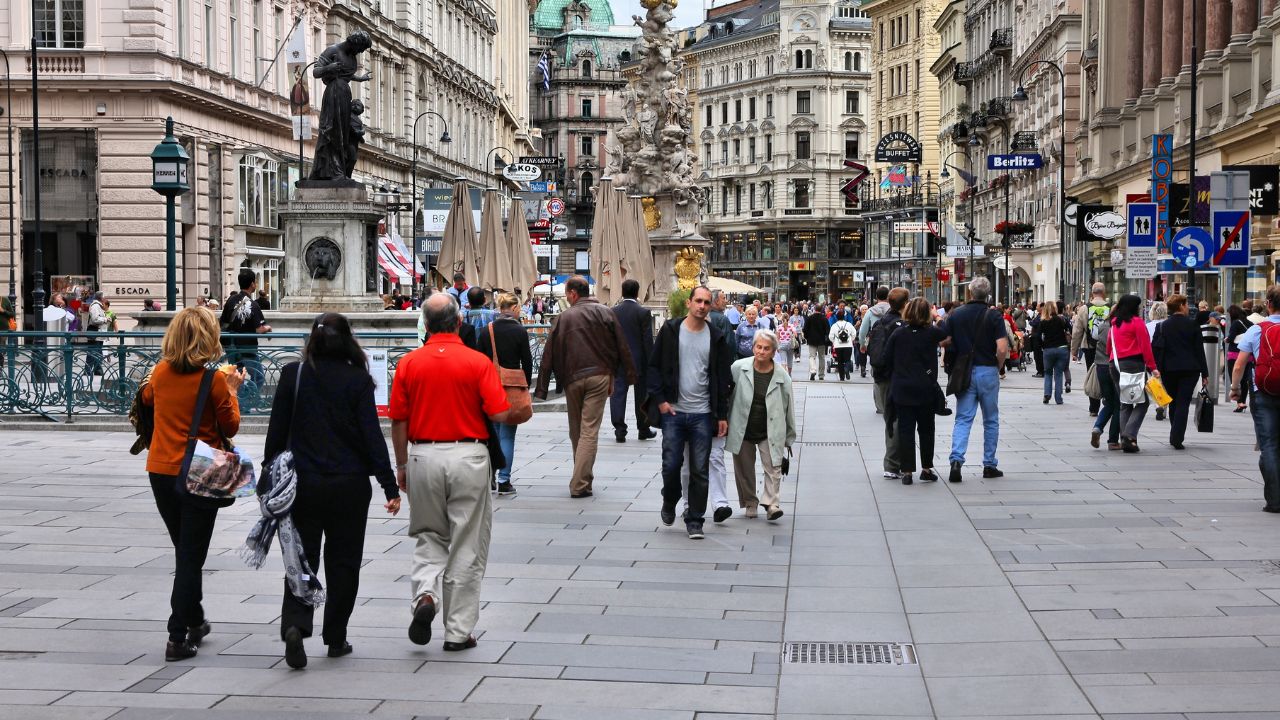
Vienna looks like a city built for formal plans, but visitors can move through it without renting a car. The official tourism site says the city has a well-developed public transportation network, with quick and reliable travel by subway, streetcar, and bus. That network is useful because the strongest visitor stops are not all packed into one small district.
The historic core covers Stephansplatz, Graben, Kärntner Strasse, Hofburg, and the Ringstrasse. A visitor can walk that area, then use transit for longer jumps to Schönbrunn Palace, Belvedere, Prater, or outer neighborhoods. That saves time because Vienna’s scale can look smaller on a tourist map than it feels after several hours on foot.
The city also suits travelers who want a structured day without complicated logistics. A museum visit, coffeehouse stop, palace garden, and evening performance can fit together without parking garages or repeated taxi rides. Families and older travelers can use transit to reduce long walking stretches between major stops.
Vienna becomes less convenient when the hotel is far from a U-Bahn station. For a short trip, a room inside or near the Ringstrasse area can remove repeated transfers from the itinerary.
3. Ljubljana, Slovenia

Ljubljana is easy because the center removes one of the usual city-break headaches: cars. Visit Ljubljana says the city center has been closed to motor traffic since 2007 and now includes 20 hectares of pedestrian zones. That car-free area gives visitors a simple route between the river, bridges, market, squares, cafés, and castle access points.
The Ljubljanica River acts like a natural guide through the center. Travelers can follow the water, cross between bridges, stop at the Central Market, return toward Prešeren Square, and continue to the castle funicular without needing a transit plan. The core is small enough for a relaxed half-day and dense enough for a full day with long meals and coffee stops.
The city’s size is part of the advantage. Ljubljana does not require visitors to pick between ten major districts on a first visit. The main decision is whether to stay at river level, climb toward castle views, or use the funicular to save time and energy.
Ljubljana also pairs well with Slovenia’s more spread-out sights. Travelers heading to Lake Bled, the Julian Alps, Postojna Cave, or the coast can use the capital as an easy walking day before the car- or bus-heavy parts of the trip.
4. Singapore
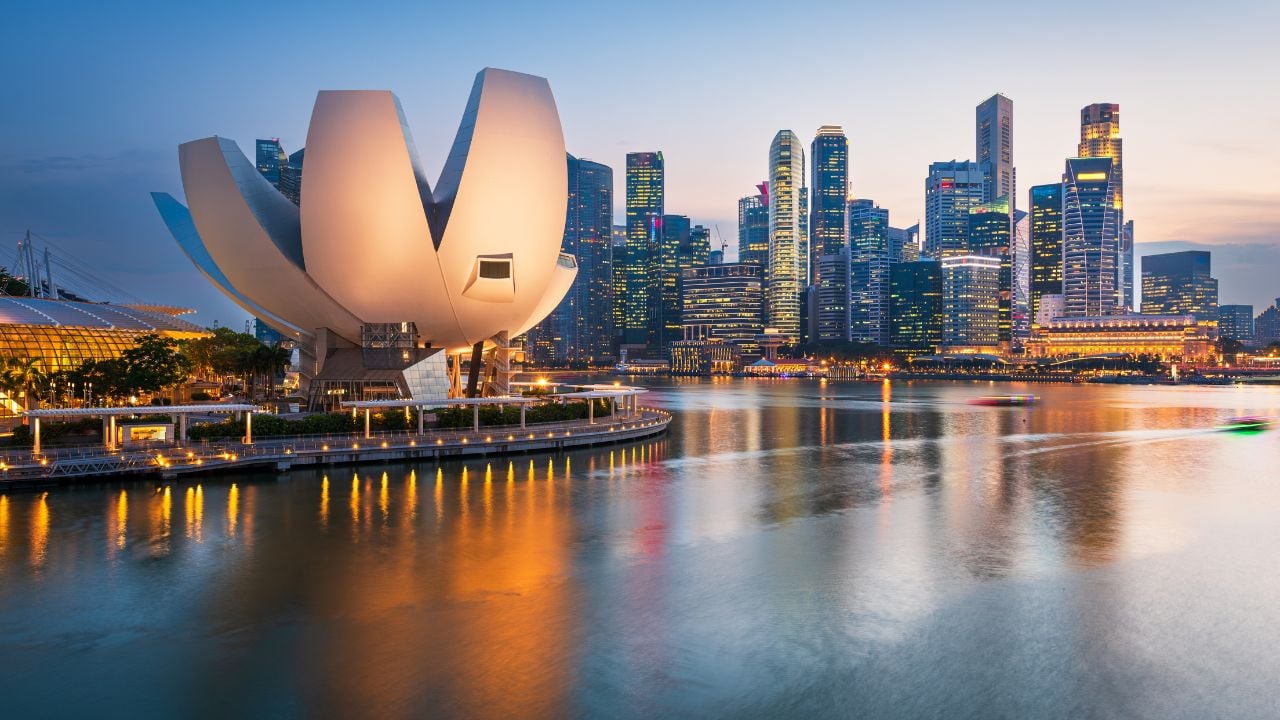
Singapore is the most polished large-city choice on this list for travelers who want transit to do the heavy lifting. Visit Singapore says the MRT and bus systems have an extensive network of routes that help visitors move around the city. The Singapore Tourist Pass also offers unlimited travel on basic bus services, MRT trains, and LRT trains during the pass validity period.
The benefit shows up fast on a first visit. Marina Bay, Gardens by the Bay, Chinatown, Little India, Kampong Gelam, Orchard Road, Clarke Quay, and Sentosa connections can be arranged around rail and bus stops. Clear signage and clean stations reduce the usual first-day confusion that comes with a big unfamiliar city.
Singapore is not a place to ignore posted rules. Transit stations, parks, hawker centers, and public areas often make expectations clear through signs and fines. Travelers should pay attention to restrictions on food, drink, smoking, littering, and public behavior instead of assuming the rules match other Asian stopover cities.
The easiest way to plan a short stay is by clustering neighborhoods. Pair Marina Bay with Gardens by the Bay, combine Chinatown with the riverfront, or visit Little India and Kampong Gelam on the same outing. That keeps the day efficient without turning the trip into a sequence of random cross-island rides.
5. Vancouver, Canada

Vancouver makes a short trip easier when visitors stay close to downtown, the waterfront, or a SkyTrain route. The City of Vancouver’s visitor transit guide points travelers toward SkyTrain, buses, SeaBus, West Coast Express, and public bike share. That range helps visitors combine city neighborhoods with harbor views and waterfront paths without making every outing car-dependent.
The seawall is the city’s biggest planning shortcut. A visitor can walk or bike sections near Coal Harbour, Stanley Park, False Creek, or Yaletown and still remain close to restaurants, hotels, transit stops, and skyline views. Granville Island needs a bit more planning, but it can be linked with walking, biking, transit, water taxi service, or a short ride from downtown.
A rental car becomes more useful when the trip stretches beyond the city. Squamish, Whistler, ferry terminals, suburban parks, and some North Shore stops are easier with wheels or a dedicated tour plan. For a downtown-focused weekend, parking costs and traffic can make a car more annoying than helpful.
Vancouver’s easiest version is a waterfront-based itinerary. Stay central, use transit for longer jumps, and save the car for mountain, ferry, or regional days.
6. Portland, Maine
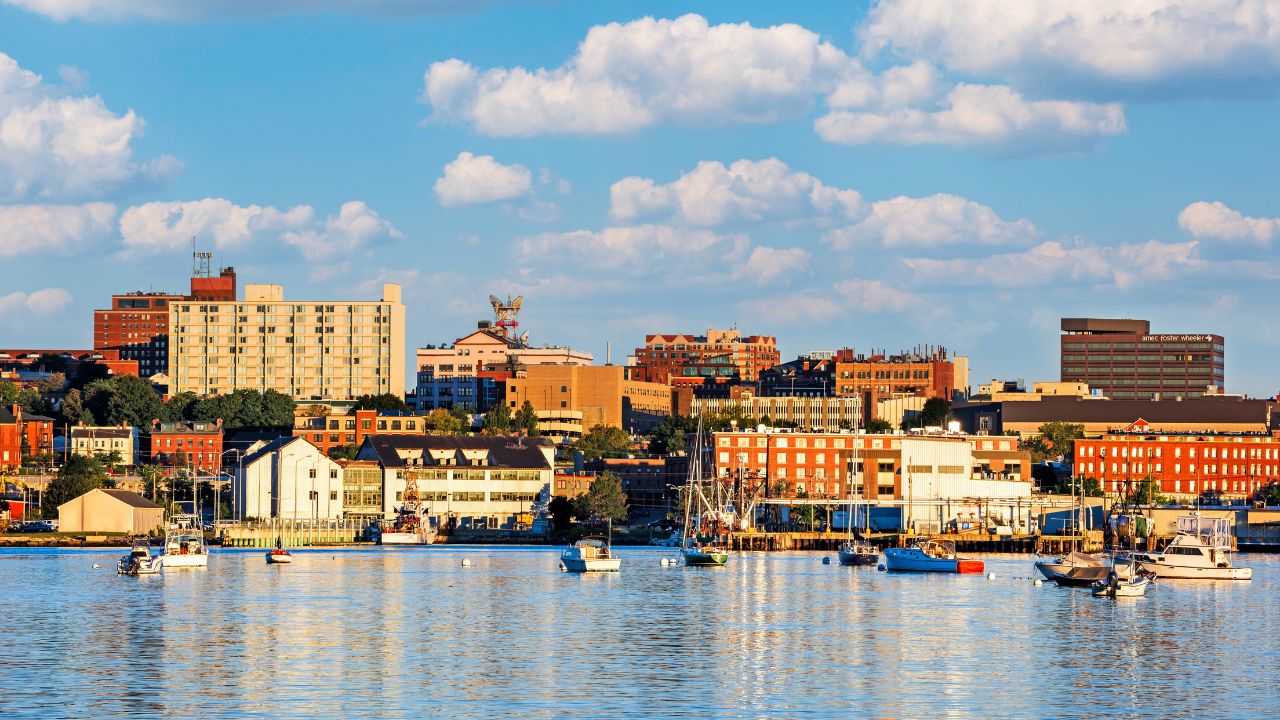
Portland, Maine, is not easy because of a major transit system. It is easy because the core weekend experience is concentrated around the Old Port and downtown waterfront. The official tourism site describes Portland as a metro hub with cobblestone streets, nationally recognized dining, and a working waterfront in the heart of the Old Port.
That setup suits travelers who want a coastal trip without constant movement. A visitor can walk between seafood restaurants, brick sidewalks, small shops, breweries, galleries, piers, and harbor-facing streets. The working waterfront gives the area a real maritime backdrop rather than a waterfront built only for visitors.
The limits are important. Lighthouses, beaches, nearby towns, and coastal viewpoints are not all casual walks from the Old Port. Portland Head Light in Cape Elizabeth, island trips in Casco Bay, and beach outings need a separate plan, whether that means a tour, ferry, rideshare, taxi, rental car, bike route, or local transportation.
Portland is a strong long-weekend base when the trip is built honestly: walk the Old Port, eat well, spend time by the harbor, then schedule lighthouse, island, or beach time as a half-day outing instead of squeezing it between lunch and dinner.
7. Québec City, Canada
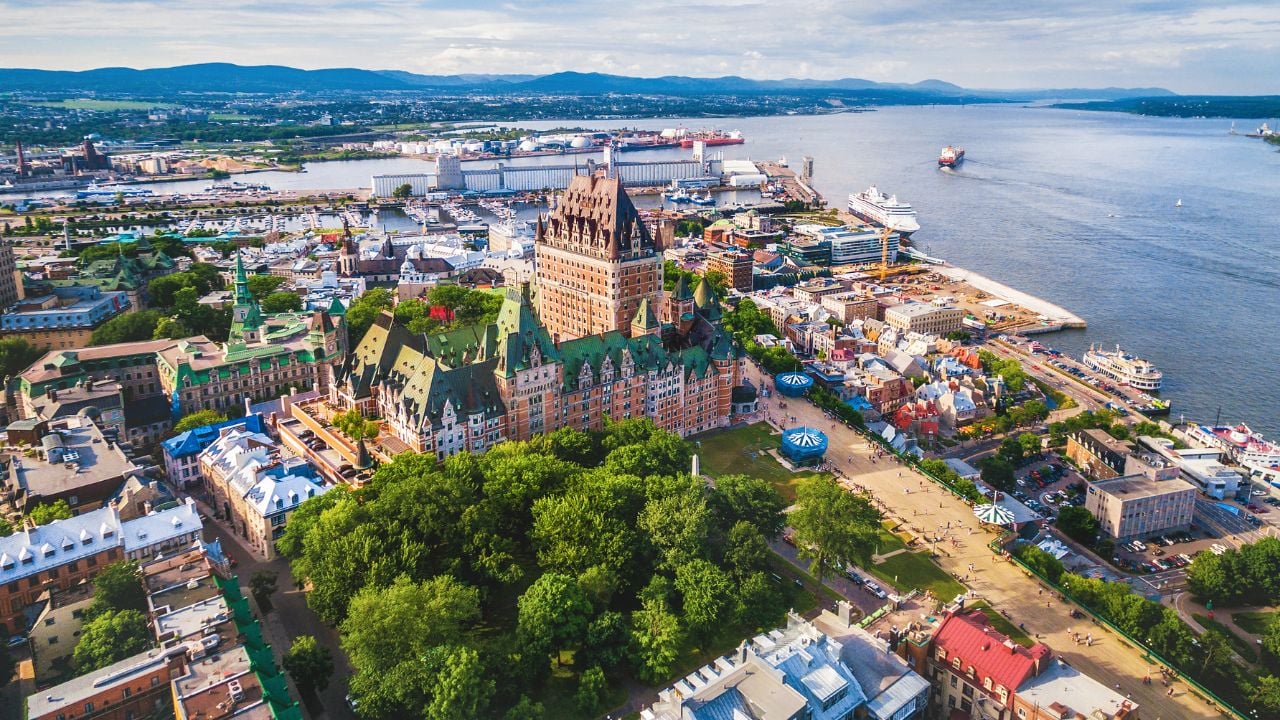
Québec City gives travelers a historic center that can carry much of a short trip on foot. The official tourism site says visitors can get around the region on foot, by bike, by public transit, or by tourist shuttle. That flexibility matters because Old Québec is compact, but the wider region includes stops that may require transit, a shuttle, or a ride.
Old Québec places fortifications, churches, shops, cafés, viewpoints, Place Royale, the Old Port, and the area around Château Frontenac close together. The historic core is not just a single attraction; it is the main walking route. Visitors who stay nearby can spend much of the trip moving street by street instead of transferring between separate sightseeing zones.
The physical effort is the tradeoff. Québec City has hills, stairways, cobblestones, winter ice, and weather that can slow the day down. Travelers with mobility concerns should check the hotel’s exact position, not just whether it is “in Old Québec.” A room at the wrong elevation can add repeated climbs to every outing.
Drivers should also check parking before arrival. A central stay works best when the car is left parked and the old city is handled on foot, with buses, shuttles, taxis, or short rides used for places outside the core.