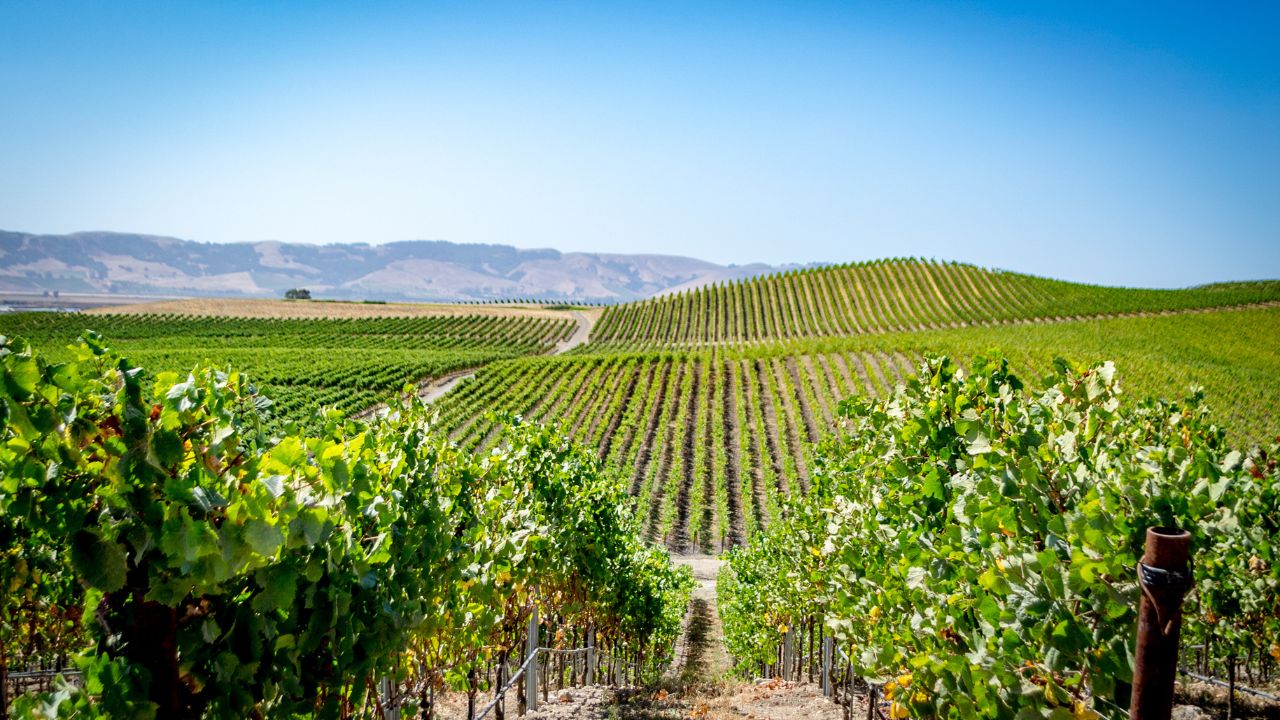
A short holiday works best when the setting feels special before the first reservation even begins. The strongest vineyard getaways keep the driving manageable, the scenery memorable, and the meals good enough to justify lingering over one more course.
That balance matters because a three-day break can seem generous or rushed depending on how easily everything connects.
Each stop brings its own personality. Some come across as polished and luxurious, others read as lakefront, pastoral, or quietly low-key, but all of them offer enough tastings, dining, and local character to fill a compact itinerary without turning it into a sprint.
For a slideshow, that range is useful because every location has a clear identity. Readers can picture the atmosphere almost immediately.
1. Napa Valley, California
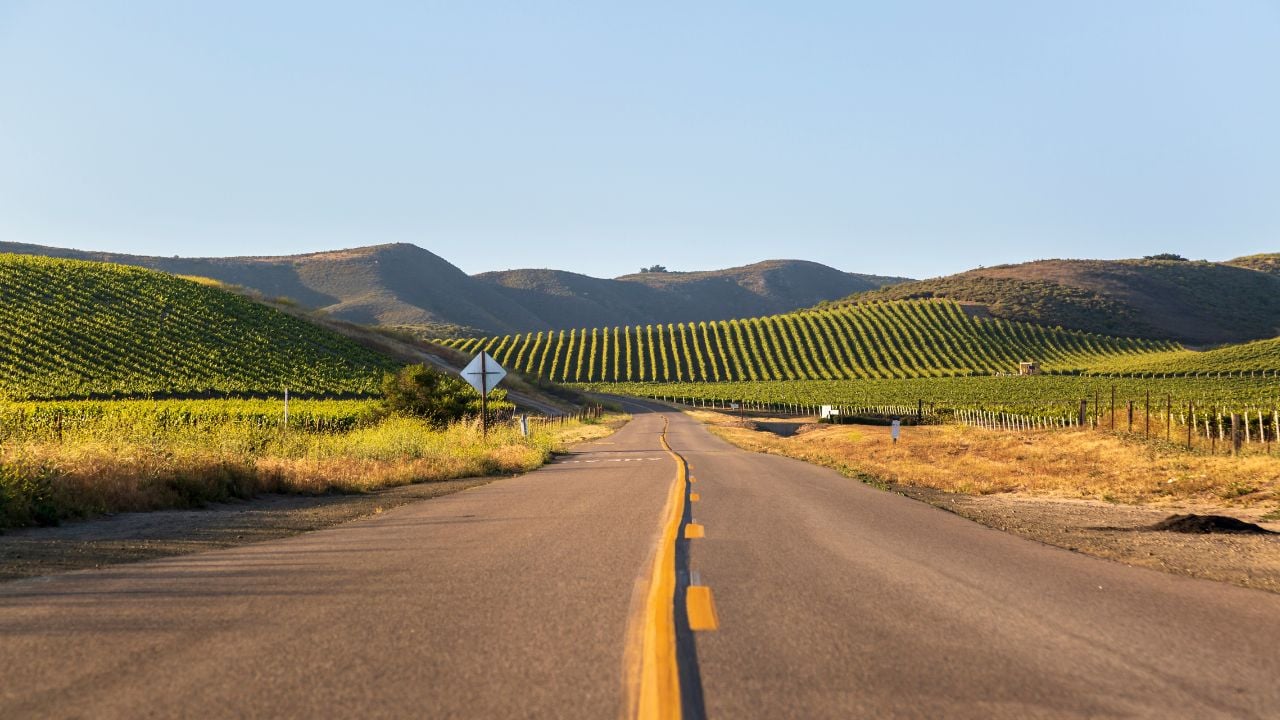
Napa remains an easy pick because the practical side is so straightforward. Visit Napa Valley says the region sits about 50 miles northeast of San Francisco, and the destination has more than 400 wineries and 90 tasting rooms open to the public.
That kind of concentration lets visitors build a full agenda without spending half the day behind the wheel.
Elegance shapes the overall mood, but the valley never comes across as cold. The official tourism site highlights Michelin-starred restaurants, upscale stays, spas, cellar tours, and cave experiences, so the hours between pours can be just as enjoyable as the tastings themselves. Anyone craving a celebratory escape with minimal friction will understand Napa’s enduring pull.
2. Sonoma County, California
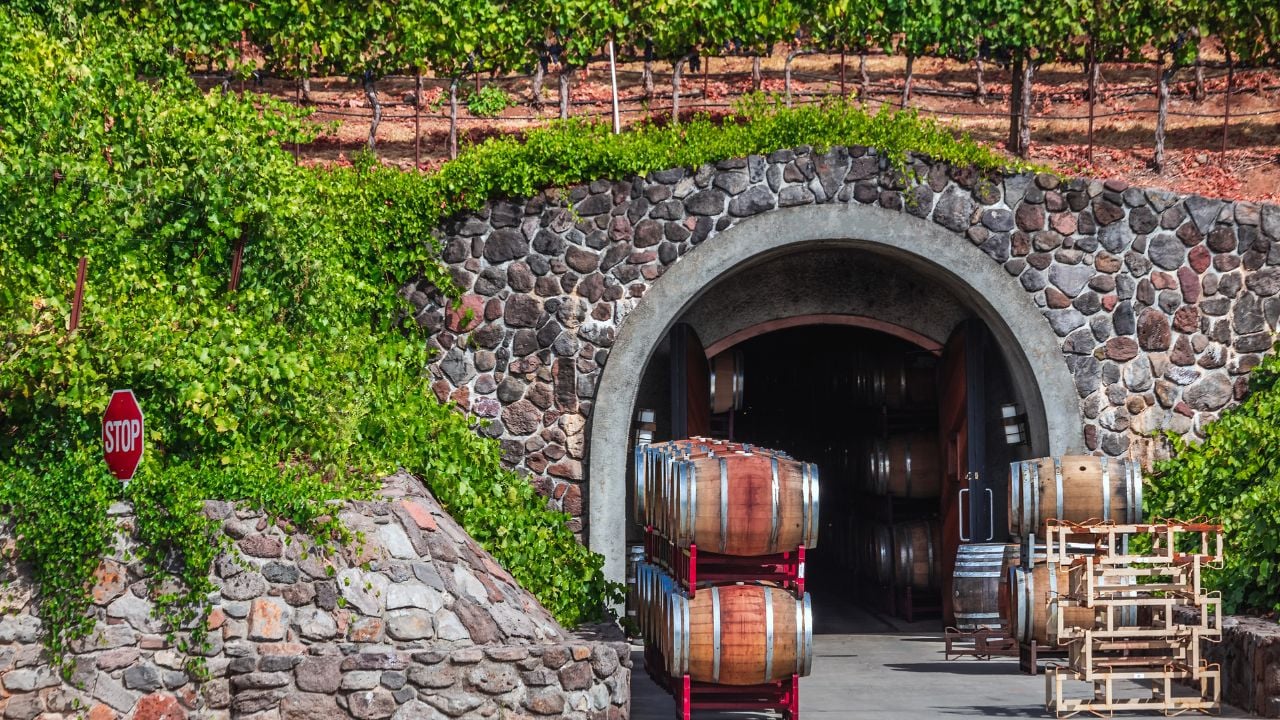
Sonoma County suits travelers who want variety woven directly into the landscape. Sonoma County Tourism describes the area as stretching from the Pacific Ocean to the Mayacamas Mountains and calls it the largest wine producer in Northern California. Those broad natural boundaries give the region a looser, more spacious character than more tightly clustered tasting hubs.
That wider setting is a big part of the appeal. The county’s own three-day itinerary mixes wine with charming towns, restaurants, spas, and scenic detours, which helps a long weekend feel fuller and less repetitive. Sonoma works well for travelers who want the wine-country mood without committing every hour to a tasting room.
3. Willamette Valley, Oregon
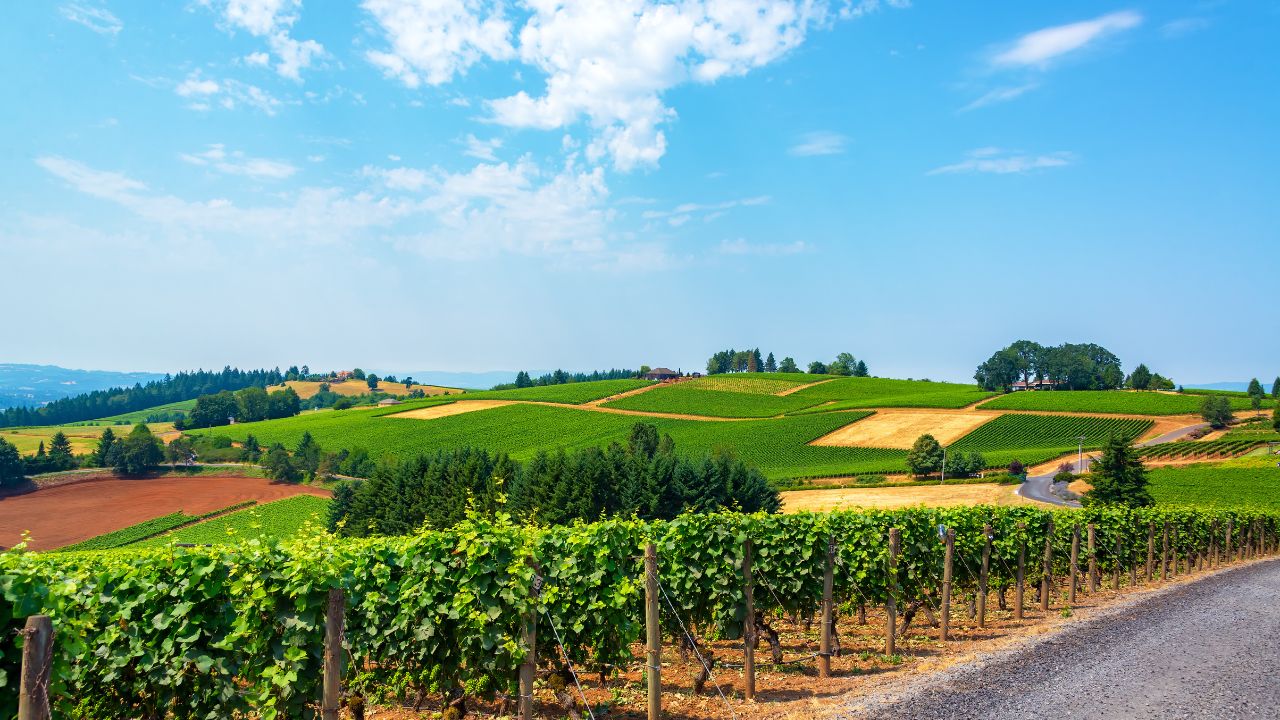
Willamette Valley earns its place by pairing serious bottles with a relaxed atmosphere. The Oregon Wine Board says the valley has two-thirds of the state’s wineries and vineyards and is recognized as one of the premier winegrowing regions in the world. That reputation gives the destination real credibility, even though the overall tone stays softer and less showy than some famous California names.
A long weekend lands well here because the supporting cast is already built in. The official lodging guide points to chic boutiques, wine-country stays, and mountain getaways, while the region’s winery association also maintains restaurant listings for visitors planning meals around tastings. Days can shift easily between cellar doors, back roads, and slow dinners without feeling forced.
4. Finger Lakes, New York
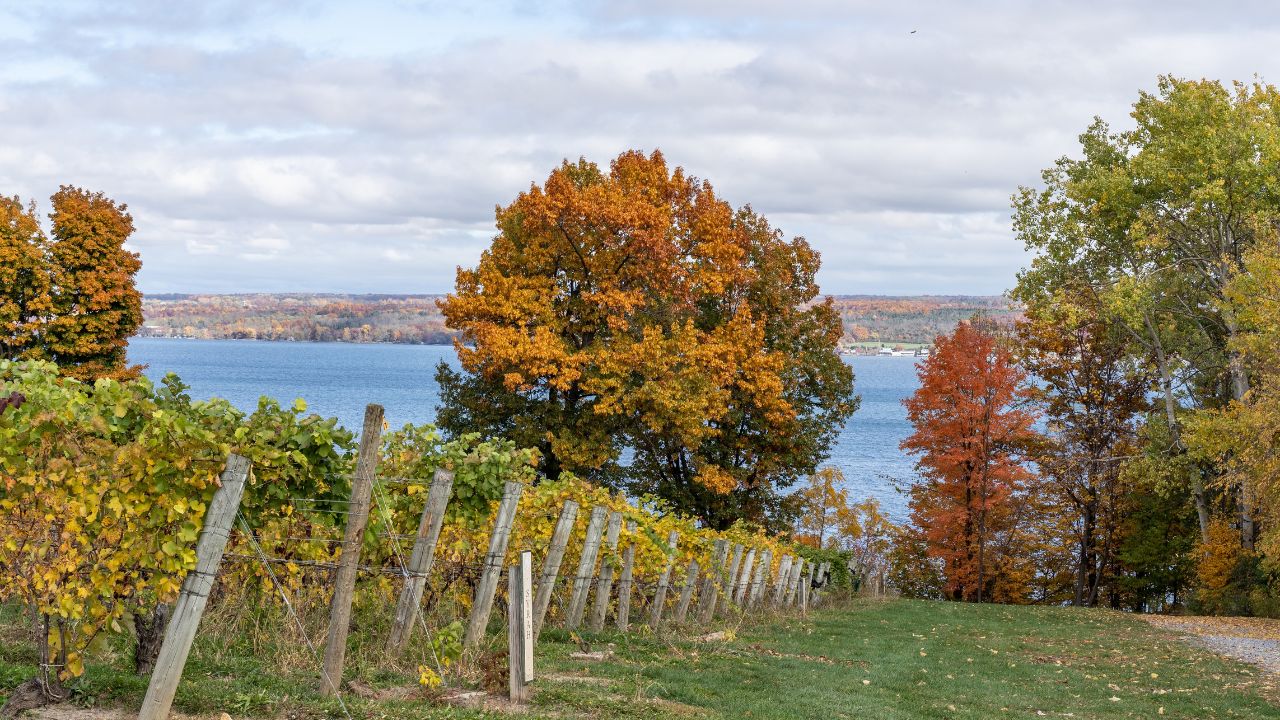
The Finger Lakes bring a different kind of romance. Finger Lakes Wine Country leans into postcard-worthy towns and a strong sense of connection to land and history, while the wider regional tourism site says the area is home to more than 120 wineries and vineyards. That combination gives the region a gentler, more reflective character than flashier-tasting destinations.
Geography helps a compact escape feel full rather than frantic. The official Finger Lakes scenic-drives page highlights rolling hills, vineyard views, and lake-looping routes that turn the time between stops into part of the pleasure. For readers who want beauty without a lot of fuss, the Finger Lakes make a very persuasive case.
5. Charlottesville and Albemarle County, Virginia
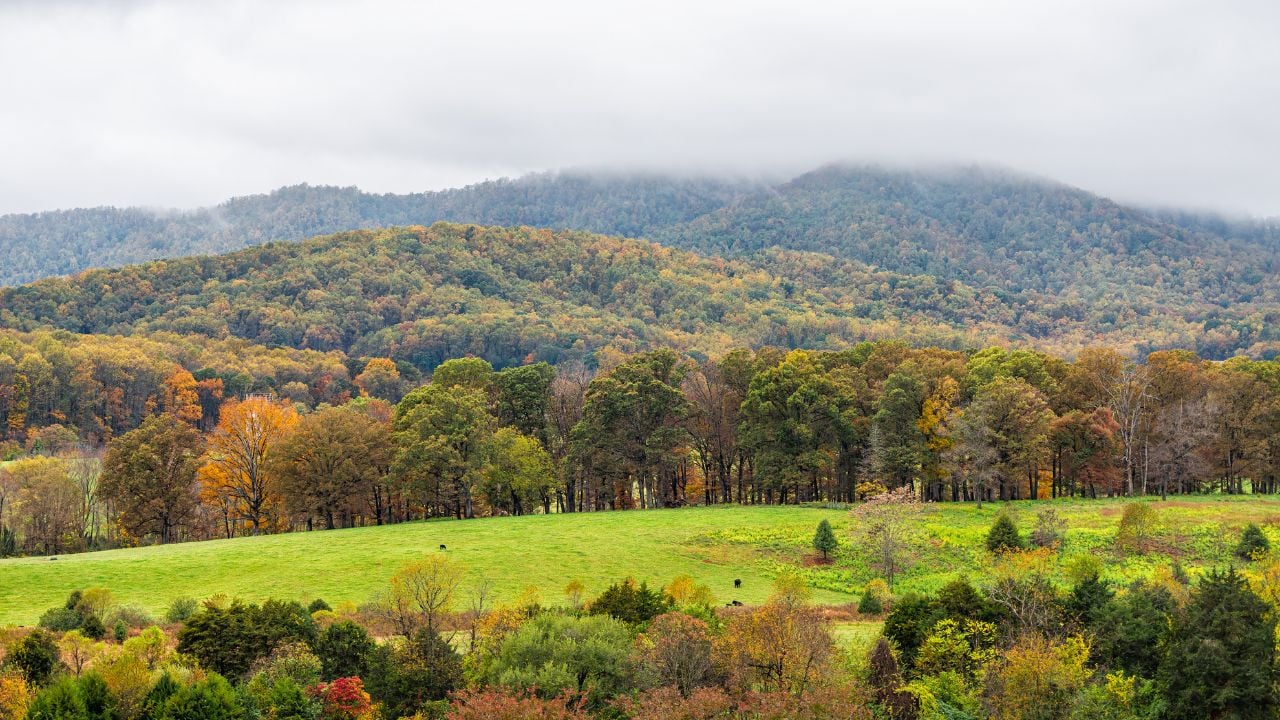
Charlottesville and Albemarle County make a strong case for anyone who wants vineyard time with an extra layer of history. Visit Charlottesville calls the area the birthplace of American wine and says the Monticello Wine Trail includes more than 40 wineries. That heritage gives the region substance before the first glass even reaches the table.
The area also works beautifully for a three-day plan because the trail is compact and easy to understand. The Monticello Wine Trail’s own planning page frames the wineries as all being within a short drive of Charlottesville, which helps the getaway feel polished without demanding complicated coordination. East Coast readers in particular may find the logistics especially appealing.
6. Santa Ynez Valley, California
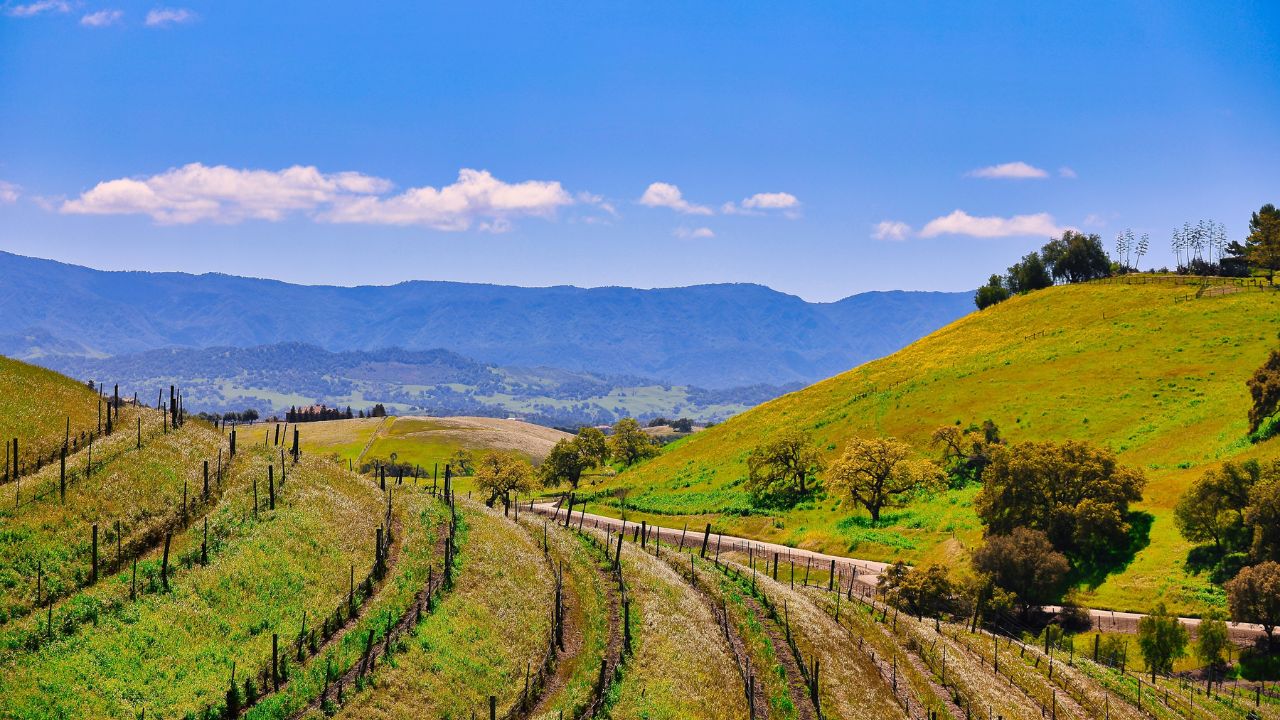
Santa Ynez Valley has a warm, storybook quality that photographs well and travels even better. Its official tourism site describes the area as the heart of Santa Barbara wine country and says the destination stretches across six distinct towns: Solvang, Buellton, Los Alamos, Los Olivos, Santa Ynez, and Ballard. That six-town structure creates a natural rhythm for a long weekend.
Personality is the real selling point here. The planning page pairs world-class wineries and Michelin-starred meals with small-town charm, outdoor adventure, and scenic wandering. Readers looking for a polished wine break with plenty of character should find Santa Ynez especially tempting.
7. Traverse City, Michigan
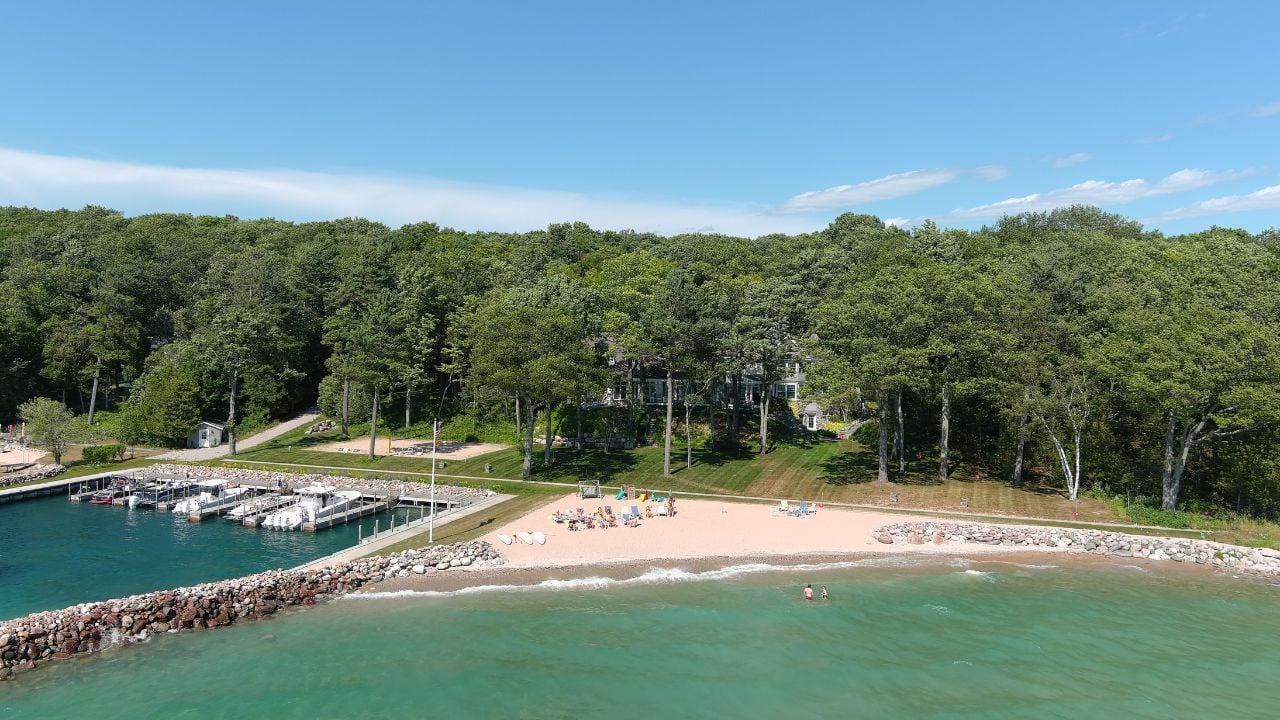
Traverse City gives this lineup a cooler-climate twist. Traverse Wine Coast says the area is defined by two AVAs, Leelanau Peninsula and Old Mission Peninsula, which together produce more than 60 percent of Michigan’s grapes. That fact alone makes the region feel more substantial than many travelers expect.
The appeal extends well beyond the rows of vines. Traverse City’s winery guide says the two peninsulas grow the majority of Michigan’s wine grapes, while its wine-tour page points visitors toward self-guided routes and year-round wine-trail events. For anyone craving a refreshing reset that trades heat and hype for crisp scenery and calmer pacing, Traverse City fits beautifully.