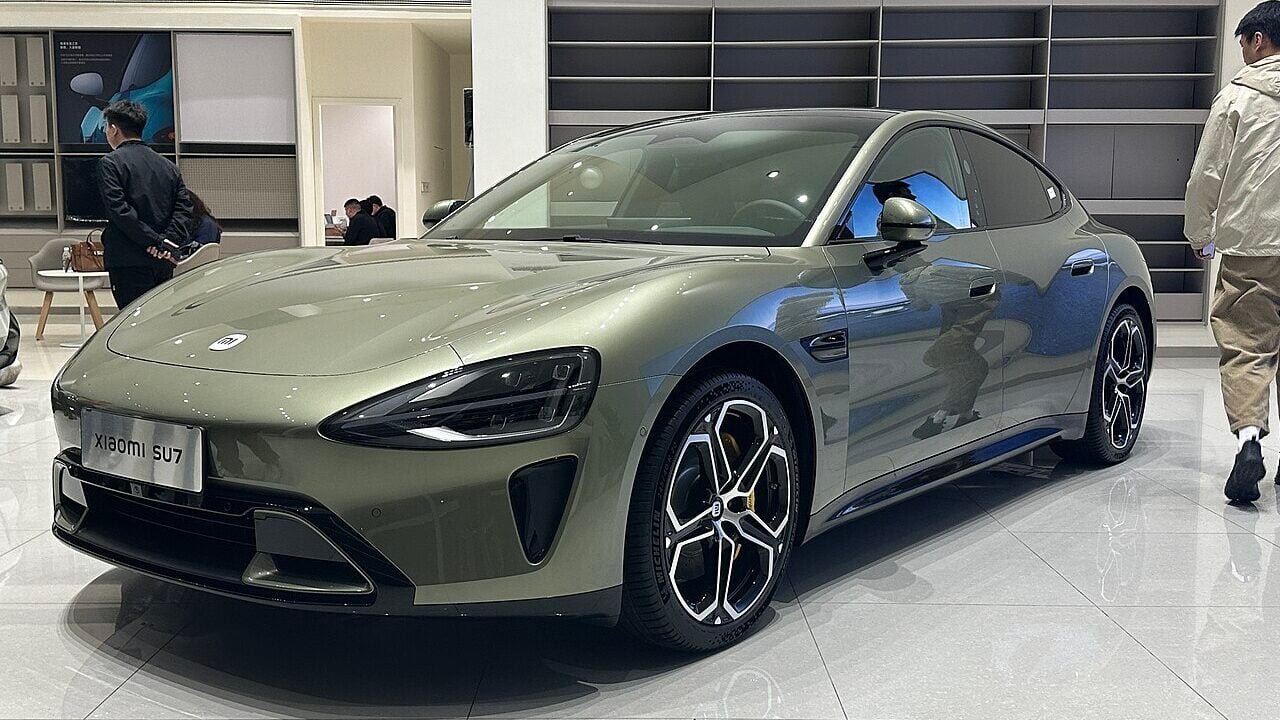

When Xiaomi stormed into China’s electric vehicle arena two years ago, it did not tiptoe. It cannonballed. The tech giant that built its name on smartphones and smart home gadgets unveiled the SU7 sedan and instantly reset expectations for a first-time automaker.
The SU7 was sleek, fast, software-heavy and unapologetically ambitious. It quickly became a genuine rival to the Tesla Model 3 in its home market, thanks to a compelling marriage of sharp pricing and the kind of connected ecosystem that only a consumer electronics powerhouse could deliver.
Deliveries topped 381,000 units as of February, an eye-watering number for a company that had never built a car before 2024.
Then reality intruded.
Fatal Crashes Raise Hard Questions
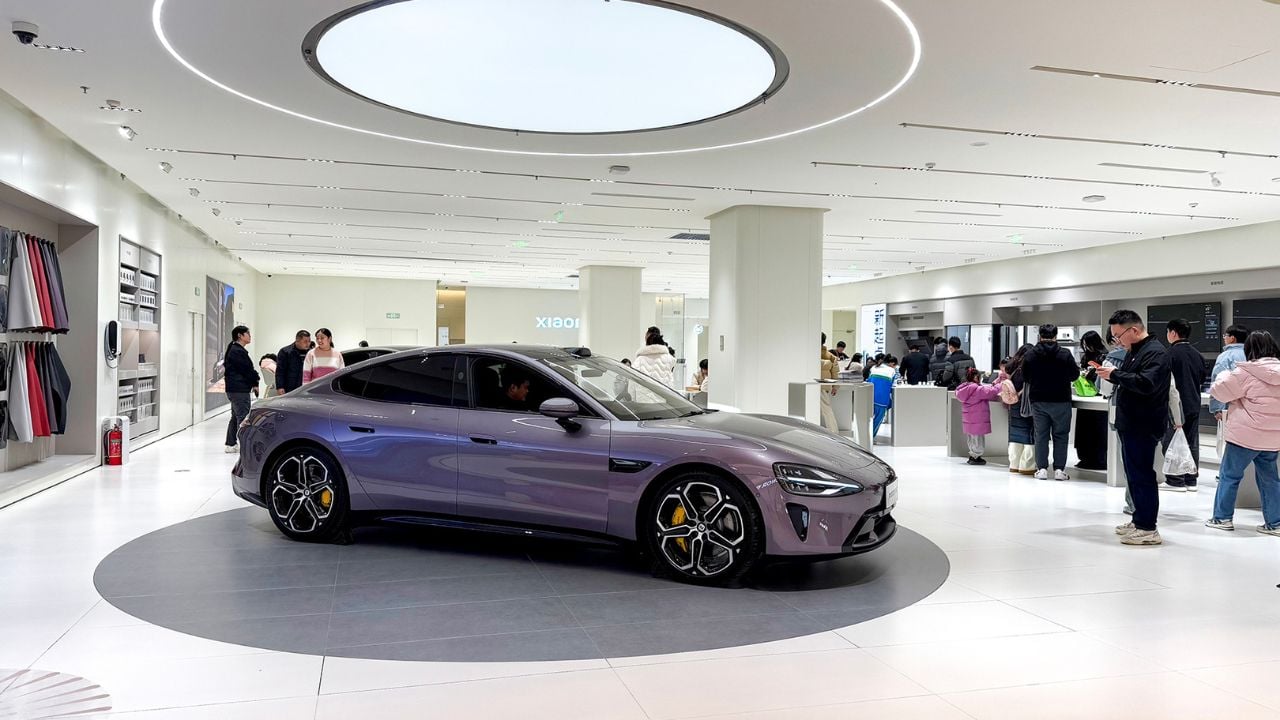
A couple of fatal accidents involving the SU7 jolted public confidence. On March 29, 2025, a Xiaomi SU7 Standard was involved in a fatal crash on the Dezhou–Shangrao Highway near Tongling in Anhui Province.
Three female university students were traveling to Chizhou for a civil service exam when the car crashed and caught fire. Reports indicated that students may have survived the crash if they hadn’t been trapped inside because the doors could not be unlocked.
This was the first publicly reported fatal accident involving the SU7 and it immediately raised concerns about the safety of Xiaomi’s electric vehicles, particularly their reliance on electronic systems and autonomous driving technology.
In October 2025 in Chengdu, a 31‑year‑old man named Deng was driving a Xiaomi SU7 Ultra when it collided with another car and then struck a median.

The impact damaged the low‑voltage system that powered the electronic door handles, leaving him trapped inside. The car caught fire, and although bystanders tried to break the windows and open the doors, they couldn’t get him out.
He died in the blaze, and the tragedy prompted lawmakers to introduce new rules requiring all cars to have manual door release mechanisms.
In a hyper-competitive EV landscape where consumer sentiment can shift overnight, the SU7 incidents triggered criticism, online complaints, and a noticeable dent in sales momentum. For a brand that had marketed itself as the future of intelligent mobility, the safety narrative suddenly became front and center.
A Silicon Valley-Style Fix
Now Xiaomi has come up with a strategy more common to Silicon Valley than to traditional auto giants. The company has established a dedicated safety advisory committee, a move that signals both damage control and a longer-term reputational recalibration.
But the real story lies in how Xiaomi plans to use that committee.
Instead of issuing a few press statements and retreating behind corporate walls, Xiaomi is committing to regular, structured meetings with car owners, media representatives, and independent experts.

These sessions are designed to create a recurring feedback loop focused specifically on vehicle safety. The first meeting is scheduled for the first half of this year, and it is expected to set the tone for what could become a new template for Chinese EV makers navigating public scrutiny.
Inviting Critics into the Room
This is not just a symbolic gesture. By institutionalizing dialogue, Xiaomi is effectively inviting its critics into the room.
Car owners will have the opportunity to voice concerns directly. Journalists will be able to question engineering decisions and safety protocols face-to-face. Experts can scrutinize data, suggest improvements and challenge assumptions.
For a company born in the fast iteration culture of smartphones, this approach makes strategic sense. Xiaomi understands community engagement. It built its early phone empire by cultivating loyal user forums and incorporating feedback into rapid software updates.
Translating that playbook to cars is far more complicated, but potentially powerful.
Safety in EVs is layered. It spans battery integrity, crash structures, software reliability, door mechanisms, and emergency response systems.
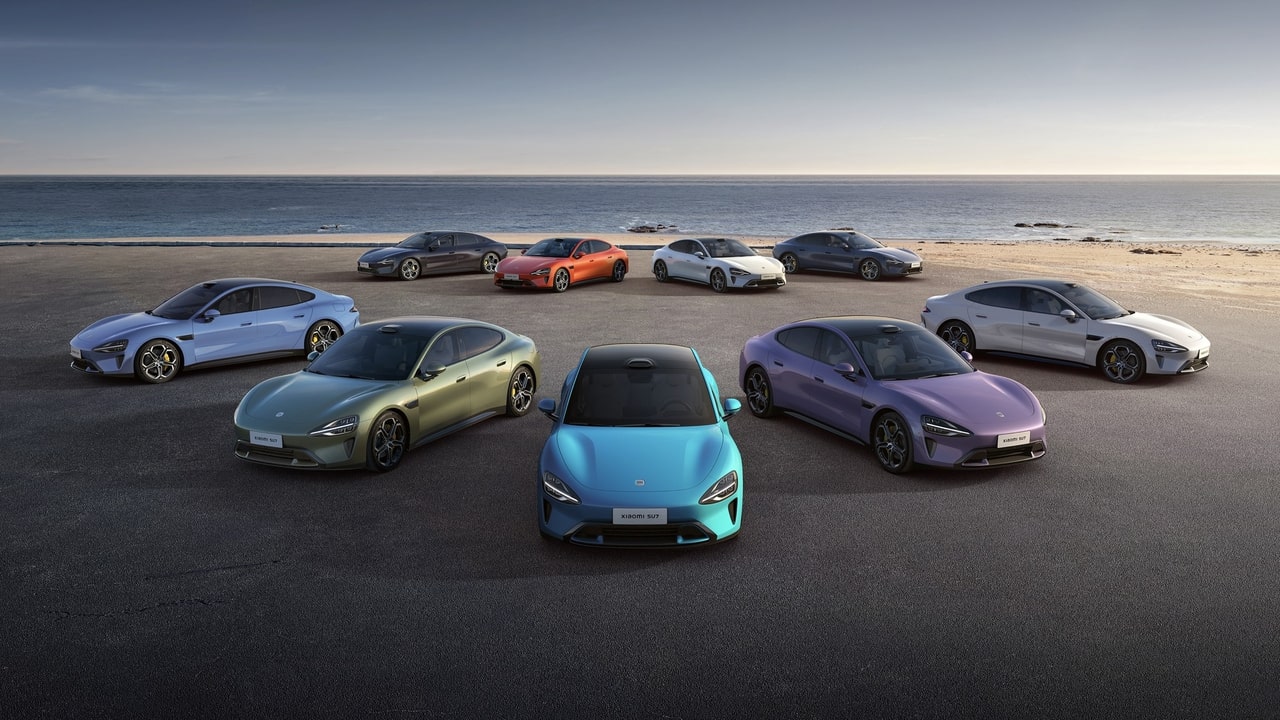
Xiaomi’s upcoming upgraded SU7, slated for launch in April, will include a backup power supply for the doors, a feature that has taken on heightened significance in light of recent scrutiny. The decision to discontinue production of the first-generation SU7 underscores how seriously the company is taking the reset.
Listening Might Be Xiaomi’s Best Feature
The advisory committee and recurring meetings suggest Xiaomi wants to move from reactive crisis management to proactive transparency.
If handled well, these forums could provide early warnings about emerging issues, clarify misunderstandings, and demonstrate that the company is not hiding behind glossy marketing.
Of course, there are risks. Public meetings can surface uncomfortable questions. Technical explanations can spiral into headline-grabbing sound bites. And in a market where rivals are eager to capitalize on missteps, any perceived weakness can be amplified.
Still, Xiaomi is betting that listening may be the most important feature upgrade of all, and that is a bold, courageous bet for a sector where trust is as valuable as torque.
The SU7’s acceleration figures and infotainment tricks may have drawn buyers in, but sustained credibility will depend on how convincingly Xiaomi can show that safety is not an afterthought, but a priority shaped in open conversation.
Source: Reuters