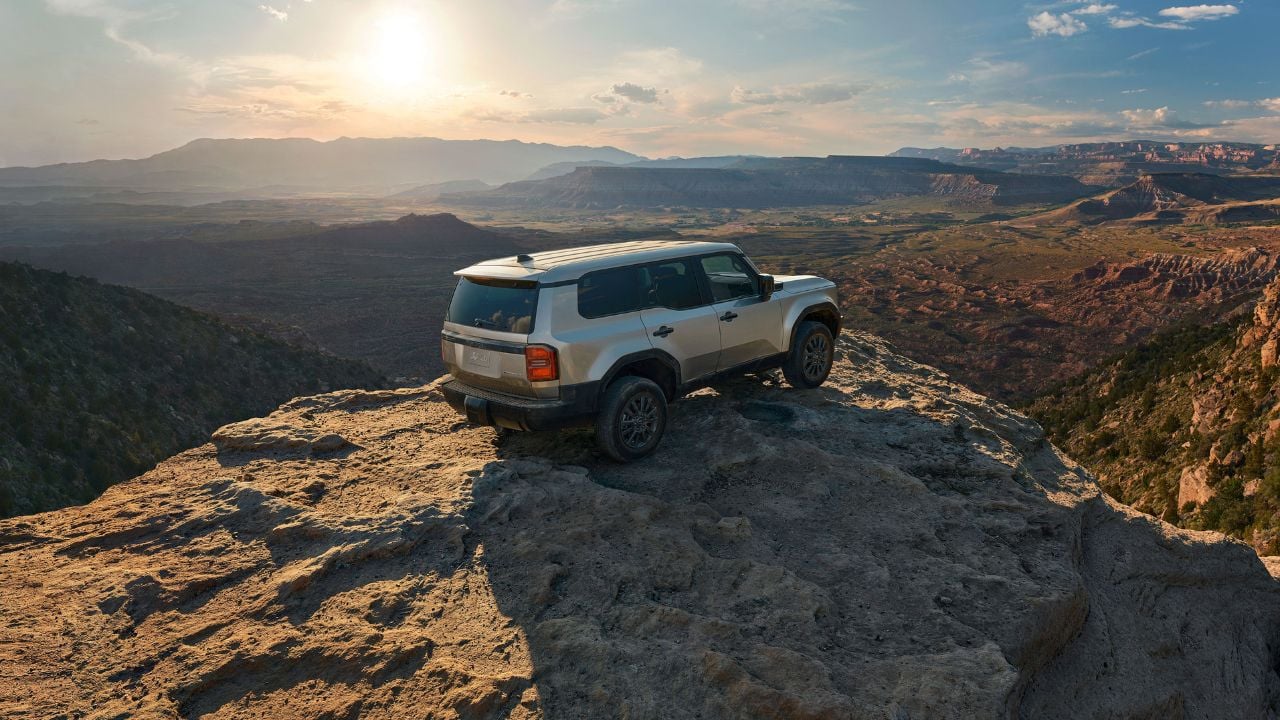
If you’ve spent any time around car people, you already know that Toyota occupies a special place in the reliability conversation. It’s practically a meme at this point, buy a Toyota, never visit the dealership again, pass it down to your grandkids. And look, there’s a real reason that reputation exists. Toyota has earned it over decades of obsessive engineering and a manufacturing philosophy that borders on the religious.
But here’s the thing: not every Toyota is created equal. Some genuinely do go 300,000 miles without breaking a sweat, while others have quirks that’ll keep you on a first-name basis with your mechanic sooner than you’d expect.
So let’s break it down: the models that live up to the legend and the ones that are a little more… human.
6 Toyota Models That Last Forever
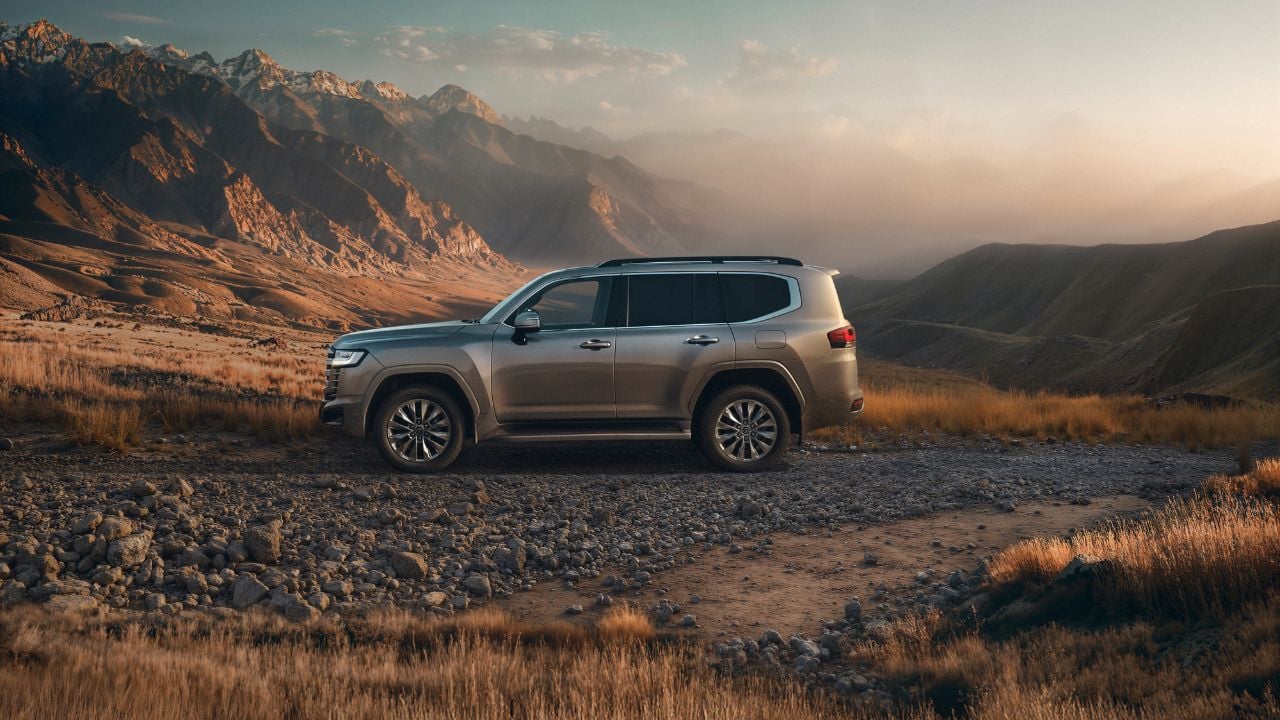
These are the models to swear by if you want to drive the same car for 10, 20 years. And then maybe pass it down to your kids.
Toyota Tacoma
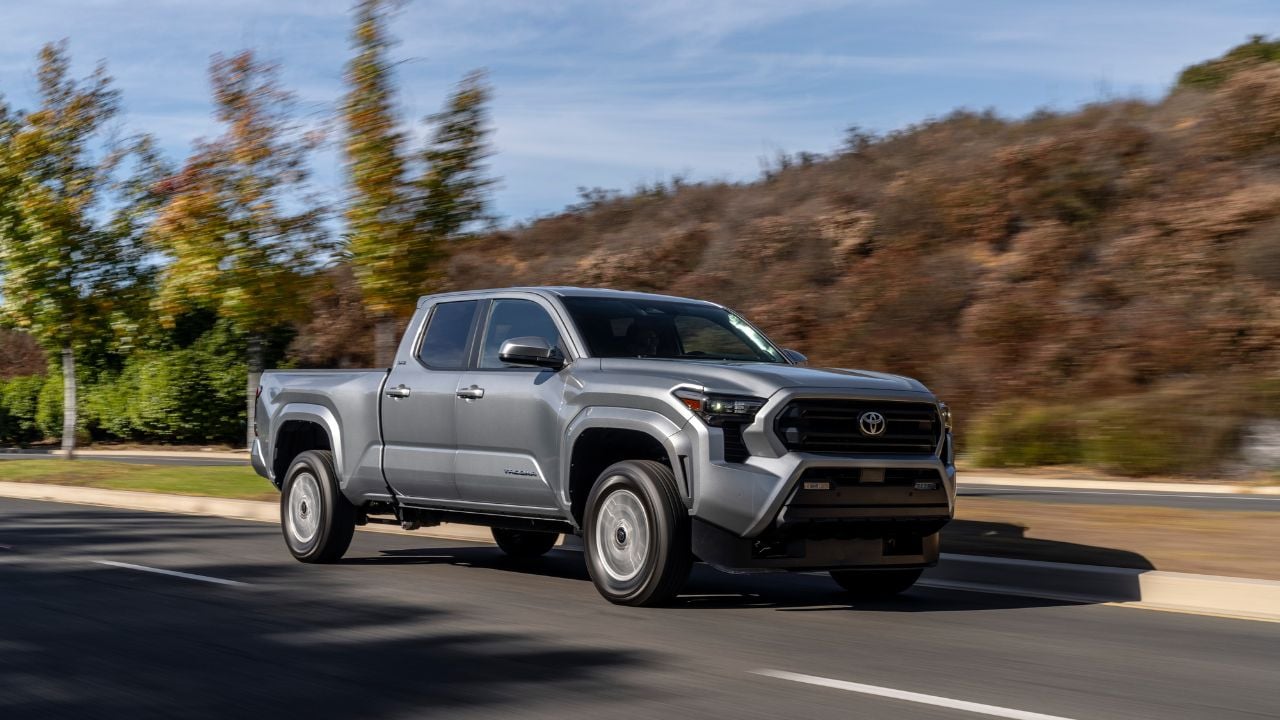
The Tacoma is basically the poster child for truck longevity, and it has been for a long time.
Pull up any used car listing and you’ll find Tacomas with 200,000-plus miles still fetching prices that would make other automakers blush. The secret isn’t magic, it’s a combination of a robust drivetrain, relatively straightforward engineering, and a fanbase that actually takes care of their trucks. Whether you’re hauling gear to a job site or just commuting with the occasional off-road detour on weekends, the Tacoma seems built to absorb it all without complaint.
Resale values stay strong for a reason, and that reason is simple: these trucks keep going.
Toyota Land Cruiser
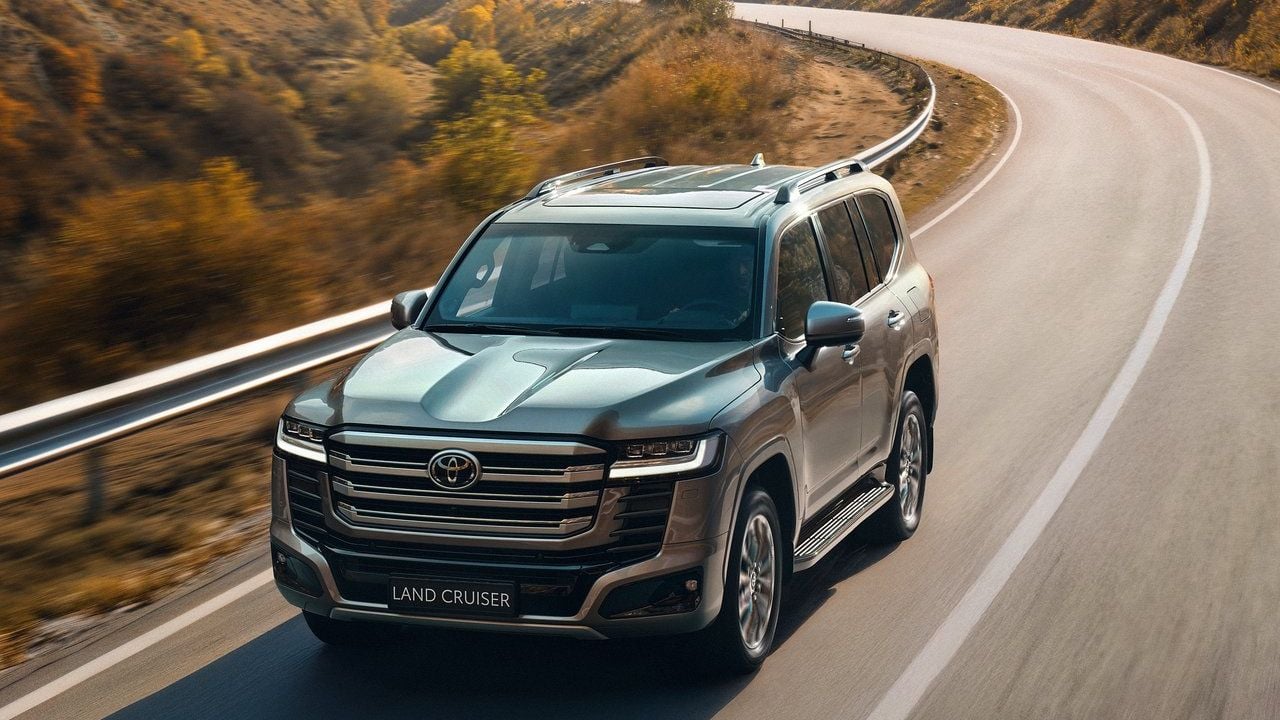
Ask anyone who’s spent time in remote parts of the world, humanitarian workers, overlanders, oil field crews, and the Land Cruiser comes up constantly as the vehicle of choice when failure is simply not an option.
It’s not a coincidence. The Land Cruiser is engineered to a standard that goes well beyond most consumer vehicles, with durability baked in at every level. Owners routinely clock 250,000 to 300,000 miles on the original engine and transmission, which is the kind of news that makes other luxury SUV owners quietly sad.
It’s expensive to buy, but the math over a lifetime of ownership often works in its favor.
Toyota 4Runner

The 4Runner is one of those rare vehicles where the community around it is almost as impressive as the truck itself.
Owners swap maintenance tips, document six-figure mileage milestones on forums, and generally treat their 4Runners like long-term relationships worth investing in. And the hardware responds in kind. On the previous generation sold through the 2024 model year, body on frame construction, a proven V6, and a low tech by design approach that kept complicated failure points to a minimum all contributed to an SUV that aged gracefully. The redesigned 2025 4Runner replaces the V6 with a turbocharged four cylinder, with an available hybrid, and brings more modern tech.
For years, the previous generation did not change drastically, and that’s arguably its biggest strength. To
Toyota Camry
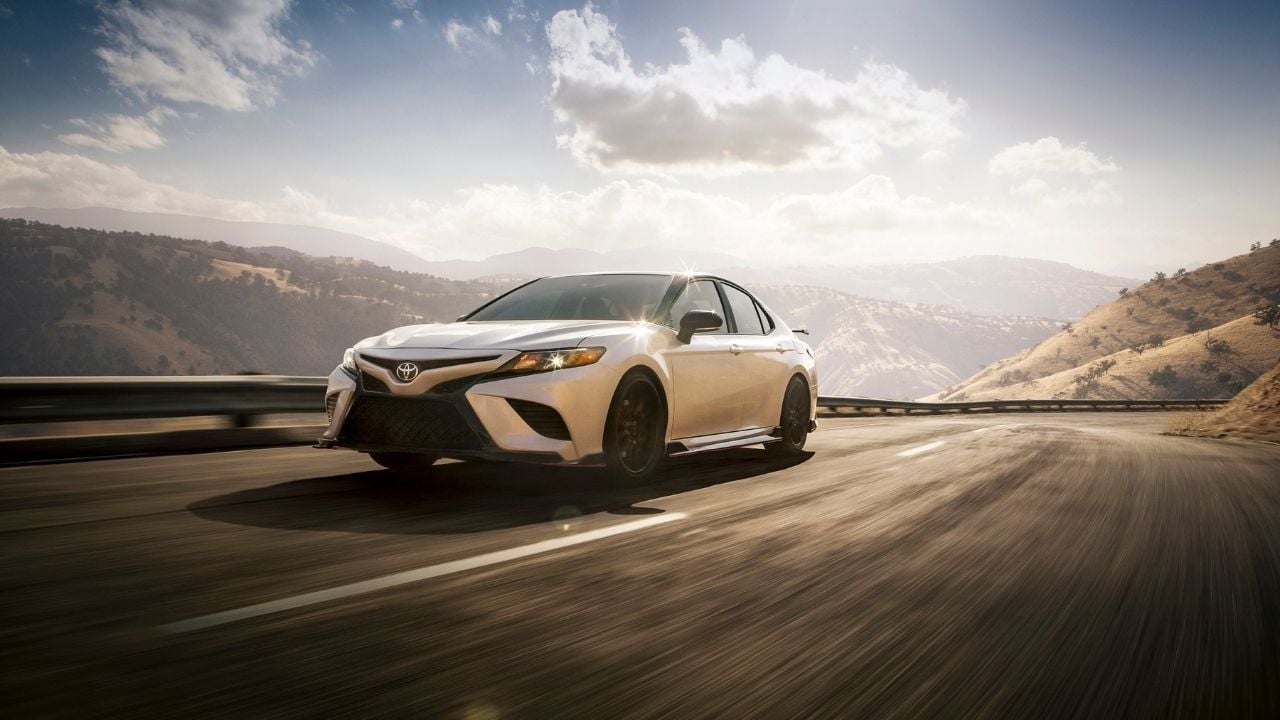
The Camry doesn’t get the same rugged-cool points as the trucks on this list, but don’t let the beige reputation fool you, this sedan is an absolute marathon runner.
Fleet operators and rideshare drivers have figured this out, which is why you’ll find Camrys stacking up serious mileage in commercial use and still running smoothly. The 2.5-liter four-cylinder engine in particular has a reputation for outlasting practically everything else in its class. It’s the kind of car that makes financial sense on every level: reasonable purchase price, low maintenance costs, and a resale value that holds up better than most.
Boring? Maybe. Dependable? Absolutely.
Toyota Corolla
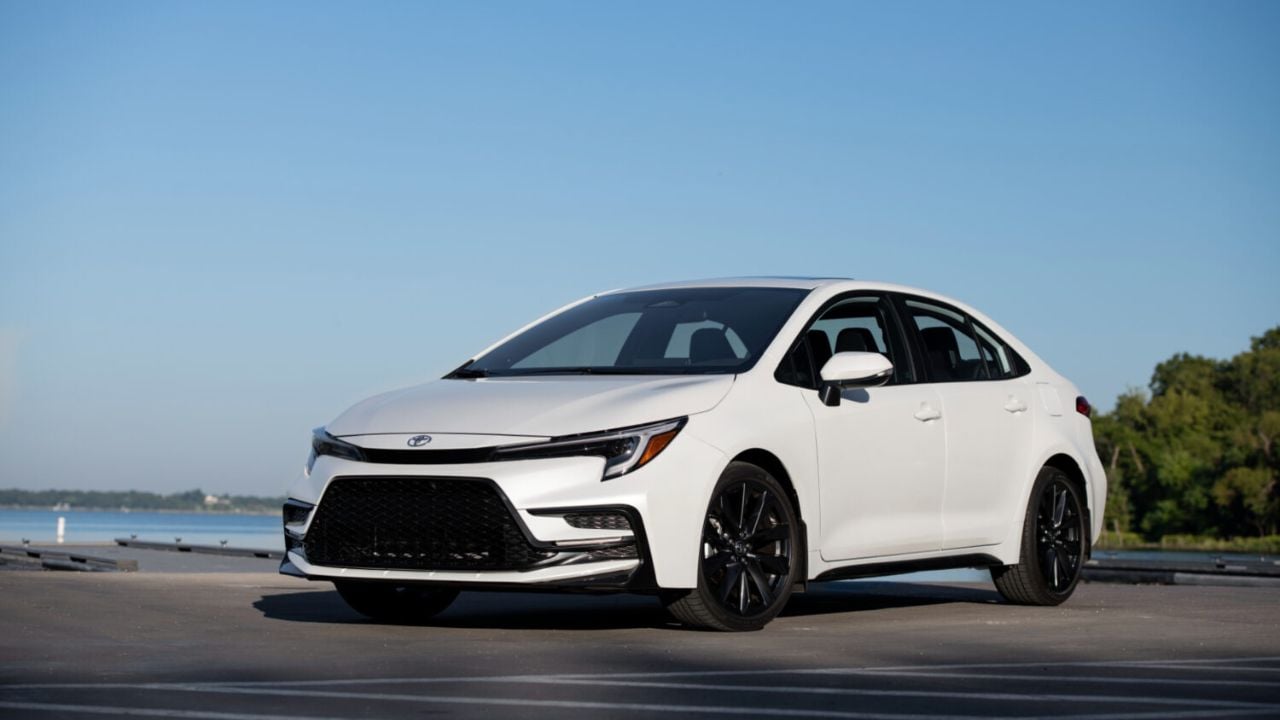
The Corolla has been one of the best-selling cars in the world for decades, and part of that is because Toyota has never strayed too far from what made it great in the first place.
It’s compact, efficient, simple to maintain, and genuinely hard to kill under normal driving conditions. Mechanics who work on a lot of different vehicles will quietly tell you that the Corolla is one of the least surprising cars they see, and in the world of repairs, boring is beautiful.
Students, first-time buyers, and budget-conscious commuters have all discovered what enthusiasts already know: this little car punches well above its weight in the longevity department.
Toyota Sequoia (Hybrid)

The Sequoia doesn’t always get mentioned in the longevity conversation, but the full-size SUV has a track record worth acknowledging.
The i FORCE MAX twin turbo V6 hybrid powertrain introduced for the 2023 model year is still building its long term reputation, but Toyota’s hybrid technology has a proven track record across its lineup. Older Sequoias with the 5.7-liter V8 are still rolling around in impressive numbers, which tells you something about how the platform was built.
For families who need serious space and want a vehicle that won’t nickel-and-dime them into the ground, the Sequoia has historically delivered.
6 Toyota Models That Don’t Last as Long as You’d Think

PSA real quick: These cars still offer exceptional reliability. For Toyota, “Don’t last as long as you’d think” is still a lifetime for other brands. However, these Toyota models may give up a bit sooner than the previous six vehicles.
Toyota Avalon
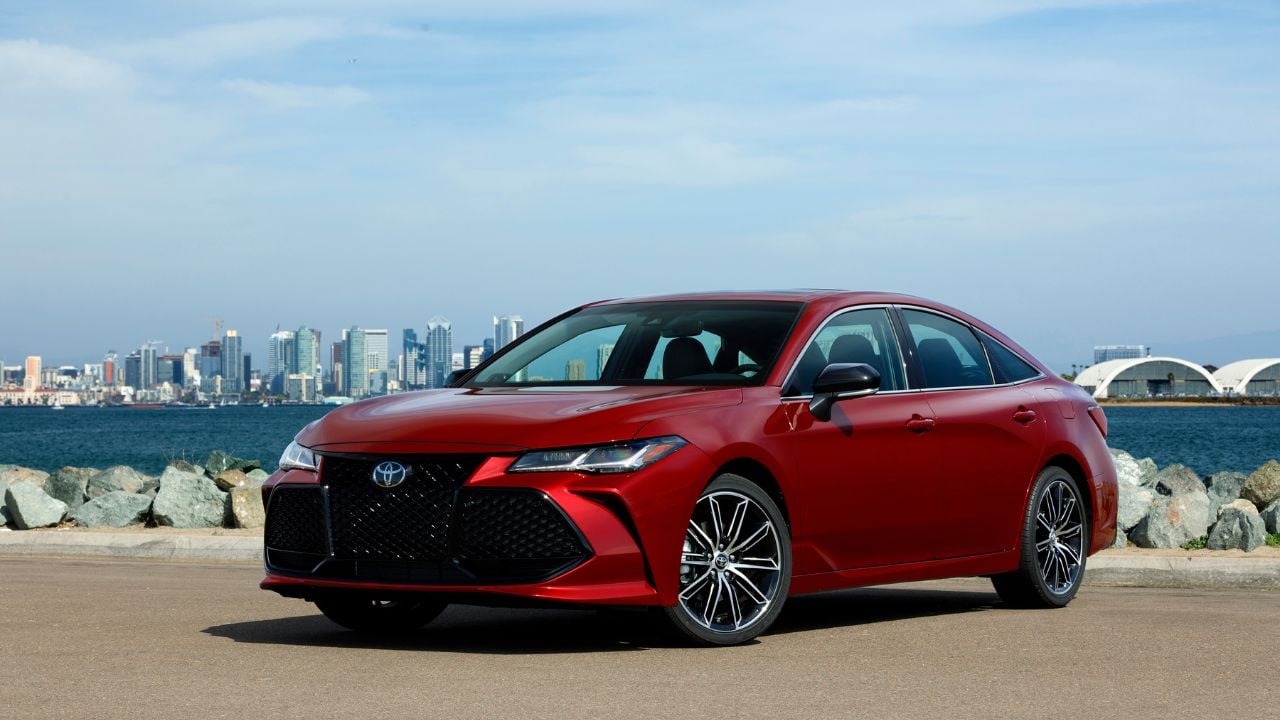
The Avalon is a genuinely comfortable, refined car, and it carries the Toyota badge, so expectations run high.
The reality is a little more nuanced, though. The V6 models have a mixed maintenance history compared to some of their Toyota siblings, and the electrical systems in certain generations have produced more than their share of ownership headaches. It’s not a bad car by any stretch, but if you walk in expecting Land Cruiser-level indestructibility, the Avalon may leave you recalibrating.
Owners who stay on top of maintenance and address issues early tend to have much better experiences, which is true of most vehicles but especially relevant here.
Toyota RAV4 (Certain Older Generations)

The RAV4 is one of the most popular crossovers in America, and plenty of them have lived long, happy lives.
But certain older model years, including some 2006 to 2008 RAV4s with the 2.4-liter 2AZ engine, developed a reputation for excessive oil consumption that caught owners off guard, and Toyota issued a warranty enhancement program for that issue. For a Toyota, that’s a notable departure from the norm. The more recent RAV4 has improved considerably, and the hybrid version especially has drawn positive reviews, but if you’re shopping the used market and targeting those middle-era models, a pre-purchase inspection is worth every penny.
Know what you’re buying and you’ll be fine.
Toyota Sienna (Older V6 Models)
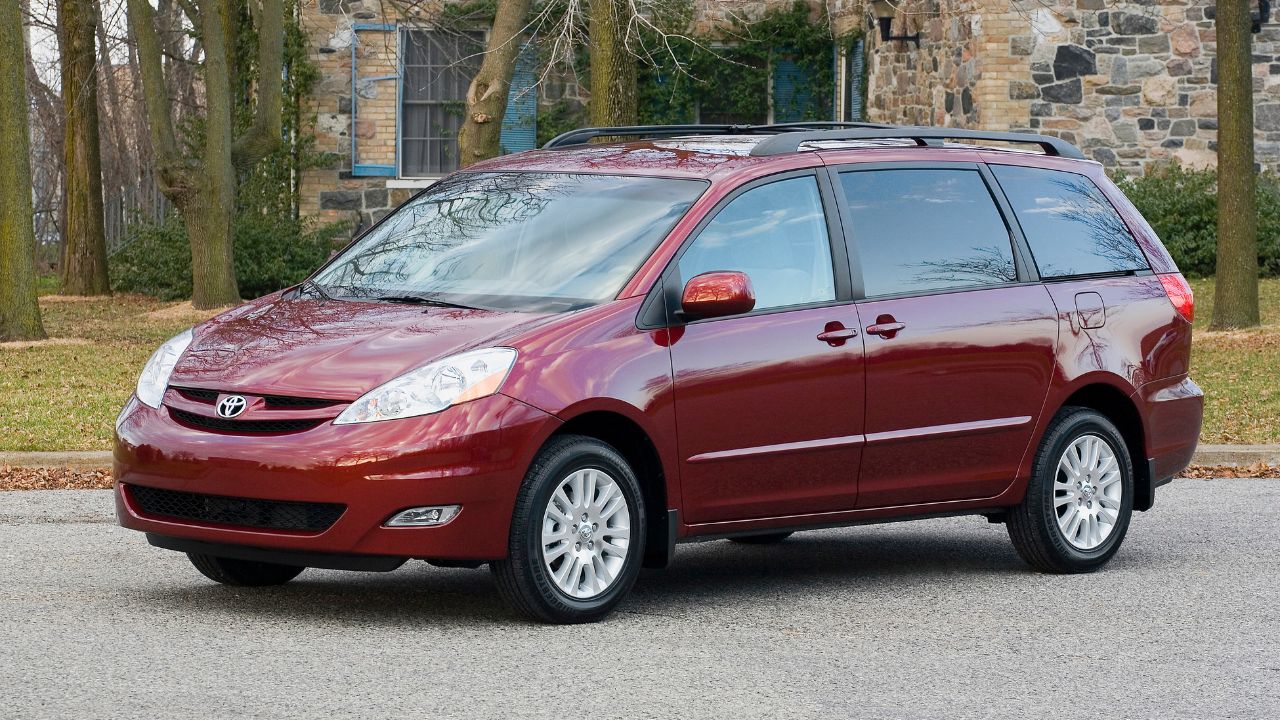
Minivans don’t get a lot of glory, but the Sienna has been a family staple for a long time and largely deserves its popularity.
Where it gets a little complicated is in older V6 models, which developed sliding door mechanism issues and some transmission quirks that became recurring themes in owner forums. None of it is catastrophic, but it’s the kind of thing that adds up over time, especially for families logging highway miles on road trips and school runs.
The newer hybrid Sienna has taken a step forward on multiple fronts, and if you’re buying current, that’s probably the smarter move.
Toyota Venza (First Generation)
![2013 – 2015 Toyota Venza [First (1st) Generation]](https://guessingheadlights.com/wp-content/uploads/2025/08/gh1-2025-08-11T130453.592.jpg)
What it also had, unfortunately, was a somewhat inconsistent reliability record compared to what Toyota fans expected. Transmission complaints and some electrical gremlins popped up in owner surveys more than you’d want to see on a Toyota product. It wasn’t a lemon by industry standards, but it sat in uncomfortable territory for a brand with Toyota’s reputation.
The nameplate returned for a second generation with notable improvements, and that version has been received considerably better.
Toyota FJ Cruiser

The FJ Cruiser has a devoted following, and it earned that loyalty with serious off-road capability and a personality that other Toyota products simply don’t have.
But durability-wise, it comes with some asterisks worth knowing about. Frame rust in regions with harsh winters and road salt has been a documented concern, and the spare-tire-on-the-back setup contributed to rear door issues over time. It’s still a capable machine when properly maintained, but prospective buyers, especially those in the Rust Belt, should do their homework before committing.
A clean, rust-free example from a drier climate is a very different proposition than one from the Northeast.
Toyota Prius (First Generation)
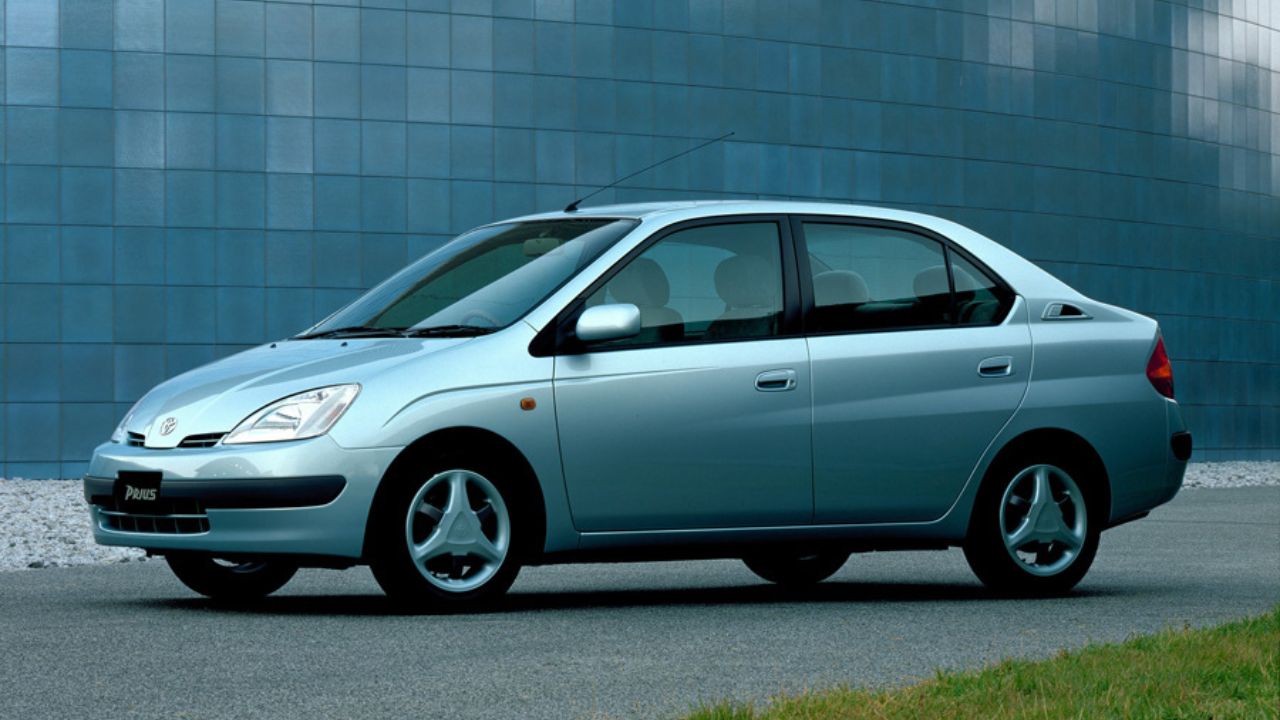
The original Prius was genuinely groundbreaking, a mainstream hybrid that actually worked and proved the concept to a skeptical public.
But first-generation technology comes with first-generation growing pains, and the early Prius had its share. Battery degradation became a real issue as those models aged, and replacement costs were steep enough to make owners rethink the economics. Later generations of the Prius improved dramatically on this front, and today it’s a very different and much more refined vehicle.
But if someone’s trying to sell you a high-mileage first-gen Prius at a suspiciously low price, it’s worth asking a few extra questions before you drive it home.
Final Thoughts
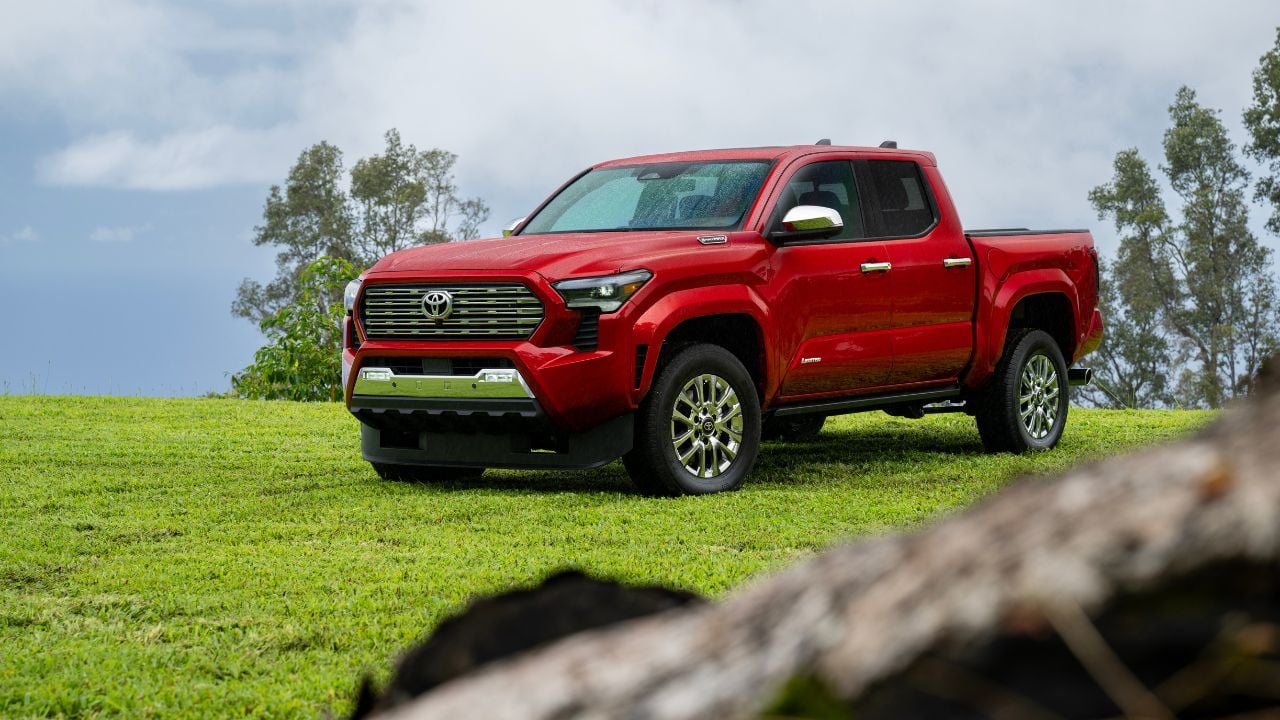
Here’s the honest takeaway: Toyota’s reputation for reliability isn’t a myth, but it’s also not a universal guarantee.
The models that have earned legendary status did so because of specific engineering decisions, proven powertrains, and a culture of building things to last. The ones that fall a little short still tend to outperform a lot of their competition, they just don’t quite match the sky-high expectations that come with the badge. Whether you’re chasing a six-figure mileage milestone or just want a car that handles the daily grind without drama, doing your homework on the specific model and generation matters as much as the brand on the hood.
Toyota gives you a great foundation to work from, the rest is about making a smart, informed choice for your situation.