
A great view can sell the trip, but it rarely carries the whole stay. The places that last beyond the first photo usually give travelers something to do with the setting: walk through it, eat from it, learn its history, move between its villages, or turn the landscape into the day’s plan.
Madeira has levada walks behind the cliffs. Lake Atitlán has villages and boat routes around the water. Matera has cave churches and stone neighborhoods below the viewpoint. Skye has walks, Gaelic heritage, seafood, and weather that changes the whole mood of the island. Oaxaca brings markets and food traditions into a historic city setting, while Queenstown turns its lake-and-mountain backdrop into hiking, skiing, jet boating, and wine-country days.
These six places are beautiful from the first look, but the real trip starts after travelers leave the overlook.
1. Madeira, Portugal
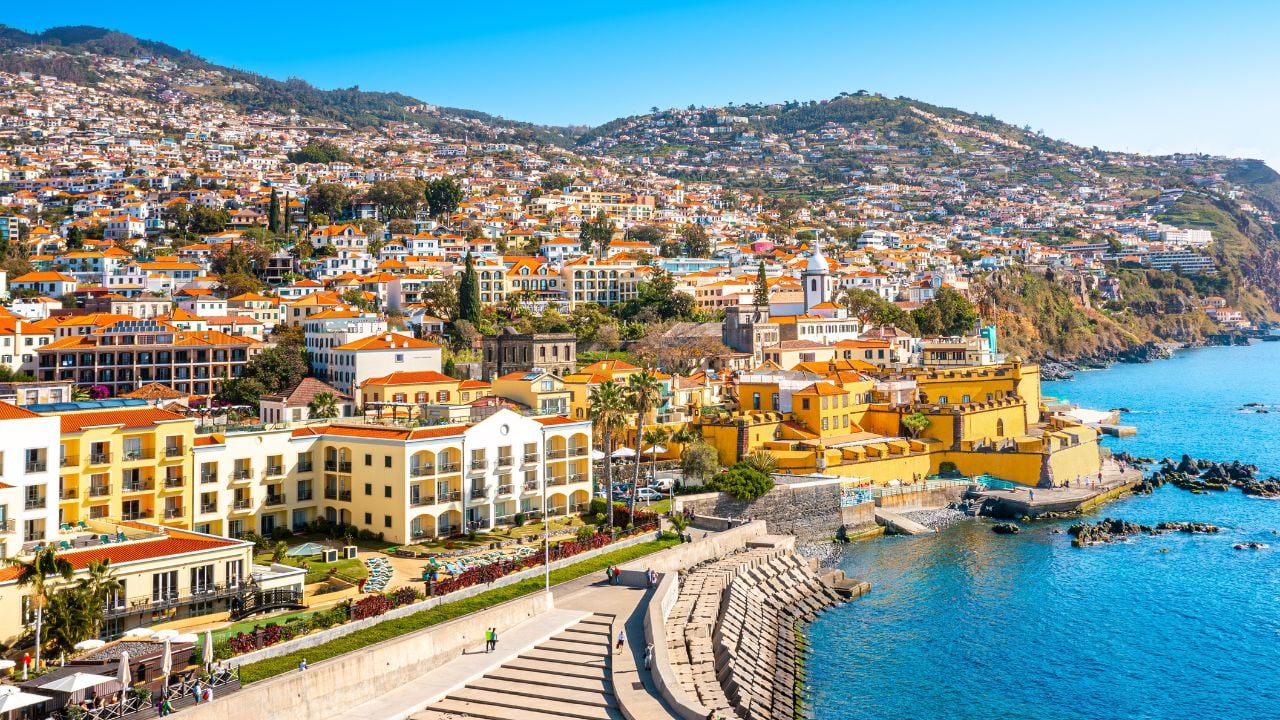
Madeira has the kind of scenery that fills a camera roll quickly: cliffs above the Atlantic, mountain roads, waterfalls, green valleys, and clouded ridges that change with every turn. The island looks dramatic from a viewpoint, but the better version starts when travelers put on walking shoes.
Visit Madeira lists officially classified walking routes and levada trails across the island. These routes follow old irrigation channels, forest paths, tunnels, ridges, and ravines, so the landscape becomes part of the day instead of something seen from the roadside.
Funchal adds another layer after the hikes: markets, gardens, seafood, cable-car rides, old streets, and oceanfront evenings. Madeira works because the view does not sit apart from the trip. It leads into the walks, the food, and the city at the edge of the mountains.
2. Lake Atitlán, Guatemala
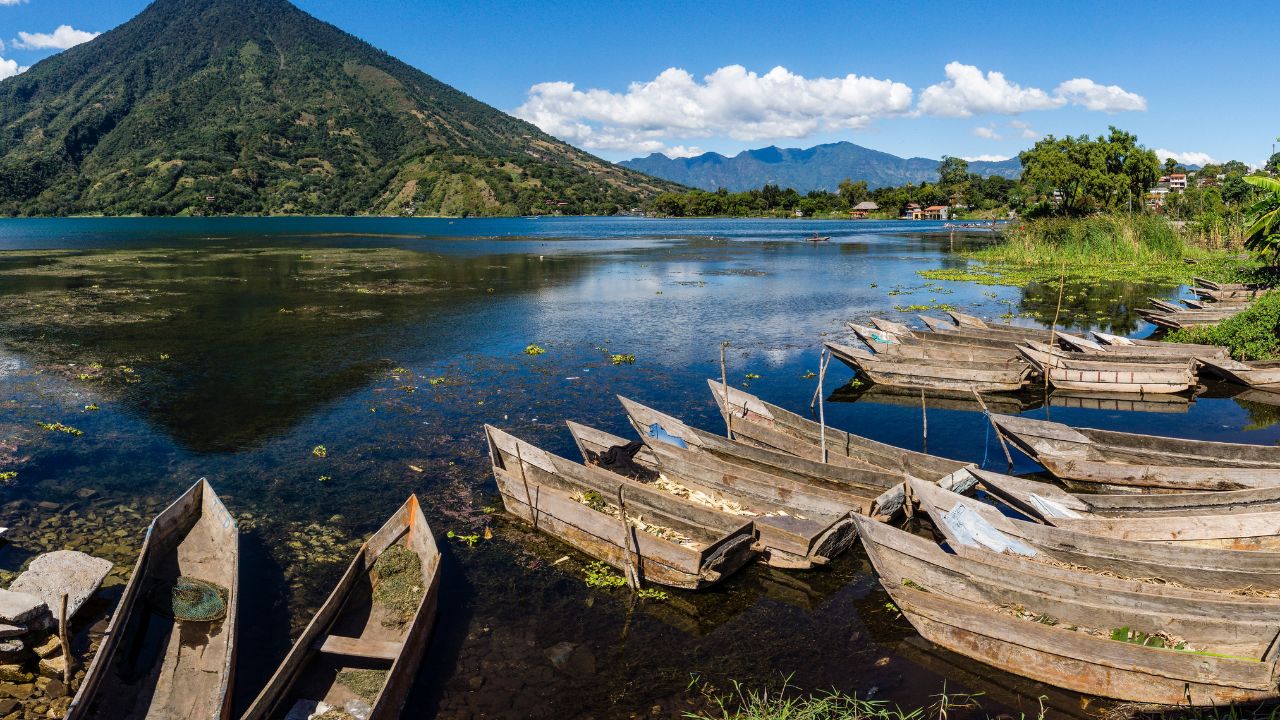
Lake Atitlán makes its first impression fast. Volcanoes rise around the water, boats move between towns, and the light can shift across the lake in a single afternoon. The mistake is treating it like one view from one hotel terrace.
The lake becomes more interesting when travelers move between villages. Panajachel works as a practical arrival point, while San Juan, San Marcos, San Pedro, Santiago Atitlán, and other shoreline towns add different reasons to cross the water. Atitlán’s official tourism site points visitors toward lake towns and activities around the area, which helps show why the trip should not stop at the first viewpoint.
One day might focus on textiles and murals in San Juan. Another can bring a boat ride, lakeside lunch, local markets, or a slower morning in a quieter village. The volcanoes create the frame, but the towns around the water give the trip its shape.
3. Matera, Italy

Matera looks unreal from above. Stone homes, stairways, cave churches, and pale rock fold into the Gravina valley, giving the city a carved appearance that feels older than a normal urban view.
UNESCO describes the Sassi and the Park of the Rupestrian Churches of Matera as a complex of houses, churches, monasteries, and hermitages built into natural caves. That history changes the visit once travelers leave the overlook and walk down into the stone lanes.
The stronger Matera day includes cave neighborhoods, rock churches, stairways, small museums, and restaurants built into the old fabric of the city. The view explains why people come. The streets explain why the place is more than a dramatic photograph.
4. Isle of Skye, Scotland
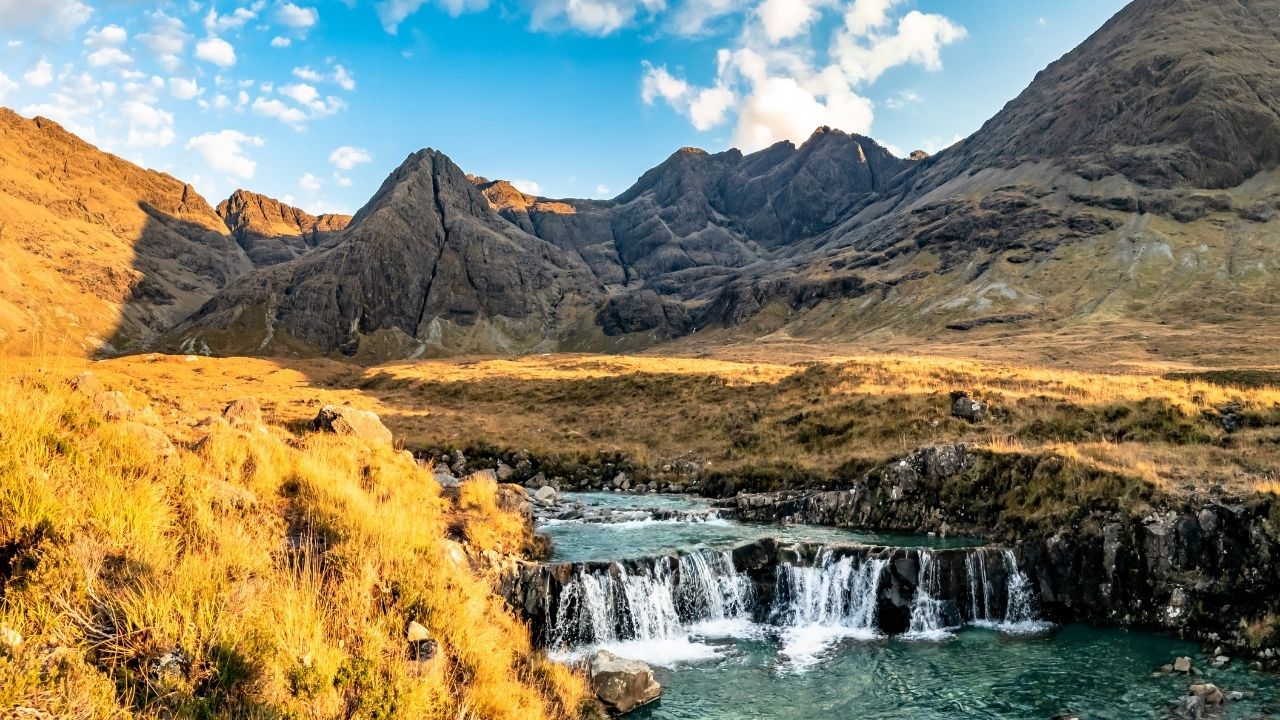
Skye is famous for landscapes that do not need perfect weather to work. Cliffs, sea lochs, moorland, winding roads, and sharp hills can look soft one hour and severe the next. The island’s beauty is obvious from the car window, but a trip built only around photo stops misses too much.
The Old Man of Storr is one of Skye’s best-known landscapes. The official Storr site notes that Gaelic is spoken on the Isle of Skye and remains an important part of the culture, and that the Old Man of Storr is known in Gaelic as Bodach an Stòir. The walk, the language, and the weather all add context to a place many visitors first know only from images.
A better Skye trip can include a walk near the Old Man of Storr or the Quiraing, seafood in Portree, a coastal drive, a museum stop, and time left open for weather changes. The landscape brings travelers to the island, but the food, stories, language, and rough weather give the visit more weight.
5. Oaxaca, Mexico
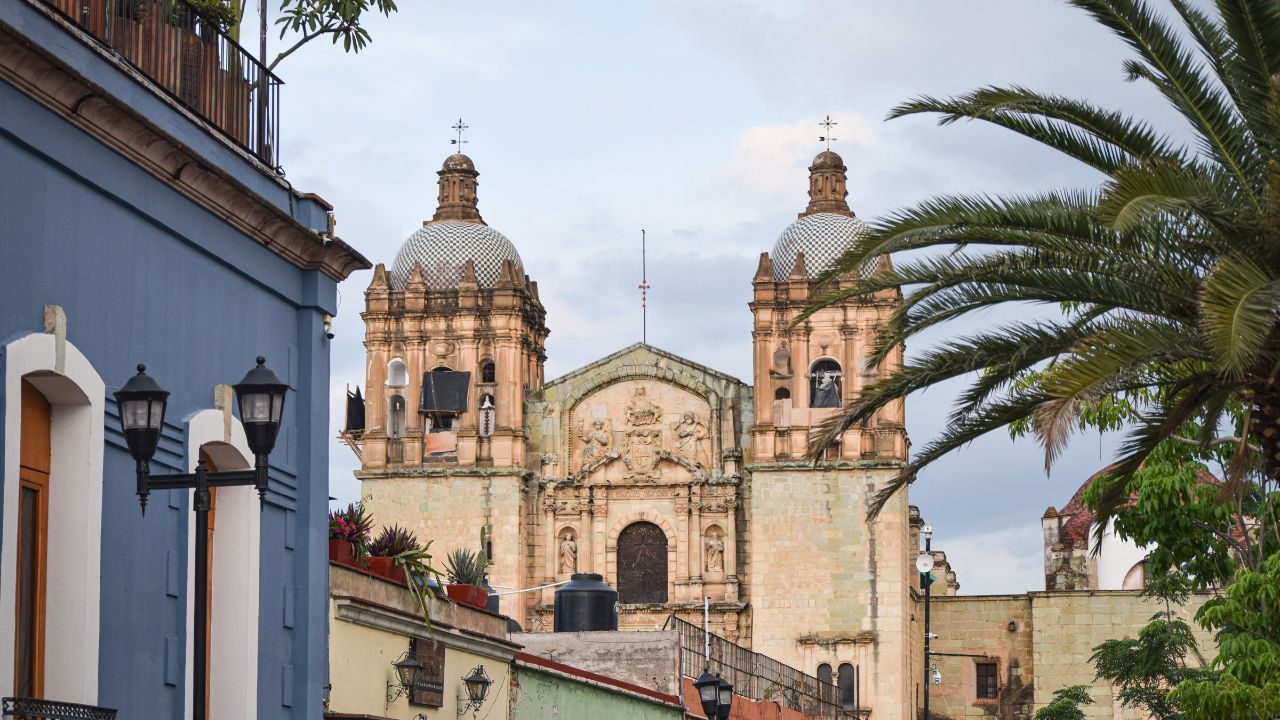
Oaxaca is not only a pretty colonial city. The setting matters, with mountain light, church plazas, courtyards, nearby Monte Albán, and streets that reward wandering. But the strongest part of the trip is sensory: food, markets, mezcal, textiles, and craft traditions that turn a walk into something more active.
UNESCO lists the Historic Centre of Oaxaca and the Archaeological Site of Monte Albán as a World Heritage Site and describes Monte Albán as the most important archaeological site in the Valley of Oaxaca. That gives the trip a major historic anchor beyond the city’s streets and plazas.
Inside the city, Oaxaca’s official tourism site describes Benito Juárez Market as one of the capital’s main attractions and commercial hubs, with stalls selling crafts, mezcal, candy, flowers, juice, baked goods, dried chilies, meat, dairy, seafood, and more. Oaxaca’s beauty is easy to see, but its markets and food traditions are what make the visit stay busy long after the first walk through the center.
6. Queenstown, New Zealand
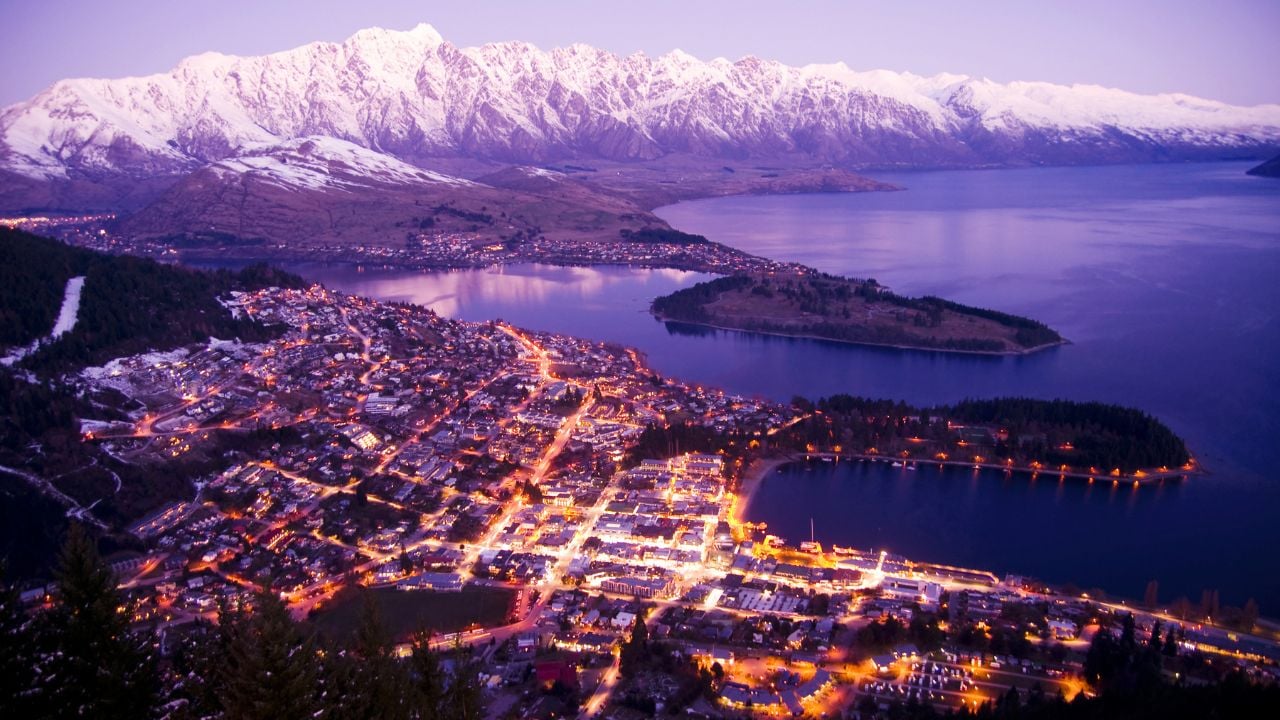
Queenstown’s setting is almost too easy to admire. Lake Whakatipu sits below the town, with the Southern Alps close enough to dominate even a simple walk. The first view explains the destination’s reputation, but the scenery works best when it becomes part of the itinerary.
Queenstown’s official tourism site says a well-rounded visit can include activities such as a jet boat ride, a scenic hike, a day on the slopes, or a wine tour in Gibbston. Its adventure guide also lists jet boating through Shotover Canyon or Skippers Canyon, skiing or snowboarding at Coronet Peak or The Remarkables, hiking, rafting, paragliding, and other outdoor options.
A rushed stop can collect the lake-and-mountain view and move on. A few days let travelers use the setting properly: one active morning, one slower lake moment, one food or wine stop, and enough time for weather to change the view. Queenstown is scenic immediately, but the trip gets stronger when the backdrop becomes the plan.