
A cheaper room can lose its advantage once the trip starts moving. A long transfer from the station, a late-night taxi, a hotel shuttle that stops too early, or a suitcase dragged over bridges can turn a lower nightly rate into a more expensive stay.
Location is not always about luxury. In some places, a better base cuts down on transit fares, parking, rideshares, missed breakfast hours, and tired walks back after dinner. The room costs more upfront, but the day starts with less effort and ends without another complicated ride.
The clearest examples are cities and trips where movement takes work: Venice with luggage, London with cross-town transfers, Walt Disney World with early starts, Paris with Métro and RER choices, and New York with long subway rides. In these places, the cheapest hotel is not always the cheapest trip.
Before booking, price the full stay: room, transport, parking, luggage route, evening return, airport connection, and the places travelers actually plan to visit.
1. Venice, Italy
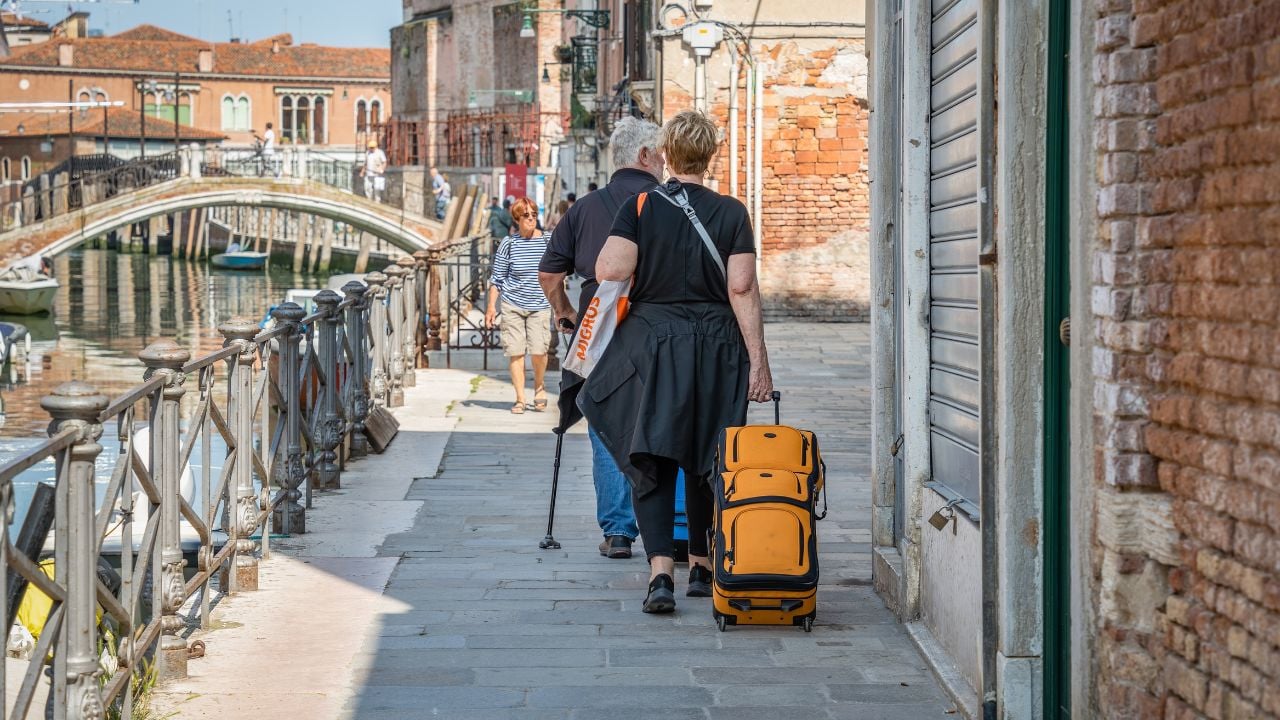
Venice turns hotel location into a physical problem. A room on the mainland or far from the main walking routes may save money at booking, then add trains, boats, bridges, and long luggage walks on arrival day. Light packers may manage it easily. A traveler arriving late with a rolling suitcase may feel the mistake before reaching the lobby.
St. Mark’s Square is not the only useful base. Cannaregio, Dorsoduro, or an area near Santa Lucia station can be more practical than a postcard-perfect address that requires several bridge crossings with bags. A hotel close to a vaporetto stop also helps when the weather changes or the day ends later than expected.
Venice’s water-bus network is useful, but it is not priced like an unlimited casual shuttle. Venezia Unica lists the ACTV 75-minute ticket for Venice’s urban transport network from €9.50.
A better-located hotel can reduce boat rides, bridge crossings, and first-day frustration. In Venice, the route from the station or stop to the hotel deserves as much attention as the room photo.
2. London, England
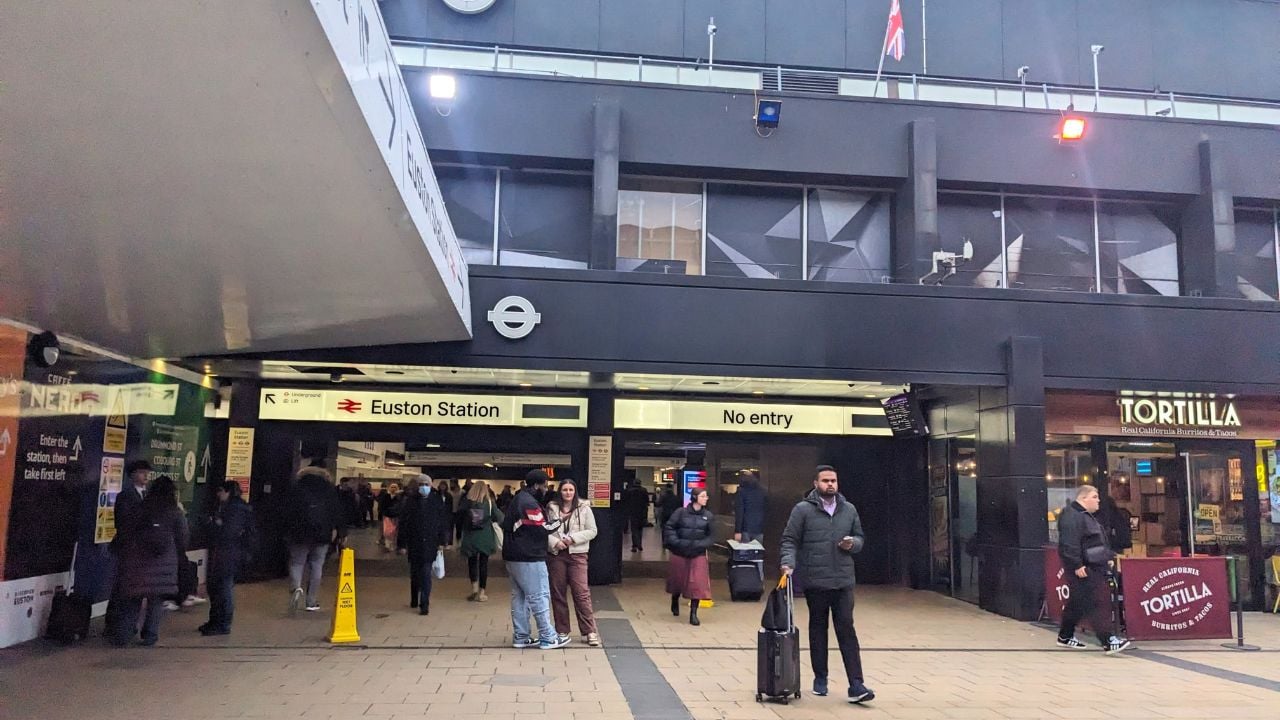
London is large enough for a cheap hotel to create extra work every day. A room far outside the center may still be a smart deal if it sits beside the right Tube, Elizabeth line, or rail connection. A lower rate becomes less attractive when the route needs multiple transfers before breakfast, after dinner, or on the way back from a theater, concert, or late train.
The better London base is not always in the most expensive postcode. South Kensington, Bloomsbury, Paddington, King’s Cross, Westminster, and parts of the South Bank can be worth comparing because they keep useful transport and major sights closer together.
Transport for London says a Visitor Oyster card can be used on the Tube, buses, trams, DLR, London Overground, Elizabeth line, River Bus, and most National Rail services in London. Contactless payment is another easy option for many visitors, but the hotel still needs to sit near a line that matches the trip.
Paying more for the right station nearby can save repeated transfers over several days. In London, the useful station is the one that gets travelers to their actual plans, not just the one that looks close on a hotel map.
3. Walt Disney World, Florida

Theme-park trips punish bad location faster than most vacations. At Walt Disney World, distance affects early starts, afternoon breaks, parking, rideshares, shuttle timing, and the return after fireworks. Families with small children often notice it first, especially when a midday rest would save the evening.
A cheaper room farther away may still work well for travelers with a car, a lighter schedule, or no need to return to the hotel during the day. It needs to be compared against parking costs, resort fees, rideshare prices, shuttle frequency, and the time lost leaving and returning to the parks.
Disney Resort hotel guests and guests at select other hotels can use Early Theme Park Entry, which gives access to Walt Disney World theme parks 30 minutes before regular opening each day. Valid park admission is required, and some guests may also need park reservations.
Early entry is most useful for guests who plan to be at the gates before opening. For visitors trying to ride popular attractions early, leave before the hottest part of the afternoon, or return after a break, a closer hotel can change the whole park day.
4. Paris, France
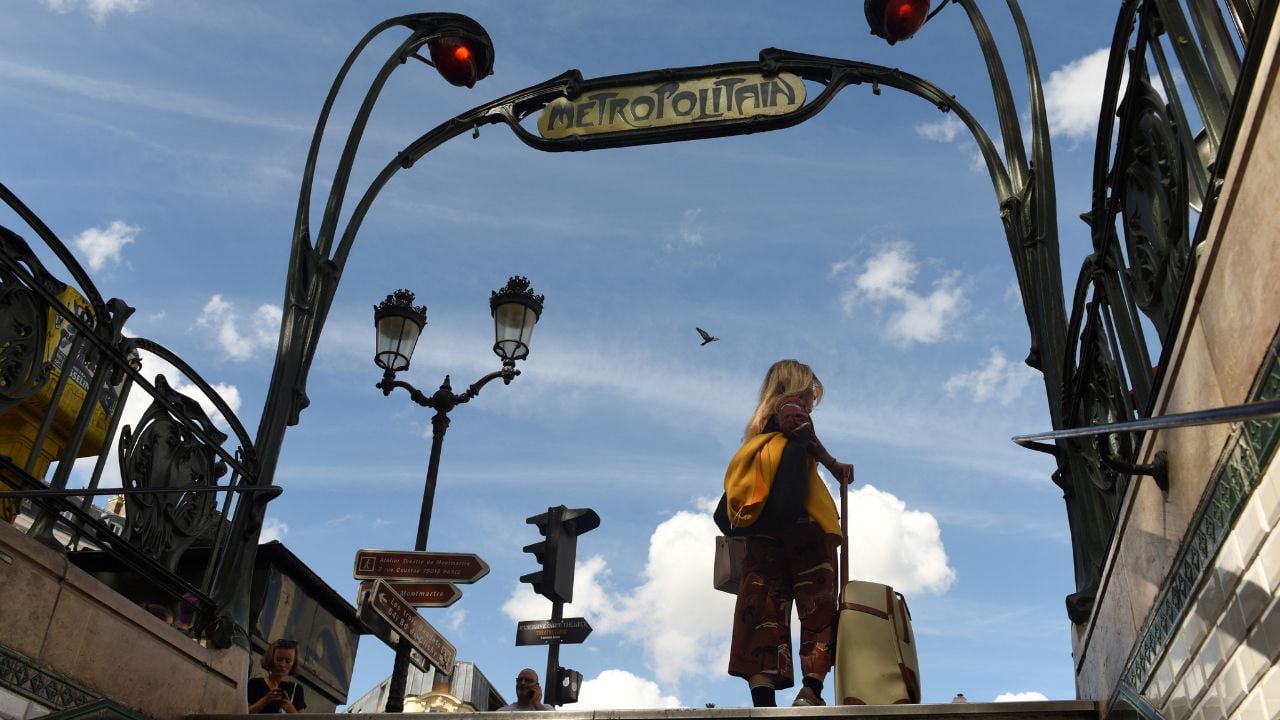
Paris rewards travelers who match the hotel to the itinerary. A room near the Seine, a useful Métro line, or a neighborhood with cafés and restaurants can cut down on unnecessary rides. A cheaper stay far outside the center may work for repeat visitors, but first-timers often underestimate how much time goes into museums, stations, meals, river walks, and evening returns.
The most useful Paris location is not always the most famous one. A hotel near the wrong charming street can still create annoying transfers if the trip includes Versailles, Disneyland Paris, CDG, Orly, or several museum days. The better base sits near the line travelers actually need.
RATP says the Paris Visite travel pass allows unlimited travel in Paris and the Île-de-France region, including access to Paris airports, Orlyval, Disneyland Paris, and the Palace of Versailles. Whether travelers use that pass, single tickets, or another fare setup, the hotel’s Métro or RER connection changes how easy those bigger travel days become.
A slightly more expensive hotel near the right station can save the day from becoming a chain of transfers. In Paris, charm helps, but the line outside the front door may matter more.
5. New York City, New York
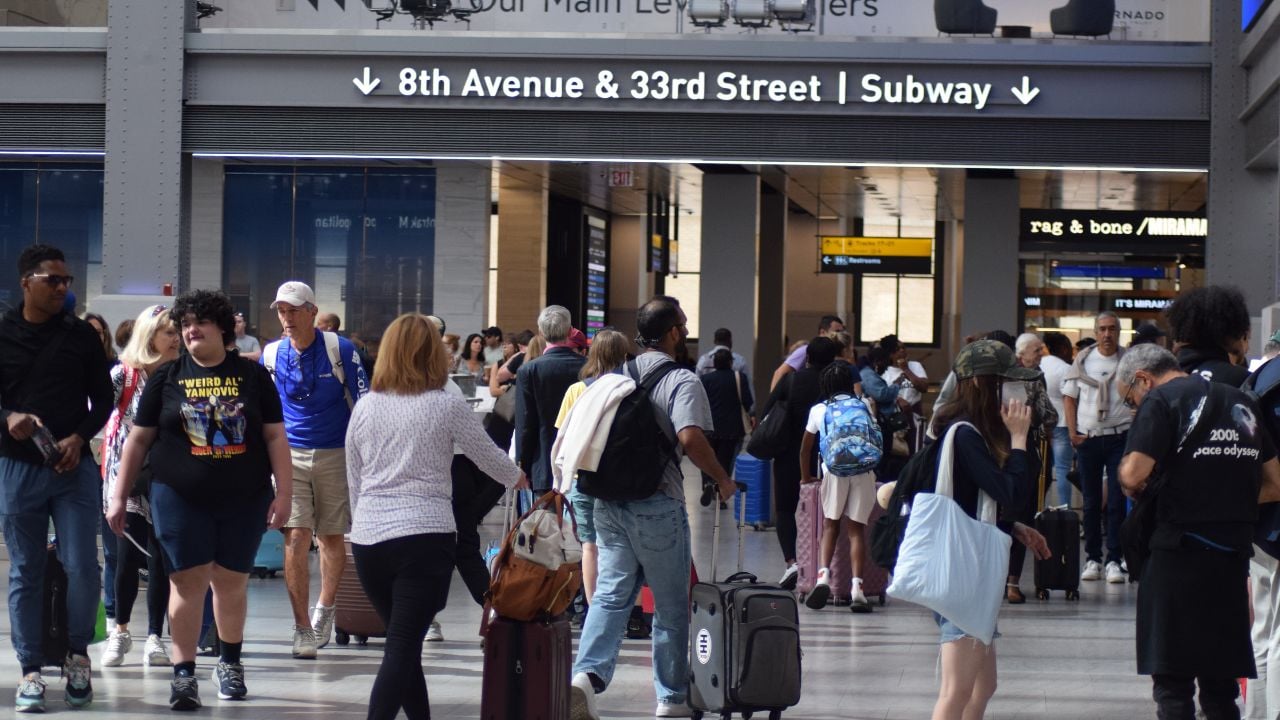
New York can make a cheap hotel expensive through time and friction. A room far from the subway, across an awkward transfer, or in a location that feels inconvenient late at night can turn every plan into a commute. First-time visitors usually benefit from paying attention to the subway line before the room rate.
Manhattan is not the only good base. Brooklyn and Queens can work beautifully when the hotel has direct transit to the places travelers care about most. A hotel near a useful subway line often beats a more central-looking room that requires extra transfers every day.
OMNY says riders can use the same card or device for both legs of a trip to receive a free transfer. The system also gives free trips after 12 rides in a seven-day period when riders keep using the same card or device.
The useful station is the one that cuts the daily ride, not just the one that appears nearby on the map. In New York, a better hotel location can mean shorter rides, easier nights back, fewer rideshare temptations, and more energy for the city itself.