
A first trip to Europe can feel familiar right up until the small differences start piling up. The passport rule is not the same for every country. A train ticket may still need a seat reservation. A card machine might ask whether to charge in dollars. A hotel room in an old city center may come with a tiny elevator, weak air-conditioning, or no elevator at all.
None of that ruins the trip when travelers know it is coming. In fact, many of the best parts of Europe are tied to those differences: slower meals, older buildings, compact neighborhoods, train stations near the center, and days that feel better when they are not packed to the minute.
The mistake is assuming Europe works like one big version of the United States with older streets. It does not. Entry rules, payment habits, train systems, restaurant customs, hotel expectations, and itinerary pacing can change from country to country, and sometimes from city to city.
For a first-time American traveler, the best preparation is practical rather than complicated. Check the formal rules before departure, book the major pieces that actually need booking, carry a little flexibility, and leave enough space in the trip for the parts that cannot be scheduled.
1. Entry Rules Are Not the Same Everywhere in Europe
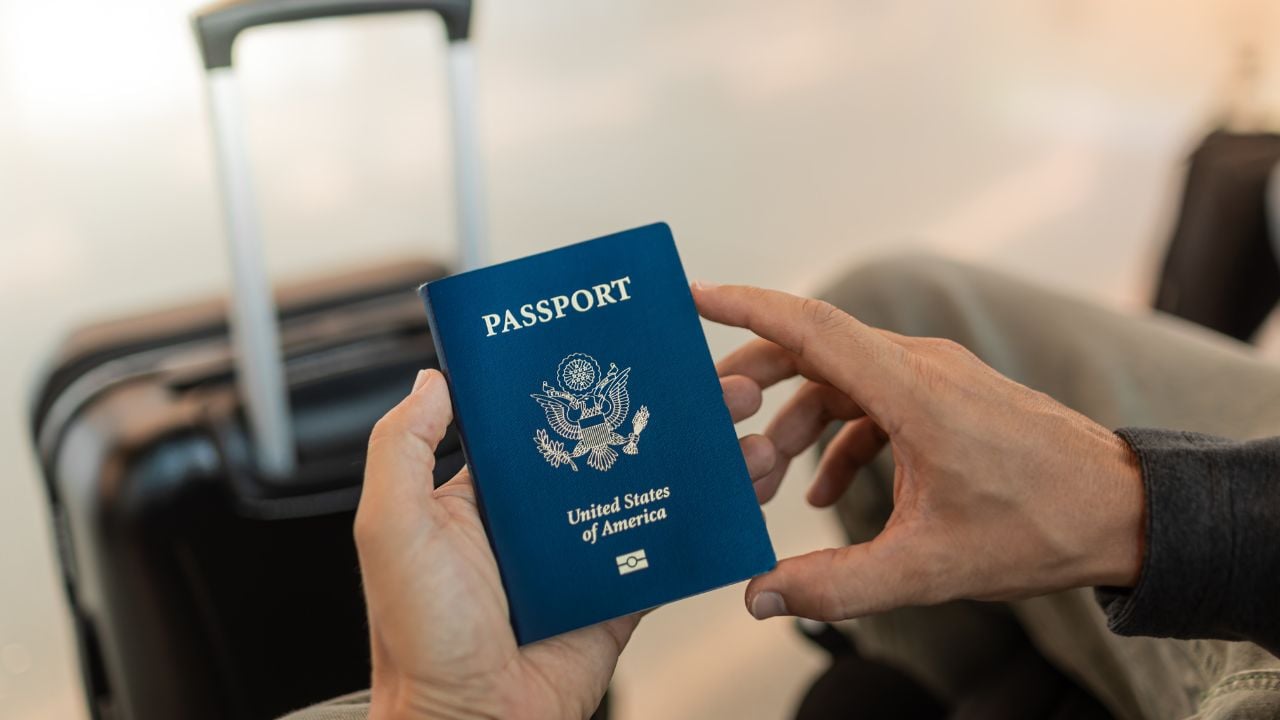
The first surprise is that “Europe” is not one border zone. For tourism or business visits in the Schengen Area, Americans can usually stay up to 90 days in any 180-day period with a valid U.S. passport, according to the State Department. That limit applies across the Schengen Area, not separately in each country.
Passport validity matters, too. The State Department says passports should be valid for at least three months beyond the planned departure date from the Schengen Area, while EU guidance also tells many non-EU visitors to use a passport issued within the previous 10 years. Those details can matter before the trip even begins, because airlines and border officers may check documents before a traveler reaches the hotel.
The United Kingdom and Ireland are not part of the Schengen Area, so a London-Paris-Rome trip is not the same entry setup as a Spain-France-Italy trip. The UK already has its own ETA system for many short visitors, including tourism and certain stays of up to six months.
The EU’s ETIAS travel authorization is scheduled to start in the last quarter of 2026 for visa-exempt travelers entering 30 European countries. The EU says no action is required from travelers at this point, but first-timers should still check the official rules for every country on the route before booking flights.
2. Card Machines May Try to Charge You in Dollars

Cards and contactless payments work well across much of Europe, especially in major cities. A no-foreign-transaction-fee card is useful, and a second card kept separately can save a day if the first one is blocked, lost, or left in an ATM.
Cash still has a place. Small cafés, market stalls, public bathrooms, rural buses, older ticket machines, and family-run places may not always handle payments the way Americans expect. Carrying a modest amount of local currency can prevent a small problem from becoming a long search for an ATM.
The sneakiest money moment often comes at the card terminal or ATM. A screen may ask whether to pay in U.S. dollars or in the local currency. That is usually dynamic currency conversion, which lets travelers see a charge in their home currency but may use a less favorable exchange rate.
Choose euros, pounds, francs, kroner, or the local currency on the screen. Let the bank or card network handle the conversion instead of accepting the terminal’s dollar amount. It is one of the easiest money mistakes to avoid once travelers know what the question means.
3. Some Trains Need Reservations, Even With a Pass

Europe’s trains can be one of the easiest parts of a first trip. Stations often sit close to historic centers, luggage rules are simpler than flying, and a city-to-city rail journey can avoid airport transfers, security lines, and long taxi rides into town.
The surprise is that not every train works like a subway or commuter line. A traveler may have a ticket or rail pass and still need a specific seat reservation before boarding certain long-distance, high-speed, or overnight trains.
Eurail says seat reservations are needed for most high-speed trains and all night trains in Europe, with reservations often required in France, Italy, and Spain. That matters on classic first-time routes such as Paris to Nice, Rome to Florence, Madrid to Barcelona, or longer overnight journeys.
Book the major train legs ahead, especially in summer or around holidays. Keep arrival days light after international flights, and do not build an itinerary around tight same-day transfers unless the connection is easy to recover from. Trains are still one of Europe’s great pleasures, but the ticket details deserve a careful read.
4. Hotels and Restaurants May Not Feel American

Many American travelers expect older European city centers to feel charming, but the practical side can still surprise them. Hotel rooms may be smaller, elevators may be tiny or missing, bathrooms can be compact, and air-conditioning may be weaker than what travelers expect in the United States.
That matters most in historic centers, where a beautiful building may come with steep stairs, street noise, or rooms that look very different from one floor to another. Before booking, read the room description instead of only looking at the photos. Check elevator access, air-conditioning, bed size, bathroom setup, and whether the property has late-night reception.
Restaurants can feel different, too. Meals may move more slowly, servers may not check in constantly, tap water may not arrive automatically, and the bill often comes only after the customer asks for it. In many places, lingering at the table is part of the meal rather than a sign that service has gone wrong.
Tipping is usually more modest than in the United States, although customs vary by country. Rick Steves notes that in many European countries, 5% can be adequate and 10% is considered a nice tip. Check the bill for service charges, round up when appropriate, and leave a little extra for genuinely good service rather than defaulting to U.S.-style percentages everywhere.
5. Too Many Cities Can Make the Trip Worse

The final surprise is how quickly a first Europe trip can turn into logistics. One night in Amsterdam, one night in Brussels, one night in Paris, and one night somewhere else may look efficient on a spreadsheet. In real life, it can mean packing every morning, dragging luggage over train platforms, checking into hotels too late, and seeing each city when everyone is tired.
Three nights in one place usually gives travelers a better first taste than three cities in three nights. Jet lag, train times, museum hours, restaurant reservations, weather, and airport transfers all take space. A trip with fewer bases leaves more room for the moments people actually remember.
That does not mean first-timers need to stay in one city the whole time. London and Paris can work well together. Italy by train can make sense with two or three bases. Spain feels easier when travelers choose a few strong stops instead of trying to cover the whole country. Amsterdam plus Belgium can also be simple when the rail legs are planned carefully.
Build the trip around a few places that deserve real time. Book the major sights that would be painful to miss, then leave space for a bakery breakfast, a market, a neighborhood walk, a train-window view, or dinner without another transfer waiting afterward. The best first Europe trips usually feel memorable because travelers stopped moving long enough to notice where they were.