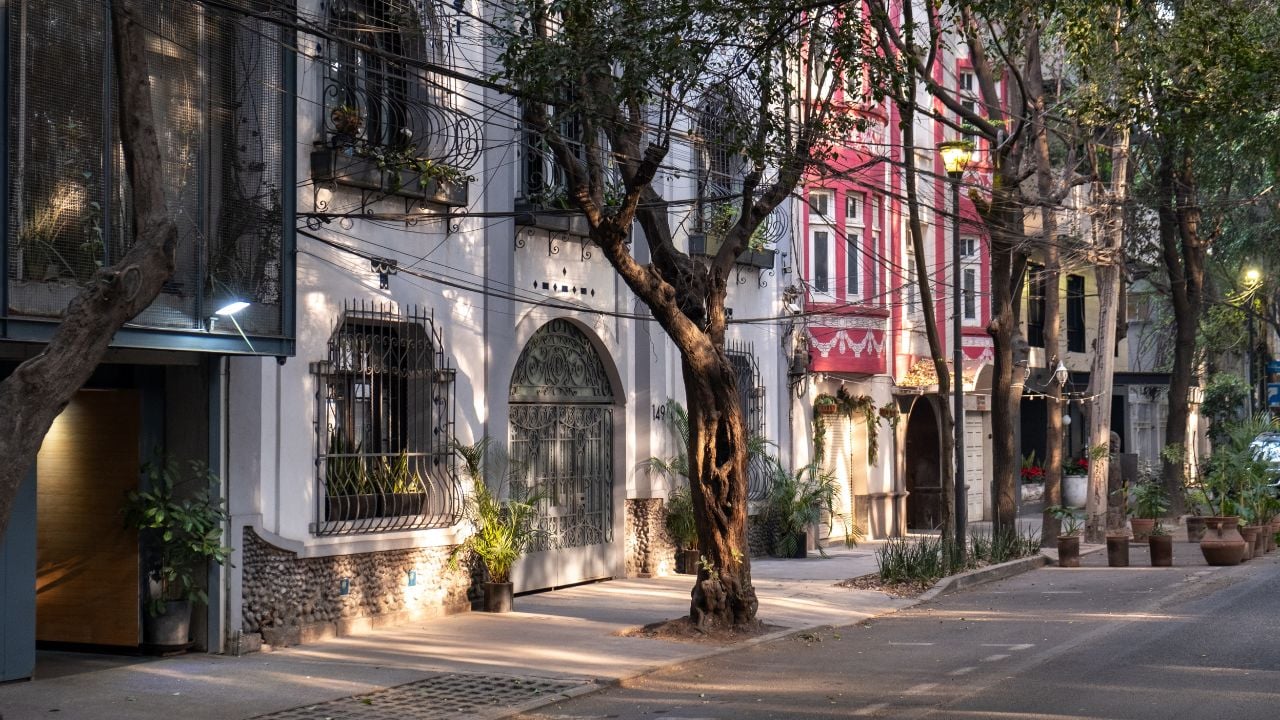
Some food cities are easy to enjoy casually, but the most popular restaurants often need more planning than first-time visitors expect. A short trip can lose a key meal if travelers wait until the same day to book sushi, a tasting menu, a small bistro, or a destination lunch.
The best approach is not to schedule every meal. Travelers should reserve the meals they would be disappointed to miss, then leave room for bakeries, markets, street food, casual bars, and neighborhood finds. In these five cities, a few early reservations can protect the best parts of the food plan without turning the trip into a fixed dining schedule.
1. Tokyo, Japan
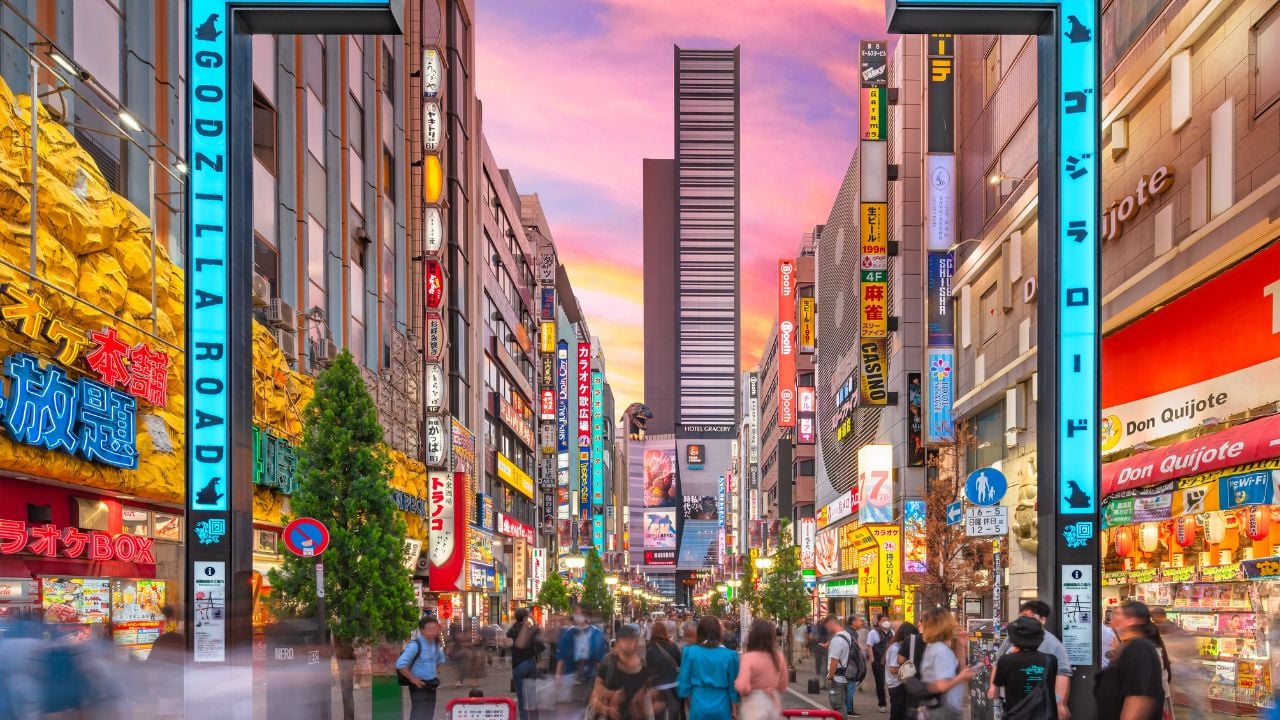
Tokyo has enough casual food that travelers can eat well without reservations, but the small counters and chef-led rooms are a different story. Sushi, omakase, kaiseki, tempura counters, and limited-seat restaurants should be booked before the trip if they are important to the itinerary.
Japan Travel has guidance on making reservations in Japan, including the role of advance planning and reservation services. Travelers who do not speak Japanese may need help from a hotel concierge, restaurant booking platform, or official reservation system.
The flexible meals should stay flexible. Ramen shops, depachika food halls, convenience-store snacks, casual izakaya, bakeries, and neighborhood counters can fill the open parts of the day. Book the one or two meals that would hurt to miss, then leave space for Tokyo’s easier food stops.
2. Paris, France

Paris has cafés, bakeries, wine bars, and casual brasseries for unplanned meals, but the best-known small bistros and tasting-menu restaurants can book up quickly. Michelin Guide lists starred restaurants, Bib Gourmand picks, and other inspected restaurants across Paris, which shows how wide the city’s reservation-driven dining scene has become.
Travelers should book the dinners tied to a specific restaurant, chef, neighborhood, or special occasion. Small restaurants in the Marais, the 10th, the 11th, Belleville, Montmartre, Saint-Germain, and other busy areas may not have many tables for walk-ins at peak dinner time.
Leave breakfast and some lunches open. Bakeries, market streets, cafés, wine bars, crêpe stops, and casual neighborhood meals are part of the Paris food plan. The reservation list should protect only the tables that cannot be easily replaced.
3. Copenhagen, Denmark
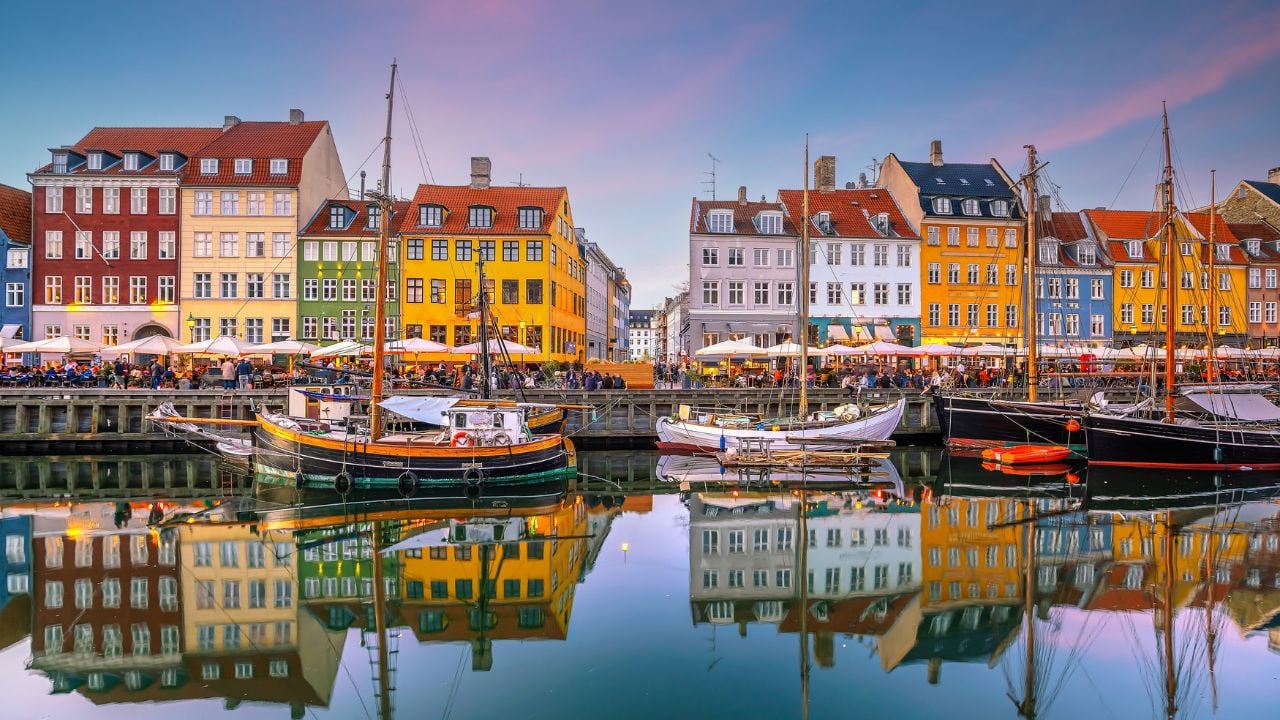
Copenhagen’s high-demand restaurants should be handled early, especially for tasting menus and Michelin-level dining. Wonderful Copenhagen says the Michelin Guide Nordic Countries 2025 awarded Copenhagen 30 stars across 18 restaurants.
Visitors planning one major dinner should book it before flights or hotel plans are final if the restaurant is central to the trip. Many of the city’s most discussed restaurants have limited seating, fixed menus, prepaid deposits, or strict cancellation rules.
The rest of the trip can stay loose. Bakeries, smørrebrød spots, food halls, cafés, casual wine bars, and neighborhood restaurants can fill the open meals. A practical Copenhagen food plan might reserve one major dinner, then use Nørrebro, Vesterbro, Indre By, or the waterfront for easier daytime eating.
4. San Sebastián, Spain
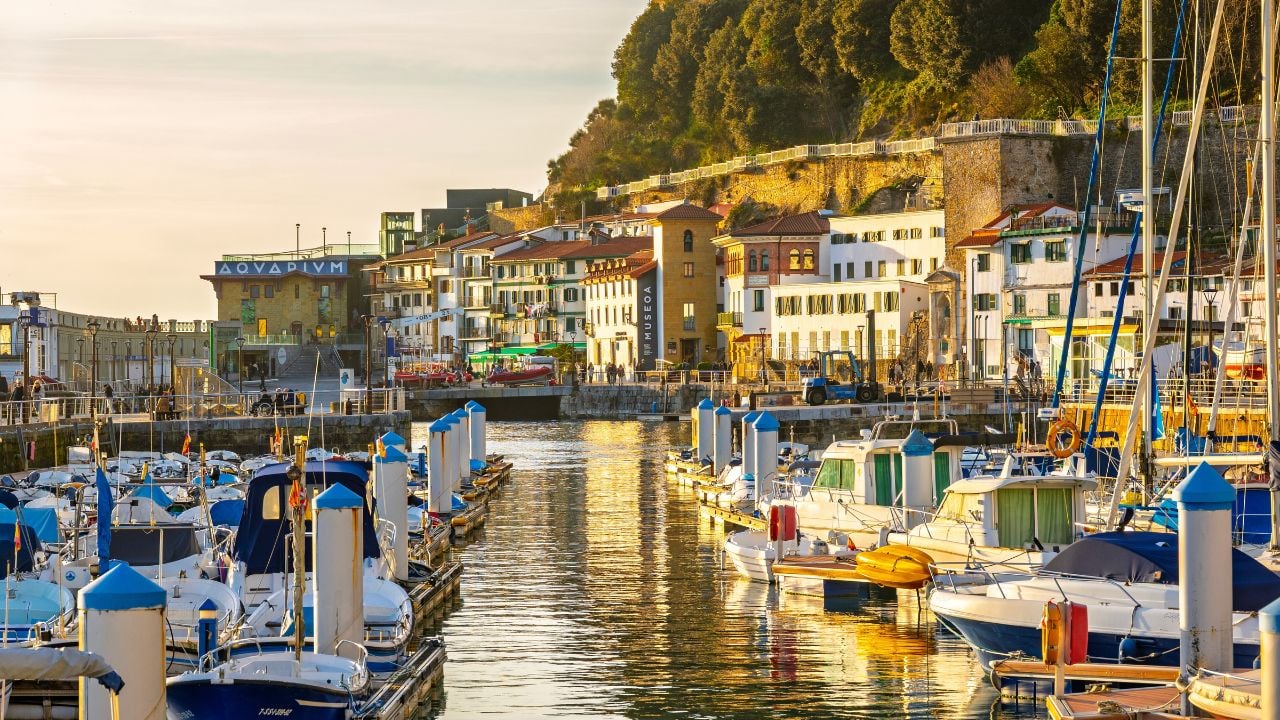
San Sebastián is small enough to explore on foot, but its destination restaurants need advance planning. San Sebastián Turismo says San Sebastián and Gipuzkoa have 19 Michelin stars across restaurants including Akelarre, Arzak, Martín Berasategui, Amelia, Mugaritz, Alameda, Ama, Ibai, Itzuli, Elkano, and Kokotxa.
The meals to reserve are the Michelin-starred restaurants, special-occasion lunches, destination dinners outside the center, and any restaurant that requires a taxi or bus from the old town. Those meals can set the timing for the whole day because lunch and dinner are often long.
Pintxos can stay more flexible. Travelers can move through the Old Town, stand at bars, order a few bites, and continue to the next place without treating every meal like a fixed reservation. A strong San Sebastián plan might book one serious restaurant, then keep one evening open for pintxos bar-hopping.
5. Mexico City, Mexico
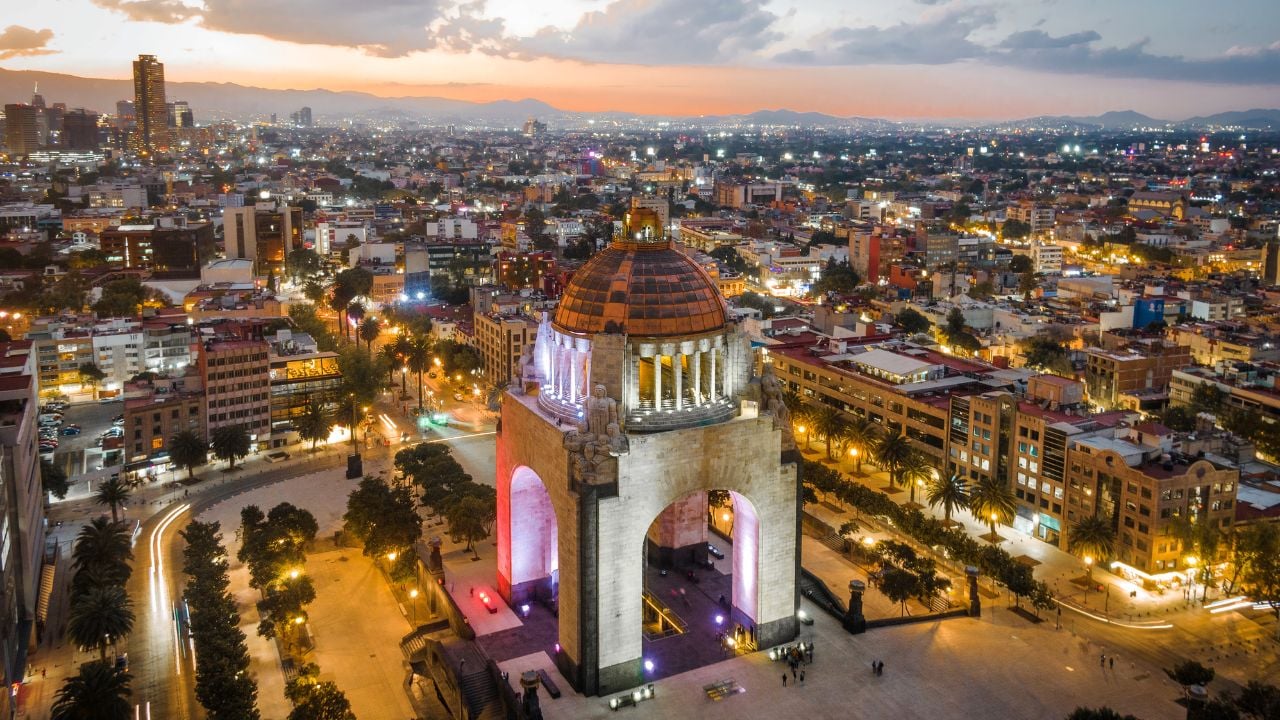
Mexico City’s size makes restaurant planning important. Michelin Guide lists dozens of restaurants in Ciudad de México, including starred restaurants, Bib Gourmand picks, and other inspected addresses. Popular tasting menus, seafood lunches, modern Mexican restaurants, and weekend dinners should be booked early.
Neighborhood choice affects the reservation plan. Roma, Condesa, Polanco, Juárez, Coyoacán, and the historic center are not all interchangeable at dinner time, especially with traffic. Travelers should group meals with the day’s museum, market, park, or nightlife plan instead of crossing the city twice.
The open meals are just as important. Tacos, tamales, pan dulce, churros, markets, casual fondas, cantinas, and street snacks can handle the flexible parts of the trip. Book the destination restaurants, then leave room for the food that does not need a white tablecloth or a reservation window.